Three days in Los Angeles is enough to understand the city if you resist the urge to cross it constantly. The itinerary below groups each day by geography: first the hills and Hollywood, then the Westside and coast, then a flexible culture/entertainment day. It gives you iconic LA without making the entire trip a traffic exercise.
This plan works best for first-time visitors staying in a reasonably central area such as West Hollywood, Beverly Grove, Hollywood/Los Feliz or Santa Monica. If your hotel is farther out, adjust the order around your location rather than following the sequence blindly.
Itinerary route at a glanceAll the main stops in the order used by this itinerary.
1Griffith + Hollywood + Los Feliz
2Westside + coast
3Choose your LA
Route mapItinerary route at a glanceAll the main stops in the order used by this itinerary.
Views, observatory, Hollywood context, neighborhood evening
Day 2
Westside + coast
Getty or museums, Santa Monica, Venice, sunset
Day 3
Choose your LA
Universal/studio, Downtown/culture, or deeper neighborhood day
The rule for a short LA trip: every day should have one geographic center of gravity. If the map shows your morning and evening plans on opposite sides of the metro area, simplify the day.
Day 1: Griffith Observatory, Hollywood and Los Feliz
Morning: start with Griffith Park
Begin early around Griffith Park before parking and heat become more demanding. If you want a hike, choose a route suited to your fitness and weather; if not, focus on viewpoints and the observatory area. The Hollywood Sign is part of the landscape here, and you do not need to reach the closest possible residential street for a memorable view.
If the observatory building opens later than your arrival, use the early hours for the park and return when exhibits are accessible. The grounds and city views are valuable even before you step inside.
Find tours, tickets & experiencesCompare activities and bookable experiences that fit this part of your trip.
Lunch: Los Feliz or nearby
Move down into Los Feliz for lunch rather than driving across town. This is the first moment when the itinerary becomes deliberately local: cafés, bookstores, restaurants and neighborhood streets give you a different LA from the famous viewpoints.
Afternoon: Hollywood in context
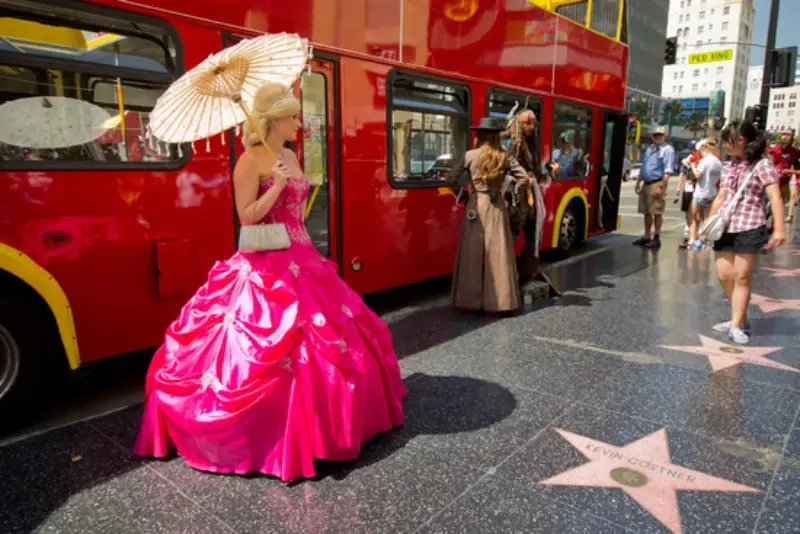
See the stretch of Hollywood that matters to you—Chinese Theatre, Walk of Fame, movie history—but set a time limit. The boulevard can be interesting as cultural context, yet it rarely deserves an entire afternoon for most visitors. Film fans may prefer to add a museum, theater or studio-related experience instead.
Evening: stay central
Have dinner in Los Feliz, Hollywood, West Hollywood or Koreatown depending your hotel and energy. Do not schedule Santa Monica sunset after a full Hollywood day unless real-time traffic makes it genuinely easy. Save the coast for tomorrow.
Day 2: Getty Center, Santa Monica and Venice
Morning: Getty Center
Reserve the morning for the Getty Center. Even if your interest in art is moderate, the architecture, gardens and views justify the visit. Give yourself at least a few hours; rushing the Getty defeats the point.
Lunch: stay on the Westside
Eat near the museum or move toward Santa Monica. This is not the day for a restaurant in Downtown or Silver Lake, no matter how highly it is ranked. Keeping lunch on route protects the afternoon.
Afternoon: Santa Monica
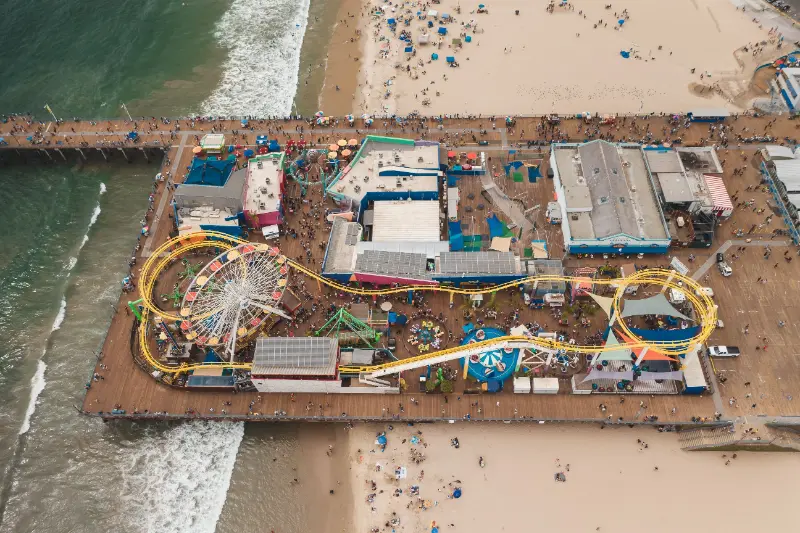
Walk the pier and beach, then decide whether to rent a bike, continue along the beachfront or explore the pedestrian areas inland. Santa Monica is tourist-friendly but also practical: food, restrooms, transit and broad beach access are concentrated in one area.
Once you know the stops you want to include, compare accommodation and flights around the same dates so the route stays practical.
Compare stays & flightsCheck accommodation and flight options around the dates and route you are planning.
Late afternoon and sunset: Venice
Continue toward Venice for Ocean Front Walk and, if interested, the canals. The atmosphere is deliberately different from Santa Monica. Sunset can work from either area; choose based on where you want dinner and how you plan to return to the hotel.
Day 3: choose one of three versions
Option A: Universal Studios Hollywood
Make Universal its own day. In 2026 the park’s offer expanded with Fast & Furious: Hollywood Drift. Arrive early, understand the current ticket/entry system, and avoid adding a distant evening attraction just because the park closes before bedtime. A relaxed dinner nearby is enough.
Option B: Downtown LA + cultural districts
Start at El Pueblo/Union Station or another historic Downtown point, then move through Grand Central Market, The Broad/MOCA, Little Tokyo or the Arts District. The exact combination depends on museum opening days and your interests. Metro makes this the most naturally car-light version of Day 3.
Option C: Mid-Wilshire museums + West Hollywood
Choose the Academy Museum, LACMA area, Petersen Automotive Museum or another institution, then stay in the surrounding district for dinner and evening. The 2026 D Line extension improved rail access to Mid-Wilshire, making this version easier without a car.
What if you want Malibu?
Replace part of Day 2 or Day 3 rather than adding Malibu on top. Pick a specific beach or viewpoint and understand parking/access rules before leaving. Malibu is elongated; an unfocused drive can consume half a day without producing a better coast experience than Santa Monica or the South Bay.
What if you are traveling with kids?
Reduce the number of transitions. Griffith in the morning plus an easy hotel/pool break can be better than forcing Hollywood. On Day 2, beach time may matter more than Venice sightseeing. Day 3 can become Universal, Exposition Park museums or another family-focused activity. Three successful family days do not need to contain every adult landmark.
Do you need a car for this itinerary?
Not necessarily for every day. Day 1 can work with Metro/bus/rideshare depending your hotel; Day 2 is more convenient with a car or strategic rideshare, especially between the Getty and coast; Day 3 depends on the option. If you are beginning a California road trip after LA, consider renting the car only when it becomes useful.
Where to stay for this 3-day plan
WHERE TO STAYFind a stay that fits your itinerary
Compare available accommodation for your dates, budget and preferred location before you finalize your route.
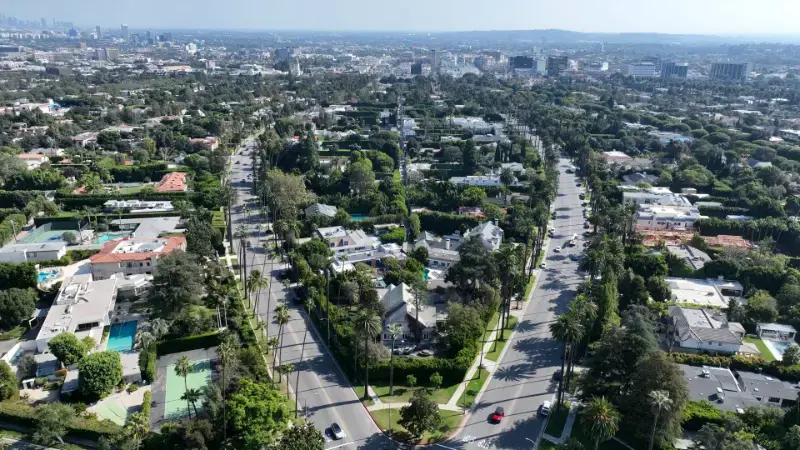
West Hollywood/Beverly Grove is the easiest general compromise. Hollywood/Los Feliz favors Day 1 and Universal. Santa Monica makes Day 2 effortless but lengthens the other days. See our Los Angeles accommodation guide before booking.
Plan food by neighborhood rather than by viral ranking. Day 1 can use Los Feliz, Koreatown or West Hollywood; Day 2 the Westside, Santa Monica or Venice; Day 3 the district you choose. This keeps meals part of the itinerary instead of turning them into another commute.
How to adapt the itinerary by season
In summer, start outdoor activities earlier and protect midday from inland heat. In winter, keep a rain alternative for the beach day. Spring and fall are generally easiest for mixed sightseeing. On any trip, coastal weather can differ sharply from Hollywood or Downtown, so carry a layer even when the forecast looks warm.
Arrival and departure tips
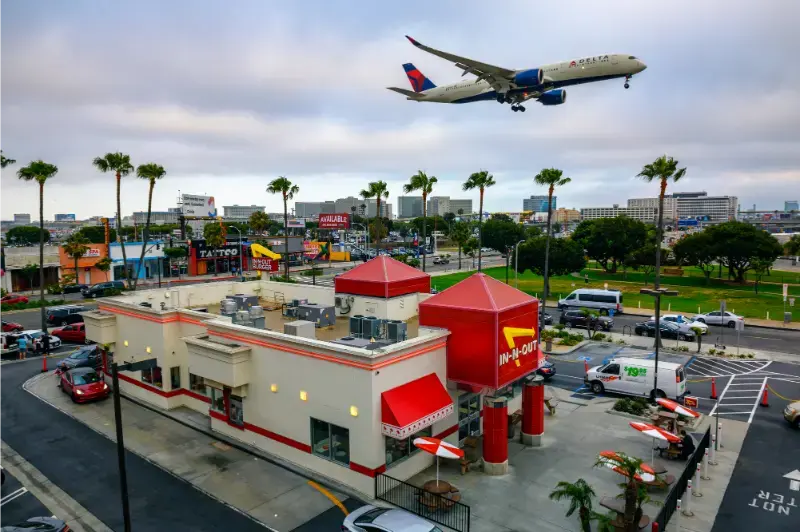
Do not schedule a prepaid major attraction on arrival day after a long-haul flight. LAX access improved with the LAX/Metro Transit Center, but baggage, immigration, rental-car collection and traffic still create uncertainty. If your flight home is early, a final airport-area night can make sense; otherwise, there is little reason to use LAX as your sightseeing base.
What this 3-day itinerary intentionally skips
Disneyland, San Diego, Palm Springs and Joshua Tree are not Los Angeles add-ons for a three-day city trip. They belong in separate Southern California planning. The same applies to trying to “pop up” to Santa Barbara. Protect the city days, then continue the road trip after checkout.
If your three days begin after a long international flight
Use the arrival evening as a zero-pressure orientation period rather than “Day 1.” Check in, eat nearby, buy anything you forgot, and sleep. The itinerary works much better when Day 1 starts after a normal night than when you try to force Griffith or a museum into a jet-lagged afternoon. If your flight lands early and you feel good, a beach sunset or easy neighborhood walk is enough.
A note on advance reservations
Book only the things that genuinely need a time slot: a studio/theme-park ticket, a high-demand museum exhibition, a major live event or a restaurant that matters to you. Leave ordinary sightseeing flexible. Los Angeles traffic, weather and energy levels reward the ability to swap an afternoon plan without losing money.
How much walking should you expect?
LA is car-oriented at the regional scale but individual districts can involve a surprising amount of walking. A Getty visit, Griffith day, museum cluster or beach walk can each become 10,000-plus-step days. Comfortable shoes matter, and travelers with mobility limits should examine hills, parking locations and attraction entrances rather than assuming driving eliminates walking.