

Destinations › West › Utah › 7 Days in Utah
Seven days is the shortest trip length at which Utah’s Mighty 5 can make sense as a road trip. It is still fast. You will see every national park, but you will not experience every famous hike, and the itinerary succeeds only when transfer days are used intelligently.
This plan assumes a first trip with a rental car and prioritizes Zion, Bryce, Capitol Reef and Moab as overnight bases. If you prefer long hikes to variety, use the alternative routes and remove one park.
- 1Arrive Las Vegas or Salt Lake / reach Springdale
- 2Zion
- 3Zion to Bryce
- 4Bryce to Capitol Reef via Highway 12
- 5Capitol Reef to Moab
- 6Arches
- 7Canyonlands / departure or extra night
At a glance
| Day | Base / focus |
| 1 | Arrive Las Vegas or Salt Lake / reach Springdale |
| 2 | Zion |
| 3 | Zion to Bryce |
| 4 | Bryce to Capitol Reef via Highway 12 |
| 5 | Capitol Reef to Moab |
| 6 | Arches |
| 7 | Canyonlands / departure or extra night |
Day 1: reach Springdale
If flying into Las Vegas, pick up the car and drive to Springdale, stopping only for essentials. If arriving late, sleep near the airport and shift the trip rather than forcing a tired night drive.
From Salt Lake City, the drive is longer and can justify a first night around St. George or Cedar City depending on arrival time.
Day 2: Zion National Park
Use the shuttle for one priority canyon experience. Choose Angels Landing with a permit, Scout Lookout/West Rim, or the Narrows when conditions are safe. Add Pa’rus or Riverside Walk rather than a second strenuous objective.
A full Zion day is the hardest day to replace later, so keep the schedule flexible around weather and permits.
Day 3: Zion to Bryce
Explore east Zion and Canyon Overlook early, then drive to Bryce Canyon. Spend late afternoon on the rim and save a hoodoo hike for the next morning if energy is low.

This transfer is short enough to remain a real sightseeing day. Do not leave Zion at noon if you want good Bryce light.
Day 4: Bryce to Capitol Reef on Scenic Byway 12
Complete an early Bryce hike, then drive Highway 12 through Escalante, the Hogback and Boulder Mountain. Choose only one substantial stop along the route.
Arrive in Torrey before dark. Highway 12 is too good to waste as a night drive.
Day 5: Capitol Reef to Moab
Spend the morning in Fruita with Hickman Bridge, petroglyphs or Scenic Drive, then drive east to Moab. Keep the evening easy or visit Dead Horse Point if timing and energy are good.
Do not attempt a remote Capitol Reef backcountry road on a day that also requires reaching Moab.
Day 6: Arches National Park
Start before the busiest period and build the day around Delicate Arch or Devils Garden, not both plus every roadside formation. Use afternoon heat for a slower break, then return for late light if desired.

In 2026 Arches does not require timed-entry reservations, but congestion can still affect parking and entry.
Day 7: Canyonlands and departure
Use Island in the Sky for Mesa Arch, Grand View Point and one or two short walks. Pair Dead Horse Point if time allows.
If your flight leaves Salt Lake City that evening, be conservative. Moab to Salt Lake is a significant drive and should not follow a sunset hike. An eighth day is much safer.
Best version with eight days
Add the extra night to Moab or Zion. Moab benefits because Arches and Canyonlands then have separate full days without departure pressure.
Families may prefer adding the day around Capitol Reef/Scenic Byway 12 to reduce hotel changes.
Best version for hikers
Drop Canyonlands or Capitol Reef from the checklist and add a second Zion day plus a second Moab day. Long hikes consume the cool morning hours that a fast road trip needs for driving.
A seven-day hiking trip should be judged by trail quality, not park count.
Packing and reservation strategy
Book Springdale and Moab first, then Bryce/Torrey. Apply for Angels Landing permits separately if desired. Download offline maps and keep water in the vehicle.
Avoid prepaid activities on every day. One fixed reservation plus one flexible experience is a better daily rhythm in weather-sensitive desert country.
Is seven days enough for Utah?
Seven days is enough for a memorable Mighty 5 loop only if you accept that it is a highlights trip. The goal should be one signature experience per park, not a comprehensive visit. Trying to hike Angels Landing, the Narrows, every Bryce loop, Delicate Arch and a long Needles trail in one week creates fatigue and unsafe driving.
If hiking is the main goal, remove one park rather than compressing the schedule further. Zion–Bryce–Capitol Reef or Capitol Reef–Moab can each support an excellent week on their own.
Where to add an extra day
The best extra day depends on interests. Hikers should add it to Zion or Moab. Photographers can use it around Capitol Reef and Scenic Byway 12. Families benefit from a slower Moab day. Travelers continuing from Arizona may use the extra day between Monument Valley and Moab.
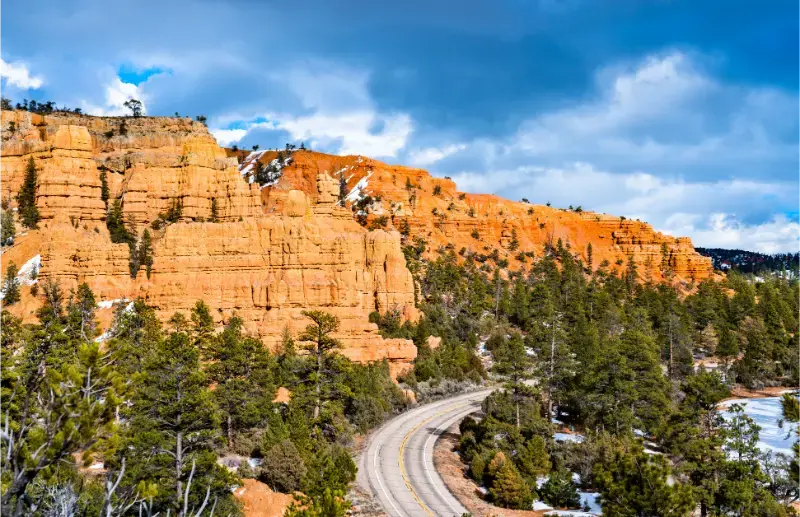
Do not automatically add the day to Salt Lake City unless the city itself is a priority. On a seven-day national-park trip, southern Utah usually needs the buffer more.
How this guide connects with the rest of Utah
Utah trips work best as connected clusters rather than isolated attractions. Use the related guides below to compare bases, reduce backtracking and decide which experiences deserve their own day.
- Utah Road Trip 10–14 Days
- Zion Guide
- Scenic Byway 12
- Capitol Reef Guide
- Moab Travel Guide
Practical planning strategy
Check the official land-management source again 24–48 hours before any weather-sensitive hike or unpaved-road day. Southern Utah can change quickly after storms, while northern mountain weather can alter roads and trail conditions at elevation. Download offline maps before leaving towns and never assume mobile coverage at a trailhead.
Build one priority activity per day and one backup. This simple rule prevents a permit, parking problem, heat wave or storm from ruining the entire schedule. It also gives you enough time to stop at viewpoints that were not visible when you planned the trip at home.
Frequently asked questions
Can you see all Mighty 5 in seven days?
Yes as a highlights road trip, but it is fast. Longer hikes or family pacing may justify removing one park.
Where should you start?
Las Vegas is convenient for Zion; Salt Lake City is convenient for Moab. Open-jaw flights can reduce backtracking.
Which park deserves an extra day?
Zion or Moab for most first-time visitors.
Should you drive Highway 12 at night?
No if you can avoid it. Scenic Byway 12 is a major part of the experience and mountain conditions can change after dark.
Final planning checklist
- Verify current road, trail and weather conditions.
- Download offline maps and save reservation confirmations.
- Carry more water than the minimum you expect to drink.
- Plan fuel before long scenic or backcountry drives.
- Keep at least one daily activity flexible.
- Avoid scheduling a long night drive immediately after a strenuous hike.
A final note on pacing
The most memorable Utah trips are rarely the ones with the highest attraction count. Red-rock landscapes are large, weather-sensitive and physically demanding. Give major parks and road corridors enough time for early starts, unplanned overlooks and a real meal at the end of the day. When a route feels too full on paper, removing one stop usually improves every place that remains.
For a first trip, protect sleep and daylight. Start demanding hikes in the coolest safe window, drive scenic roads while you can actually see them and reach the next lodging base before exhaustion becomes part of the plan. That approach is safer, easier for families and more likely to produce a trip you would willingly repeat.
Extra trip-planning detail
A useful way to test the itinerary is to imagine the day with a two-hour delay. If a parking queue, thunderstorm or slow restaurant would make you miss the final shuttle, reach lodging after midnight or drive an unpaved road in darkness, the plan is too tight. Add margin before the trip rather than trying to recover it on the road.
Also separate drive time from travel time. Navigation apps measure movement, not viewpoints, fuel stops, construction, wildlife, trailhead parking or the simple need to stretch after several hours in the car. In Utah, a beautiful two-hour transfer often occupies half a day once you travel at a pace that lets you experience it.
Looking for the right place to stay? Compare hotels and accommodation on Booking.com.