

The best things to do in Miami are not all in one neighborhood and they are not all on the beach. A strong first visit moves between Art Deco streets, Caribbean and Latin American culture, contemporary art, tropical landscapes and the water. The key is to group experiences geographically so that the day feels like travel, not traffic.
For logistics and hotel strategy, start with our Miami Travel Guide. This article focuses on the experiences most worth your time and the extra details that make them better.
1. Walk South Beach from South Pointe north
Start at South Pointe Park for wide water views, then move north toward the Art Deco district. This creates a natural progression from park and beach to architecture and people-watching. Early morning is calmer and cooler; late afternoon brings more energy.
2. Look at Art Deco as architecture, not just a backdrop
Ocean Drive is the most photographed street, but the district extends beyond it. Notice symmetry, nautical motifs, terrazzo, neon and pastel restoration. An architectural walking tour can turn “pretty buildings” into a story about how Miami Beach reinvented itself repeatedly.
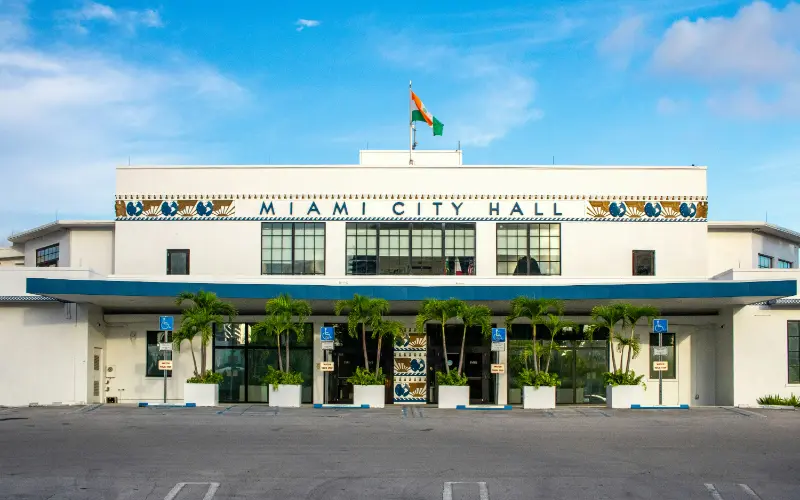
3. Swim or relax on South Beach — with conditions in mind
Beach time belongs on a Miami itinerary, but treat ocean safety as dynamic. Wind, currents, surf and marine conditions can change. Swim near lifeguarded areas when possible and follow flag guidance. The beach is best when it is an actual block of time, not a 20-minute photo stop.
4. Explore Little Havana beyond one block
Calle Ocho is the center of the visitor experience, but the neighborhood makes more sense through food, music, family businesses and public spaces. Stop for Cuban coffee, learn the difference between tourist staging and everyday community life, and give yourself enough time to sit rather than only walk.
5. See Wynwood in daylight and stay for dinner
Wynwood’s murals are easiest to appreciate before evening crowds build. After the art walk, stay for galleries, restaurants or nightlife. The neighborhood has changed rapidly over the years, so current local recommendations matter more than old “hidden gem” lists.
6. Visit Vizcaya Museum & Gardens
Vizcaya offers one of Miami’s strongest architecture-and-landscape experiences, with a historic estate on Biscayne Bay and formal gardens that feel deliberately out of place in the subtropics. Pair it with Coconut Grove rather than crossing the city again afterward.
7. Spend an afternoon in Coconut Grove
Coconut Grove is shaded, older and more relaxed than much of central Miami. Waterfront parks, restaurants and boutiques make it an excellent recovery neighborhood after a high-energy beach or museum day. Peacocks, lush vegetation and historic houses add to the atmosphere.
8. Ride the Metromover through Downtown and Brickell
The free Metromover is a useful way to see Downtown and Brickell from above while moving between stations. It is not a citywide solution, but within its 21-station network it can reduce short rideshare trips. Check service updates because upgrades can cause temporary changes.
9. Walk the Miami River and Brickell waterfront
Brickell is often treated only as a hotel and restaurant district, but the river and bay give it a geographic identity. A sunset walk or waterfront meal helps explain how Miami’s skyline and water are inseparable.
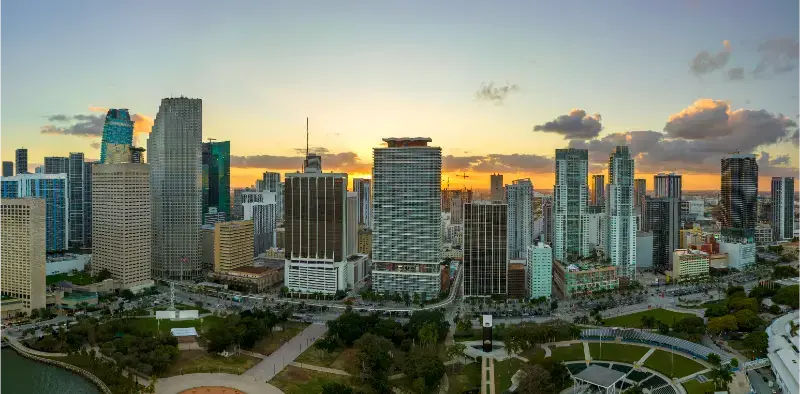
10. Visit Pérez Art Museum Miami or another major museum
On a humid or stormy afternoon, Miami’s museums become more than backup plans. Contemporary art, design, history and science institutions add context to a city that is too often experienced only outdoors.
11. Discover Design District architecture and public art
The Design District is associated with luxury shopping, but its architecture, installations and galleries can make it worthwhile even without shopping. Combine it with nearby neighborhoods rather than treating it as an isolated cross-town excursion.
12. Take a boat trip — but choose the experience you actually want
Miami boat tours range from skyline sightseeing to sandbar outings and private charters. Decide whether your goal is architecture, celebrity-home curiosity, swimming or simply being on Biscayne Bay. The cheapest “boat tour” is not automatically the best match.
13. Spend a quieter beach day in Mid Beach or North Beach
Travelers who find South Beach overwhelming should not conclude that Miami Beach is not for them. Mid Beach can feel more resort-oriented, while North Beach is often calmer. This is especially useful for families and longer stays.
14. Bike or walk the Miami Beach paths
A bike can connect beaches, parks and neighborhoods without the stop-start experience of driving. Use protected or designated routes where possible and take heat seriously. A morning ride is more comfortable than a midday summer ride.
15. Eat your way through the city intentionally
Make food a planned experience. Cuban cuisine belongs in Little Havana or other Cuban communities; Caribbean food reflects the region’s migration history; modern tasting menus and seafood add another layer. One great neighborhood meal often tells you more than a generic “top 10 restaurants” list.
16. Visit Key Biscayne for a change of scale
Key Biscayne gives you beaches, park space and views away from dense urban Miami. It is particularly valuable when the trip needs one low-stimulation day. Transport is easier with a car or rideshare, so group the island into one outing.
17. See Miami after dark without defaulting to a club
Nighttime Miami includes rooftop views, live music, waterfront dining, theater and neighborhood bars, not only large clubs. Choose the evening style that fits your energy and hotel location. A good late-night plan should not require three long rides across the metro area.
18. Take an Everglades day trip
The Everglades is one of the best day trips from Miami because it changes the entire visual language of the vacation. Boardwalks, ranger programs, wildlife viewing and paddling reveal a subtropical wetland system rather than another city attraction.
19. Visit a tropical garden
Miami’s climate supports plant collections that feel dramatically different from gardens in temperate U.S. cities. A garden visit is especially rewarding for travelers interested in palms, orchids, tropical fruit and landscape design, and it offers shade from the urban intensity.
20. Watch sunrise or sunset from the water’s edge
South Beach faces the Atlantic and is naturally strong for sunrise. Biscayne Bay and west-facing waterfronts offer different evening light. Building one sunrise or sunset around location rather than squeezing it between reservations creates a more memorable city experience.
21. Add Coral Gables if you like architecture and calm streets
Coral Gables provides planned-city architecture, leafy streets and restaurants in a setting that feels removed from South Beach. It pairs naturally with Coconut Grove and can be useful on a repeat Miami trip.
22. Use free trolleys strategically
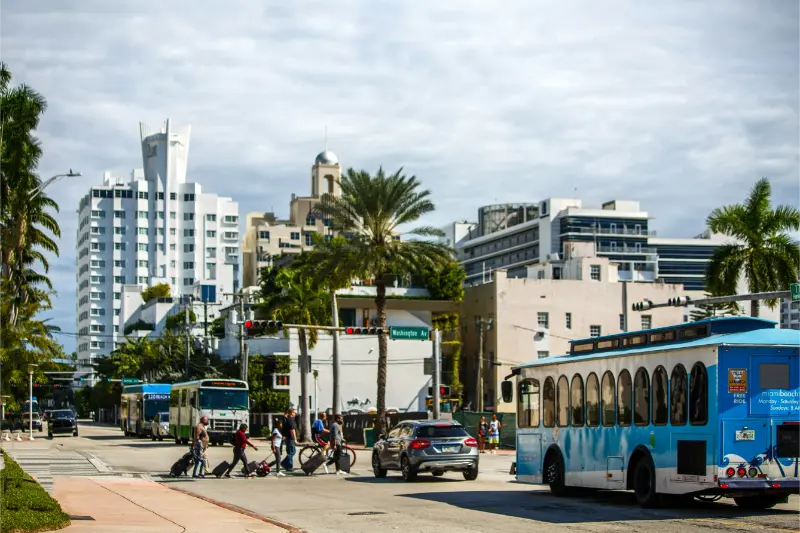
Miami Beach operates free trolley routes, and the City of Miami also has neighborhood trolley services. These systems are useful for certain corridors but should be checked in real time because routes and frequencies can change. They are a supplement, not a reason to book a poorly located hotel.
23. Learn the city through one guided experience
A good guide can add depth where self-guided sightseeing is weakest: Art Deco history, Cuban-American culture, food traditions or the Everglades ecosystem. Choose one guided experience that genuinely teaches you something instead of booking a tour for every day.
24. Leave space for weather
Miami’s subtropical weather rewards flexible days. If storms build, move a museum or long lunch forward and shift beach time later. The city has enough indoor culture that a rainy hour should change the order of the itinerary, not ruin it.
25. Do less, but cross more cultural worlds
The best Miami day is rarely the one with the most pins on a map. A beach morning, Little Havana lunch and Brickell evening can feel more complete than eight rushed attractions because the city changes character around you.
A 48-hour “greatest hits” plan
- Day 1: South Pointe → Art Deco district → beach → Lincoln Road → sunset/dinner.
- Day 2: Little Havana → Wynwood → Downtown/Brickell Metromover → waterfront evening.
What should you skip?
Skip anything that forces two hours of cross-city transport for a short photo stop. Skip restaurants chosen only because they are famous on social media if they do not fit your route. Skip a Key West day trip if it means spending most of the day on a bus. Miami has enough depth that you do not need to escape it every morning.
Useful official resources
- Miami neighborhoods — official destination site
- South Beach official guide
- Miami Metromover
- Miami Beach Trolley
Three extra experiences for curious repeat visitors
- Opa-locka and Miami’s architectural oddities: travelers interested in urban history can explore beyond the most famous Art Deco story, but research current access and guided options first.
- Historic Virginia Key and waterfront spaces: useful for understanding recreation, segregation-era history and the geography around Biscayne Bay.
- A market, food hall or neighborhood bakery morning: everyday food culture can be more revealing than another formal attraction. Choose a place close to the day’s route rather than crossing the entire metro area.
These are not compulsory first-trip sights. They are examples of how Miami rewards curiosity after the headline neighborhoods are covered. A second visit should become narrower and more local, not simply repeat a longer checklist.
Looking for the right place to stay? Compare hotels and accommodation on Booking.com.