

Daytona Beach and New Smyrna Beach are close enough to combine but different enough that choosing the right base matters. Daytona is larger, more famous for motorsports and events, and built to handle big visitor numbers. New Smyrna Beach is smaller, surf-oriented and more connected to a walkable dining/arts scene around Flagler Avenue and Canal Street. Both share one unusual Florida tradition: legal vehicle access on designated sections of Volusia County beaches.
The best trip does not ask “which is better?” in the abstract. It asks whether you want Speedway energy and a larger resort city, or a smaller beach town with surfing and an easier local rhythm.
Daytona vs New Smyrna at a glance
| Category | Daytona Beach | New Smyrna Beach |
|---|---|---|
| Best for | Motorsports, events, larger hotels, classic boardwalk beach | Surfing, small-town feel, restaurants, arts, Canaveral access |
| Walkability | Pockets around beach/boardwalk; car useful overall | Strong around Flagler Ave and Canal St, but car useful regionally |
| Beach driving | Yes in designated sections | Yes in designated sections north of Canaveral seashore |
| Atmosphere | Larger, busier, event-driven | Smaller, creative, surf-town |
| Ideal stay | 2 nights | 2–3 nights |
Daytona Beach: more than the Speedway
Daytona International Speedway is the landmark, and motorsports fans should plan enough time for a tour or event rather than treating the complex as a roadside photograph. But Daytona also has a long beachfront, pier/boardwalk area, riverfront districts and museums. Travelers who are not racing fans can still enjoy the destination; they simply need to choose accommodation away from event intensity if a major race is happening.
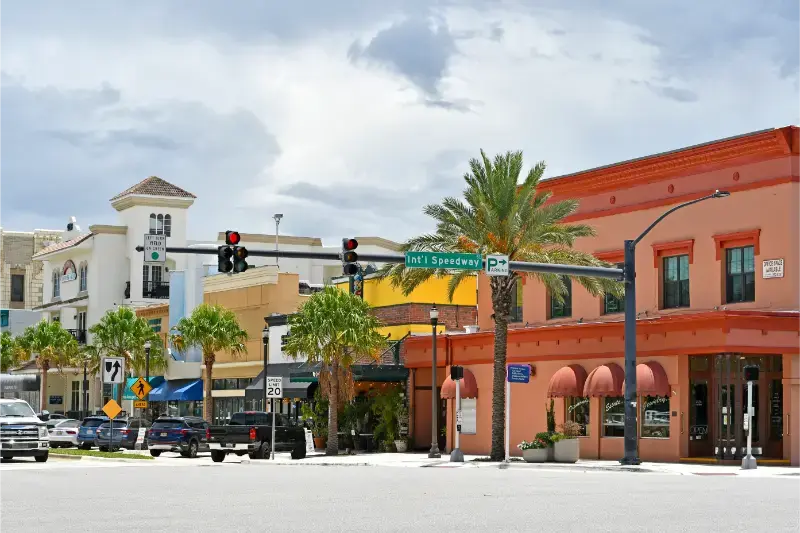
New Smyrna Beach: surf town with an arts side
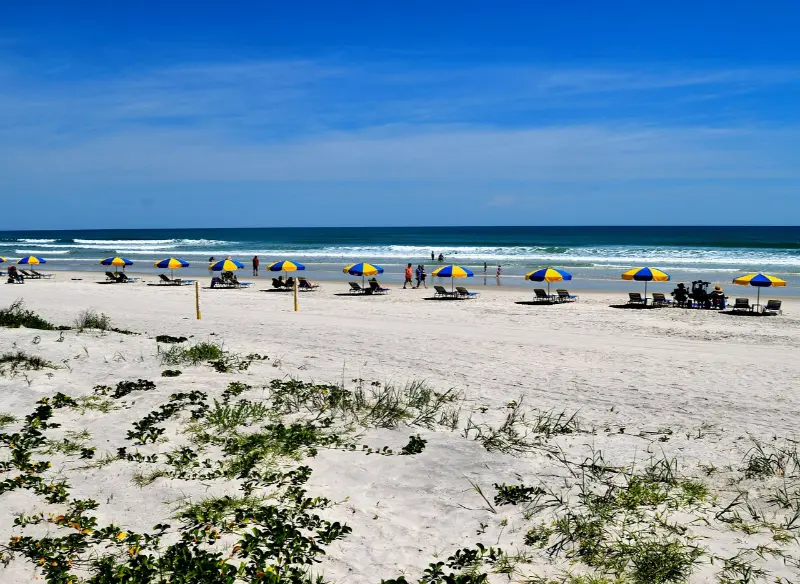
New Smyrna Beach combines a well-known surf culture with restaurants and galleries around Flagler Avenue, Third Avenue and Canal Street. The destination’s official 2026 guide emphasizes beaches, local arts, parks/trails and neighborhood experiences rather than a single mega-attraction. It works especially well for travelers who want two or three nights in one compact Atlantic-coast town.
Beach driving: what visitors need to know
Driving on the beach is a Volusia County tradition, but it is regulated transportation/parking, not a free-for-all. The county limits vehicles to designated zones, access depends on tides, and speed limits are low because pedestrians, children and wildlife share the beach. Current county pricing for nonresident visitors is $30 per day for on-beach driving; seasonal hours generally run 8 a.m.–7 p.m. or sundown from May through October and sunrise-to-sunset in winter months, tides permitting. Check the county page before travel because ramps, prices and closures can change.
Should you actually drive on the beach?
Do it if the tradition itself interests you or if it solves parking for your chosen section. Skip it if the idea of mixing vehicles and beachgoers makes you uncomfortable. Off-beach parking exists, and New Smyrna’s official app/visitor resources provide live parking and ramp-status tools. Never drive outside marked lanes or use the beach as a shortcut.
Canaveral National Seashore from New Smyrna
The Apollo Beach district of Canaveral National Seashore begins south of New Smyrna and gives you a much wilder Atlantic coast. This is the best add-on if you want dunes, lagoons, wildlife and fewer built-up beachfront structures. Vehicle beach driving does not continue into the national seashore. Check NPS hours, fees and launch-related access before you go.
Surfing
New Smyrna has the stronger surf-town identity and consistent breaks, making it attractive for lessons or experienced surfers. Beginners should book an instructor rather than choosing a crowded break by watching experts. Daytona also has surfable conditions, but the trip does not revolve around surf culture in the same way.
Motorsports and event timing
Daytona changes dramatically during major Speedway events and Bike Week periods. Hotel prices, traffic and noise can rise, while fans may consider that the whole point. Check the calendar before booking even if you have zero interest in racing; an accidental event weekend can transform your beach vacation. Conversely, motorsports travelers should book far earlier than normal beach visitors.
Where to stay
Compare available accommodation for your dates, budget and preferred location before you finalize your route.
- Daytona beachfront: best for ocean views and boardwalk access; check resort/parking fees.
- Daytona near Speedway: best for race-focused trips, not for waking up on the beach.
- New Smyrna around Flagler Avenue: best for walkable beach, restaurants and nightlife.
- New Smyrna Intracoastal/Canal Street: best for a quieter historic/arts feel.
Compare accommodation: compare hotels and other stays on Booking.com.
A 3-day combined itinerary
- Day 1: Daytona Speedway or museum morning, beach/boardwalk afternoon, riverfront dinner.
- Day 2: move to New Smyrna, surf/beach morning, Flagler Avenue lunch, Canal Street and sunset.
- Day 3: Canaveral National Seashore / lagoon nature day, or a slow New Smyrna beach day if you prefer not to change pace.
Families: which one is easier?
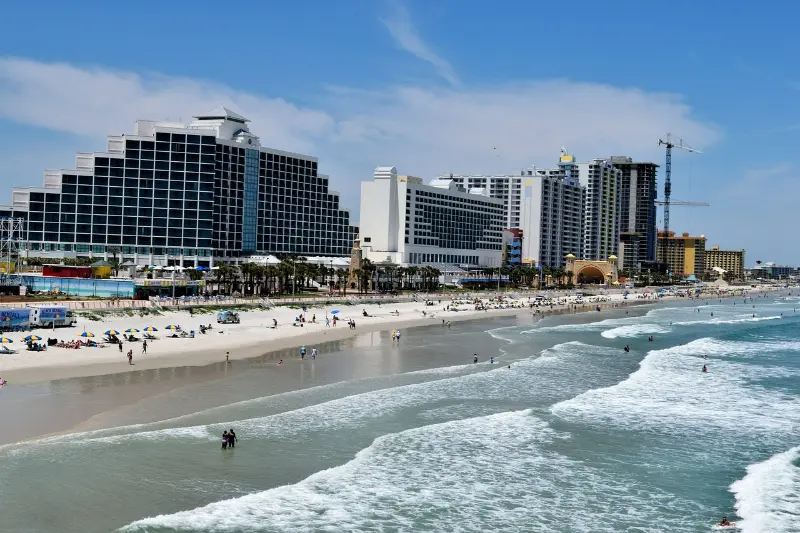
Daytona can be easier for families who want large hotels, pools and a wide menu of classic attractions. New Smyrna can be easier for families who prefer one walkable beach-town base. In either destination, be especially cautious with beach-driving lanes: hold young children close when crossing vehicle areas and use pedestrian-only sections if that feels more comfortable.
Best time to visit
Spring and fall often provide warm weather without midsummer heat, but event calendars can matter more than the season in Daytona. Summer is hot, stormy and popular with beach families. Winter is pleasant for walking and motorsports events but not guaranteed swimming weather. Hurricane-season flexibility remains important through fall.
Daytona/New Smyrna FAQ
- Which has the better beach? Both share the same Atlantic coast; choose by atmosphere and access rather than expecting dramatically different sand.
- Which is better without a car? New Smyrna around Flagler Avenue is the easier compact stay, but regional exploration still benefits from a car.
- Can you see a rocket launch? Often, yes. Coastal Volusia can have good views when launches occur, but schedules change frequently and should never be the only reason for a fixed-date trip.
- Is beach driving safe? It is regulated, but vehicles and pedestrians share space. Follow county rules and use vehicle-free sections if preferred.
- Could you stay in one and day-trip to the other? Absolutely. A split stay is optional, not necessary.
A note on sea turtles and nighttime beaches
Volusia County beaches are important nesting habitat. During nesting season, keep distance from marked nests, never use flash around turtles, fill in holes and remove beach furniture at night where required. Artificial light can disorient hatchlings, so follow local lighting rules. These small behaviors matter more than getting one dramatic wildlife photograph.
Which town works better for a longer stay?
For four or five nights, New Smyrna generally gives non-racing travelers a more layered routine: surfing or beach in the morning, cafés and shops later, and nature at Canaveral. Daytona works better when a Speedway event, larger resort amenities or a family attraction mix is central. A long stay should be built around what you will repeat happily every day, not around the size of the attractions list.
One more planning note
Before departure, confirm opening hours, reservation systems, beach access, parking, weather alerts and any temporary closures with the official destination or park authority. Florida operations can change after storms, construction, wildlife protection measures or seasonal demand. Use this guide to build the structure of the trip, then use current official sources for the final details of your exact dates.
How to make the trip feel less rushed
Leave one block of every two-day stay intentionally unassigned. That time can become a second beach session, a meal you discover locally, a storm delay or simply rest. Travelers often remember the unscheduled sunset or neighborhood walk more vividly than the seventh attraction. Florida is especially suited to this style because weather, tides and heat can reward changing the plan by a few hours.
A final practical rule is to separate “must do” experiences from optional extras before you arrive. Pick one anchor activity for each full day, then let weather, energy and local discoveries decide the rest. This prevents a vacation from becoming a chain of timed reservations and makes it easier to respond to beach conditions, thunderstorms, traffic and family stamina without feeling that the itinerary has failed.
A final practical rule is to separate “must do” experiences from optional extras before you arrive. Pick one anchor activity for each full day, then let weather, energy and local discoveries decide the rest. This prevents a vacation from becoming a chain of timed reservations and makes it easier to respond to beach conditions, thunderstorms, traffic and family stamina without feeling that the itinerary has failed.
A final practical rule is to separate “must do” experiences from optional extras before you arrive. Pick one anchor activity for each full day, then let weather, energy and local discoveries decide the rest. This prevents a vacation from becoming a chain of timed reservations and makes it easier to respond to beach conditions, thunderstorms, traffic and family stamina without feeling that the itinerary has failed.
A final practical rule is to separate “must do” experiences from optional extras before you arrive. Pick one anchor activity for each full day, then let weather, energy and local discoveries decide the rest. This prevents a vacation from becoming a chain of timed reservations and makes it easier to respond to beach conditions, thunderstorms, traffic and family stamina without feeling that the itinerary has failed.