

Destinations › West › Nevada travel guide › Best Time to Visit Nevada: Weather, Seasons & Month-by-Month Guide
There is no single best time to visit Nevada because the state stretches from low desert to alpine terrain. Las Vegas, Lake Tahoe and Great Basin can experience completely different conditions on the same date. The correct season depends on the route, not the state name.
For most first-time southern Nevada trips, spring and fall offer the easiest balance. For Tahoe and high-elevation hiking, summer is more dependable. Winter works for Las Vegas city time and Sierra snow trips, but not for an unrestricted statewide road trip.
At a glance
| Trip type | Best broad period |
| Las Vegas city break | March–April and October–November |
| Valley of Fire hiking | Late fall through early spring, subject to conditions |
| Lake Tahoe beaches | July–September |
| Lake Tahoe snow | Winter, with storm flexibility |
| Great Basin hiking | Summer to early fall |
| Statewide road trip | Late spring or early fall after checking heat and snow |
Nevada month by month
January
Las Vegas often offers cool sightseeing weather, though nights can feel cold. Lake Tahoe is in winter mode, and Sierra travel may require chains or experience with snow. Remote Nevada days are short, so avoid optimistic driving plans.
February
Conditions remain wintery in the north and high country. Southern Nevada can be pleasant for city exploration and lower-elevation hikes, but cold fronts and wind still occur. Holiday weekends raise prices in several destinations.
March
Spring begins to improve southern Nevada hiking, while Tahoe may still be fully snowy. Las Vegas crowds and rates can rise around major events and school breaks. Build flexibility into any route crossing mountain passes.
April
April is one of the best months for Las Vegas, Red Rock Canyon and Valley of Fire. Wildflowers are possible but never guaranteed. Great Basin’s higher roads may remain limited, so this is not automatically a full-state season.
May
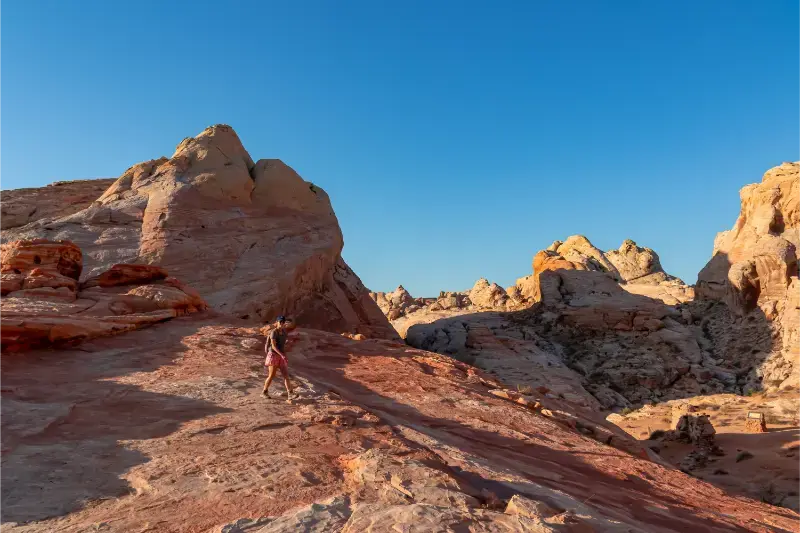
May can connect more regions, but heat arrives quickly in the Mojave. Many Valley of Fire trails close annually beginning May 15. Tahoe’s shoulder season may bring lower rates alongside cold water and partial trail access.
June
High-elevation access improves as snow melts, yet conditions vary by year. Las Vegas and southern parks become extremely hot. Move outdoor activity to early morning and do not plan exposed desert hikes simply because the itinerary says so.
July
July favors Lake Tahoe and higher Great Basin terrain, though thunderstorms, wildfire smoke or crowded weekends may affect plans. Las Vegas heat is serious; city attractions, pools and early starts should replace long midday walks.
August
The pattern resembles July: mountain destinations are attractive, southern desert hiking is limited and monsoon storms can create flash-flood hazards. Check air quality and road alerts, especially on a long road trip.
September
September is a transition month. Tahoe can remain warm early, Great Basin is often excellent, and southern Nevada gradually becomes more manageable. It is one of the best candidates for a statewide route, but heat can persist.
October
October is excellent for southern Nevada and often beautiful around Tahoe early in the month. Red Rock Canyon timed-entry requirements begin October 1 for specified daytime hours. Snow can arrive in the mountains without respecting vacation plans.
November
Las Vegas, Valley of Fire and Red Rock Canyon often have comfortable daytime conditions, while northern Nevada shifts toward winter. Thanksgiving travel affects prices and attraction hours, so confirm schedules.

December
December supports holiday Las Vegas and snow-focused Tahoe trips. Daylight is limited, nights are cold and remote-road services can be sparse. Keep city and winter itineraries regional rather than forcing a statewide loop.
Practical planning advice
Spring: best for southern Nevada
March and April are popular because daytime conditions often support walking and desert hikes. Reserve Las Vegas hotels around major events and obtain Red Rock timed entry when required. Great Basin and Tahoe may still have snow limitations.
Summer: move uphill
Summer is the season for Lake Tahoe, high Great Basin routes and mountain trails. It is not the season for casual midday hiking near Las Vegas. Valley of Fire closes many trails from May 15 through September 30 because of heat danger.
Fall: strongest all-round compromise
Late September and October can connect mountain and desert regions, although early snow or lingering heat remain possible. This is often the best window for the Nevada road trip itinerary because more elevations may be usable.
Winter: choose a clear purpose
A winter trip should be either southern Nevada-focused or built around Tahoe snow. Combining the two creates weather and driving uncertainty. Always carry the equipment required by current road controls.
Crowds and prices are event-driven
Las Vegas rates may jump because of conventions, sports or festivals even outside traditional holidays. Tahoe pricing responds to snow, weekends and summer demand. Search exact dates before deciding one month is universally cheap.
Wildfire smoke and flash floods
Summer and early fall can bring smoke in western Nevada and thunderstorms in desert terrain. Never enter a wash or slot-like area when storms threaten, even if rain is not falling at the trailhead.
Frequently asked questions
What is the best month for Las Vegas and parks?
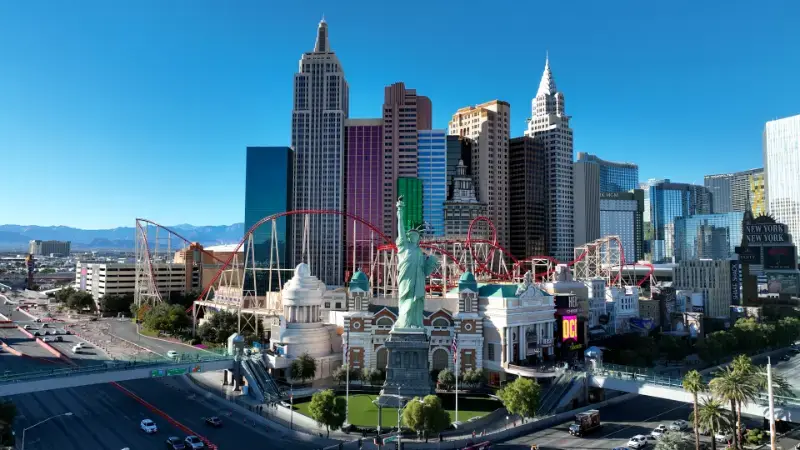
April and October are strong choices, but each has crowd and weather variables. Check event calendars and timed-entry requirements.
When is Nevada too hot?
Lower southern Nevada is often dangerously hot from late spring through early fall, especially at midday. Heat tolerance does not eliminate physiological risk.
Can I visit Lake Tahoe and Las Vegas in one trip?
Yes, but late spring or early fall offers the best chance of avoiding the extremes. Allow several days for the journey rather than treating it as a short transfer.
When is Nevada cheapest?
There is no universal low season. Las Vegas is driven by events and weekdays, Tahoe by snow and summer, and remote towns by limited supply.
Does Nevada get snow?
Yes. Lake Tahoe, the Sierra, Great Basin and many passes receive significant snow. Even desert valleys can experience cold, wind and occasional winter weather.
Turn priorities into a daily route
Start with January and February as geographic anchors rather than isolated checklist items. Put the more time-sensitive experience first, then place meals, parking and flexible stops around it. This approach leaves room for delays without sacrificing the main reason for the day. It also prevents a common Nevada mistake: accepting every apparently short detour without considering heat, one-way roads, resort walking time or the long return to the hotel.
Allow a realistic time buffer
Maps describe distance, not the complete experience of March or April. Parking searches, visitor-center stops, security, photographs and weather checks all use time. Add a buffer before any fixed reservation and avoid scheduling a nonrefundable evening immediately after a remote drive. If the day runs early, the spare time becomes a relaxed meal or viewpoint; if it runs late, the itinerary remains recoverable instead of turning into a sequence of missed bookings.
Check reservations in the correct order
Reserve scarce or regulated experiences before arranging the flexible parts of this best time to visit Nevada plan. A cave tour, timed-entry window, headline show or limited hotel should determine the day; a scenic stop with broad access can move around it. Recheck confirmation emails for arrival instructions, parking and cancellation deadlines. Save essential documents offline because mobile coverage can weaken outside urban areas, and never assume that an entrance pass automatically includes a timed reservation or guided activity.
Build the budget from the total cost
The true price of this trip is not only admission. Include accommodation taxes and fees, parking, fuel, meals, tips, reservation charges and the cost of moving between areas. A cheaper room can become expensive when it creates several rides each day, while a rental car can be wasteful during a Strip-only stay but essential for remote Nevada. Compare the complete daily cost and the time saved, then spend more only where location, flexibility or a meaningful experience clearly improves the trip.
Prepare for Nevada distances
Before leaving a major base, confirm the next fuel stop, food option and arrival window. Keep water available in the passenger area, not buried under luggage, and download the route. On remote roads, a weak signal is normal rather than an emergency, but it becomes dangerous when travelers have not shared their plan or checked the vehicle. Avoid driving tired after sunset merely to preserve an overfilled schedule; removing one stop is always cheaper than turning a vacation into a roadside problem.
Use weather as a decision tool
Nevada weather must be read by elevation and activity. A forecast for Las Vegas does not describe Lake Tahoe or Great Basin, and an acceptable city temperature may still be unsafe on exposed sandstone. Check hourly heat, wind, thunderstorms, air quality and overnight lows. Move outdoor time earlier, shorten the route or replace it with an indoor activity when conditions deteriorate. Flexibility is not a failure of planning here; it is the skill that makes a desert-and-mountain itinerary work.
Plan for different mobility and energy levels
A mixed group should choose the day around the least mobile or least heat-tolerant traveler. Provide seated breaks, accessible alternatives and a clear meeting point instead of pressuring everyone into the same trail or resort walk. Short scenic stops can be combined with one carefully selected longer activity. Confirm accessibility directly with official sites and venues because terrain, elevators, construction and shuttle operations can change. A smaller shared plan is usually more enjoyable than separating repeatedly to chase a longer list.
Continue planning your Nevada trip
Use the Nevada travel guide as the main state hub, then compare best things to do in Nevada, best places to visit in Nevada, best time to visit Nevada and where to stay in Nevada. For a city-focused trip, continue with the Las Vegas travel guide.
Looking for the right place to stay? Compare Nevada hotels and accommodation on Booking.com.