

Destinations › Southeast USA › Tennessee travel guide › Memphis Travel Guide: Music, Civil Rights, Barbecue & Riverfront
Memphis is a city where the stories are physically close but emotionally large. Beale Street, the Mississippi River, the National Civil Rights Museum, Sun Studio, Stax and Graceland can appear like a list of attractions, yet each represents a different part of American history. The strongest trip gives those places enough time instead of turning them into photo stops.
Three nights is a useful first-visit target because it allows one day around Downtown and South Main, one day for music sites farther south and east, and one looser day for neighborhoods, food and the river. A car is not necessary every hour, but it is useful for connecting Graceland, Stax, Midtown and destinations away from the trolley corridor.
At a glance
| Ideal first stay | 3 nights |
| Best for | Music history, civil-rights history, food and riverfront |
| Best central base | Downtown / South Main |
| Car strategy | Useful for Graceland, Stax and Midtown |
| Big planning mistake | Trying to see Graceland, civil-rights history and every music museum in one day |
Choose the right part of the city
Downtown
Best for first-time convenience: Beale Street, the riverfront, FedExForum and several museums are close. Choose your block carefully if late-night noise matters.
South Main
Boutique hotels, the National Civil Rights Museum, galleries and restaurants make this a compelling base with more texture than the busiest part of Beale Street.
Midtown
Overton Square, Cooper-Young, Overton Park and Crosstown are spread across a broader area. Stay here for neighborhood dining and nightlife rather than maximum tourist convenience.
East Memphis
A practical choice for business trips, quieter nights and some family travel. It is less atmospheric for a first visit focused on historic attractions.
Graceland / airport area
Convenient when Elvis is the main purpose or for a short airport stopover, but less useful as the only base for a broader Memphis trip.
Experiences that make the trip stronger
Give the National Civil Rights Museum real time
The museum occupies the Lorraine Motel site and extends far beyond one event. Rushing through it between music attractions undermines the experience; plan a substantial block and a calmer meal or river walk afterward.
Connect Sun Studio and Stax instead of treating them as rivals
Sun helps explain a pivotal recording era; Stax tells the soul-music story and the people and neighborhood around it. Visiting both shows how different institutions and communities shaped American music.
Use Beale Street as a live district, not a history museum
The street has deep history, but the current experience is nightlife, live music and entertainment. Pair it with museums and South Main if you want historical context.
Eat barbecue without turning the trip into a ranking contest
Memphis barbecue includes different traditions, sauces, cuts and institutions. Choose one classic place, one neighborhood favorite and perhaps a non-barbecue meal so the food story stays broader than one dish.

Make the Mississippi River part of the trip
Tom Lee Park, riverfront paths and viewpoints slow the pace and place Memphis geographically. The river is not just a backdrop; it helps explain trade, movement and the city’s development.
A realistic itinerary
Day 1: Downtown and South Main
National Civil Rights Museum, South Main, riverfront, then Beale Street after dinner.
Day 2: Music foundations
Sun Studio, Stax Museum and another music stop chosen by interest; keep travel time between neighborhoods realistic.
Day 3: Graceland plus neighborhood Memphis

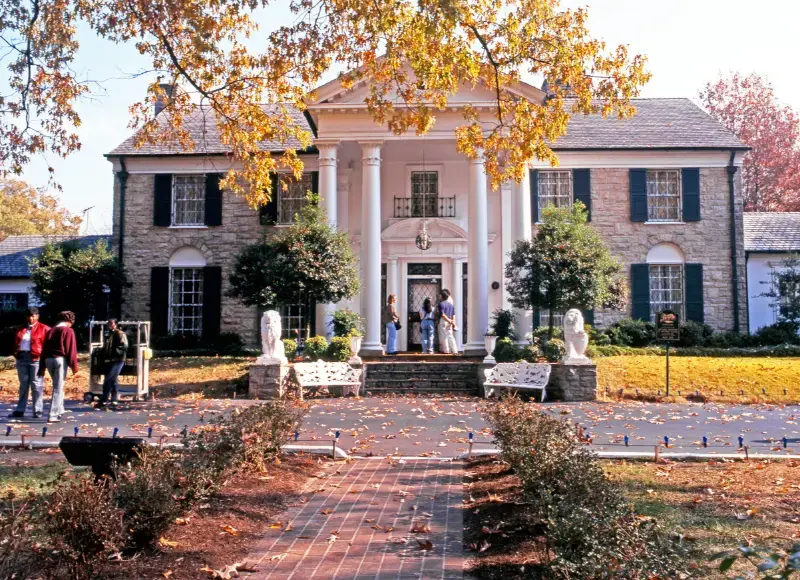
Use a timed Graceland visit, then spend the remaining half-day in Cooper-Young, Overton Square or Crosstown rather than forcing more museums.
Extra half-day
Add the Memphis Zoo, a longer riverfront session, a food crawl or a performance rather than repeating the same tourism corridor.
Transport, parking and daily rhythm
Downtown and South Main work well on foot and trolley for part of the trip, but Graceland, Stax and many Midtown destinations make a car or rideshare useful. Do not judge driving time only by distance; parking, museum entry windows and meal stops create the real schedule.
At night, choose transport based on the exact district and your comfort level. If you drink, use a rideshare rather than moving the car between entertainment zones.
When to go
Spring and fall are usually the easiest seasons for long walking days, while summer brings heat, humidity and a busier event calendar. Winter can offer lower accommodation pressure outside holidays, though daylight is shorter. The best dates are often determined by the specific performance, festival or outdoor activity you care about, so check that calendar before choosing flights.
Mistakes that weaken an otherwise good trip
- Treating the National Civil Rights Museum as a quick add-on between entertainment stops.
- Staying far from Downtown without budgeting for repeated rideshares or parking.
- Eating every meal on Beale Street and missing Midtown or South Main restaurants.
- Assuming music history ends with Elvis; Memphis blues, soul, gospel and contemporary scenes are broader.
Frequently asked questions
How many days do you need in Memphis?
For a first visit, two to four nights usually allow the major experiences without turning every day into a race. Add a night if live performances, museums or outdoor activities are central because those are difficult to compress.
Do you need a car?
Not every day. A central hotel can reduce driving, but several important attractions sit outside the walkable core. Compare the cost of hotel parking, rental days and rideshares before assuming one option is always cheaper.
Is this a good family destination?
Yes, if the itinerary is built around age and stamina rather than adult nightlife. Choose one major attraction per half-day, protect meal breaks and leave an easy backup for weather or fatigue.
Continue planning Tennessee
Use these connected guides to turn this topic into a realistic route instead of planning each stop in isolation.
- Best Things to Do in Memphis: 25 Essential and Less-Obvious Stops
- Where to Stay in Memphis: Downtown, South Main, Midtown or East Memphis?
- Memphis Music Guide: Blues, Soul, Sun Studio, Stax & Beale Street
- Nashville to Memphis Road Trip: Music, Small Towns & Better Stops
- Best Time to Visit Tennessee: Weather, Crowds, Music & Mountain Seasons
- Tennessee Travel Guide: Nashville, Memphis & Smoky Mountains
Compare accommodation before you lock the route
Compare available accommodation for your dates, budget and preferred location before you finalize your route.
Affiliate disclosure: we may earn a commission from qualifying bookings at no extra cost to you. Compare Downtown Memphis hotels, South Main stays and Midtown Memphis hotels. Check the final total, parking fees, resort or destination charges, exact location and cancellation terms before booking.
Useful official resources
Rules, closures, schedules and operating procedures can change. Before a time-sensitive visit, check the official source rather than relying on an old screenshot or social-media post.
Planning details that experienced travelers notice
Plan by energy, not only by distance
A map can make Memphis look compact, but a good day is limited by parking, entry lines, meals, heat, hills and the amount of concentration a museum or historic site deserves. Put the most important experience first, then add one nearby secondary stop and a flexible meal. This keeps the day useful when traffic or weather changes.
Use mornings and evenings differently
Mornings are often best for popular outdoor areas, museums with lighter first-hour crowds and neighborhood walks before heat. Evenings are better for live music, food and city atmosphere. In Memphis, avoid spending the best morning hours moving luggage or searching for parking when a simple route change can protect them.
Build a weather backup in the same area
A backup only works when it does not require a long cross-city or cross-state drive. Pair an outdoor priority with an indoor museum, food hall, visitor center or cultural stop nearby. When weather improves, you can return to the original plan without losing another hour to transport.
Check accessibility at the exact attraction
Historic buildings, mountain paths, observation decks and older music venues can have very different accessibility. Travelers with mobility, sensory or stamina needs should verify parking, elevators, seating, restrooms and surface conditions directly with the operator before arrival.
Protect the trip from event-day surprises
Sporting events, concerts, festivals and conventions can change hotel rates, parking and traffic far beyond the venue. Check the local calendar before booking a nonrefundable room, and on event days keep dining and parking plans close to the neighborhood where you already are.
Travel with cultural context
Many Tennessee attractions deal with living music traditions, Indigenous history, civil-rights history, slavery, migration and communities that still live around visitor districts. Read interpretation, follow photography rules and resist turning serious historic places into backdrops. Context is part of the experience, not an obstacle to fun.
Know when to stop adding reservations
A fully reserved day has no recovery space. One delayed tour can create missed meals and late arrivals for everything after it. Reserve the scarce experience, then keep at least one block open for discovery, rest or a schedule change. This is especially valuable on road trips and mountain days.
Finish each day close to your base
Late in the day, convenience becomes more valuable. Instead of driving across Memphis for one famous restaurant, choose a strong option near the hotel or final attraction. The saved transport time often becomes a better walk, an extra music set or simply the sleep needed for the next morning.