

Destinations › Southeast USA › Tennessee travel guide › Best Things to Do in Memphis: 25 Essential and Less-Obvious Stops
A list of the best things to do in Memphis is only useful when it also tells you what to skip, what to combine and how much of a day each experience consumes. The selections below are organized to help you build coherent days rather than collect attractions at random.
The strongest first visit to Memphis mixes headline landmarks with at least one neighborhood, one slower cultural stop and an evening chosen for the actual event calendar. That balance gives the city depth without requiring a week.
25 experiences worth considering
1. National Civil Rights Museum
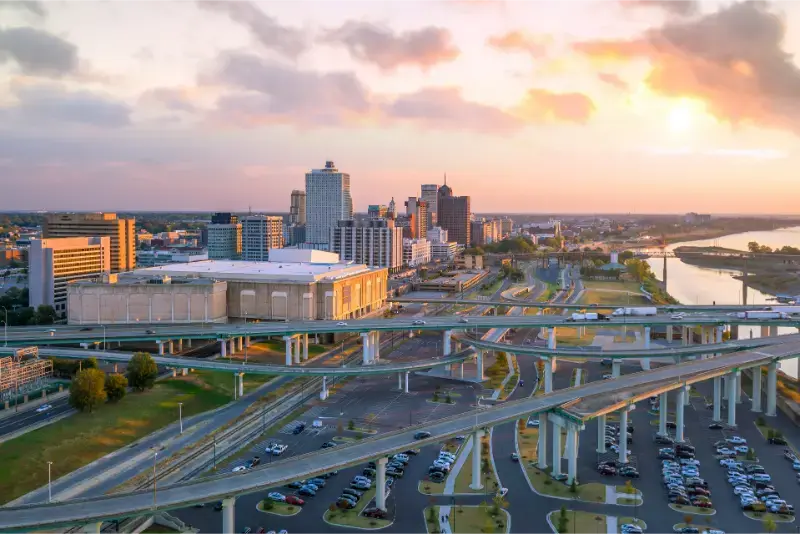
This is one of the city’s essential visits. It occupies the Lorraine Motel site and presents a much larger civil-rights story. Give it a substantial block and do not schedule it as a rushed stop before nightlife.
2. Stax Museum of American Soul Music
The museum explains the label, musicians, neighborhood and interracial creative environment that shaped Southern soul. It pairs naturally with other music-history sites but deserves its own time.
3. Sun Studio
A compact studio visit connects blues, country and early rock recording history. Tours are guided, so plan around the schedule rather than arriving whenever convenient.
4. Graceland
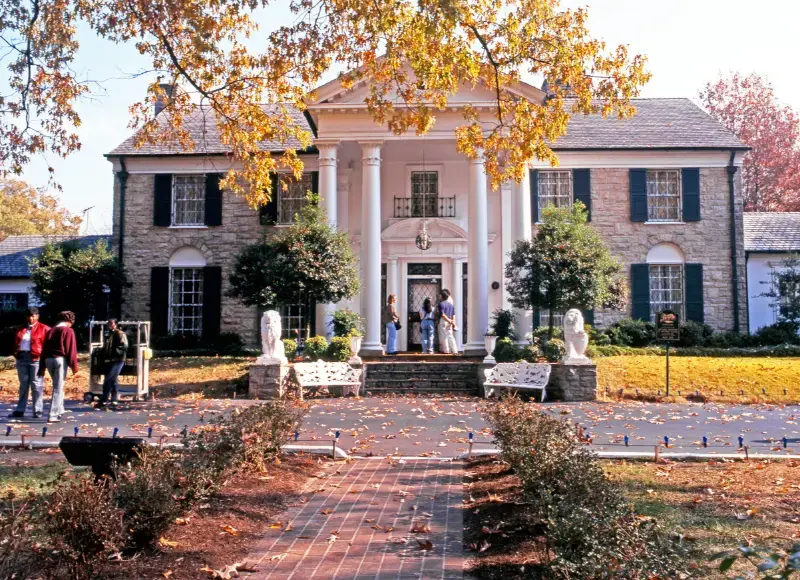
Go if Elvis, popular culture or music history matters to you. The complex can occupy much of a day depending on the ticket. Do not assume it is a quick mansion tour.
5. Beale Street
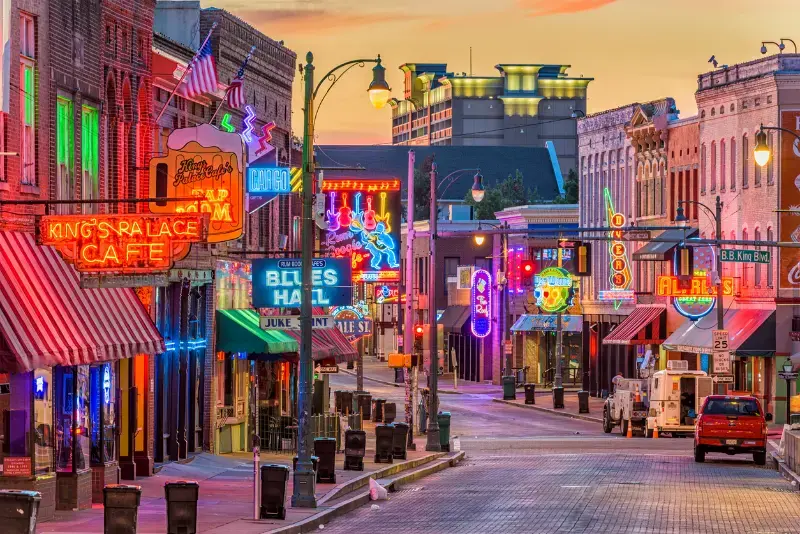
Experience it as an entertainment district with live music and neon, while remembering its cultural history runs deeper than the present-day bar scene.
6. Memphis Rock ’n’ Soul Museum
A useful downtown overview that connects rural roots, race, technology and the rise of Memphis music. It can prepare visitors for more specialized museums.
7. Blues Hall of Fame
A focused stop for listeners who want artist history beyond the names most heavily marketed to tourists.
8. South Main Arts District
Combine galleries, food, historic architecture and the civil-rights museum in one walkable district rather than driving between isolated stops.
9. Tom Lee Park and the riverfront
Use the Mississippi as part of the itinerary. The park offers space, views and a reset after dense museum visits.
10. Big River Crossing
Walking or cycling over the Mississippi provides scale and a state-line experience that feels completely different from Beale Street.
11. Cooper-Young
Restaurants, bars, shops and historic homes make this a good evening when you want neighborhood Memphis rather than the downtown tourist corridor.
12. Overton Square
The performing-arts district works for dinner, theater and a more local night out, with Overton Park nearby.
13. Overton Park
Green space, cultural institutions and the Overton Park Shell make this a useful daytime or event-based stop.
14. Memphis Zoo
A serious family attraction that can anchor a half-day. Pair it with Midtown rather than downtown museums.
15. Crosstown Concourse
The transformed former Sears complex contains food, arts and community spaces. It shows contemporary Memphis reinvention rather than heritage tourism alone.
16. Bass Pro Shops at the Pyramid observation experience
The giant pyramid is visually impossible to miss. Even travelers uninterested in shopping may value the unusual architecture and elevated river views.
17. Slave Haven / Underground Railroad history
Historic interpretation beyond the major museum can add depth. Verify tour schedules directly because smaller sites often have limited operating days.
18. A classic barbecue meal
Memphis barbecue deserves at least one dedicated meal, but avoid spending the trip arguing over a single best restaurant. Different places emphasize ribs, pulled pork, dry rub, wet sauce and old-school atmosphere.
19. A soul-food or Southern lunch
Broaden the food plan beyond barbecue. Neighborhood restaurants can add vegetables, fried catfish, cornbread and other regional traditions.
20. A live blues set
Check current calendars rather than assuming every club is playing blues every night. The quality of the experience depends on the actual performer.
21. Riverboat or river experience
A cruise can provide geographic and historical perspective, but weather and season matter. Compare it with a simple riverfront walk if time is limited.
22. Elmwood Cemetery
A guided or self-guided historical visit can reveal local stories and architecture. Treat it as a place of burial first and an attraction second.
23. Metal Museum
This specialized museum overlooking the river rewards art and craft travelers who want something genuinely different from the main tourism circuit.
24. Victorian Village
Historic architecture offers a short detour for visitors interested in 19th-century Memphis, especially when linked to nearby downtown stops.
25. A Grizzlies game or local performance
When schedules align, a live sporting or performing-arts event adds contemporary Memphis to a trip that might otherwise focus almost entirely on history.
How to turn the list into a plan
For three days, use one Downtown/South Main day, one music-history day around Stax, Sun and related sites, and one Graceland-plus-neighborhood day. The National Civil Rights Museum deserves a substantial block rather than a rushed opening-hour slot.
What to book in advance
Book only the pieces that truly have capacity limits or that define your day: major performances, timed tours, high-demand lodging and any park or attraction reservation currently required. Keep meals and secondary stops flexible so delays do not cascade through the itinerary.
Frequently asked questions
Can you do the highlights in one day?
You can sample a destination in one day, but you cannot experience its strongest mix of history, neighborhoods and evening culture without rushing. Prioritize two or three anchors and leave the rest for another trip.
What should first-time visitors skip?
Skip anything chosen only because it appears on every checklist but does not match your interests. A smaller number of well-paced experiences usually creates a better trip than maximizing attraction count.
Continue planning Tennessee
Use these connected guides to turn this topic into a realistic route instead of planning each stop in isolation.
- Memphis Travel Guide: Music, Civil Rights, Barbecue & Riverfront
- Where to Stay in Memphis: Downtown, South Main, Midtown or East Memphis?
- Memphis Music Guide: Blues, Soul, Sun Studio, Stax & Beale Street
- Nashville to Memphis Road Trip: Music, Small Towns & Better Stops
- Tennessee Road Trip: A Realistic 10-Day Nashville-to-Smokies Route
- Tennessee Travel Guide: Nashville, Memphis & Smoky Mountains
Compare accommodation before you lock the route
Compare available accommodation for your dates, budget and preferred location before you finalize your route.
Affiliate disclosure: we may earn a commission from qualifying bookings at no extra cost to you. Compare Downtown Memphis hotels, Cooper-Young area stays and East Memphis hotels. Check the final total, parking fees, resort or destination charges, exact location and cancellation terms before booking.
Useful official resources
Rules, closures, schedules and operating procedures can change. Before a time-sensitive visit, check the official source rather than relying on an old screenshot or social-media post.
Planning details that experienced travelers notice
Plan by energy, not only by distance
A map can make Memphis look compact, but a good day is limited by parking, entry lines, meals, heat, hills and the amount of concentration a museum or historic site deserves. Put the most important experience first, then add one nearby secondary stop and a flexible meal. This keeps the day useful when traffic or weather changes.
Use mornings and evenings differently
Mornings are often best for popular outdoor areas, museums with lighter first-hour crowds and neighborhood walks before heat. Evenings are better for live music, food and city atmosphere. In Memphis, avoid spending the best morning hours moving luggage or searching for parking when a simple route change can protect them.
Build a weather backup in the same area
A backup only works when it does not require a long cross-city or cross-state drive. Pair an outdoor priority with an indoor museum, food hall, visitor center or cultural stop nearby. When weather improves, you can return to the original plan without losing another hour to transport.
Check accessibility at the exact attraction
Historic buildings, mountain paths, observation decks and older music venues can have very different accessibility. Travelers with mobility, sensory or stamina needs should verify parking, elevators, seating, restrooms and surface conditions directly with the operator before arrival.
Protect the trip from event-day surprises
Sporting events, concerts, festivals and conventions can change hotel rates, parking and traffic far beyond the venue. Check the local calendar before booking a nonrefundable room, and on event days keep dining and parking plans close to the neighborhood where you already are.
Travel with cultural context
Many Tennessee attractions deal with living music traditions, Indigenous history, civil-rights history, slavery, migration and communities that still live around visitor districts. Read interpretation, follow photography rules and resist turning serious historic places into backdrops. Context is part of the experience, not an obstacle to fun.
Know when to stop adding reservations
A fully reserved day has no recovery space. One delayed tour can create missed meals and late arrivals for everything after it. Reserve the scarce experience, then keep at least one block open for discovery, rest or a schedule change. This is especially valuable on road trips and mountain days.
Finish each day close to your base
Late in the day, convenience becomes more valuable. Instead of driving across Memphis for one famous restaurant, choose a strong option near the hotel or final attraction. The saved transport time often becomes a better walk, an extra music set or simply the sleep needed for the next morning.