

Destinations › Southeast USA › Georgia travel guide › Best Things to Do in Atlanta: 25 Experiences Worth Your Time
The best things to do in Atlanta are not all in one sightseeing district. A strong first trip combines nationally important history, large headline attractions and neighborhoods where the city feels lived in. This list is deliberately organized by experience and geography rather than pretending that every attraction deserves the same amount of time.
You do not need to do all 25. Choose five or six anchors for a three-day visit, then leave space for meals, walking and the kind of discovery that never appears on a ticket confirmation. Atlanta rewards depth more than speed, especially when traffic and summer heat make overpacked schedules collapse by mid-afternoon.
1. Spend a serious morning at the Martin Luther King, Jr. National Historical Park
This is one of Atlanta’s essential experiences. Begin at the NPS visitor center, then explore the historic district and Ebenezer Baptist Church. Current NPS information lists the main visitor facilities as open daily 9 a.m.–5 p.m. and entrance as free, although access to specific buildings can vary. The important part is not the cost or the photo opportunity; it is giving the site enough time to connect biography, community and national history.
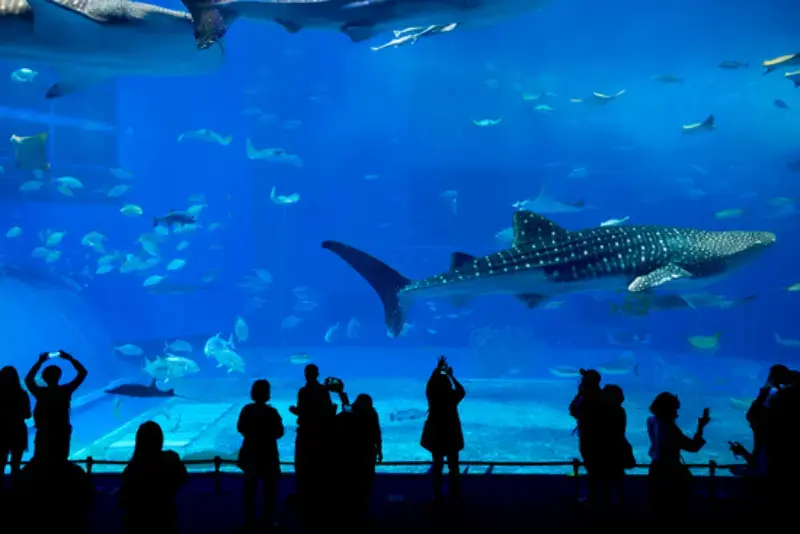
2. Give Georgia Aquarium enough time
Georgia Aquarium is a major half-day attraction rather than a quick indoor stop. The aquarium itself recommends roughly three to four hours for a typical visit. Ticket pricing varies by date and demand, and dolphin or sea lion presentations can require same-day reservations because seating is limited. Families should check current presentation schedules early and avoid stacking another large museum immediately afterward.
3. Walk the Eastside Trail of the Atlanta BeltLine
The BeltLine shows a contemporary side of Atlanta that a Downtown-only itinerary misses. Walk a practical section rather than trying to “complete” it. The Eastside Trail links parks, public art, food and several popular neighborhoods. Start around Old Fourth Ward or Ponce City Market and continue toward Inman Park depending on weather and energy.
4. Explore Ponce City Market without making it only a food-hall stop
The market occupies a landmark former Sears building beside the BeltLine. It is useful as a meal stop, but its location is the larger advantage: it can anchor a neighborhood walk that includes Old Fourth Ward, nearby parks and BeltLine segments. Visit at an off-peak hour if crowds matter more to you than atmosphere.
5. Use Piedmont Park as an actual break
Piedmont Park gives an Atlanta itinerary breathing room. Rather than treating it as a box to check, use it between indoor attractions, for a morning walk or as a place to slow down before dinner. It also helps visitors understand Midtown’s residential and recreational side.
6. Visit the Atlanta Botanical Garden
Next to Piedmont Park, the garden works especially well for travelers who need an outdoor experience that does not involve leaving the city. Seasonal displays and event schedules change, so check current hours and ticketing. In hot months, earlier time slots are usually more comfortable than exposed midday walking.
7. See the High Museum of Art
The High Museum is the strongest anchor for an art-focused Midtown day. It can be paired with nearby architecture and cultural institutions without crossing the city. Museum travelers should resist the temptation to use it as a one-hour stop simply because another attraction appears close on the map.
8. Walk Auburn Avenue with context
Auburn Avenue is central to Atlanta’s Black history and business history. Connect the King historic district with the Sweet Auburn area and read what the buildings represent rather than approaching the corridor as a collection of photo stops. Guided interpretation can add value if history is one of your main reasons for visiting.
9. Eat your way through a neighborhood, not a “Southern food checklist”
Atlanta’s food identity is broader than one cuisine. The city’s size, immigration patterns and Black culinary traditions support everything from classic Southern cooking to international restaurants and chef-driven dining. Choose an area—Buford Highway for breadth, West End for local institutions, or one of the central neighborhoods for walkability—and let the meal anchor the evening.
10. Visit the National Center for Civil and Human Rights
This museum complements the King historic district by extending the conversation into broader civil and human rights themes. Because exhibitions and operating arrangements can change, verify the current visitor schedule before building the day around it. Pairing the museum with other Downtown attractions is geographically efficient, but the subject deserves mental space rather than becoming the third heavy museum of the day.
11. Experience World of Coca-Cola if the subject genuinely interests you
The attraction is directly beside the Downtown cluster and is easy to combine with Georgia Aquarium. It is particularly popular with families and brand-history enthusiasts. Travelers with limited time should choose it because they are interested, not because every Atlanta list includes it; the city offers many experiences with deeper local context.
12. See a game or tour a major sports venue
Atlanta supports professional football, baseball, basketball and soccer, plus major college and event culture. A live game can be more memorable than another museum, but transport and event traffic should shape the rest of the day. For Downtown stadium events, transit can be far easier than searching for last-minute parking.
13. Explore Inman Park
Inman Park combines historic residential streets, restaurants and easy BeltLine access. It works well after an active day because you can walk without needing another major attraction. The point is atmosphere: architecture, streetscape and dinner rather than a checklist.
14. Walk through Oakland Cemetery
Historic cemeteries can reveal a city’s social history, landscape design and changing memorial traditions. Oakland Cemetery is especially useful for visitors who enjoy architecture and history. Check current tour offerings and respect active memorial spaces rather than treating monuments as props.
15. Spend time in Little Five Points
For a less polished, more alternative neighborhood stop, Little Five Points offers shops, music connections and a different street character from Midtown or Buckhead. It is best used as part of a broader east-side day rather than a special cross-town trip for one photograph.
16. Explore Atlanta’s music history
Atlanta’s impact spans hip-hop, R&B, gospel, indie rock and more. There is no single museum that captures the whole story, which is precisely why music-focused visitors should plan by venues, neighborhoods, record shops and live calendars. A concert night can be the anchor around which the rest of that day is built.
17. Visit Atlanta History Center
In Buckhead, Atlanta History Center is a strong choice for visitors who want broader regional context beyond the civil-rights landmarks. Because Buckhead is north of the central sightseeing core, combine it with other north-side interests rather than shuttling back to Downtown immediately afterward.
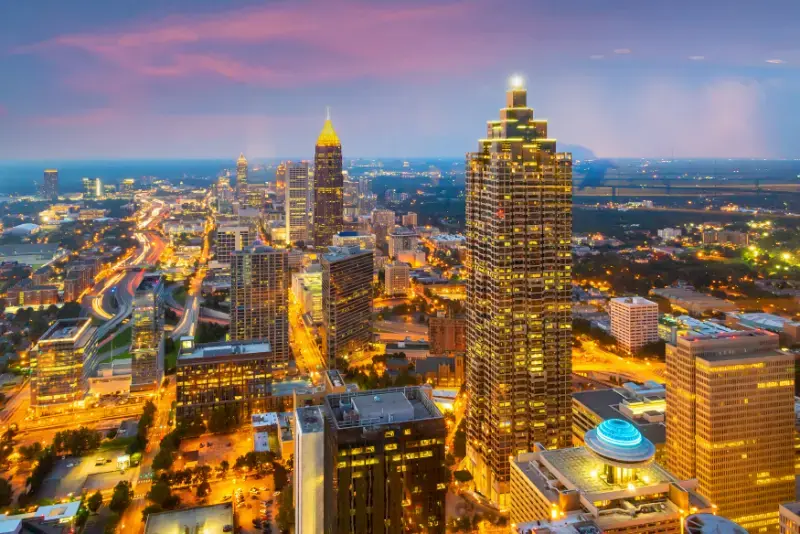
18. Take a deliberate architecture walk
Atlanta is often described through what was lost to redevelopment, highways and growth, but surviving neighborhoods and institutions still tell a complex architectural story. Inman Park, Grant Park, Sweet Auburn and parts of Midtown can reward visitors who slow down and look beyond the skyline.
19. Visit Krog Street Market and the surrounding area
Krog Street Market is smaller than Ponce City Market and fits naturally into an east-side walking day. Use it as a meal or reset point while exploring the BeltLine and adjacent neighborhoods. The benefit is location, not the need to eat at every food hall in the city.
20. See the street art around Krog Street Tunnel and beyond
Street art changes constantly, which makes it more interesting than a static “top mural” list. Walk with awareness of traffic and neighborhood context, and do not expect every wall featured in an old post to look the same when you arrive.
21. Add a Chattahoochee River break
The Chattahoochee River National Recreation Area protects river and trail corridors through the metro area. It is an excellent antidote to indoor sightseeing, but trailhead choice matters because the park is spread across multiple units. Pick the unit that fits your route rather than driving far across Atlanta just to say you visited.
22. Go beyond Downtown for Black-owned businesses and cultural institutions
Atlanta’s Black culture is contemporary as well as historical. Build part of your spending around local businesses, restaurants and cultural spaces rather than confining the story to formal museums. Current local guides from the city’s visitor bureau can help identify businesses and events operating during your dates.
23. Choose one market or food hall, not all of them
Ponce, Krog and other food halls are useful, but visiting several can make the trip strangely repetitive. Choose the one that best fits the day’s geography, then use other meals to experience stand-alone restaurants in different neighborhoods.
24. Take a day trip only after you have given Atlanta enough time
Stone Mountain, North Georgia wineries, Athens and mountain towns are all possible additions, but long day trips make less sense on a two-day city visit. If the mountains are important, stay overnight north of Atlanta. If you have only three days total, keep them in the city and leave Georgia’s other regions for a dedicated route.
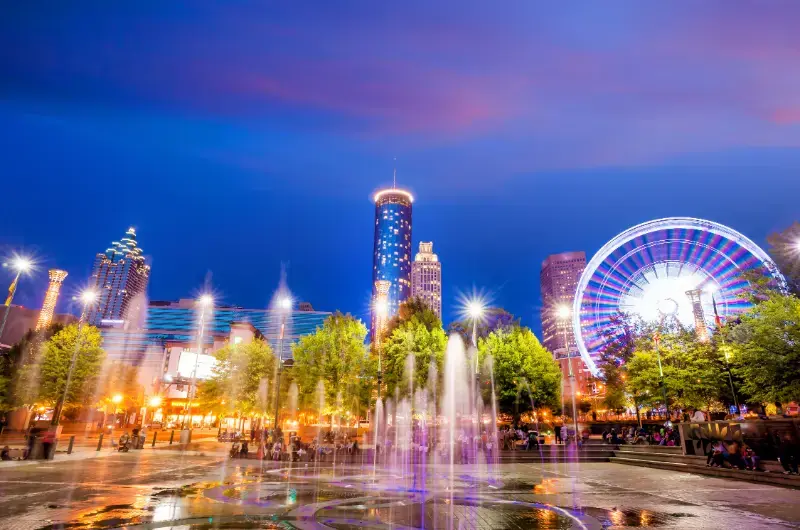
25. Leave one evening unscheduled
Atlanta changes by neighborhood and by night. A free evening gives you space for a live show, sports game, restaurant recommendation or simply a slower walk. This may sound less productive than booking another attraction, but it often produces the most memorable part of the trip.
How to choose from the 25
- History-first: King historic district, Auburn Avenue, Civil and Human Rights, Atlanta History Center.
- Family-first: Georgia Aquarium, one additional Downtown attraction, Piedmont Park and a relaxed neighborhood dinner.
- Food-first: BeltLine/Old Fourth Ward plus a dedicated neighborhood or Buford Highway dining plan.
- Art-first: High Museum, street art, architecture and an evening performance.
- Outdoor-first: Piedmont Park, BeltLine and one Chattahoochee River unit.
Continue planning Georgia
- Atlanta Travel Guide
- Where to Stay in Atlanta
- North Georgia Mountains Guide
- Best Time to Visit Georgia
- Georgia Travel Guide
Where to stay and how to compare hotels
Compare available accommodation for your dates, budget and preferred location before you finalize your route.
Affiliate disclosure: we may earn a commission from qualifying bookings at no extra cost to you. Compare hotels near Downtown Atlanta attractions, Midtown hotels and stays near Old Fourth Ward. Do not compare only the headline nightly rate: parking, resort or destination fees, breakfast, location, transit access and cancellation terms can change the real cost of a stay. In Georgia, the best-value hotel is often the one that removes a daily parking problem or an unnecessary cross-city drive.
Useful official resources
- Discover Atlanta
- Martin Luther King, Jr. National Historical Park
- Georgia Aquarium visitor information
- Chattahoochee River National Recreation Area
A note on CityPASS-style bundles
Attraction bundles can save money only when the included places match what you genuinely intend to visit. Calculate the individual current ticket prices, check reservation requirements and make sure the validity window fits your trip. A bundle is not a reason to squeeze a third major attraction into a day that would be better spent in a neighborhood.
What to do when it rains
Atlanta is easy to salvage in bad weather. Georgia Aquarium, art and history museums, food halls and indoor cultural attractions can absorb several hours. Keep one indoor anchor unbooked or flexibly timed if the forecast is unstable, then move BeltLine, parks and cemetery walks to the clearest morning.