

Destinations › Pacific USA › Alaska travel guide › Ketchikan Travel Guide: Totem Heritage, Rainforest & Independent Port Planning
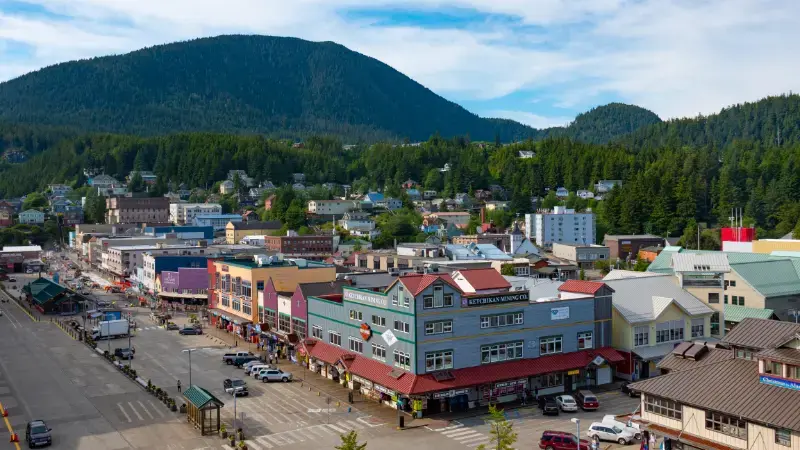
Ketchikan is often introduced as a cruise port, but that label hides the best reason to visit: it is a compact gateway to Southeast Alaska culture, rainforest and marine landscapes. Creek Street and the waterfront are easy to see in a few hours, yet the strongest visit also makes room for Indigenous heritage, the Tongass environment and time away from the busiest blocks.
If you arrive by cruise ship, plan around the actual berth because some ships use Ward Cove rather than downtown. If you stay overnight, the town changes after ships leave and becomes much easier to explore. One night is enough to reveal that difference; two or three nights make hiking, fishing or a Misty Fjords excursion more realistic.
Ketchikan Travel Guide at a glance
| Best for | Totem heritage, rainforest, fishing, Southeast Alaska history and marine excursions |
| Ideal stay | 1–3 nights; cruise calls are usually much shorter |
| Road access | No road connection to the continental highway system |
| Main transport | Air, cruise ship and Alaska Marine Highway |
| Weather | Wet maritime climate; waterproof layers are essential |
Start with Indigenous cultural context
Ketchikan and the surrounding region are closely connected with Tlingit, Haida and Tsimshian cultures. Totem poles are not generic decorations; they are culturally specific works tied to stories, clans, history and community. Visit interpretive sites or cultural centers that explain what you are seeing rather than treating poles only as photo backgrounds.
Saxman Native Village and Totem Bight are commonly visited, but current tour formats and access should be checked before arrival. Give yourself enough time to listen rather than moving from pole to pole for photographs.
Walk Creek Street with historical perspective
Creek Street’s boardwalk buildings are one of Ketchikan’s most recognizable scenes. The district has layers of commercial and social history, and it is more interesting when you understand why structures were built over the water and how the area changed over time.
Visit early or late if multiple ships are in port. The same narrow boardwalk can feel completely different outside the central cruise rush.
Use the Tongass rainforest as more than scenery
Ketchikan sits within the Tongass National Forest, where high rainfall supports dense temperate rainforest. Trails near town provide a fast escape from the commercial waterfront, but surfaces can be wet and roots slippery. Waterproof footwear with grip is more useful than trying to stay perfectly dry.
Do not let rain cancel the whole day. In Southeast Alaska, rain is part of the landscape that created the forest you came to see.
Choose Misty Fjords for scale
Misty Fjords National Monument is a major wilderness excursion from Ketchikan, usually reached by boat, floatplane or combination tour. Granite walls, waterways and remote scenery make it a very different experience from downtown.
Flightseeing depends heavily on visibility, while boat trips require more time. Compare the kind of experience you want and the cancellation policy. A scenic flight should not be booked as the only possible way to enjoy Ketchikan.
Understand the cruise-port geography
Not every ship docks in the same place. Downtown berths put you close to Creek Street and central attractions, while Ward Cove requires organized or independent transportation into town. Check your ship’s berth before building a minute-by-minute itinerary.
Always return with a conservative buffer. Ship departure rules are unforgiving, and road traffic or excursion delays can make an otherwise reasonable plan risky.
Stay overnight if you want a different Ketchikan
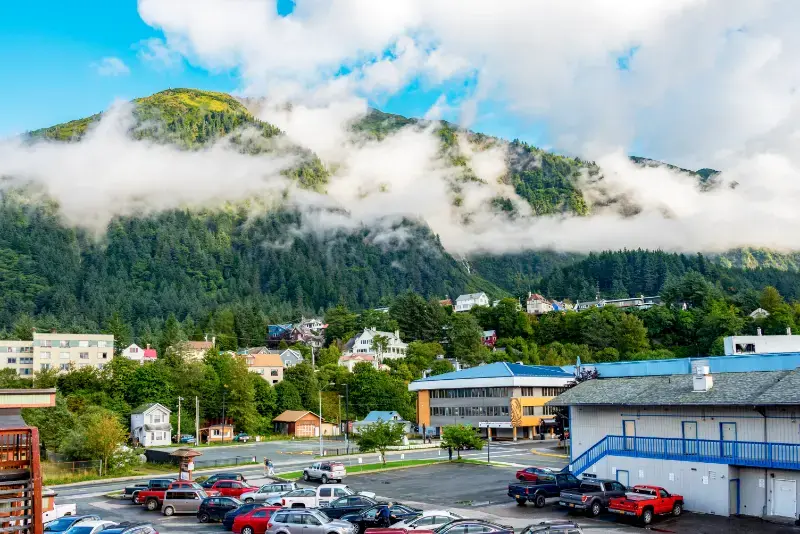
An overnight stay removes the pressure of a six-hour port window. You can walk downtown after crowds thin, take an early fishing or wildlife trip and adjust outdoor plans to the weather. Hotels are limited compared with larger cities, so peak-summer dates should be reserved early.
Independent travelers can arrive by air or Alaska Marine Highway. The ferry terminal and airport logistics need to be checked carefully because the airport is across Tongass Narrows and involves a ferry connection.
Fishing is part of the local identity
Ketchikan’s relationship with salmon and commercial fishing is visible throughout the town. Visitors who book sport-fishing charters should check licenses, current regulations, included gear and fish-processing options. Non-anglers can still learn a great deal through harbors, local seafood and seasonal salmon activity in creeks.
Avoid standing in active roadways or private working areas for wildlife photos when salmon attract eagles or seals.
Build a rain plan that is still meaningful
Combine a museum or cultural site with a shorter outdoor walk instead of relegating all indoor stops to “bad weather.” Southeast Alaska conditions can shift several times in a day, so a flexible sequence works better than canceling. A waterproof shell, small dry bag and warm mid-layer should live in your daypack.
Umbrellas can be awkward in wind and crowded port areas. Clothing systems usually work better.
Know whether Ketchikan fits an independent Inside Passage trip
Ketchikan can be linked with Wrangell, Petersburg, Sitka, Juneau and other Southeast communities by Alaska Marine Highway, but schedules vary and are not designed around a daily tourist hop-on system. For summer 2026, the Marine Highway schedule is published for May through September.
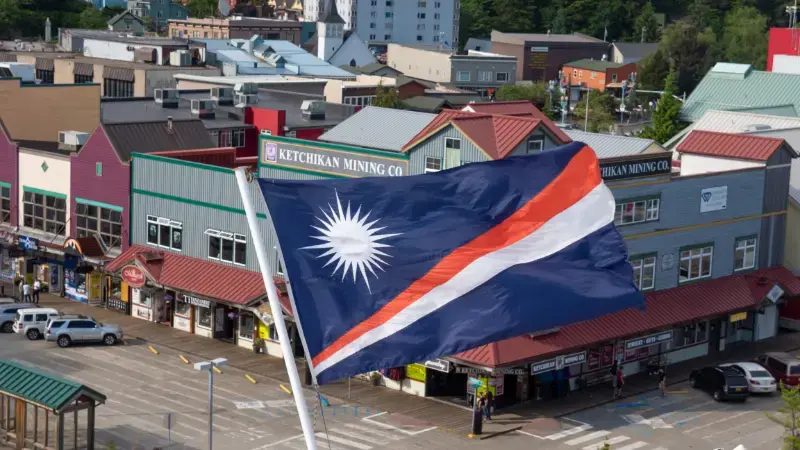
Build an independent ferry itinerary from the actual sailing dates, then fit hotels around them. Do not create a perfect sequence first and hope ferries run on the needed days.
A practical itinerary
Cruise-call version: begin with cultural context or a prebooked major excursion, then use remaining time for Creek Street and downtown rather than trying to stack three distant tours.
Two-night version: Day 1 explores downtown and heritage sites; Day 2 reserves the best weather for Misty Fjords, fishing or a longer rainforest outing; Day 3 departs by air or ferry with a realistic transfer buffer.
Continue planning Alaska
- Inside Passage Alaska Guide
- Sitka Travel Guide
- Juneau Travel Guide
- Alaska Travel Guide
Where to stay and how to book
Compare available accommodation for your dates, budget and preferred location before you finalize your route.
Affiliate disclosure: we may earn a commission from qualifying bookings at no extra cost to you. Compare Ketchikan hotels, Downtown Ketchikan stays and Inside Passage stays. In Alaska, location and cancellation terms often matter more than a small difference in nightly rate. Check transport, parking, check-in times and the exact distance to your departure point before paying for a nonrefundable room.
Useful official resources
A better way to use a short port call
Choose one major experience—culture, Misty Fjords, fishing or a rainforest excursion—and leave the rest of the call for downtown. The common mistake is booking two distant tours with no recovery time. One focused excursion plus a flexible walk produces a calmer and more reliable day.
Planning detail
Alaska rewards conservative scheduling. Confirm operating dates directly with the provider, keep important reservations in an offline folder, and avoid placing a weather-dependent activity immediately before a flight or ferry connection. Build the day around one major experience, then add smaller stops only if time and conditions cooperate. This approach reduces rushed driving, protects expensive bookings and gives you room to respond to the very conditions that make Alaska feel remote and memorable. In peak summer, reserve scarce transport and lodging before flexible meals or minor attractions; in shoulder season, verify that seasonal services are actually operating on your dates.
Planning detail 2
Alaska rewards conservative scheduling. Confirm operating dates directly with the provider, keep important reservations in an offline folder, and avoid placing a weather-dependent activity immediately before a flight or ferry connection. Build the day around one major experience, then add smaller stops only if time and conditions cooperate. This approach reduces rushed driving, protects expensive bookings and gives you room to respond to the very conditions that make Alaska feel remote and memorable. In peak summer, reserve scarce transport and lodging before flexible meals or minor attractions; in shoulder season, verify that seasonal services are actually operating on your dates.
Planning detail 3
Alaska rewards conservative scheduling. Confirm operating dates directly with the provider, keep important reservations in an offline folder, and avoid placing a weather-dependent activity immediately before a flight or ferry connection. Build the day around one major experience, then add smaller stops only if time and conditions cooperate. This approach reduces rushed driving, protects expensive bookings and gives you room to respond to the very conditions that make Alaska feel remote and memorable. In peak summer, reserve scarce transport and lodging before flexible meals or minor attractions; in shoulder season, verify that seasonal services are actually operating on your dates.
Planning detail 4
Alaska rewards conservative scheduling. Confirm operating dates directly with the provider, keep important reservations in an offline folder, and avoid placing a weather-dependent activity immediately before a flight or ferry connection. Build the day around one major experience, then add smaller stops only if time and conditions cooperate. This approach reduces rushed driving, protects expensive bookings and gives you room to respond to the very conditions that make Alaska feel remote and memorable. In peak summer, reserve scarce transport and lodging before flexible meals or minor attractions; in shoulder season, verify that seasonal services are actually operating on your dates.
Planning detail 5
Alaska rewards conservative scheduling. Confirm operating dates directly with the provider, keep important reservations in an offline folder, and avoid placing a weather-dependent activity immediately before a flight or ferry connection. Build the day around one major experience, then add smaller stops only if time and conditions cooperate. This approach reduces rushed driving, protects expensive bookings and gives you room to respond to the very conditions that make Alaska feel remote and memorable. In peak summer, reserve scarce transport and lodging before flexible meals or minor attractions; in shoulder season, verify that seasonal services are actually operating on your dates.