

Boise is the easiest place to begin an Idaho trip because it combines a real downtown with quick access to river paths, foothill trails, museums, neighborhoods and day trips. The city is compact enough that you can walk between the Idaho State Capitol, the Basque Block and many restaurants, then be on the Boise River Greenbelt or in the foothills within minutes. That mix makes Boise more than an airport night before heading to the mountains.
A good first visit needs two full days, or three if you want to add the Old Idaho Penitentiary, a long bike ride, Garden City tasting rooms or a day trip into the Boise Basin. Boise also works as the logistical bookend for a larger Idaho route toward McCall, Stanley, Sun Valley, Craters of the Moon and Twin Falls, so it is worth planning the city as part of the road trip rather than squeezing it between flights.
Start downtown with the Capitol and Basque Block
The Idaho State Capitol is a useful first orientation point because the building sits at the north end of downtown and gives you a sense of the city grid. From there, walk south toward Grove Street and the Basque Block. Boise has one of the largest Basque communities in the United States, and the compact block around Grove Street brings together restaurants, cultural institutions and community history without requiring a car.
Do not treat the Basque Block as a quick photo stop. If the Basque Museum and Cultural Center is open, give it time; the exhibits explain migration, boarding houses, sheepherding and the way Basque identity developed in Idaho. Pair that with lunch or dinner nearby, then continue through downtown rather than driving from sight to sight.
Ride or walk the Boise River Greenbelt
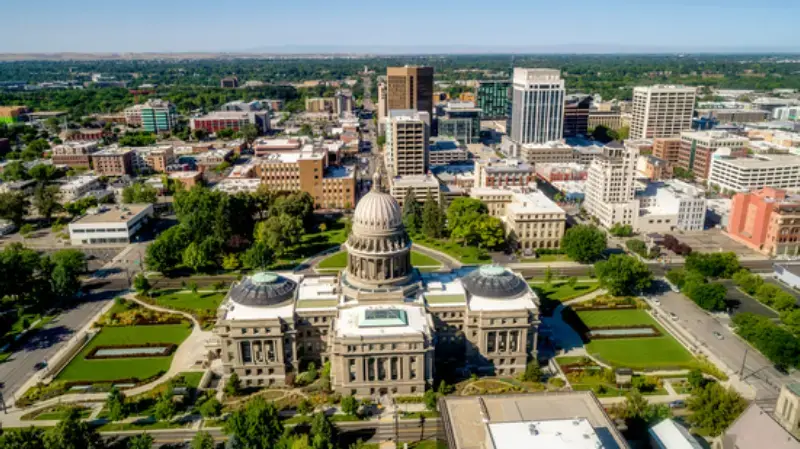
The Boise River Greenbelt is one of the city’s defining public spaces: a long, mostly level path linking parks, neighborhoods and river access. Visit Idaho describes the Greenbelt as a 25-mile pathway, and for travelers it works as both recreation and transportation. You can rent a bike, ride from downtown toward Garden City, stop at parks, and return without spending the day in traffic.
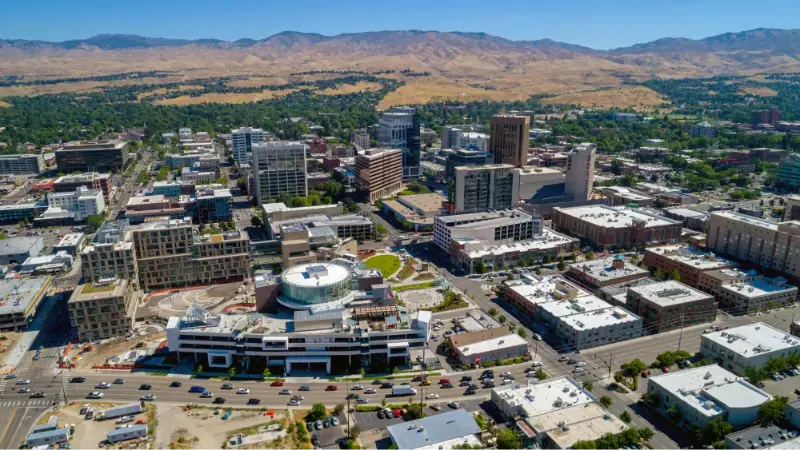
If you only have an hour, walk a central section near Julia Davis Park or Ann Morrison Park. With half a day, a bicycle makes much more sense. Carry water in summer, respect the mixed-use path, and remember that the river itself can be cold and fast even when the paved path feels relaxed.
Add museums and the Old Idaho Penitentiary
Julia Davis Park groups several attractions close together, including the Idaho State Museum and Boise Art Museum. The state museum is especially useful near the beginning of a statewide road trip because it adds context about landscapes, Indigenous history, migration, mining, agriculture and communities you will encounter later.
East of downtown, the Old Idaho Penitentiary preserves cell blocks and other structures from the territorial and state prison era. It is a very different experience from the riverfront and helps balance an outdoors-heavy itinerary. Check current hours before going, particularly outside the main summer season.
Use the foothills for an easy outdoor half-day
Boise’s foothills begin almost immediately north of the city. Camel’s Back Park is the simplest introduction, while the broader Ridge to Rivers system offers many miles of hiking and mountain-biking trails. Trail conditions matter: muddy trails are easily damaged, so local closure guidance should take priority over a fixed itinerary after rain or snowmelt.
For sunset, choose a legal, open viewpoint and arrive early enough to walk back before dark. The foothills can be hot and exposed in summer, so mornings are better for longer hikes. In spring and autumn, temperatures are more comfortable but weather can change quickly.
Plan food, coffee and Garden City without over-scheduling
Boise’s restaurant scene is concentrated enough that you do not need a complicated reservation map for every meal. Keep downtown meals flexible, then choose one evening for the Basque Block or a short ride into Garden City. Garden City sits along the river corridor and has developed a cluster of tasting rooms, breweries and food businesses that pair naturally with the Greenbelt.
If you want to explore the Snake River Valley wine region, make it a separate half-day or day trip rather than trying to combine multiple wineries with a full downtown sightseeing schedule. Whoever is driving should plan accordingly, and winery hours should be checked directly because they vary by day and season.
Use Boise as a launch point for southwest Idaho
Boise is within reach of several very different landscapes. Idaho City gives you mining-era history and mountain scenery; the Snake River wine country around Caldwell adds agricultural landscapes and tasting rooms; and Bruneau Dunes introduces the open desert southeast of the city. Each works better as its own outing than as a rushed loop with several long detours.
For a first Idaho trip, the most efficient onward routes are north toward McCall or northeast toward Stanley. The road to Stanley is exceptionally scenic but should not be treated as a high-speed transfer. Build in daylight, fuel and weather margin, especially outside midsummer.
A practical two-day Boise itinerary
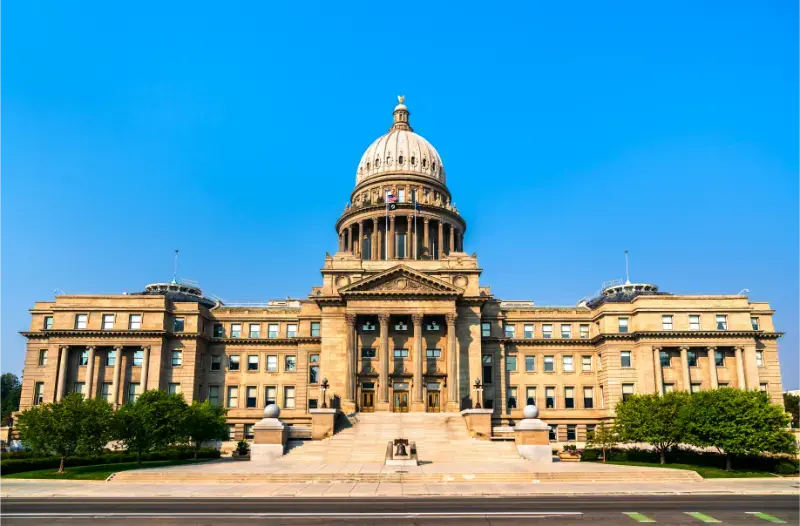
On day one, walk the Capitol area, Basque Block and central downtown, then spend the afternoon on the Greenbelt and finish with dinner in the core. On day two, visit the Idaho State Museum or Old Idaho Penitentiary in the morning, hike or bike in the foothills later, and use the evening for Garden City or another downtown neighborhood.
With a third day, choose one substantial excursion rather than adding more small city stops. Idaho City, wine country or Bruneau Dunes all work, but each changes the pace of the trip and deserves several hours.
Budget and pacing tips
Boise can be inexpensive compared with major resort towns if you prioritize walking and public spaces. The Greenbelt, downtown streets and many foothill trails do not require a costly tour, so spend where it improves the trip: a centrally located hotel, a museum you genuinely want to see, or a meal that connects with Basque and regional food culture.
Parking and event pricing can change the equation on busy weekends. Check whether your hotel includes parking and whether a downtown event will close streets. A slightly higher room rate can be worthwhile if it lets you leave the car parked for two days.
Boise with children
Families can alternate active and indoor stops easily. A Greenbelt ride, park time and a museum make a balanced day, while the foothills are better for mornings before summer heat. Keep children away from fast river water even where the paved path feels urban and controlled.
For younger children, avoid overloading the schedule with multiple museums plus a long bike ride. One anchor activity in the morning and one flexible activity in the afternoon usually works better.
Where to stay
Compare available accommodation for your dates, budget and preferred location before you finalize your route.
Downtown is the most convenient base for a first visit because restaurants, the Capitol, Basque Block and river access are close enough to reduce driving. It is the best choice if Boise is a city break or the first night after a flight.
Garden City can make sense if you want quicker Greenbelt access and a more local river-corridor feel. Travelers continuing toward Stanley or McCall should still prioritize a comfortable location over saving a few minutes on the departure drive; Boise traffic is usually easier to manage than a poorly chosen hotel base.
Check hotels and places to stay in Boise, Idaho, USA.
Getting there and getting around
Boise Airport is close to downtown, so a city-only weekend can be done with rideshare, walking and bike rental. A rental car becomes much more useful once you add foothills trailheads, wine country, Idaho City, McCall or Stanley.
If Boise begins a statewide road trip, collect the car after the urban portion if parking costs are high at your hotel. Before leaving for mountain routes, download maps, check Idaho 511, top off fuel and avoid assuming that cellular service will remain continuous.
Best time to visit
Late spring and early autumn are especially comfortable for walking, biking and foothill time. Summer is lively and dry but can be very hot, so outdoor activities are better early and museums or riverfront shade work well in the afternoon. Winter is quieter and can pair Boise with skiing at Bogus Basin, although road and trail conditions become more variable.
River recreation is seasonal and should be planned around official conditions rather than a calendar date. Smoke from regional wildfires can also affect summer air quality; check forecasts before committing to a long outdoor day.
How to fit this into an Idaho road trip
From Boise, the classic mountain continuation is toward McCall and Payette Lake or northeast toward Stanley and the Sawtooths. Travelers heading east can continue through Sun Valley and Ketchum, then Craters of the Moon and Twin Falls.
For a first statewide route, use the 10-day Idaho road trip as a framework, then add or remove nights depending on whether hiking, cities or scenic driving matters most.
Useful official resources
Frequently asked questions
How many days do you need in Boise?
Two full days cover the central city, Greenbelt and one museum or foothill outing. Three days gives enough time for a nearby day trip without turning Boise into a checklist.
Can you visit Boise without a car?
Yes for downtown, the Greenbelt and many central attractions. A car is much more useful for the foothills, wine country and any wider Idaho road trip.
Is Boise a good family destination?
Yes. Parks, the river path, museums and short foothill walks make it easy to mix active time with indoor stops. Summer heat is the main reason to plan the day carefully.
What should you combine with Boise?
McCall and Stanley are the strongest mountain continuations, while Twin Falls and Craters of the Moon work well on a south-central Idaho loop.