

New Mexico is one of the easiest western states to turn into a varied family road trip because the experiences change quickly: children can climb gypsum dunes, explore cave rooms, ride a historic train, see rockets, walk through pueblo history and watch wildlife without spending every day on a long mountain hike. The key is pacing. Distances are large, summer heat is real and high elevation can tire children faster than adults. A good family itinerary uses two- or three-night bases and one main activity per day.
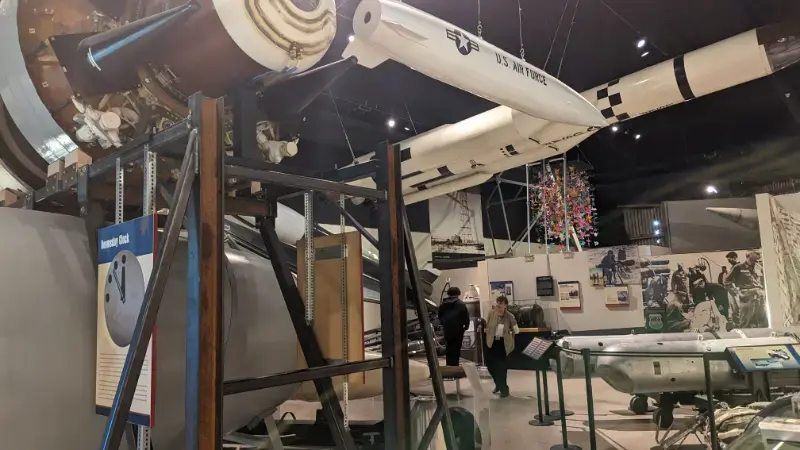
Start with short driving days
Avoid building a trip where every day includes four or five hours in the car. Albuquerque, Santa Fe, Taos and Alamogordo make strong bases because each has several nearby activities. A two-night minimum means children can settle into a hotel and parents can adjust for weather without losing the whole itinerary.
White Sands is the easiest big win
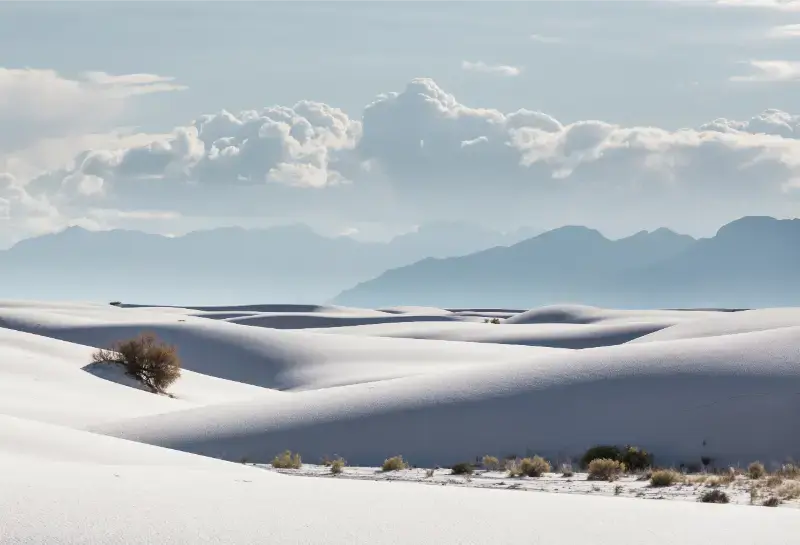
White Sands National Park offers a landscape children immediately understand and enjoy. Dune walking and sledding can feel like play rather than sightseeing. Go early or late to avoid heat and bring eye protection, water and a change of clothes. The gypsum can get everywhere. Check current park alerts before driving from Alamogordo.
Carlsbad Caverns works for school-age children
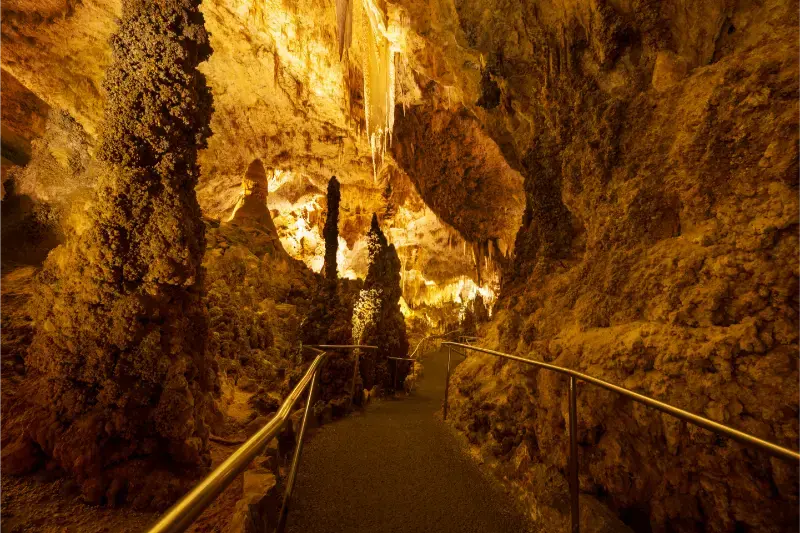
The enormous cave rooms provide a completely different environment from the desert above. Use the elevator if a long descent would exhaust younger children, and remember that cave temperatures are much cooler. Timed-entry systems and operational details can change, so reserve according to current National Park Service guidance.
Albuquerque balances outdoor and indoor activities
The city is useful for families because you can alternate the BioPark, museums, Old Town and the Sandia area. During very hot or stormy weather, indoor attractions give you flexibility. It is also the easiest place to recover from travel days because services are concentrated.
Santa Fe can work with the right pacing
Santa Fe’s art-heavy reputation can sound adult-focused, but families can mix short museum visits with plaza time, interactive attractions and nearby outdoor trips. Do not schedule several museums back-to-back. One cultural stop plus an easy walk or meal is usually enough for younger children.
Taos and mountain towns need layers
Families visiting Taos, Red River, Angel Fire or Cloudcroft should expect rapid temperature changes. Pack fleece or light jackets even when the desert forecast is hot. Mountain gondolas, short hikes, ski activities and scenic drives can be excellent, but allow extra rest because of elevation.
Historic railways can anchor a trip
Train-loving children may consider the Cumbres & Toltec Scenic Railroad a highlight. Choose the journey length based on attention span, not just scenery. A full-day heritage train can be magical for one child and too long for another. Read the Chama and Cumbres & Toltec guide.
National park Junior Ranger programs help
Several National Park Service sites offer Junior Ranger activities that turn history or geology into a task children can complete. Ask at visitor centers. These booklets can transform a place like Pecos, El Morro or Capulin from ‘ruins and rocks’ into a challenge with a badge at the end.
Avoid overambitious badlands hikes
Bisti/De-Na-Zin is spectacular but has no marked trail network, little shade and difficult navigation. Families with older experienced hikers can visit, but it is not the place to test a toddler’s tolerance for heat. Choose a short exploration and conservative turnaround time.
Build in swimming-pool time
A hotel pool or unstructured hour can be as important as an attraction on a family road trip. After a long park day, children often need downtime more than another viewpoint. When choosing hotels, compare room size, breakfast, laundry and pool access rather than booking on price alone.
Food planning matters in rural New Mexico
Small towns may have limited evening hours. Keep snacks, fruit, water and simple backup meals in the car. If a child has food allergies, research options before leaving Albuquerque, Santa Fe or Las Cruces. Do not assume a remote park gateway will have late-night dining.
A seven-day family route
Spend two nights in Albuquerque, two in Santa Fe, one in Taos and two in Alamogordo or Las Cruces. This gives you cities, culture, mountains and White Sands without changing hotels every night. Families with more time can add Carlsbad or Ruidoso rather than extending daily drives.
A ten-day version
Add Carlsbad Caverns and a second mountain base such as Ruidoso or Cloudcroft. Keep at least one unscheduled half-day every three days. If weather disrupts an outdoor plan, use that buffer rather than forcing a dangerous hike or a stressful overnight change.
Safety essentials
Carry more water than normal, use sunscreen, and never leave children or pets in a parked vehicle. Treat thunderstorms seriously, especially near washes and exposed ridges. At high elevation, watch for headache, nausea or unusual fatigue and reduce activity if symptoms appear.
Best seasons for families
Spring break can work well in the south but may still be cold in the mountains. Early summer is pleasant at elevation but hot in desert parks. September and October are excellent for families not tied to school schedules. Winter is best for ski-focused trips or southern New Mexico itineraries.
Where to stay
Compare available accommodation for your dates, budget and preferred location before you finalize your route.
Compare places to stay on Booking.com. Check cancellation terms carefully when your itinerary depends on mountain roads, park reservations or seasonal weather.
Official resources
Continue planning New Mexico
Use the New Mexico travel guide to connect this stop with the rest of your route.
Road-trip planning details
Distances in New Mexico often look modest on a map but can involve two-lane roads, elevation changes and long gaps between services. Build a fuel stop into the day before you need it, download offline maps and leave margin for photography, roadwork and weather. Avoid scheduling a timed attraction immediately after a long rural drive. A thirty- to sixty-minute buffer makes the trip far less stressful and gives you room to stop safely at legal viewpoints.
Responsible travel
Many New Mexico destinations sit on or near lands with deep Indigenous, Hispano and local community significance. Follow posted rules, stay on legal public access, do not enter private land for photographs and avoid treating living communities as open-air attractions. At archaeological and geological sites, leave artifacts and rocks in place. These habits protect both the place and the quality of future visits.
Cell service and navigation
Cell coverage can drop quickly outside larger towns. Save the route, reservation confirmations and key phone numbers before leaving Wi-Fi. A paper map is useful on complex road trips because it shows the larger geography when a phone tries to reroute you onto unsuitable back roads. In remote areas, tell someone your plan and expected return time.
Water, altitude and sun
The combination of dry air, strong sun and elevation can cause fatigue before you feel thirsty. Drink regularly, use sunscreen and protect your eyes. If you arrive from near sea level, keep the first high-elevation hike moderate. Headache, nausea or unusual shortness of breath are signs to reduce exertion and descend if symptoms do not improve.
How to fit this into a larger itinerary
A good New Mexico trip alternates demanding outdoor days with easier cultural or scenic days. Do not stack three remote parks back-to-back simply because they appear in the same region. Use larger bases such as Albuquerque, Santa Fe, Taos, Las Cruces or Alamogordo to reset, do laundry and adjust the route. This rhythm usually creates a better trip than maximizing the number of pins on a map.
Frequently asked questions
How much time should I allow?
Most travelers should allow at least half a day for the main experience and a full day when driving, hiking or museum time is part of the plan.
Do I need to book ahead?
Book lodging and any ticketed activity ahead. For parks and public lands, check the official site for current reservations, permits, road conditions and closures before departure.
Is this suitable for a first New Mexico trip?
Yes if it fits your route. New Mexico is large, so the best stop is the one that reduces backtracking while adding a genuinely different experience.
Final planning note
The strongest New Mexico itineraries are built around realistic daylight, weather and driving time rather than a rigid attraction count. Confirm conditions on the morning of travel, carry water and layers, and be willing to remove a stop when roads or temperatures make the day less comfortable. That flexibility is especially valuable in remote parts of the state, where the landscape itself is the main reason to travel.