

Mobile Alabama Travel Guide. Mobile is Alabama’s oldest major city and one of the most distinctive urban destinations on the Gulf Coast. Its history includes French and Spanish colonial periods, a major port, the United States’ oldest long-running Mardi Gras tradition, the final known illegal slave ship to reach the country and a modern maritime economy. Downtown streets, live oaks, wrought-iron balconies and Carnival culture can remind first-time visitors of New Orleans, but Mobile is not a smaller copy of its Louisiana neighbor. The city has its own architecture, food, community traditions and relationship with Mobile Bay. Two or three days allow enough time to explore downtown, Africatown, Battleship Memorial Park and at least one coastal detour.
Why add this stop to an Alabama itinerary?
Mobile is the logical gateway between inland Alabama and the beaches around Gulf Shores and Orange Beach. It adds museums, colonial history and African American heritage to a road trip that might otherwise become only beaches and Civil Rights landmarks. The city also makes a practical overnight stop before or after Dauphin Island, Fort Morgan or the eastern shore of Mobile Bay. Because attractions are spread across downtown, the causeway and outlying neighborhoods, a car is useful even if your hotel is in the walkable central district.
Alabama is compact enough for a multi-city road trip, but that does not mean every transfer is short once museums, meals, traffic and weather are included. The most satisfying trips use a few strong bases and leave enough room to understand each place. Treat the times shown by navigation apps as driving minimums, not as complete door-to-door travel times.
Best things to see and do
Mobile Carnival Museum and Mardi Gras culture
Mobile’s Carnival tradition dates to the early eighteenth century and developed into a complex season of parades, mystic societies, balls and local customs. The Mobile Carnival Museum is the best year-round introduction if you are not visiting during Mardi Gras. Costumes, floats and historical displays explain why Carnival is a core part of local identity rather than a tourist event copied from New Orleans. If you visit during the season, use official parade schedules and parking information because street closures reshape downtown for weeks.
History Museum of Mobile and Colonial Fort Condé
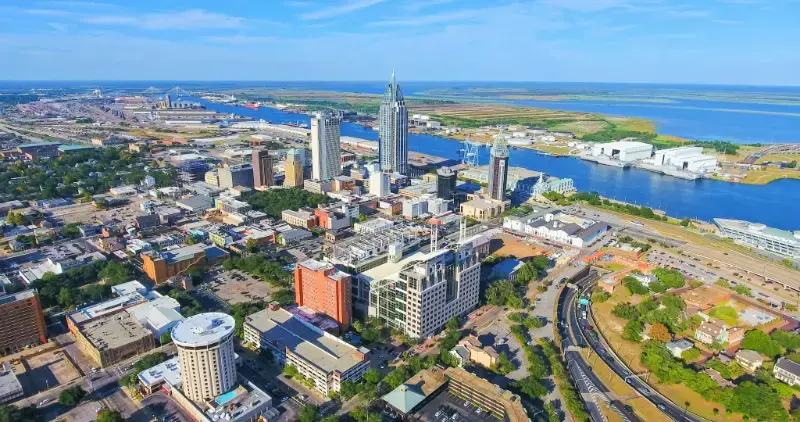
The History Museum of Mobile gives a broad introduction to the city’s colonial, commercial and social history. Nearby Colonial Fort Condé interprets the fortified settlement that existed under European colonial powers. Seeing them together is useful because Mobile changed hands repeatedly before becoming part of the United States. Do not spend the whole trip outdoors admiring architecture without learning the history behind it. Downtown is compact enough to combine these museums with a walk along Dauphin Street and nearby squares.
Africatown and the Clotilda story
Africatown was founded by survivors of the Clotilda, the last known ship to bring enslaved Africans illegally into the United States in 1860. The Africatown Heritage House and community interpretation help visitors understand both the trafficking crime and the extraordinary community created afterward. Visit with respect: Africatown is a living neighborhood, not an open-air museum. Use official or community-led tours where available, avoid photographing private homes intrusively and spend money with local organizations when possible.
USS Alabama Battleship Memorial Park
Battleship Memorial Park sits across Mobile Bay from downtown and contains the USS Alabama, USS Drum submarine and other military exhibits. It can easily take several hours, especially for families or military-history enthusiasts. Ships involve narrow passages, stairs and confined spaces, so visitors with mobility concerns should review accessibility information before arrival. Summer heat can be intense on exposed decks. Start early, carry water and do not schedule another major museum immediately afterward.
Dauphin Street and downtown evenings
Dauphin Street is the center of downtown dining, nightlife and entertainment. The architecture and balconies create a strong sense of place, while nearby Cathedral Square and Bienville Square offer green spaces. An evening downtown works well after museums because you can park once or stay within walking distance. Nightlife levels vary block by block and by event, so choose accommodation based on whether you want to be in the middle of activity or several streets away from it.
Bellingrath, bay landscapes and nearby detours
Bellingrath Gardens and Home lies south of Mobile and can be combined with a coastal driving day rather than downtown sightseeing. The gardens change strongly by season, so what you see in spring will differ from midsummer or winter. Other detours include Dauphin Island and the eastern shore communities around Fairhope. Do not try to fit all three into one afternoon. Mobile Bay is large, and crossing or driving around it can take longer than a map suggests.
Seafood and Gulf Coast food
Mobile’s food culture draws from the Gulf, Southern cooking and the city’s multicultural history. Oysters, shrimp, crab and fish are obvious priorities, but try regional dishes and local bakeries as well. Seafood availability and oyster seasons can vary, so let restaurants guide you toward what is fresh. Causeway restaurants east of downtown can pair a meal with a bay drive, while downtown gives you the advantage of walking back to your hotel.
Connecting Mobile with the Alabama beaches
Gulf Shores and Orange Beach are close enough to combine with Mobile, but they function as separate destinations rather than city beaches. Give the coast its own nights if swimming, Gulf State Park or boat trips are important. Mobile works best for the history and urban portion of the journey, then the beaches provide a slower second phase. That sequencing also lets you keep the car parked more often once you reach a beachfront resort or condo.
How many days do you need?
For one day, focus on downtown museums and either Africatown or Battleship Memorial Park. With two days, do downtown and Carnival history on the first day, then Africatown plus the battleship or Bellingrath on the second. Three days allows a slower pace and a bay or Dauphin Island excursion. If you are continuing to Gulf Shores, do not use your final Mobile day for a long coastal detour that you will repeat after changing hotels.
Getting around
Downtown Mobile is walkable around Dauphin Street and the major museums, but a car is needed for Africatown, Battleship Memorial Park, Bellingrath and most bay excursions. The Mobile Bay Causeway and Interstate 10 can experience traffic, especially around construction, incidents or major events. Amtrak’s Gulf Coast service has returned to Mobile in recent years, making rail part of some regional trips, but verify current schedules directly before planning around it.
If this stop is part of a longer road trip, avoid checking out at dawn simply to gain an extra sightseeing hour. A relaxed breakfast and a realistic transfer often produces a better day than arriving tired before the next attraction opens. Download offline maps for rural segments, keep fuel above a quarter tank and plan long drives for daylight whenever possible.
Where to stay
Compare available accommodation for your dates, budget and preferred location before you finalize your route.
Choose accommodation according to the first activity of the next morning, parking needs and evening plans rather than only the lowest nightly rate. A slightly more central hotel or well-located rental can save repeated driving and make dinner much easier. You can compare places to stay in Mobile on Booking.com. Read recent reviews for noise, parking and actual walking distance before booking.
Best time to visit
Spring is beautiful but busy, especially around Mardi Gras when dates fall later and during azalea season. Summer is hot, humid and storm-prone, but beach combinations are popular. Fall can be excellent for city walking and seafood trips. Tropical weather is a serious planning factor from summer into fall; monitor forecasts and cancellation policies if your trip overlaps hurricane season. Winter is generally mild and can be a good time for museums and architecture.
Across Alabama, severe thunderstorms can develop quickly in warmer months. The Gulf Coast also requires tropical-weather awareness, while north Alabama can be noticeably cooler than Mobile or Gulf Shores. Check the forecast for the specific destination and keep one indoor or low-commitment alternative for outdoor days.
Traveling with children
Families often enjoy Battleship Memorial Park, GulfQuest, the Exploreum and the visual spectacle of Mardi Gras. Africatown and history museums can be meaningful for older children when adults provide context. Do not schedule a submarine visit, a large museum and a long restaurant dinner back-to-back with small children. Downtown squares and waterfront breaks help reset the pace.
Food and meal planning
Build at least one seafood meal into a Mobile visit, but avoid assuming every waterfront restaurant is automatically better. Look for current local recommendations and what is fresh. A downtown lunch makes museum days efficient; a causeway dinner works well after Battleship Memorial Park. During Mardi Gras, restaurants along parade routes can be extremely busy, so reservations and street-closure awareness matter.
Budget and reservations
Hotel prices in Alabama change far more around football games, beach weekends, festivals and major events than around a simple high-season/low-season calendar. Reserve fixed-capacity tours and high-demand accommodation first, then keep ordinary meals and flexible attractions open. Admission fees, parking systems and event policies change, so use official sources for current costs rather than copying a budget from an older itinerary.
Accessibility and comfort
Accessibility varies between modern museums, historic churches, ships, older houses, beaches and nature trails. If step-free access, accessible parking, beach mats, elevators or mobility-device-friendly surfaces are important, check the individual attraction rather than assuming a destination-wide standard. Summer heat can also be an accessibility issue: schedule exposed walking early, carry water and use air-conditioned breaks before anyone becomes exhausted.
Mistakes to avoid
The most common mistake is treating Mobile only as a stop before the beach. Another is describing Mardi Gras as if it were merely a version of New Orleans Carnival. Mobile’s tradition has its own history and customs. Do not visit Africatown without learning the community’s story, and do not assume you can see downtown, the battleship, Bellingrath and Dauphin Island comfortably in one day. Bay geography makes realistic pacing essential.
Continue planning your Alabama trip
- Gulf Shores Alabama travel guide
- Orange Beach Alabama travel guide
- Montgomery Alabama travel guide
- 10-day Alabama road trip
- Alabama destination guide
Official resources to check before you go
Opening hours, tour schedules, beach conditions, road access, event closures and admission systems can change. Check these official resources shortly before travel rather than relying on a saved screenshot or an old social-media post.
Frequently asked questions
Is this a good stop for a first Alabama trip?
Yes. This destination adds a distinct part of Alabama’s story rather than duplicating the surrounding stops. The key is to connect it geographically with the next region and avoid backtracking simply to keep the same hotel for the entire state.
Do I need a car?
For a statewide trip, yes. Some downtown areas can be explored on foot and ride-hailing is useful in larger cities, but beaches, parks, historic corridors and intercity transfers are much easier with a car. If you are flying, compare one-way rental fees with the cost of returning to your arrival airport.
What should I book in advance?
Book working-studio tours, limited-capacity historic tours, popular boat trips, special-event weekends and peak beach accommodation early. Ordinary museums and restaurants usually allow more flexibility, although popular weekend dining can still benefit from a reservation. Always prioritize reservations that would be difficult to replace if sold out.
How do I combine this with the rest of Alabama?
Use the internal guides above to build a route by region. Birmingham and Montgomery work naturally together, Mobile connects with the Gulf Coast, Huntsville pairs with The Shoals, and Selma belongs with Montgomery through the National Historic Trail. Grouping places this way minimizes driving and creates a more coherent trip.
More Alabama guides for this trip
- Dauphin Island Alabama travel guide
- Fairhope Alabama travel guide
- Gulf State Park guide