

Boston Massachusetts Travel Guide. Boston is one of the easiest major U.S. cities to explore without a car, but it is also a place where a little planning changes the quality of the trip. Revolutionary-era streets sit beside major universities, waterfront parks, world-class museums, sports landmarks and compact neighborhoods with distinct identities. The mistake is to treat Boston as a checklist of historical stops. A better first visit mixes one or two history-heavy periods with neighborhood walks, food, a museum or harbor experience and enough unstructured time to notice how the city fits together.
Why this deserves a place in your Massachusetts itinerary
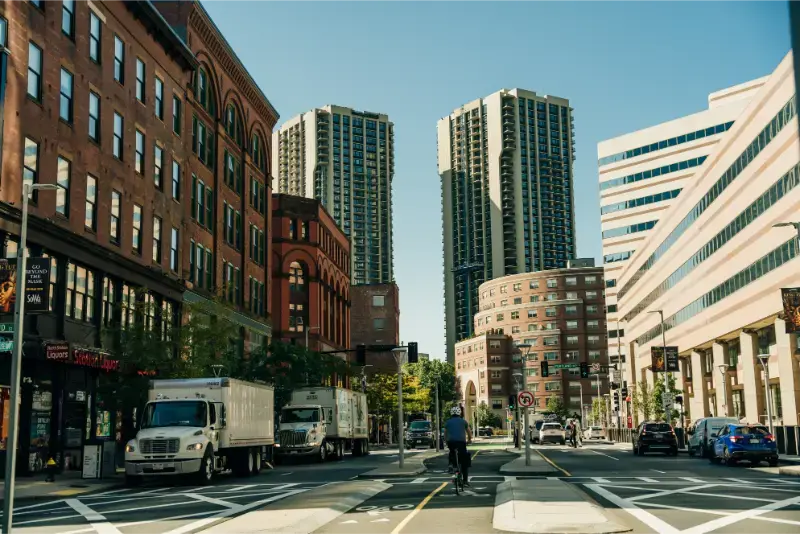
Boston deserves at least three nights on a first Massachusetts itinerary because many of its strongest experiences are close enough to combine on foot, yet dense enough that rushing makes them blur together. It is also the logical transport hub for the rest of the state: trains and buses connect north toward Salem, ferries and seasonal services reach coastal destinations, and rental cars are easy to pick up only when you are ready to leave the urban core. That sequencing can save both parking costs and stress.
Best things to see and do
Walk the Freedom Trail with context
The Freedom Trail is a 2.5-mile red-brick route connecting 16 historic sites from Boston Common toward Charlestown. The walk is free to follow, while individual museums and buildings may charge admission or keep their own hours. Do not assume the entire trail is a two-hour activity just because the mileage is short. If you enter several sites, stop for lunch in the North End and continue to the USS Constitution or Bunker Hill, it can fill most of a day. Start early and decide in advance which interiors matter most to you.
Beacon Hill, Boston Common and the Public Garden
Beacon Hill is compact, photogenic and easy to combine with Boston Common and the Public Garden. The neighborhood’s brick sidewalks, Federal-period architecture and steep side streets are part of the appeal, but it is still a residential area rather than an open-air set. Walk quietly on smaller streets, then connect the visit with the Massachusetts State House or the Black Heritage Trail. The Public Garden works well as a lower-intensity stop after museums or historical sites and is especially pleasant in spring and early fall.
North End and the waterfront
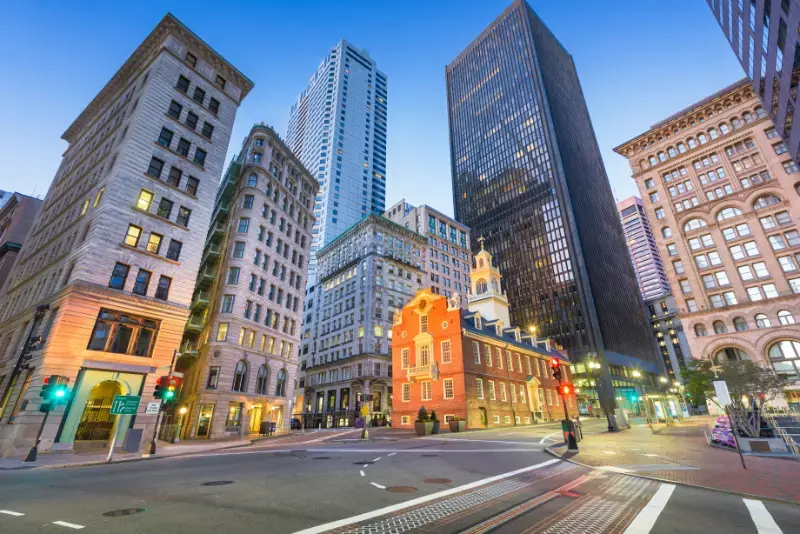
The North End combines Revolutionary history with one of Boston’s best-known food districts. Paul Revere House and Old North Church fit naturally into a Freedom Trail day, but the neighborhood is worth lingering in after the historical stops. Walk toward the waterfront, compare restaurants rather than choosing only by the longest queue, and leave space for a bakery or cafe. On busy summer weekends the narrow streets can feel crowded, so an early lunch or weekday evening is usually more relaxed.
Museum of Fine Arts and Isabella Stewart Gardner Museum
Boston’s museum scene can easily occupy a full day. The Museum of Fine Arts is large enough that trying to see every gallery becomes exhausting; choose two or three collections that match your interests. Nearby, the Isabella Stewart Gardner Museum offers a very different, more intimate experience built around a Venetian-style courtyard and a highly personal collection. Timed-entry policies, special exhibitions and opening days can change, so check the official sites before fixing a museum day.
Fenway and the Back Bay
Fenway Park is worth considering even outside baseball season because tours reveal a different side of Boston’s identity. On game days, however, the entire Fenway-Kenmore area becomes busier and hotel rates can move sharply. Back Bay is easier to explore on foot, with Commonwealth Avenue, Newbury Street, Copley Square and the Boston Public Library forming a good half-day route. This is also one of the best areas to stay if you want classic city scenery and straightforward public transit.
Harbor, Seaport and a water-based view
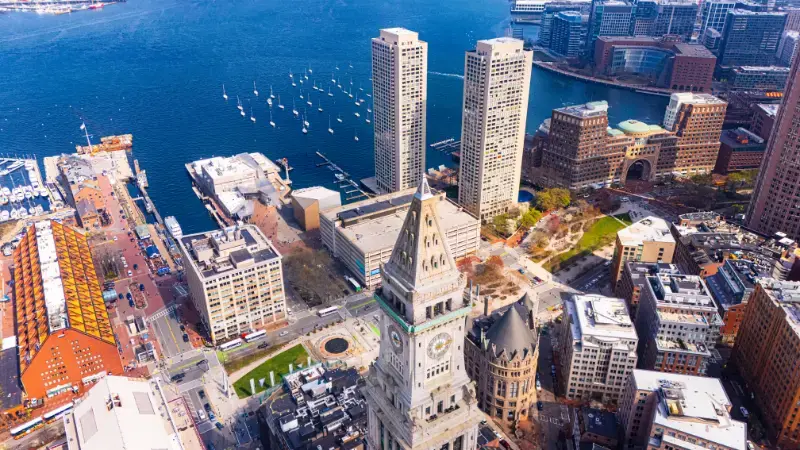
Boston Harbor adds a completely different dimension to the city. Depending on the season, you can choose a harbor cruise, ferry, whale-watching trip or an excursion toward the Boston Harbor Islands. The Seaport has modern restaurants and waterfront paths, while the older wharves closer to downtown connect more directly with the historic core. Weather matters on the water even when downtown feels warm, so bring a layer and avoid building a tight evening reservation immediately after a marine excursion.
How many days do you need?
For a first visit, one day is enough only for a focused highlights itinerary. Two days creates a much better balance between major sights and the everyday character of the destination. Three days makes sense if you want outdoor time, museums, a boat trip or a slower food-focused stay. The right length also depends on season: summer traffic and ferry schedules can make transfers slower, while winter reduces the number of seasonal attractions but rewards longer indoor visits.
A realistic itinerary
Day 1: historic core
Start at Boston Common and follow the Freedom Trail through downtown and the North End. Enter only the two or three historic sites that interest you most, then end near the waterfront or Charlestown rather than racing back across the city.
Day 2: museums and neighborhoods
Spend the morning at the Museum of Fine Arts or Gardner Museum, then walk Back Bay and Copley Square. If there is a game or tour that matters to you, finish around Fenway.
Day 3: harbor and flexible time
Use the morning for Beacon Hill, the Black Heritage Trail or a neighborhood you missed, then take a harbor cruise or ferry if weather is good. Keep the evening flexible for food rather than another timed attraction.
Where to stay
Compare available accommodation for your dates, budget and preferred location before you finalize your route.
For a first trip, Back Bay and Beacon Hill are strong choices for walkability and classic city atmosphere; Downtown and the Waterfront reduce transit time for the Freedom Trail; Fenway works well for sports and museums; the Seaport suits travelers who prefer newer hotels and harbor views. Cambridge is also a practical alternative, especially if Harvard or MIT is central to the trip. Compare the cost of the room with the cost and time of commuting: a cheaper hotel that requires two long transfers each day may not actually improve the trip.
You can compare places to stay for this Massachusetts trip on Booking.com. Check recent reviews for noise, parking, actual walking distance and seasonal access rather than relying only on the property headline. For a road trip, refundable rates can be useful until ferry and weather-dependent plans are stable.
Food and local character
Boston food is broader than clam chowder and lobster rolls, although both are worth trying if seafood is part of the reason you came. The North End is known for Italian-American restaurants and bakeries; Chinatown is excellent for an inexpensive meal close to downtown; Cambridge adds one of the region’s strongest international dining scenes. Reservations are useful for popular weekend dinners, but leave at least one meal unplanned so you can choose by neighborhood rather than crossing the city for a single famous address.
Best time to visit
Late spring and early fall offer the easiest balance of comfortable walking weather and long sightseeing days. Summer brings festivals, waterfront activity and baseball but also humidity and high hotel prices. October is beautiful but can be expensive across New England, especially on weekends. Winter is cold and daylight is short, yet museums, restaurants and holiday events make the city very workable if you dress properly. Whenever you visit, check the event calendar because conventions, college weekends and major games can affect accommodation rates dramatically.
Getting there and getting around
Logan Airport is close to downtown by big-city standards, and public transportation or water transport can make an airport transfer practical without a rental car. Once in the center, walking and the MBTA are usually easier than driving. Save the rental car for the day you leave Boston for Cape Cod, the Berkshires or a wider New England route. If you do keep a car, verify hotel parking charges before booking; overnight parking can change the economics of an otherwise attractive rate.
Massachusetts travel times are deceptively short on a state map. Urban traffic, beach parking, bridge congestion, ferry check-in and scenic stops can add more time than the mileage suggests. Build margin around any fixed ticket or departure, and avoid combining a long transfer with the most important museum or outdoor experience of the trip. If a day depends on weather, identify an indoor alternative before you leave the hotel.
Practical planning mistakes to avoid
- Trying to collect too many towns in one day. New England distances are compact, but parking and local roads make constant movement tiring.
- Assuming every attraction operates year-round. Historic houses, ferries, lighthouses and beach facilities often have seasonal schedules.
- Ignoring event weekends. College events, concerts, baseball, festivals and October weekends in Salem can change hotel prices and traffic dramatically.
- Planning outdoor time at midday only. Summer heat, beach crowds and afternoon storms often make mornings and late afternoons better.
- Relying on old opening hours. Verify current official information shortly before travel, especially for ferries, parks, museums and parking systems.
Who this trip works best for
This destination works particularly well for travelers who like to combine history and culture with walking rather than spending every day in a car. Families can make it successful by limiting the day to one major ticketed attraction plus an outdoor or neighborhood period. Couples and solo travelers can add longer meals, galleries and evening events. Travelers with limited mobility should check the exact accessibility of historic buildings, beaches, cobblestone streets and ferry terminals because older New England infrastructure varies widely from place to place.
Official resources to check before you go
Hours, prices, ferry schedules, road conditions, beach rules and event calendars can change after publication. Use the official resources above for the final check, especially if your visit depends on a specific tour, boat departure, seasonal road or limited parking area.
Continue planning Massachusetts
- Cambridge Massachusetts travel guide
- Salem Massachusetts travel guide
- 10-day Massachusetts road trip
- Massachusetts travel guide