

Cambridge Massachusetts Travel Guide. Cambridge is often treated as a quick extension of Boston, but it works better when you see it as a city of its own. Harvard and MIT are the headline names, yet the real travel experience comes from moving between Harvard Square, Central Square, Kendall Square, Inman Square and the Charles River. Museums, bookstores, research campuses, independent restaurants and residential streets create a dense, walkable destination where a full day feels very different from a day in downtown Boston.
Why this deserves a place in your Massachusetts itinerary
Cambridge is especially useful for travelers who want an urban trip without renting a car. The Red Line links Harvard and Central squares directly with central Boston, while walking and buses connect most visitor areas. It can also be a smart place to stay: the city has a large hotel inventory outside Boston and offers quick access to both universities and Boston attractions. If your trip includes several days in the metro area, dividing time between the two cities can reduce unnecessary backtracking.
Best things to see and do
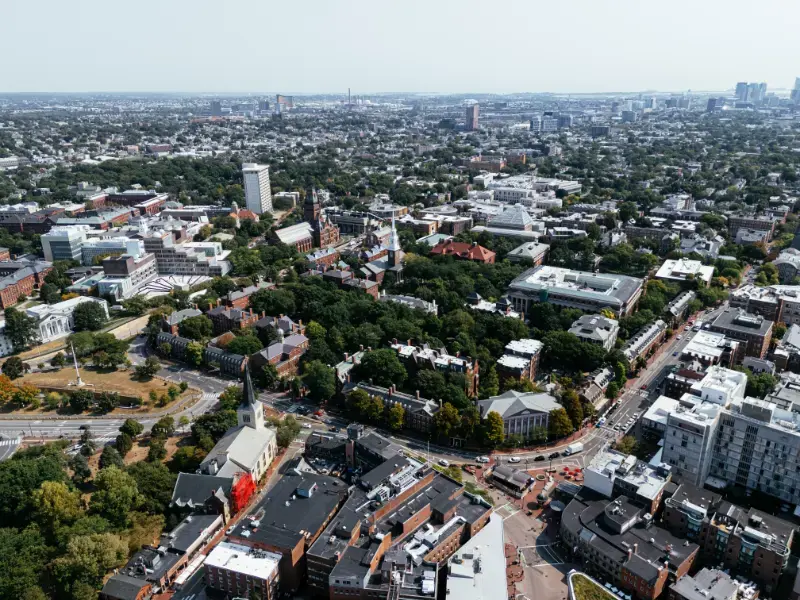
Harvard Square and Harvard Yard
Harvard Square is the natural starting point for a first visit. Walk through the square, browse bookstores and cafes, then enter the publicly accessible parts of Harvard Yard. Campus access rules can change during security events, commencement or construction, so do not assume every gate or building will be open. The Harvard visitor information resources are the right place to confirm official tours. Even without a formal tour, the area is rewarding for architecture, people-watching and the contrast between historic buildings and the busy commercial square.
Harvard museums
The Harvard Art Museums bring several collections together under one roof and are a strong choice for visitors who want art without spending an entire day in a very large museum. The Harvard Museum of Natural History is a completely different experience, known for natural-science collections and the famous glass flowers. Choose according to your interests rather than trying to fit both into a rushed afternoon. Opening hours, reservation systems and admission policies can change, particularly around university holidays.
MIT and Kendall Square
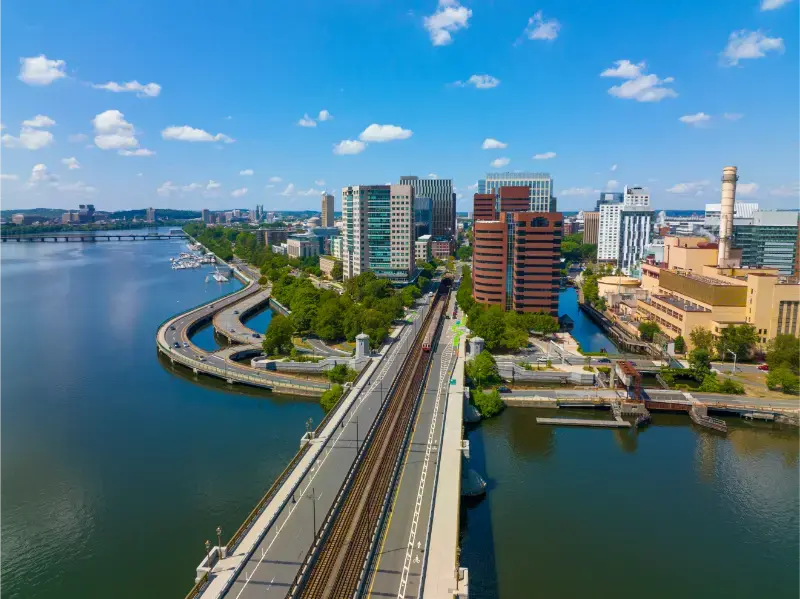
Kendall Square shows the innovation-driven side of Cambridge. MIT’s campus stretches along the Charles and rewards a self-guided walk for architecture, public art and a sense of how the institute connects with the surrounding technology district. Some academic buildings are not visitor attractions, so respect access signs rather than following students through controlled entrances. Combine the campus with the riverfront or a meal in Kendall instead of treating it as a sequence of building interiors.
Central Square and independent Cambridge
Central Square feels less ceremonial than Harvard and more like an everyday urban neighborhood. Live music, casual restaurants, murals and a broad mix of cuisines make it one of the best places to spend an evening. It is also an easy Red Line stop between Harvard and Boston, so it can rescue an itinerary that has become too museum-heavy. Check venue schedules if music matters to you, and remember that late-night transit frequency is different from daytime service.
Inman Square, Porter Square and local food
The smaller squares are where repeat visitors often find their favorite parts of Cambridge. Inman has independent restaurants and neighborhood energy, while Porter connects toward Somerville and has a different commercial mix. These areas are best explored without a rigid checklist. Pick a cafe, bakery or restaurant, walk the surrounding streets and let the neighborhood itself be the attraction. This approach also spreads visitor spending beyond the most famous university districts.
Charles River paths and Mount Auburn Cemetery
The Charles River provides an easy outdoor counterpoint to campuses and museums. Walk or cycle along the river for views toward Boston, especially around sunset. For a quieter landscape, Mount Auburn Cemetery on the Cambridge-Watertown line combines historic monuments, mature trees and birding habitat. It is an active cemetery and should be visited respectfully. Seasonal foliage makes both areas especially attractive in spring and fall.
How many days do you need?
For a first visit, one day is enough only for a focused highlights itinerary. Two days creates a much better balance between major sights and the everyday character of the destination. Three days makes sense if you want outdoor time, museums, a boat trip or a slower food-focused stay. The right length also depends on season: summer traffic and ferry schedules can make transfers slower, while winter reduces the number of seasonal attractions but rewards longer indoor visits.
A realistic itinerary
Day 1: Harvard and the western squares
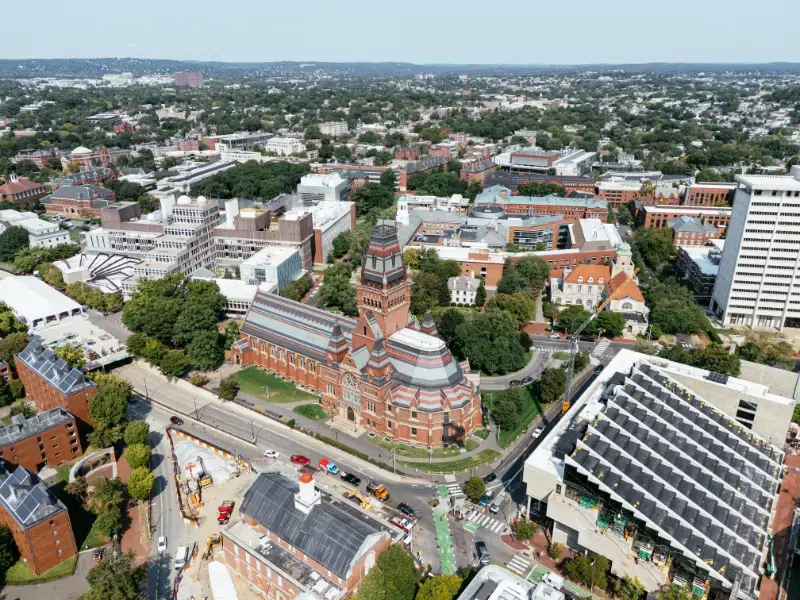
Start in Harvard Square, walk the Yard, choose one Harvard museum and have lunch nearby. Continue toward Porter or Inman for a less tourist-focused afternoon, then return to Central Square for dinner or music.
Day 2: MIT, Kendall and the river
Explore MIT and Kendall Square in the morning, walk the Charles River after lunch and cross into Boston if you want to combine the day with Back Bay or Beacon Hill. Keep the evening in Cambridge to experience a different neighborhood from the one where you started.
Where to stay
Compare available accommodation for your dates, budget and preferred location before you finalize your route.
Harvard Square is the best base for first-time visitors focused on the university and restaurants. Kendall Square suits business travelers and anyone prioritizing MIT or newer hotels. Central Square places you between Harvard and Boston with excellent food access, while East Cambridge works well for the river and quick trips toward downtown Boston. If you stay in Cambridge, check the walking distance to a Red Line station rather than judging only by the map: a convenient station can matter more than being physically close to the Charles.
You can compare places to stay for this Massachusetts trip on Booking.com. Check recent reviews for noise, parking, actual walking distance and seasonal access rather than relying only on the property headline. For a road trip, refundable rates can be useful until ferry and weather-dependent plans are stable.
Food and local character
Cambridge has one of the strongest concentrations of international dining in the Boston area. The value is variety rather than one signature dish: you can move from Middle Eastern or Asian food to bakeries, chef-driven restaurants and student-friendly casual spots in a short distance. Harvard Square is convenient but not always the best value. Central, Inman and Porter often reward travelers willing to go one or two stops beyond the famous campus. Weekends and graduation periods can make reservations important.
Best time to visit
Spring and fall are ideal for campus walks and river paths. Late April and May bring graduation-related demand, while September and October combine active university life with comfortable weather and foliage. Summer is quieter academically but can be hot, and some campus services operate on reduced schedules. Winter is entirely workable for museums, restaurants and short neighborhood walks, but snow or ice can make brick sidewalks and older paths slippery. Check university calendars if a specific tour or campus experience matters.
Getting there and getting around
Cambridge is built for public-transit travel. The Red Line serves Kendall/MIT, Central, Harvard and Porter, while buses fill the gaps between squares. Driving is rarely helpful for a sightseeing day because parking is limited and street rules can be confusing to visitors. If you arrive by car on a wider road trip, leave it at the hotel or a legitimate garage and use transit. Cycling is practical for experienced urban riders, and the river paths offer a calmer option than major streets.
Massachusetts travel times are deceptively short on a state map. Urban traffic, beach parking, bridge congestion, ferry check-in and scenic stops can add more time than the mileage suggests. Build margin around any fixed ticket or departure, and avoid combining a long transfer with the most important museum or outdoor experience of the trip. If a day depends on weather, identify an indoor alternative before you leave the hotel.
Practical planning mistakes to avoid
- Trying to collect too many towns in one day. New England distances are compact, but parking and local roads make constant movement tiring.
- Assuming every attraction operates year-round. Historic houses, ferries, lighthouses and beach facilities often have seasonal schedules.
- Ignoring event weekends. College events, concerts, baseball, festivals and October weekends in Salem can change hotel prices and traffic dramatically.
- Planning outdoor time at midday only. Summer heat, beach crowds and afternoon storms often make mornings and late afternoons better.
- Relying on old opening hours. Verify current official information shortly before travel, especially for ferries, parks, museums and parking systems.
Who this trip works best for
This destination works particularly well for travelers who like to combine history and culture with walking rather than spending every day in a car. Families can make it successful by limiting the day to one major ticketed attraction plus an outdoor or neighborhood period. Couples and solo travelers can add longer meals, galleries and evening events. Travelers with limited mobility should check the exact accessibility of historic buildings, beaches, cobblestone streets and ferry terminals because older New England infrastructure varies widely from place to place.
Official resources to check before you go
- Cambridge Office for Tourism
- Cambridge Visitor Information
- Harvard visitor information
- MIT visit information
Hours, prices, ferry schedules, road conditions, beach rules and event calendars can change after publication. Use the official resources above for the final check, especially if your visit depends on a specific tour, boat departure, seasonal road or limited parking area.
Continue planning Massachusetts
- Boston Massachusetts travel guide
- Massachusetts road trip
- Salem Massachusetts travel guide
- Massachusetts travel guide