

10-Day Massachusetts Road Trip. A Massachusetts road trip can combine a major historic city, Atlantic coast, islands, mountain scenery and small New England towns without crossing huge distances. The challenge is not mileage but sequencing. Boston is best without a car, Cape Cod traffic can dominate summer transfers, the Berkshires deserve more than a drive-through, and ferries add fixed departure times. This 10-day route is designed around those realities rather than trying to collect every famous place in the state.

- 1Days 1–2: Boston
- 2Day 3: Cambridge and/or Salem
- 3Day 4: Boston to the Berkshires
- 4Day 5: Berkshires
- 5Day 6: Berkshires to Plymouth
- 6Day 7: Plymouth to Cape Cod
- 7Day 8: Cape Cod National Seashore
- 8Day 9: Provincetown or island option
- 9Day 10: slow Cape morning and Boston return
Why this deserves a place in your Massachusetts itinerary
The route starts in Boston without a rental car, then moves north to Salem before picking up a vehicle for the Berkshires, Plymouth and Cape Cod. That shape avoids paying to park a car in central Boston and reduces repeated driving. Ten days is enough for a strong first trip, but it is not enough for both Martha’s Vineyard and Nantucket plus every major Cape town. Treat an island as an optional extension or substitute, not an extra checkbox squeezed into an already full schedule.
How many days do you need?
Ten days is the minimum for this statewide route as written. If you have only a week, remove the Berkshires or the island/Outer Cape portion rather than shortening every stop. With 12 to 14 days, add a second Salem or Cambridge day, a dedicated Martha’s Vineyard or Nantucket stay, and another night on the Outer Cape. The goal is to reduce hotel changes and protect full days in the places where museums, beaches and ferries already consume substantial time.
A realistic itinerary
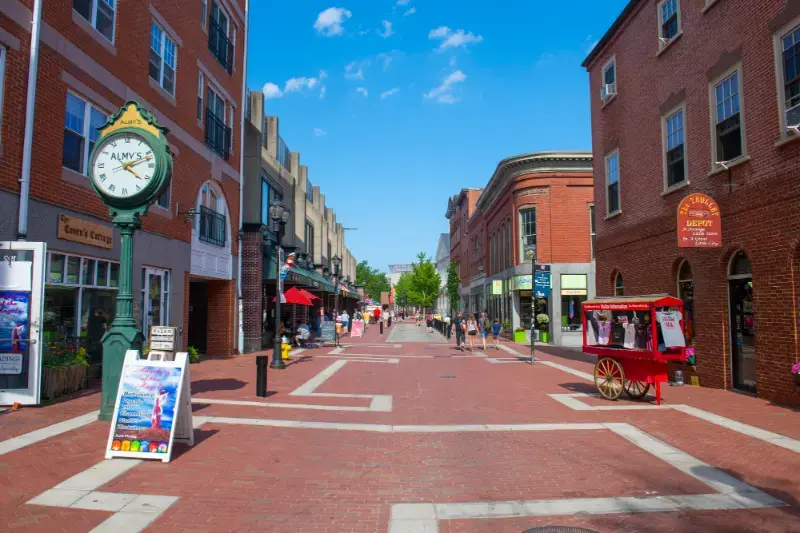
Days 1–2: Boston
Spend two full days in Boston. Use one for the Freedom Trail, North End and waterfront, and the second for Back Bay, a major museum and Beacon Hill or Fenway. Do not rent a car yet.
Day 3: Cambridge and/or Salem

Choose Cambridge if universities and museums matter more, or take an early train to Salem for witch-trial and maritime history. If you are traveling in October, dedicate the whole day to Salem and reserve timed attractions well in advance.
Day 4: Boston to the Berkshires
Pick up the rental car after breakfast and drive west. Arrive in Lenox, Stockbridge or another central base with enough daylight for a village walk or short scenic drive. Avoid adding a major museum after a long pickup-and-transfer morning.
Day 5: Berkshires
Choose a northern culture day with MASS MoCA and the Clark, a southern day with Stockbridge and Great Barrington, or an outdoor day around Mount Greylock if conditions are good. One coherent region is better than racing from north to south.
Day 6: Berkshires to Plymouth
Drive east toward Plymouth. Use the afternoon for the waterfront, Plymouth Rock and Mayflower II if open. Staying overnight avoids turning the day into a long continuation to the Cape.
Day 7: Plymouth to Cape Cod
Visit Plimoth Patuxet Museums in the morning, then cross onto Cape Cod after lunch. Choose a base in Chatham, Orleans, Hyannis or the Outer Cape according to your priorities.
Day 8: Cape Cod National Seashore
Spend a full day on the Outer Cape with one or two national seashore beaches, a visitor center, a short walk and a town such as Wellfleet or Provincetown. Avoid driving back and forth for every lighthouse.
Day 9: Provincetown or island option
Use the day for Provincetown, Race Point and Herring Cove, or substitute a carefully planned ferry day to Martha’s Vineyard or Nantucket if that is more important to you. Do not attempt Provincetown and an island on the same day.
Day 10: slow Cape morning and Boston return
Keep the morning light: beach walk, breakfast, village shopping or a short bike ride. Drive toward Boston with several hours of traffic margin before a flight. If your flight is early, spend the previous night closer to the airport instead.
Where to stay
Compare available accommodation for your dates, budget and preferred location before you finalize your route.
Use four main bases: Boston for the first three nights, the Berkshires for two nights, Plymouth for one night and Cape Cod for the final three or four nights depending on flight timing. If you visit in peak summer, reserve Cape lodging first because weekend inventory and minimum-stay rules can shape the entire route. In October, Salem and foliage weekends become the hardest pieces. In either season, stable two-night bases are better than moving every evening.
You can compare places to stay for this Massachusetts trip on Booking.com. Check recent reviews for noise, parking, actual walking distance and seasonal access rather than relying only on the property headline. For a road trip, refundable rates can be useful until ferry and weather-dependent plans are stable.
Food and local character
The route naturally changes food styles as you travel: Boston and Cambridge provide the widest international choice; Salem adds North Shore seafood and a compact restaurant scene; the Berkshires emphasize farm-to-table dining; Plymouth and Cape Cod shift toward seafood, oyster bars, casual clam shacks and harbor restaurants. Do not make every meal a destination. One or two special reservations are enough; the rest should support the geography of the day.
Best time to visit
Late May through June and September through early October are the easiest periods for a mixed city-and-coast road trip. July and August are ideal for swimming but bring the highest Cape traffic and prices. October is superb for the Berkshires and Salem atmosphere, yet Cape swimming weather is less reliable and Salem weekends can be extremely crowded. Winter requires a different route focused on cities, museums and the Berkshires rather than islands or a conventional beach stay.
Getting there and getting around
Fly into Boston and postpone the rental car. Use the MBTA and walking for the city, then commuter rail for Salem if you return to Boston the same day. Pick up the car when leaving for western Massachusetts. From the Berkshires, drive east and south toward Plymouth, then continue onto Cape Cod. Return the car at the airport after the Cape. Always leave extra time for the Sagamore or Bourne bridges and for Boston-area traffic on the final day.
Massachusetts travel times are deceptively short on a state map. Urban traffic, beach parking, bridge congestion, ferry check-in and scenic stops can add more time than the mileage suggests. Build margin around any fixed ticket or departure, and avoid combining a long transfer with the most important museum or outdoor experience of the trip. If a day depends on weather, identify an indoor alternative before you leave the hotel.
Practical planning mistakes to avoid
- Trying to collect too many towns in one day. New England distances are compact, but parking and local roads make constant movement tiring.
- Assuming every attraction operates year-round. Historic houses, ferries, lighthouses and beach facilities often have seasonal schedules.
- Ignoring event weekends. College events, concerts, baseball, festivals and October weekends in Salem can change hotel prices and traffic dramatically.
- Planning outdoor time at midday only. Summer heat, beach crowds and afternoon storms often make mornings and late afternoons better.
- Relying on old opening hours. Verify current official information shortly before travel, especially for ferries, parks, museums and parking systems.
Who this trip works best for
This destination works particularly well for travelers who like to combine history and culture with walking rather than spending every day in a car. Families can make it successful by limiting the day to one major ticketed attraction plus an outdoor or neighborhood period. Couples and solo travelers can add longer meals, galleries and evening events. Travelers with limited mobility should check the exact accessibility of historic buildings, beaches, cobblestone streets and ferry terminals because older New England infrastructure varies widely from place to place.
Official resources to check before you go
- Massachusetts Office of Travel and Tourism
- Cape Cod National Seashore
- Massachusetts National Park Service sites
Hours, prices, ferry schedules, road conditions, beach rules and event calendars can change after publication. Use the official resources above for the final check, especially if your visit depends on a specific tour, boat departure, seasonal road or limited parking area.
How to fit this stop into a wider New England trip

Massachusetts is compact enough to combine with neighboring states, but a good regional itinerary follows geography. Boston and Salem connect naturally with the North Shore and Maine; the Berkshires connect with Vermont, western Connecticut and New York’s Hudson Valley; Cape Cod and the islands work best as the coastal finale of a trip rather than a rushed detour between inland states. If you are crossing state lines, keep at least two consecutive nights in important bases so the vacation does not become a sequence of check-ins.
For international travelers, remember that U.S. driving days can feel longer than the raw distance suggests because parking, tolls, fuel stops and meal breaks are part of the journey. In New England, scenic roads and small-town centers are often the reason to travel, so the most efficient route is not always the most rewarding one. Protect the parts of the trip you care about most and use optional stops only when the day is running comfortably.
Continue planning Massachusetts
- Boston Massachusetts travel guide
- Berkshires travel guide
- Cape Cod Massachusetts travel guide
- Massachusetts travel guide