

Indianapolis Indiana Travel Guide: Museums, Speedway, Neighborhoods & Food. Indianapolis is easy to underestimate if you think of it only as the home of the Indy 500. The city works especially well for a long weekend because many of its strongest museums, parks and monuments cluster around downtown while distinct neighborhoods add food, nightlife and a more local rhythm. A first visit can combine the Central Canal, White River State Park, Monument Circle, the Indianapolis Motor Speedway Museum and one or two neighborhoods without spending the entire trip in traffic.
Why Indianapolis deserves more than a quick stop
Indiana’s capital has an unusually practical visitor layout. Downtown is compact enough to walk in sections, the Cultural Trail links several districts, and White River State Park groups major attractions beside the canal. That makes it possible to spend one day on museums and monuments, another on neighborhoods and food, and a third on the Speedway or family attractions without constantly changing hotels.
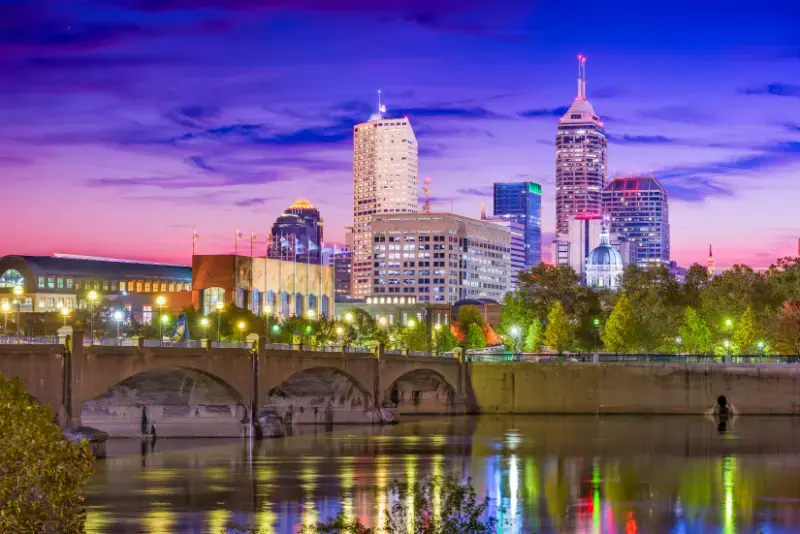
The city’s identity is broader than motorsport. Sports culture is visible around Lucas Oil Stadium and Gainbridge Fieldhouse, but art, Black history, Native American and Western art, green space, contemporary dining and a growing set of adaptive-reuse districts make the city more varied than a one-theme destination.
Start downtown: Monument Circle, the Canal and White River State Park
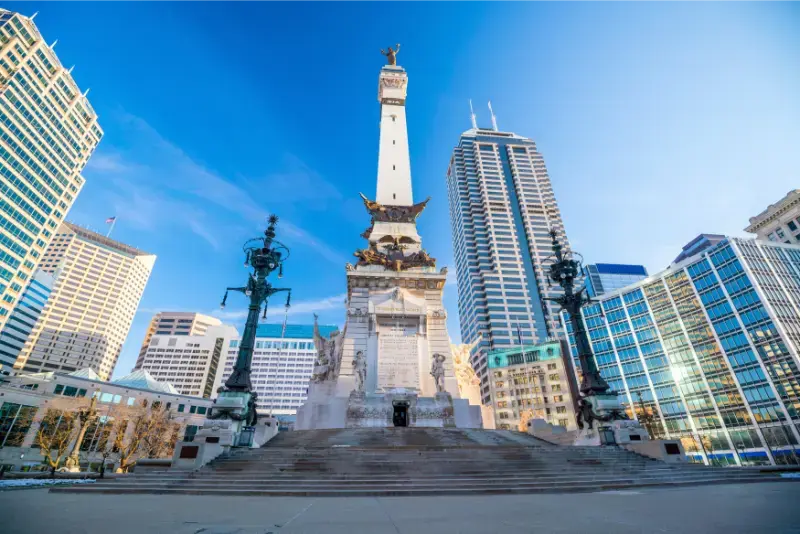
Monument Circle is the natural orientation point for a first visit. From here, you can walk toward the Indiana Statehouse, continue to the canal or connect with the Indianapolis Cultural Trail. The goal is not to tick off every monument but to understand how compact the central city is before deciding which museums deserve several hours.
White River State Park is particularly useful for families and first-time visitors because it places major attractions close together. The Eiteljorg Museum, Indiana State Museum and Indianapolis Zoo sit within the broader park district, while the canal gives the area a slower outdoor counterpoint. Pick one major museum rather than trying to race through all of them in a single afternoon.
Indianapolis Motor Speedway and the reimagined museum
The Indianapolis Motor Speedway is the city’s most internationally recognizable site. Even outside race week, the museum gives context to more than a century of motorsport history. The museum reopened after a major renovation with expanded galleries and new interactive spaces, so older trip reports can understate how much time a visit now deserves.
If a track experience matters to you, check the museum’s current tour schedule before building the day. May is an entirely different planning environment because of the Indianapolis 500. Hotel rates, road access and ticket demand can change sharply, so travelers who are not attending the race may prefer another month.
Neighborhoods worth leaving downtown for
Mass Ave works well for restaurants, small shops and evening energy; Fountain Square has an artsier, independent feel; Broad Ripple suits travelers who want cafés, nightlife and access to the Monon Trail. Bottleworks District is one of the easiest adaptive-reuse areas to add because it sits close to the central city and can combine food, entertainment and architecture in one stop.
Do not choose a neighborhood only because it appears on a list. Match it to the time of day: museums and monuments first, then a neighborhood where you actually want to eat or spend the evening. That produces a better trip than crossing town repeatedly for isolated restaurants.
Food and where to eat
Indianapolis has enough range that a first visit should not be reduced to one signature dish. Downtown and Mass Ave offer easy first-night options, Fountain Square adds independent restaurants and bars, and neighborhoods north of downtown broaden the choice further. The city’s food scene is most rewarding when you choose one or two areas and walk between stops instead of driving to separate addresses all evening.
For breakfast and lunch, markets, bakeries and casual counters make it easy to keep sightseeing flexible. For dinner, reservations are useful on event weekends and during major conventions.
How many days in Indianapolis?
Two full days is the practical minimum for a first visit. Three days allows the Speedway, a major museum, downtown, a neighborhood evening and a family attraction or park without rushing. Add a fourth night if the city is the start or finish of a larger Indiana road trip, because the extra buffer makes flight and rental-car logistics easier.
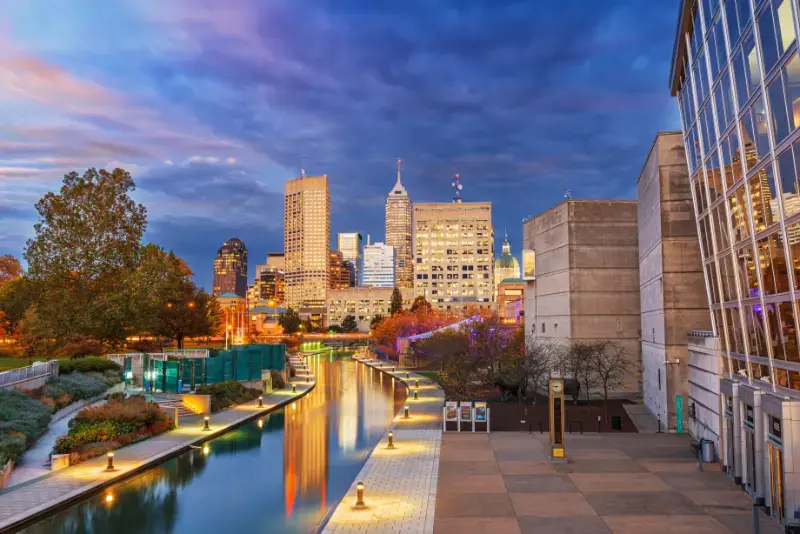
A simple three-day structure is: downtown and White River State Park on day one; Speedway plus a neighborhood on day two; family, art or a day trip on day three.
A realistic first-time itinerary
Day one can stay almost entirely downtown: Monument Circle, the canal, one museum and an evening on Mass Ave. Day two works well for the Speedway, Bottleworks and another neighborhood. On day three, choose family attractions, Newfields or a slower cultural morning rather than adding another long list of downtown monuments.
If you are using Indianapolis as the gateway to a statewide trip, pick up the rental car after your central-city days. That avoids paying for downtown parking while the vehicle sits unused and makes the transition to Brown County, Bloomington or Lafayette much cleaner.
Indianapolis with kids
The Children’s Museum of Indianapolis is large enough to deserve substantial time and should be treated as a major attraction, not a short stop. The zoo and White River State Park can anchor another family day, while the canal and playground breaks help prevent museum fatigue.
Families visiting during summer should build midday flexibility around heat and storms. In winter, museums become even more valuable, and a hotel near the attractions you plan to use can reduce the amount of cold-weather walking.
Compare current accommodation and choose a base that matches the places you actually plan to visit.
Search stays on Booking.com Compare Indiana staysCompare available guided experiences, attraction tickets and activities for your travel dates. Check duration, meeting point and cancellation conditions before booking.
When to visit
Spring and fall usually provide the most comfortable balance for walking and outdoor time. Summer is useful for festivals, long daylight and water activities but can be hot and humid; winter lowers crowds in many places but weather can disrupt driving and outdoor plans.
Always check the event calendar before choosing dates. University weekends, races, festivals and peak foliage can change hotel prices and parking far more than an ordinary seasonal average suggests.
Getting around
A car is the practical choice for most multi-stop Indiana trips. Downtown Indianapolis, university districts and compact town centers can be explored on foot once you park, but state parks, forest trailheads and rural attractions are much easier by road.
Build driving time with margin rather than using the fastest map estimate as a schedule. Construction, event traffic, weather and scenic-road stops can turn a short transfer into a substantial part of the day.
Where to stay
Compare available accommodation for your dates, budget and preferred location before you finalize your route.
Choose accommodation for the next morning as well as the current evening. A central hotel can save time in a city; a park-adjacent cabin or small-town inn can be more valuable on an outdoor trip because it removes an early drive.
Compare parking, breakfast, cancellation terms and resort or destination fees before judging a room by headline price. On event weekends, book earlier and avoid non-refundable rates until the trip structure is stable.
Common planning mistakes
The most common mistake is trying to visit too many regions in too little time. Indiana looks compact on a national map, but a route from Lake Michigan to southern Indiana still involves meaningful driving. Protect the experiences you care about most and use secondary stops as optional additions.
Another mistake is assuming every attraction follows the same weekly schedule year-round. Museums, park facilities, tours and seasonal recreation can change by day and season. Verify current details on official sites shortly before travel.
Build a better daily rhythm
Start the most important outdoor or high-demand attraction early, then place flexible walking, food and neighborhood time later in the day. This protects the trip from parking delays, heat and afternoon storms while keeping evenings relaxed.
A useful rule is one major commitment per half-day. Two museums, a long drive and a formal dinner may all be individually reasonable, but together they turn a vacation into a timetable. Leave space for the unexpected local place that makes the destination memorable.
Frequently asked questions
Is this destination good for a first Indiana trip?
Yes, if it matches your interests and the geography of the rest of your route. Use Indianapolis for the broadest first-time overview, the Dunes for Lake Michigan and outdoor travel, and smaller destinations when you want a slower regional experience.
Do I need to book in advance?
Book limited-capacity tours, event weekends, popular resorts and high-demand accommodation early. Ordinary parks and many museums are more flexible, but seasonal hours and closures should still be checked before travel.
Can I combine it with another Indiana destination?
Usually yes, but combine places by geography rather than by fame. Central Indiana destinations pair naturally with Indianapolis, Bloomington, Brown County and Columbus; northern destinations pair with South Bend and the Dunes; southern resort areas work best with Bloomington and Hoosier National Forest.
Official resources
More Indiana travel guides
-
10-Day Indiana Road Trip: Indianapolis, Brown County, Dunes, Amish Country & More
Plan a 10-day Indiana road trip through Indianapolis, Columbus, Madison, French Lick, Bloomington, Brown County, Lafayette, Indiana Dunes, South Bend, Shipshewana and Fort Wayne.
-
Best Places to Visit in Indiana: Indianapolis, Dunes, Brown County & More
Discover the best places to visit in Indiana, from Indianapolis and Indiana Dunes to Bloomington, Brown County, Fort Wayne, South Bend, French Lick and Columbus.
-
Where to Stay in Indiana: Best Bases for Cities, Dunes, State Parks and Road Trips
Decide where to stay in Indiana with the best bases for Indianapolis, Indiana Dunes, Brown County, state parks, Amish Country and southern road trips.
-
Best Places to Visit in Indiana: Cities, Dunes, Small Towns and Road Trip Stops
Plan an Indiana trip with the places that genuinely deserve time: Indianapolis, Indiana Dunes, Brown County, Bloomington, South Bend, Fort Wayne, French Lick, Columbus, Lafayette and more.
-
Indianapolis Travel Guide: Best Things to Do, Where to Stay and a Smart 2-Day Plan
A practical Indianapolis travel guide covering downtown, museums, the Speedway, neighborhoods, family attractions, where to stay and a realistic two-day itinerary.
-
Indianapolis Indiana Travel Guide: Museums, Speedway, Neighborhoods & Food
Plan an Indianapolis trip with downtown museums, Monument Circle, White River State Park, the Motor Speedway, neighborhoods, food, family attractions and practical tips.