

Fort Wayne Indiana Travel Guide: Family Attractions, Riverfront, Art & Food. Fort Wayne is one of Indiana’s easiest family city breaks. It has a compact downtown, a strong zoo and science museum, riverside public spaces, a growing food scene and enough indoor options to make a weekend work even when the weather is imperfect. The city is best approached as a relaxed two- or three-day stop rather than a checklist of attractions.
Why Fort Wayne works so well for a weekend
Fort Wayne combines big-city attractions with relatively simple logistics. Downtown can be explored on foot in sections, riverfront areas are close to museums and restaurants, and the strongest family attractions are easy to group by half-day rather than by long cross-town drives.
Visit Fort Wayne highlights more than 160 miles of trails and more than 80 parks in the wider area, so the city also works for travelers who want to mix museums with cycling, riverfront walks or playground time.
Fort Wayne Zoo
The Fort Wayne Zoo is a cornerstone family attraction and can easily take half a day. Families should resist pairing it with another major timed attraction immediately afterward; young children often need a slower meal or park break once the zoo visit ends.
Check the zoo’s seasonal calendar before travel because operating days and hours can vary. If the zoo is central to your trip, build the rest of the weekend around it rather than treating it as a flexible add-on.
Science Central and downtown museums
Science Central is one of the best rainy-day anchors in the city. Its hands-on approach makes it especially useful for families with school-age children, while adults can combine it with downtown architecture, public art and a longer meal rather than planning an entire day indoors.
The Fort Wayne Museum of Art and Foellinger-Freimann Botanical Conservatory give the city a broader cultural layer. The conservatory is particularly useful in winter or on hot summer afternoons.
Promenade Park, the rivers and outdoor time
Fort Wayne grew where three rivers meet, and recent riverfront investment has made that geography much more visible to visitors. Promenade Park is the obvious starting point, but the broader trail network is what makes the riverfront useful rather than decorative.
If you bring or rent bikes, choose one continuous trail experience instead of repeatedly loading bikes into a car. The city is at its best when riverfront, downtown and neighborhood stops feel connected.
Food, neighborhoods and evening plans
Downtown has become a practical dining base, with enough range for a weekend without driving after dinner. Travelers who like breweries, coffee, casual restaurants and local markets can build an evening around one district rather than chasing a single famous dish.
For a family trip, reserve the more ambitious restaurant for the evening after your lightest sightseeing day. On zoo or museum-heavy days, simpler food and an early night usually produce a better next morning.
How long to stay
Two nights works for a focused visit; three nights is better if you want the zoo, Science Central, riverfront, art and a slower food schedule. Fort Wayne also makes sense as a northern Indiana stop between Indianapolis, South Bend and Amish Country.
Because many attractions are family-oriented, school holidays and event weekends deserve earlier hotel booking than an ordinary midweek trip.
Fort Wayne for families
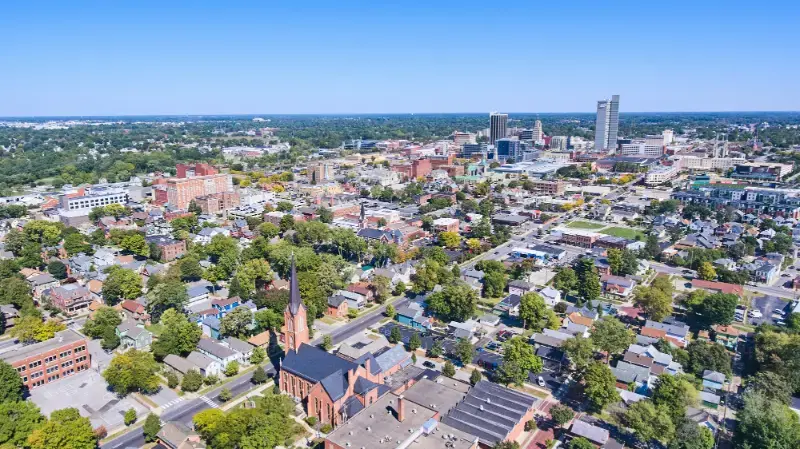
Fort Wayne is unusually strong for families because the zoo, science museum, conservatory, parks and riverfront can be mixed without long drives. Choose one headline attraction each morning and keep the afternoon flexible for parks, swimming or a shorter museum.
Grandparents traveling with children may find the city’s manageable scale easier than a major metro area. The important detail is not to underestimate walking inside the zoo or museums when planning the evening.
Seasonal planning
Spring and fall are comfortable for trails and riverfront time. Summer brings the fullest family schedule and outdoor events, while winter pushes the trip toward Science Central, museums, the conservatory and food. Event calendars can add real value, so check them before booking rather than after arrival.
If a specific seasonal attraction matters, verify its operating days. Fort Wayne is an all-year destination, but not every individual activity operates every day of the year.
Compare current accommodation and choose a base that matches the places you actually plan to visit.
Search stays on Booking.com Compare Indiana staysWhen to visit
Spring and fall usually provide the most comfortable balance for walking and outdoor time. Summer is useful for festivals, long daylight and water activities but can be hot and humid; winter lowers crowds in many places but weather can disrupt driving and outdoor plans.
Always check the event calendar before choosing dates. University weekends, races, festivals and peak foliage can change hotel prices and parking far more than an ordinary seasonal average suggests.
Getting around
A car is the practical choice for most multi-stop Indiana trips. Downtown Indianapolis, university districts and compact town centers can be explored on foot once you park, but state parks, forest trailheads and rural attractions are much easier by road.
Build driving time with margin rather than using the fastest map estimate as a schedule. Construction, event traffic, weather and scenic-road stops can turn a short transfer into a substantial part of the day.
Where to stay
Compare available accommodation for your dates, budget and preferred location before you finalize your route.
Choose accommodation for the next morning as well as the current evening. A central hotel can save time in a city; a park-adjacent cabin or small-town inn can be more valuable on an outdoor trip because it removes an early drive.
Compare parking, breakfast, cancellation terms and resort or destination fees before judging a room by headline price. On event weekends, book earlier and avoid non-refundable rates until the trip structure is stable.
Common planning mistakes
The most common mistake is trying to visit too many regions in too little time. Indiana looks compact on a national map, but a route from Lake Michigan to southern Indiana still involves meaningful driving. Protect the experiences you care about most and use secondary stops as optional additions.
Another mistake is assuming every attraction follows the same weekly schedule year-round. Museums, park facilities, tours and seasonal recreation can change by day and season. Verify current details on official sites shortly before travel.
Build a better daily rhythm
Start the most important outdoor or high-demand attraction early, then place flexible walking, food and neighborhood time later in the day. This protects the trip from parking delays, heat and afternoon storms while keeping evenings relaxed.
A useful rule is one major commitment per half-day. Two museums, a long drive and a formal dinner may all be individually reasonable, but together they turn a vacation into a timetable. Leave space for the unexpected local place that makes the destination memorable.
Budget and value
The cheapest option is not always the best value. Parking, fuel, resort fees, event surcharges and long commutes can erase savings quickly. Compare the total cost of the day, not only the room rate or ticket price.
Spend money on the experiences that are difficult to reproduce elsewhere and save on flexible meals, free parks, public art and self-guided walks. This produces a more distinctive trip without making every hour a paid attraction.
Accessibility and pace
Travelers with mobility needs should check official accessibility pages for individual attractions, trails and historic buildings because conditions differ widely. A destination can be broadly accessible while one specific trail, viewpoint or older building is not.
Families, older travelers and anyone planning around limited energy will usually enjoy the trip more with fewer hotel changes and a midday reset. Build the route around your real walking pace rather than the pace implied by an online checklist.
Practical detail before you go
Check the official attraction and tourism websites again during the final week before departure. Opening days, construction, weather alerts, event traffic and seasonal services are exactly the details most likely to change after a travel article is written. Keep screenshots or offline copies of essential confirmations, but use live official information for final operating decisions.
If one attraction becomes unavailable, replace it with something in the same geographic area rather than crossing the state for a substitute. Good travel planning preserves the shape of the day even when one individual stop changes.
Frequently asked questions
Is this destination good for a first Indiana trip?
Yes, if it matches your interests and the geography of the rest of your route. Use Indianapolis for the broadest first-time overview, the Dunes for Lake Michigan and outdoor travel, and smaller destinations when you want a slower regional experience.
Do I need to book in advance?
Book limited-capacity tours, event weekends, popular resorts and high-demand accommodation early. Ordinary parks and many museums are more flexible, but seasonal hours and closures should still be checked before travel.
Can I combine it with another Indiana destination?
Usually yes, but combine places by geography rather than by fame. Central Indiana destinations pair naturally with Indianapolis, Bloomington, Brown County and Columbus; northern destinations pair with South Bend and the Dunes; southern resort areas work best with Bloomington and Hoosier National Forest.
Continue planning with these Indiana guides
- Indianapolis travel guide
Official resources
More Indiana travel guides
-
10-Day Indiana Road Trip: Indianapolis, Brown County, Dunes, Amish Country & More
Plan a 10-day Indiana road trip through Indianapolis, Columbus, Madison, French Lick, Bloomington, Brown County, Lafayette, Indiana Dunes, South Bend, Shipshewana and Fort Wayne.
-
Best Places to Visit in Indiana: Indianapolis, Dunes, Brown County & More
Discover the best places to visit in Indiana, from Indianapolis and Indiana Dunes to Bloomington, Brown County, Fort Wayne, South Bend, French Lick and Columbus.
-
Where to Stay in Indiana: Best Bases for Cities, Dunes, State Parks and Road Trips
Decide where to stay in Indiana with the best bases for Indianapolis, Indiana Dunes, Brown County, state parks, Amish Country and southern road trips.
-
Best Places to Visit in Indiana: Cities, Dunes, Small Towns and Road Trip Stops
Plan an Indiana trip with the places that genuinely deserve time: Indianapolis, Indiana Dunes, Brown County, Bloomington, South Bend, Fort Wayne, French Lick, Columbus, Lafayette and more.
-
Indianapolis Travel Guide: Best Things to Do, Where to Stay and a Smart 2-Day Plan
A practical Indianapolis travel guide covering downtown, museums, the Speedway, neighborhoods, family attractions, where to stay and a realistic two-day itinerary.
-
Indianapolis Indiana Travel Guide: Museums, Speedway, Neighborhoods & Food
Plan an Indianapolis trip with downtown museums, Monument Circle, White River State Park, the Motor Speedway, neighborhoods, food, family attractions and practical tips.