

Best Time to Visit Indiana: Weather, Seasons, Events, Parks & Regional Trips. The best time to visit Indiana depends on what you want to do. May brings major Indianapolis motorsport energy, summer is strongest for Lake Michigan beaches and family attractions, October is the obvious foliage season, and spring can be excellent for waterfalls and state-park hiking when trails are not waterlogged. Winter is the quietest season for most road trips but can work well for museums, city weekends and cold-weather park experiences. Rather than choosing a single “best month,” match the season to the region and activity.
Spring: waterfalls, gardens and city weekends
March through May brings variable weather but strong reasons to travel. Rain can improve waterfalls at Clifty Falls and McCormick’s Creek, spring flowers return to gardens and campuses, and city temperatures are often comfortable for walking between museums and neighborhoods.
The trade-off is unpredictability. Trails may be muddy, storms can disrupt outdoor plans and temperatures can swing quickly. Pack layers and keep one indoor option for each day.
May in Indianapolis: a special case
May is not an ordinary month in Indianapolis because the Indianapolis 500 and related events transform the city. Motorsport fans may consider this the best possible time to visit, while travelers uninterested in racing may encounter higher hotel demand, traffic changes and a city calendar dominated by the event.
Decide which experience you want before booking. If the race is the purpose, reserve far ahead. If you want museums and neighborhoods without major-event intensity, choose another spring or autumn weekend.
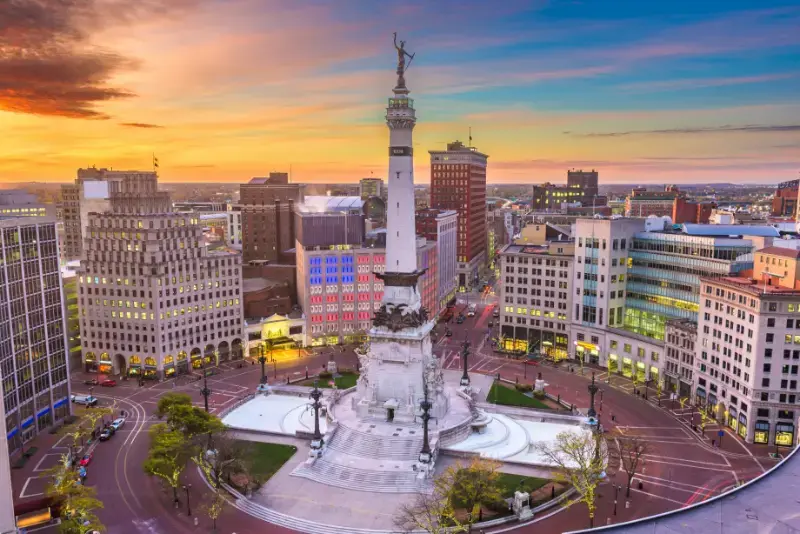
Summer: beaches, family attractions and long days
June through August is the easiest season for Indiana Dunes beach trips, lake activities, outdoor festivals and family travel tied to school vacations. Attractions generally operate their fullest schedules, and long daylight hours help on statewide road trips.
Heat, humidity and thunderstorms are the main drawbacks. Start hikes early, schedule indoor museums during the hottest afternoon hours and never assume Lake Michigan is calm simply because the air temperature is high.
Early autumn: one of the best all-around periods
September often combines warm days with lower humidity and fewer school-holiday crowds. It is a strong month for Indianapolis, Bloomington, Lafayette and outdoor trips before peak foliage traffic arrives.
Some seasonal attractions begin reducing hours after Labor Day, so verify schedules. For travelers who care more about comfortable weather than maximum leaf color, September can be better than October.
October: foliage and peak Brown County demand
October is Indiana’s signature road-trip month. Brown County, Turkey Run, Clifty Falls, Hoosier National Forest and smaller towns all benefit from autumn color and cooler hiking conditions.
The downside is concentration. Nashville and Brown County can be extremely busy on peak weekends, so book accommodation early and favor weekdays if your schedule allows. Foliage timing varies by year, so do not treat one date as guaranteed peak.
Winter: museums, quiet towns and cold-weather parks
Winter is the least obvious season for a statewide trip, but Indianapolis museums, university towns and historic hotels remain useful. Pokagon and other parks can offer a very different cold-weather landscape when conditions cooperate.
Snow and ice can affect roads and trails, and daylight is limited. Winter itineraries should be shorter, more urban and more flexible than summer road trips.
Best time by destination
Choose late spring or early autumn for Indianapolis city travel; summer or early autumn for Indiana Dunes; October for Brown County foliage; spring for waterfall-focused trips; university towns outside move-in and major game weekends if you want calmer travel; and shoulder seasons for small towns where parking is easier.
French Lick and West Baden work year-round because resort architecture and indoor experiences reduce weather dependence, while outdoor-heavy parks benefit more from seasonal planning.
Crowds, prices and events
Indiana is not uniformly expensive or crowded, but specific events create sharp local spikes. Indianapolis race periods, college football weekends, Brown County foliage weekends and summer beach days can all change normal patterns.
Search your exact dates rather than relying on average hotel prices. Flexible cancellation can be valuable when an outdoor trip depends heavily on weather.
How long to spend in Indiana
A long weekend is enough for Indianapolis plus one nearby destination. Five to seven days can combine Indianapolis, Bloomington/Brown County, Columbus and another region. Ten days allows northern or southern Indiana without constant long drives.
The state is easiest when you move in geographic loops rather than returning to Indianapolis after every excursion. Save the capital for the beginning or end and sleep near the parks or towns you plan to explore the next morning.
Compare current accommodation and choose a base that matches the places you actually plan to visit.
Search stays on Booking.com Compare Indiana staysA car is useful for this itinerary because the most interesting stops are spread beyond a single downtown. Compare vehicle categories, one-way fees and cancellation terms before booking.

More Indiana travel guides
- Indianapolis Indiana Travel Guide
- Indiana Dunes National Park Guide
- Brown County Indiana Travel Guide
- Bloomington Indiana Travel Guide
- French Lick & West Baden Indiana Travel Guide
- Best Places to Visit in Indiana
Official resources
Final planning advice
For most first-time travelers, late spring and early autumn offer the best balance of weather and manageable crowds. Summer is better for beaches and family schedules, while October is unmatched for foliage if you accept higher demand in Brown County.
Check the calendar for the exact destination, not just the state. A quiet weekend in one part of Indiana can coincide with a major race, football game or festival somewhere else, and those local events have the biggest effect on price and availability.
Weather flexibility
Indiana’s transitional seasons can change quickly. A warm afternoon may follow a cold morning, while summer storms can arrive after a clear start. Layering and flexible timing are more useful than relying on a single long-range forecast.
For outdoor-heavy trips, keep one museum, historic site or town day available as a weather swap. This is especially valuable in spring and during humid summer periods.
Best season for a first Indiana road trip
For a first statewide trip, late September through early October often offers a strong compromise: summer humidity has eased, many outdoor attractions are still operating normally, university towns are lively and southern foliage may be beginning. Late April through early June can be similarly attractive before peak summer heat, although spring storms require flexibility.
Travelers focused on Lake Michigan should lean later into summer, while waterfall-focused hikers may prefer spring. There is no single month that optimizes every region, which is why your itinerary should determine the season rather than the reverse.
Festival and university calendars
Indiana travel demand can be highly local. A football weekend may transform Bloomington, West Lafayette or South Bend while another part of the state remains quiet. County fairs, festivals and race events can have the same effect on hotel prices and parking.
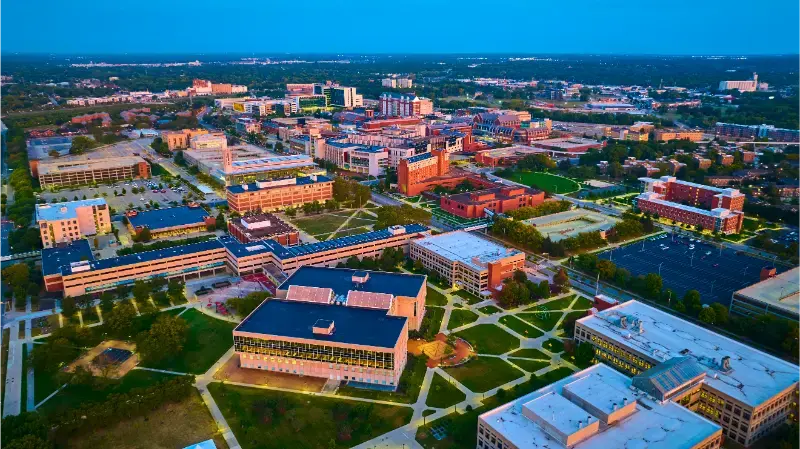
Check destination calendars before booking multi-night stays. If an event is not important to you, shifting by one day can sometimes produce a much calmer and cheaper visit.
Packing by season
Spring and autumn require layers and rain protection; summer calls for sun protection, water and breathable clothing; winter trips need footwear suited to ice and shorter daylight. Outdoor itineraries should always include a small daypack with water and weather protection even when the forecast looks mild.
A statewide Indiana trip can cross different microclimates in the same week, especially between Lake Michigan and southern hills. Pack for the activities you plan, not only the average temperature in Indianapolis.
Should you rent a car in Indiana?
For an Indianapolis-only weekend, a car is optional if you stay centrally and use occasional rides for farther attractions. For almost every statewide itinerary, a car becomes the practical choice because parks, small towns and regional attractions are dispersed. The exception is a trip built almost entirely around one urban base and a limited number of organized excursions.
If you are flying into Indianapolis, consider delaying the rental until you leave the city. This can reduce parking costs during downtown days and still give you full flexibility for Brown County, Bloomington, Columbus or the longer drive toward northern Indiana.
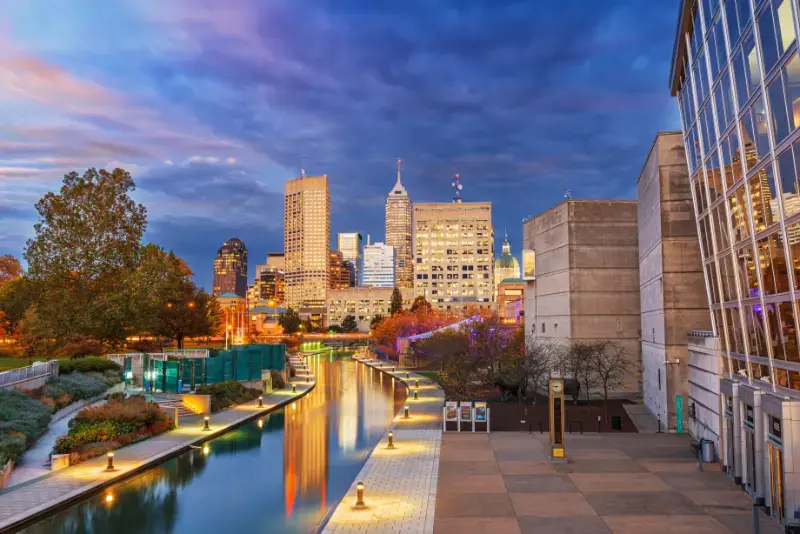
One final rule for choosing dates
Choose the season that makes your top two priorities easiest, not the season that looks best in a generic ranking. If the trip is mainly beaches and dunes, favor summer; if it is hiking and foliage, favor autumn; if it is waterfalls and comfortable city walking, consider spring; if it is museums and quiet hotels, winter can be perfectly reasonable. Once those priorities are clear, the rest of the itinerary becomes much easier to shape.
A slower way to plan this trip
A useful way to approach Best Time to Visit Indiana is to protect unscheduled time. Indiana trips often combine driving, parking, short walks and attractions with different operating hours, so a schedule that looks light on paper can already fill a full day. Build the route around one or two anchors, then use nearby neighborhoods, parks or cafés to absorb delays without turning them into problems.
Keep accommodation, transport and major ticket reservations flexible where possible. Weather and event calendars can change the best order of a trip, and the ability to swap two days is often more valuable than squeezing another stop into the itinerary.