

14-Day Michigan Road Trip: Detroit, Lake Michigan, Mackinac Island & Upper Peninsula. Michigan is one of the few states where a two-week road trip can move from a major city to freshwater beaches, dune country, car-free islands, engineering landmarks and genuinely remote Lake Superior scenery without repeating the same type of experience. The challenge is scale. Michigan has two peninsulas, four Great Lakes shorelines within practical reach, seasonal ferries and long northern driving days. A good 14-day route therefore needs regional bases, realistic transfer times and at least a little weather flexibility.
- 1Days 1–2: Detroit
- 2Day 3: Lansing and Frankenmuth
- 3Days 4–5: Traverse City and Sleeping Bear Dunes
- 4Day 6: Petoskey and Harbor Springs
- 5Day 7: Mackinaw City and Mackinac Island
- 6Day 8: Sault Ste
- 7Day 9: Tahquamenon Falls
- 8Days 10–11: Munising and Pictured Rocks
- 9Day 12: Marquette
- 10Days 13–14: Porcupine Mountains and return planning
Why this belongs in your Michigan itinerary
This itinerary is designed for a first substantial Michigan trip rather than a speed run. It starts in Detroit, moves north through the Lower Peninsula, crosses the Mackinac Bridge, then follows the Upper Peninsula westward. The route intentionally avoids bouncing back and forth between coasts. It also leaves the most weather-sensitive Lake Superior experiences in multi-night northern bases where a cruise, hike or beach day can move by a few hours if wind or rain changes the plan.
A route this large is most successful when it is treated as a chain of regional stays rather than fourteen separate hotel nights. Build the trip around a few anchors, reserve the hard-to-replace pieces first, and keep the rest of each day flexible enough for scenic stops. Michigan’s shorelines, ferry systems and northern roads all reward a plan that values timing and geography more than the number of pins on a map.

Essential places and experiences
Detroit

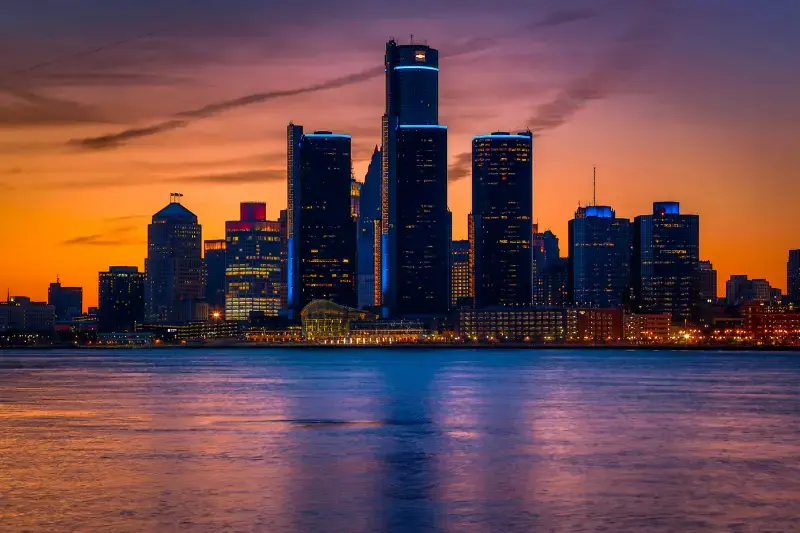
Use the first full day for the riverfront, downtown architecture, Motown or automotive history. Detroit gives the route an urban opening and is a practical airport gateway. Give the stop enough time to feel like part of the trip rather than a quick photograph. Check current access, parking, seasonal hours or reservation requirements on the official site shortly before departure.
Lansing and Frankenmuth
Break the northbound drive with Michigan’s capital region and a Bavarian-influenced small-town stop. Treat these as complementary rather than trying to make each a full multi-day base. Give the stop enough time to feel like part of the trip rather than a quick photograph. Check current access, parking, seasonal hours or reservation requirements on the official site shortly before departure.
Traverse City and Sleeping Bear Dunes
Give northwest Michigan two nights if possible. Beaches, M-22, wineries, dunes and sunset viewpoints reward a slower pace. Give the stop enough time to feel like part of the trip rather than a quick photograph. Check current access, parking, seasonal hours or reservation requirements on the official site shortly before departure.
Petoskey and Harbor Springs
Follow Little Traverse Bay and the Tunnel of Trees corridor. This section works especially well when scenic driving matters as much as headline attractions. Give the stop enough time to feel like part of the trip rather than a quick photograph. Check current access, parking, seasonal hours or reservation requirements on the official site shortly before departure.
Mackinaw City and Mackinac Island
Park the car on the mainland and dedicate a day to the car-free island. Ferry schedules and weather should shape the day, not an overstuffed checklist. Give the stop enough time to feel like part of the trip rather than a quick photograph. Check current access, parking, seasonal hours or reservation requirements on the official site shortly before departure.
Sault Ste. Marie and Soo Locks
Watch Great Lakes freighters and use the city as a practical bridge between eastern and central Upper Peninsula stops. Give the stop enough time to feel like part of the trip rather than a quick photograph. Check current access, parking, seasonal hours or reservation requirements on the official site shortly before departure.
Tahquamenon Falls
The Upper and Lower Falls areas deserve real walking time. Do not treat them as a ten-minute roadside photo stop. Give the stop enough time to feel like part of the trip rather than a quick photograph. Check current access, parking, seasonal hours or reservation requirements on the official site shortly before departure.
Munising and Pictured Rocks
Use Munising as a base for a cruise, waterfalls and selected hikes. Lake Superior conditions can affect boat schedules, so keep a land-based backup. Give the stop enough time to feel like part of the trip rather than a quick photograph. Check current access, parking, seasonal hours or reservation requirements on the official site shortly before departure.
Marquette
Add an urban Lake Superior pause with downtown food, Presque Isle Park and shoreline trails. Give the stop enough time to feel like part of the trip rather than a quick photograph. Check current access, parking, seasonal hours or reservation requirements on the official site shortly before departure.
Porcupine Mountains
Finish the northern arc with Lake of the Clouds, forest hikes and the western Upper Peninsula before the long return south. Give the stop enough time to feel like part of the trip rather than a quick photograph. Check current access, parking, seasonal hours or reservation requirements on the official site shortly before departure.
How much time to allow
- Days 1–2: Detroit
- Day 3: Lansing and Frankenmuth
- Days 4–5: Traverse City and Sleeping Bear Dunes
- Day 6: Petoskey and Harbor Springs
- Day 7: Mackinaw City and Mackinac Island
- Day 8: Sault Ste. Marie
- Day 9: Tahquamenon Falls
- Days 10–11: Munising and Pictured Rocks
- Day 12: Marquette
- Days 13–14: Porcupine Mountains and return planning
Fourteen days is enough for a representative statewide route, but not for every worthwhile Michigan destination. Do not add more stops unless they fit naturally between existing bases. The route should still contain unscheduled time for a beach, lighthouse, roadside market, short trail or local meal that you discover while driving.
If you have only ten or eleven days, remove the western Upper Peninsula or shorten the Detroit and northwest Michigan sections rather than turning every night into a new hotel. If you have three weeks, add Isle Royale, more Lake Michigan beach towns or additional Keweenaw Peninsula time instead of simply extending city stays.
Getting around and route logic
A rental car is the most flexible option for this trip because many of Michigan’s most rewarding experiences sit outside dense transit networks. Compare the full rental cost, parking conditions, one-way fees and mileage rules rather than looking only at the headline daily rate. In northern Michigan and the Upper Peninsula, keep fuel comfortably above empty and download maps before leaving larger towns.
A car is useful for connecting Great Lakes towns, trailheads and seasonal attractions. Compare the full rental conditions before booking.
Compare cars with DiscoverCarsWhere to stay
Compare available accommodation for your dates, budget and preferred location before you finalize your route.
Use two-night bases in Detroit, Traverse City and Munising when your schedule allows. On the Upper Peninsula, choose lodging for geography rather than amenities: reducing an hour of unnecessary driving can be more valuable than having a larger hotel. Mackinaw City is practical for an early ferry, while Marquette works well as a comfortable reset between remote sections.
Compare current accommodation options for Michigan and choose a base that fits the actual shape of your itinerary.
Search stays on Booking.comFood, breaks and the pace of the day
Michigan trips are easier when meals support the route instead of interrupting it. Use a quick local lunch near the day’s main attraction and save the longer meal for the evening, when parking and sightseeing pressure are lower. Farmers markets, bakeries, fish shops and neighborhood restaurants often reveal more about a destination than a generic highway stop.
Best time to go
Late spring through early fall gives the broadest access, but each period changes the character of the trip. Summer offers the most predictable ferry and attraction schedules, while September and early October can combine cooler hiking weather with foliage. Shoulder-season travel requires more checking because boat services, restaurants and smaller attractions may reduce schedules.
Before departure, recheck the official source for the one or two experiences that would be difficult to replace. Michigan weather can change quickly near the Great Lakes, and seasonal businesses may adjust schedules outside peak summer. A flexible backup plan is more useful than assuming every attraction, ferry, campground or museum operates the same hours all year.
Tours and activities
Guided experiences can be worthwhile when they add access, interpretation or convenience that would be difficult to reproduce independently. Compare the actual itinerary, duration and cancellation conditions rather than booking solely from a headline image.
Check currently bookable tours and activities for your travel dates. Verify duration, meeting point and cancellation conditions before reserving.
Practical planning notes
The biggest planning mistake is underestimating Great Lakes weather. A warm inland forecast does not guarantee warm conditions on an exposed Lake Superior cruise or beach. Pack layers, keep a rain shell accessible and avoid making every day depend on a single boat departure. Fuel stops and mobile coverage also become less frequent in parts of the Upper Peninsula, so download maps and avoid letting the tank run low.
Another useful rule for 14-Day Michigan Road Trip is to protect the first and last hour of daylight. Early starts improve parking and trail access, while an unhurried evening lets you enjoy waterfronts, downtown streets or scenic overlooks after day visitors begin to leave. If the weather turns poor, shift to museums, food or a shorter local walk instead of forcing a long outdoor plan.
Related Michigan guides
- Detroit
- Traverse City
- Mackinac Island
- Pictured Rocks
- Marquette
- Scenic Drives
Official resources to check before you go
Frequently asked questions
Is 14 days enough for Michigan?
It is enough for a broad first road trip if you accept that some regions will be sampled rather than explored completely. Two weeks should still include multi-night bases rather than fourteen one-night stops.
Should I drive the Upper Peninsula?
Yes if Lake Superior scenery is a major priority and you are comfortable with longer driving days. If your trip is city-focused, you can build an excellent Lower Peninsula itinerary instead.
Do I need reservations?
Reserve lodging in popular lake towns, Mackinac Island transport-related plans, high-demand campgrounds and any must-do cruise or ferry. Keep ordinary roadside stops flexible.
What is the biggest planning risk?
Trying to cover too much distance. Great Lakes weather, ferries, construction and scenic stops can all slow the route. Build margin into the schedule.
Final planning advice
The best version of 14-Day Michigan Road Trip is the one that leaves enough margin for Michigan’s changing weather, long shorelines and unexpected local stops. Reserve the difficult-to-replace pieces, group each day by geography and resist the temptation to add a distant stop just because it looks close on a map. The Great Lakes State rewards a trip that feels spacious rather than rushed.
Compare current accommodation options for Michigan and choose a base that fits the actual shape of your itinerary.
Check accommodation