

Milwaukee Wisconsin Travel Guide: Lakefront, Museums, Beer & Neighborhoods. Milwaukee is one of the easiest Great Lakes cities to underestimate. Its first impression is often tied to brewing history, but the city works best when you combine the Lake Michigan waterfront, ambitious museums, compact historic districts, neighborhood food and a strong local identity that feels distinctly Midwestern rather than like a smaller version of Chicago. A first trip can be rewarding in two days, while three days allow enough time to add neighborhoods such as Bay View or the East Side without turning the visit into a checklist.
Why this destination belongs in a Wisconsin trip
Milwaukee suits travelers who want an urban break with less friction than a very large city. Downtown, the Historic Third Ward, the Milwaukee River and the lakefront form a practical core, while separate districts add restaurants, markets and nightlife. The city also makes an excellent starting point for a Wisconsin itinerary because Madison, Lake Geneva, Door County and the state’s lakefront corridors can all be combined without backtracking if the route is planned geographically.
Essential places and experiences
Milwaukee Art Museum and the lakefront
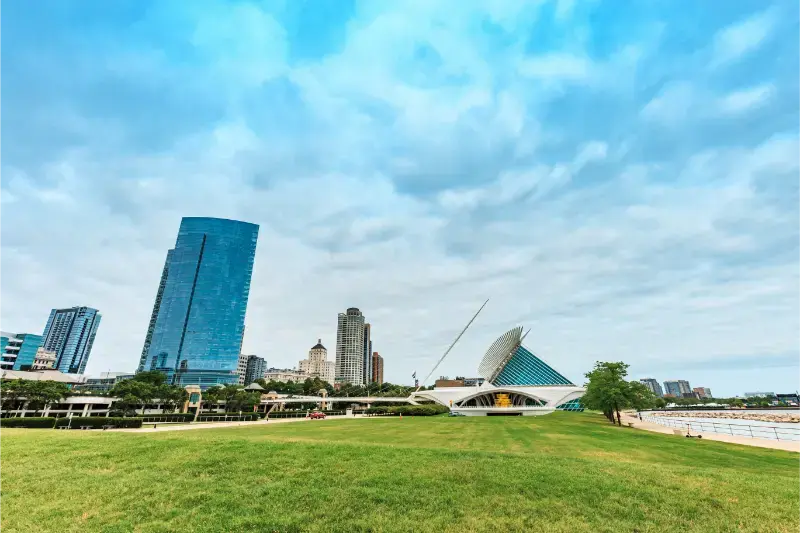
The Milwaukee Art Museum is the visual anchor of the waterfront and one of the city’s most recognizable buildings. Even travelers who are selective about museums should leave enough time to experience both the architecture and the galleries rather than treating the building as a photo stop. Pair the museum with a walk along the lakefront so the day includes open space and views instead of several indoor attractions in sequence.

Historic Third Ward and Milwaukee Public Market
The Historic Third Ward is one of the best areas for a first visit because former warehouse blocks now hold galleries, shops, restaurants and apartments. Milwaukee Public Market gives the neighborhood a useful food stop and works well for a casual lunch when a group wants different things. The area also connects naturally with the RiverWalk and downtown, reducing the need to move the car repeatedly.
Harley-Davidson Museum
The Harley-Davidson Museum is much broader than a showroom. It explains design, manufacturing, branding and American road culture, so it can work even for visitors who are not motorcycle enthusiasts. Allow enough time to read the context rather than rushing past the bikes; it is particularly effective on a day when Lake Michigan weather makes outdoor plans less appealing.
RiverWalk, downtown and the theater district
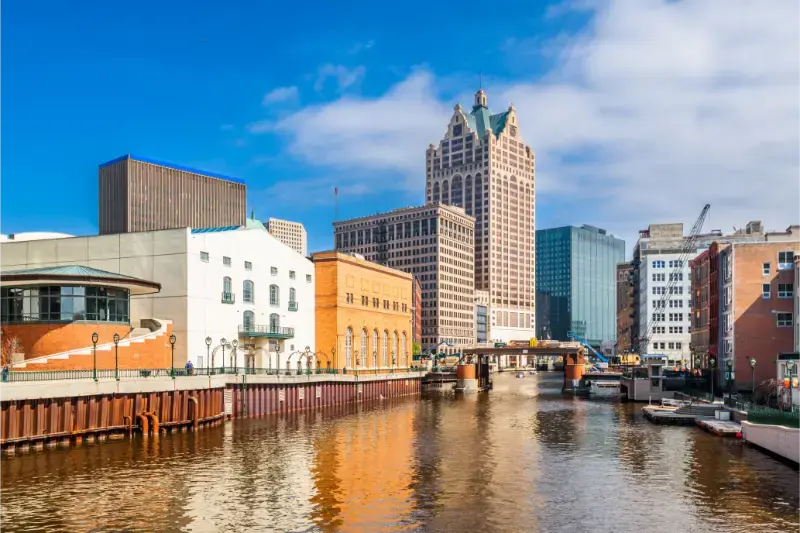
Milwaukee’s RiverWalk helps connect downtown districts while giving visitors a different angle on the city’s industrial and commercial history. Use it as part of the route rather than a separate attraction. Downtown architecture, performing-arts venues and riverside restaurants can fill the evening without another major ticketed stop.
Bay View, East Side and Brady Street
The neighborhoods are where Milwaukee begins to feel less like a weekend checklist and more like a lived-in city. Bay View has an independent restaurant and café scene, while the East Side and Brady Street add bars, shops and easy access toward the lake. Choose one neighborhood that matches your interests instead of crossing the city to sample all of them in one afternoon.
Brewing culture without making the trip only about beer
Brewing is part of Milwaukee’s history, from large legacy names to modern craft producers, but it is best treated as one layer of the city. A brewery tour or taproom can fit naturally after a museum or neighborhood walk. Travelers who do not drink still have plenty of food, architecture, lakefront and cultural experiences, so beer does not need to define the itinerary.
Where to stay
Compare available accommodation for your dates, budget and preferred location before you finalize your route.
For a first visit, downtown and the Historic Third Ward are the easiest bases because they keep major museums, the market, riverfront and many restaurants close together. The East Side works well for travelers who prefer a neighborhood feel and nightlife. Bay View is attractive for repeat visitors or people prioritizing local restaurants over being within walking distance of the main downtown sights. During major festivals and summer weekends, prices can change sharply, so compare the total stay rather than focusing only on the nightly rate.
Compare current accommodation options for Milwaukee Wisconsin and choose a base that fits the actual shape of your itinerary.
Check hotels and staysGetting around
A car is not essential for a short downtown-focused Milwaukee trip, especially if your hotel is central and you use rideshare or local transit for a few longer hops. A car becomes much more useful when Milwaukee is the first stop on a wider Wisconsin route. Downtown parking can add meaningful cost, so check hotel parking before booking. If you drive to separate neighborhoods, group stops by area instead of returning downtown between every attraction.
Food and local flavor
Milwaukee food is more interesting than a list of cheese curds and bratwurst. Those classics are worth trying, but also look for Friday fish fry traditions, German and Polish influences, newer chef-driven restaurants and the varied vendors at Milwaukee Public Market. A good food plan mixes one iconic local specialty with neighborhood restaurants rather than eating every meal near the biggest attractions.
Best time to visit
Late spring through early fall gives the broadest range of lakefront events, patios and outdoor activities. Summer can be busy during major festivals, while fall brings comfortable walking weather and easier day trips. Winter changes the rhythm toward museums, food and indoor attractions; it can still be rewarding if you plan around weather rather than expecting a summer-style waterfront trip. Always check event calendars because a large festival or sports weekend can affect hotel availability and traffic.
How to structure the trip
A practical two-day plan is to spend the first day around the lakefront, downtown and Third Ward, then use day two for Harley-Davidson, one neighborhood and a brewery or food-focused experience. With a third day, add an architecture-oriented walk, a longer lakefront section or a day trip toward Lake Geneva or Madison. This pacing is intentionally light enough to leave room for meals and weather changes.
Practical planning that makes the visit easier
Build each day around one primary experience and a small geographic cluster rather than a long list of unrelated stops. Wisconsin travel is usually more enjoyable when you protect time for lakefront walks, meals and weather changes. Check parking rules, seasonal access, ferry or tour schedules and state-park requirements shortly before departure, because operational details can change after an article is published. If a reservation would be difficult to replace—such as a boat tour, major event, ferry-linked activity or peak-season lodging—book that first and keep lower-priority stops flexible.
For driving days, estimate time using the actual route rather than straight-line distance. Lakefront roads, small towns, construction and scenic stops can make a transfer longer than expected. Avoid scheduling a major ticketed attraction immediately after the longest drive of the trip. When traveling with children or mixed mobility levels, identify a shorter alternative for every demanding hike or long walking day so the group can adjust without losing the entire itinerary.
Family, accessibility and weather notes
Wisconsin destinations are generally easy to adapt for families, but the details differ by place. Museums and urban attractions often have straightforward accessibility information, while bluff trails, beaches, sea caves and historic paths can be uneven or steep. Use official accessibility pages when mobility is a deciding factor. Near the Great Lakes, conditions can feel much cooler and windier than inland forecasts suggest, so layers are useful even in summer. Water activities should be planned around current marine conditions, not only air temperature.
Budget and reservation strategy
For Milwaukee Wisconsin, separate fixed costs from flexible spending before you book. Accommodation, parking, ferry or cruise tickets, major attractions and rental cars are the items most likely to change the shape of the trip. Compare the total price rather than the headline rate: resort fees, parking charges, admission, fuel and minimum-stay rules can matter more than a small difference in room price. Reserve the experiences that would be difficult to replace, especially on summer weekends and fall-color dates, but avoid prepaying every meal and minor attraction. Keeping part of the budget and schedule flexible makes it easier to react to weather, traffic or a place you unexpectedly want to spend more time in.
Photography and sightseeing are usually better early or late in the day, when waterfronts, downtown streets and popular overlooks are less crowded and the light is softer. Midday can then be used for museums, lunch, a drive to the next cluster or a lower-priority stop. This rhythm also reduces the temptation to rush between distant attractions merely because they appear close on a map. If a day already includes a long hike, boat trip or major museum, resist adding another time-sensitive reservation in the evening; Wisconsin trips tend to work best when one important experience has room to breathe.
Check current tours and bookable experiences for this destination. Availability changes by date and season.
Compare current accommodation options for Milwaukee Wisconsin and choose a base that fits the actual shape of your itinerary.
Compare accommodationOfficial resources to check before your trip
Frequently asked questions
How many days should I allow?
For a focused city or small-town visit, two full days is a useful starting point. Outdoor regions and destinations involving ferries, boat tours or several communities benefit from three days or more because weather and transfer time matter. If this stop is part of a larger Wisconsin road trip, avoid reducing every destination to one night simply to increase the number of pins on the map.
Do I need to book far in advance?
Peak summer weekends, fall-color dates, major sports events, popular resorts, boat tours and limited-capacity activities deserve early attention. Ordinary museums, parks and casual restaurants often allow more flexibility. The best strategy is to reserve only the experiences that would materially change the trip if sold out, while keeping weather-dependent parts adaptable.
Can I visit without a car?
Central Milwaukee and Madison are the easiest Wisconsin destinations without a car. Most peninsula, state-park, Lake Superior and multi-stop itineraries are much simpler with one. If you prefer not to drive, build the trip around a single walkable base and book tours or transfers that explicitly solve the transportation gap rather than assuming rideshare will be available everywhere.