

A good Iowa road trip should not feel like a race to prove how many towns fit into seven days. The state’s best experiences are spread between cities, historic communities, river valleys and landscapes that reward slower roads. This itinerary builds a practical eastbound loop from Des Moines through Madison County, Amana, Iowa City, Dubuque and northeast Iowa’s Driftless Area before finishing along the Mississippi corridor.
The route deliberately leaves western Iowa for a separate trip. Trying to add Council Bluffs, Sioux City and the Loess Hills to this week would create too many long transfer days. Seven days is enough for a satisfying central-and-eastern Iowa journey if you choose strong anchors and resist the temptation to add every state park on the map.

- Trip length: 7 days / 6–7 nights
- Best airports/bases: Des Moines for the cleanest start; Cedar Rapids can work for a modified eastern-only loop
- Car: Essential
- Best seasons: Late spring, early summer and fall; midsummer works with earlier outdoor starts
- Pace: Moderate—one major destination per day plus selective secondary stops
- 1Day 1: Des Moines: urban Iowa without overloading the schedule
- 2Day 2: Madison County and Winterset
- 3Day 3: Amana Colonies and Iowa City → Then choose one: Cedar Rapids for Czech/Slovak heritage and museums, or a direct drive…
- 4Day 4: West Branch, Cedar Rapids or straight to Dubuque
- 5Day 5: Dubuque and Mines of Spain
- 6Day 6: Great River Road to McGregor, Effigy Mounds and Harpers Ferry
- 7Day 7: Driftless Area and Decorah → and begin the return earlier
Why this stop deserves space in an Iowa itinerary
This itinerary works because each day changes character. Des Moines gives you urban museums and neighborhoods; Madison County shifts to covered bridges and rural scenery; Amana and Iowa City combine heritage with a university town; Dubuque brings the Mississippi; the final days move into bluff country, sacred landscapes and scenic roads.
It also minimizes backtracking. Rather than bouncing across the state, the route moves gradually east and northeast, using scenic roads when they add value and faster highways when the goal is simply to reposition.
What to do — and how to plan it well
Day 1 – Des Moines: urban Iowa without overloading the schedule
Start with the Iowa State Capitol area, downtown/East Village and the Pappajohn Sculpture Park or another attraction that fits your interests. The goal is to arrive, orient and enjoy the city—not to squeeze every museum into a jet-lagged afternoon.
Stay in Des Moines. A central hotel makes dinner and morning departure easier.
Planning note: If your flight arrives late, drop one attraction instead of stealing time from the next day.
Day 2 – Madison County and Winterset
Drive south-west to Winterset for covered bridges, historic town atmosphere and county scenery. Choose several bridges rather than all of them; the rural roads and photo stops take longer than expected.
Return toward Des Moines or continue east depending on your lodging strategy. Travelers who dislike changing hotels can keep a second night in Des Moines.
Planning note: This is a good day to prioritize local roads because the journey itself is part of the attraction.
Day 3 – Amana Colonies and Iowa City
Move east to the Amana Colonies. Give yourself time for one museum/heritage stop, lunch and a walk rather than treating the seven villages as a checklist. In the afternoon continue to Iowa City for the Old Capitol area and downtown.
Sleep in Iowa City. The contrast between Amana’s heritage tourism and Iowa City’s university culture makes the day feel varied without excessive mileage.
Planning note: If you want Herbert Hoover National Historic Site, insert West Branch late afternoon only if indoor hours still work; otherwise move it to the next morning.
Day 4 – West Branch, Cedar Rapids or straight to Dubuque
Use the morning for Herbert Hoover National Historic Site if you skipped it on Day 3. Then choose one: Cedar Rapids for Czech/Slovak heritage and museums, or a direct drive to Dubuque for more time on the Mississippi.
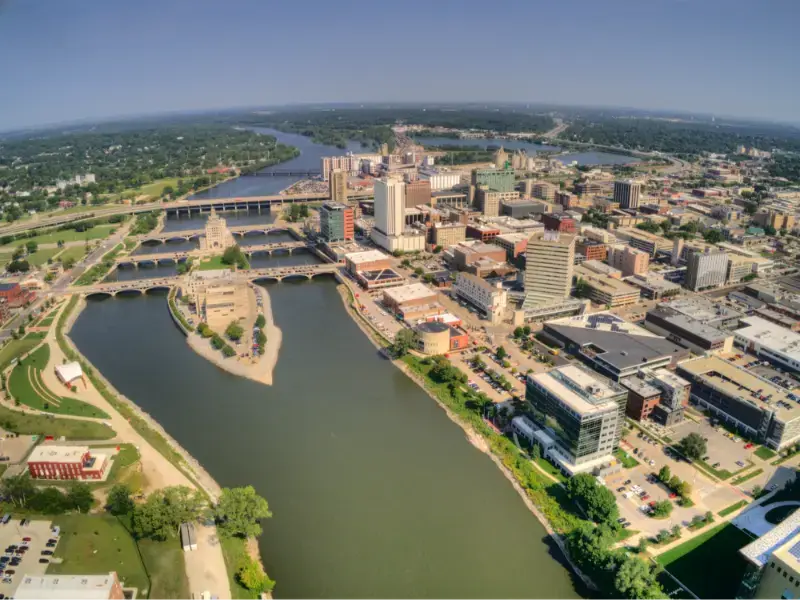
Do not attempt both Cedar Rapids and a full Dubuque museum schedule. Pick the story that matters more to you.
Planning note: Sleep in Dubuque for two nights if possible; it reduces packing and gives the river corridor breathing room.
Day 5 – Dubuque and Mines of Spain
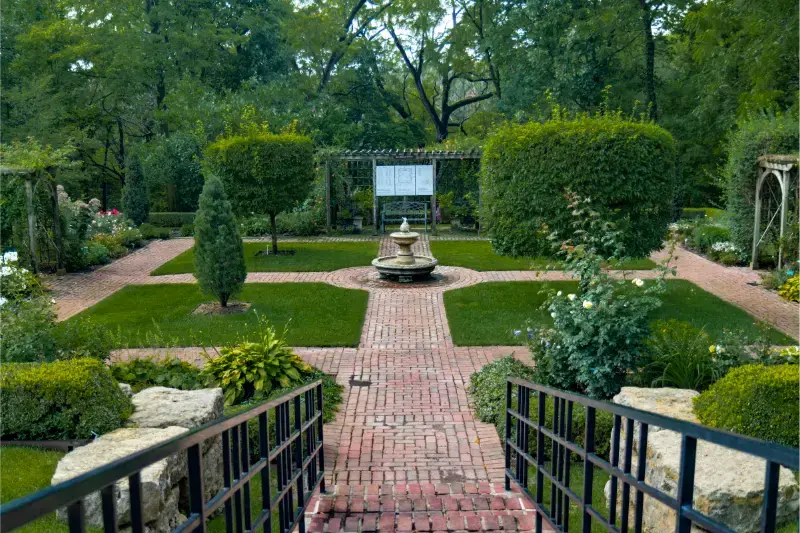
Spend the morning in Dubuque’s riverfront or National Mississippi River Museum area, then shift outdoors to Mines of Spain. The city-nature combination is stronger than using the entire day for indoor exhibits.
Use late afternoon for the Julien Dubuque Monument or a bluff walk when light is softer.
Planning note: Second night in Dubuque.
Day 6 – Great River Road to McGregor, Effigy Mounds and Harpers Ferry
Drive north along the Mississippi corridor, stopping at Pikes Peak State Park or McGregor before continuing to Effigy Mounds National Monument. Choose a realistic hike based on time and weather; the cultural significance deserves more than a rushed overlook.
Continue to Harpers Ferry/Lansing or Decorah for the night. If you want a major Yellow River hike, save it for Day 7 rather than adding it after Effigy Mounds.
Planning note: This is one of the trip’s most scenic days, so avoid a rigid dinner reservation that forces you to leave every viewpoint early.
Day 7 – Driftless Area and Decorah
Choose between Yellow River State Forest for a more rugged outdoor day or a gentler scenic route through Lansing, Mount Hosmer and the Driftless Area Scenic Byway. Finish in Decorah for food, museum time or a waterfall stop depending on your departure plan.
If flying from Des Moines the same evening, this day becomes too long. Add an eighth night or reposition toward Des Moines on Day 6.
Planning note: For a seven-day trip ending in eastern Iowa, Cedar Rapids is a more convenient departure airport than forcing a cross-state return.
How much time you really need
- Best version: Fly into Des Moines and out of Cedar Rapids if airfare/rental-car terms are reasonable.
- Round-trip Des Moines version: Skip one northeast Iowa stop on Day 7 and begin the return earlier.
- Family version: Reduce museum density and add lake/park time; keep two-night bases in Des Moines and Dubuque.
- Hiking version: Shorten Amana/Cedar Rapids time and give Yellow River a full day.
The important distinction is between time on site and time the destination occupies in your day. Parking, rural roads, meals, trail conditions and the temptation to add one more nearby stop all expand a visit. Build the schedule from your highest-priority experience backward, not from a list of everything that appears on a map.
Getting there, parking and practical access
Iowa road-trip distances look deceptively easy because interstate travel is straightforward. The slower days are the scenic ones: Madison County gravel/secondary roads, Great River Road, and the Driftless Area. Do not compare those drives to an I-80 transfer.
A standard rental car is sufficient for this itinerary in normal conditions. If you choose optional gravel routes, confirm rental terms and road conditions first.
Book two-night stays where possible. Des Moines and Dubuque are the easiest places to reduce hotel changes without sacrificing route efficiency.
Best time to visit
Late spring gives green landscapes and comfortable city walking, though trails can be muddy. Early summer provides long days. July and August can be hot and humid, so move hikes to morning. September and October are excellent, especially in northeast Iowa, but fall-color weekends can tighten lodging supply.
Winter is possible as a city-and-history trip but requires a different route with fewer rural scenic roads and much more weather flexibility.
Who will enjoy it most — and who may not
This itinerary suits first-time visitors who want a balanced Iowa trip rather than a single-theme vacation. It mixes cities, history, scenic roads and hiking without requiring specialist outdoor gear or very long driving days.
Travelers focused primarily on the Loess Hills, western Iowa or the Iowa Great Lakes should build a different route. Trying to bolt those areas onto this week would reduce the quality of both halves.
Where to stay and how to choose a base
Compare available accommodation for your dates, budget and preferred location before you finalize your route.
Des Moines is the easiest statewide hub for flights, rental cars and a first or final night. On a multi-day scenic drive, however, do not commute back to Des Moines every evening; moving the overnight base is what lets slower roads remain enjoyable.
For weekends, festivals and peak fall-color periods, book earlier than you would for an ordinary rural stop. Small towns can have plenty of charm but limited room inventory; a single wedding, tournament or festival can absorb much of it.
The decisions that make the trip better
- What should first-time visitors cut if they only have five days? Drop Madison County or the deepest Driftless segment, not both city anchors.
- Where should you spend two nights? Des Moines and Dubuque offer the best mix of evening options and nearby day trips.
- Is western Iowa missing? Deliberately. The Loess Hills, Council Bluffs and Sioux City deserve their own route rather than being bolted onto this week.
- Best upgrade: Make it 8–9 days and add a full Yellow River hiking day plus a slower Great River Road segment.
What to do if weather changes the plan
Do not treat bad weather as a failed trip. Separate the itinerary into weather-sensitive and weather-resistant pieces. Outdoor overlooks, long hikes and riverfront photography can move to the clearest window; museums, visitor centers, historic downtowns and meals can fill wet or excessively hot periods. This simple reordering often saves a day without adding mileage.
After storms, trail and river conditions matter more than the general weather forecast. Check the official managing agency for closures, mud, flooding, ice or water-level issues before setting out. If a trail is closed, do not invent an unofficial workaround; switch to another public access point or use a nearby town stop.
Common mistakes to avoid
- Adding the Loess Hills to this eastern itinerary just because Iowa looks compact on a map.
- Changing hotels every night when two-night city bases would save time.
- Planning scenic-road days at interstate driving speeds.
- Booking a same-evening flight after a full Driftless sightseeing day.
How to combine this stop with the rest of Iowa
The strongest Iowa itineraries are built from geographic clusters. Pair places that reinforce each other and keep one major experience per half day. That approach leaves room for the unscheduled diner, overlook, small museum or trail that turns out to be better than expected.
- Des Moines Iowa Travel Guide
- Winterset & Madison County Guide
- Amana Colonies Iowa Travel Guide
- Iowa City Travel Guide
- Herbert Hoover National Historic Site Guide
- Dubuque Iowa Travel Guide
- Mines of Spain Guide
- Effigy Mounds National Monument Guide
- Driftless Area Scenic Byway Guide
Official resources to check before you go
- Travel Iowa – Scenic Road Trips — statewide road-trip ideas and scenic-route planning
- Iowa DOT – Iowa’s Byways — official scenic-byway maps and route information
- Iowa DNR – State Parks — current park conditions, maps and alerts
Frequently asked questions
Can you see Iowa in seven days?
You can see a strong cross-section, but not the entire state well. This route intentionally focuses on central and eastern Iowa.
How many hotel changes are ideal?
Four bases are enough for most travelers: Des Moines, Iowa City, Dubuque and one northeast Iowa base.
Do you need a 4WD vehicle?
No for the core itinerary in normal conditions. Optional gravel roads should be evaluated separately.
Final planning advice
Treat times, fees, seasonal programs and closures as live information. Use this guide to decide how the destination fits your trip, then confirm the final operational details on the official sources shortly before departure. That combination—good route logic plus current information—produces a much better trip than copying a fixed checklist from an old article.