

A good Kansas road trip is not a race across a flat map. The state becomes far more interesting when the route alternates cities, prairie, museums, food stops and small towns instead of chasing mileage. This seven-day itinerary moves from Wichita toward the Kansas City area through central Kansas and the Flint Hills, keeping most driving days manageable and giving the strongest places enough time.
The route is designed as a one-way eastbound trip, but it can be reversed. It deliberately avoids adding western Kansas, Dodge City, Monument Rocks or Route 66 because those places would turn a seven-day trip into a sequence of long transfers. If they are priorities, add days rather than compressing this plan.
- Route: Wichita → Hutchinson → Lindsborg → Abilene → Manhattan → Tallgrass Prairie/Council Grove → Topeka → Lawrence → Kansas City, Kansas
- Best length: 7 days / 6–7 nights
- Best for: first-time Kansas visitors who want cities, prairie and history
- Car: essential
- Pacing rule: one major anchor plus one secondary stop most days
Day 1 — Wichita: build a strong urban start
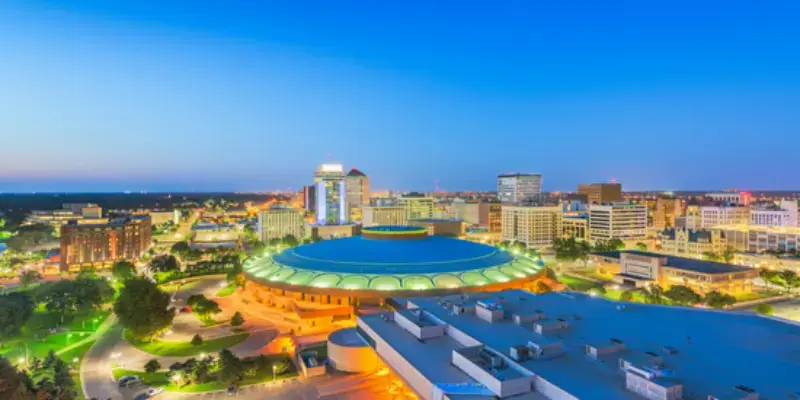
Start in Wichita rather than using it only as an airport or highway stop. Choose two major experiences based on your interests: aviation and science, Old Town and food, gardens, museums or riverfront time near the Keeper of the Plains. The city has enough depth for a full day, so resist the temptation to drive to Hutchinson immediately after landing.
Stay in Wichita the first night if arrival is late or if you want an unhurried museum day. A road trip begins better when the first evening is used to organize luggage, confirm reservations and check the next day’s weather instead of adding an unnecessary night drive.
Day 2 — Hutchinson and Lindsborg: space history plus Swedish heritage
Drive to Hutchinson and choose Cosmosphere, Strataca, or both if you are comfortable with a museum-heavy day. Cosmosphere deserves real time for anyone interested in the space race, while Strataca offers a very different underground experience. Reservations or timed access can matter, so verify current arrangements before travel.
Continue to Lindsborg later in the day. The compact downtown, Swedish-American identity and nearby Coronado Heights create a useful contrast after several hours indoors. Overnight in Lindsborg, Salina or the area that best matches the next morning’s plan.
Day 3 — Abilene and Manhattan: presidential history to a lively college town
Abilene’s Eisenhower Presidential Library complex is the major anchor. Give it enough time to understand the museum rather than treating the stop as a photograph of the boyhood home. If you enjoy local history, add one carefully chosen secondary attraction instead of trying to visit every historic property.
Continue east to Manhattan. Spend the late afternoon downtown, on the K-State campus area, or at an overlook depending on weather and daylight. Manhattan is a practical overnight base before the Flint Hills day.
Day 4 — Tallgrass Prairie and Council Grove: the landscape day
This is the day that makes the route feel distinctly Kansan. Start early for Tallgrass Prairie National Preserve, particularly in warm weather. Choose a trail that fits the group, pay attention to bison guidance and do not assume shade or water will be available where you want it.
Continue to Council Grove for Santa Fe Trail and Kaw history, food and a slower small-town evening. If you prefer to stay closer to the prairie, Cottonwood Falls is another strong overnight option. Do not add a distant city simply because the map shows open roads; the Flint Hills reward time more than mileage.
Day 5 — Topeka: state history and civil-rights context
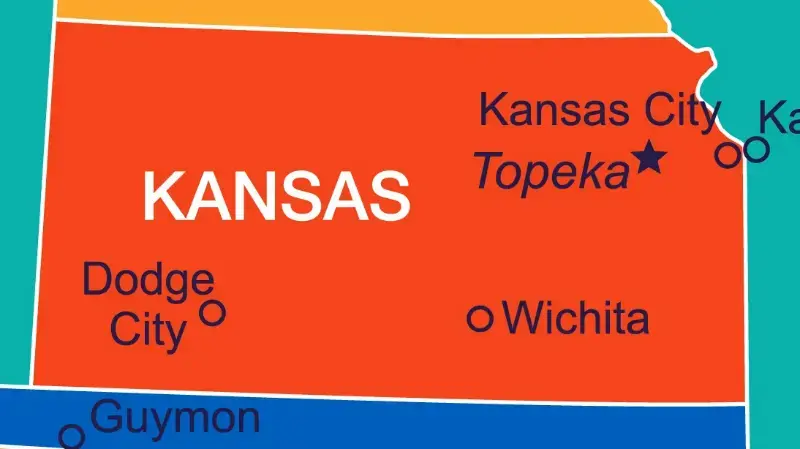
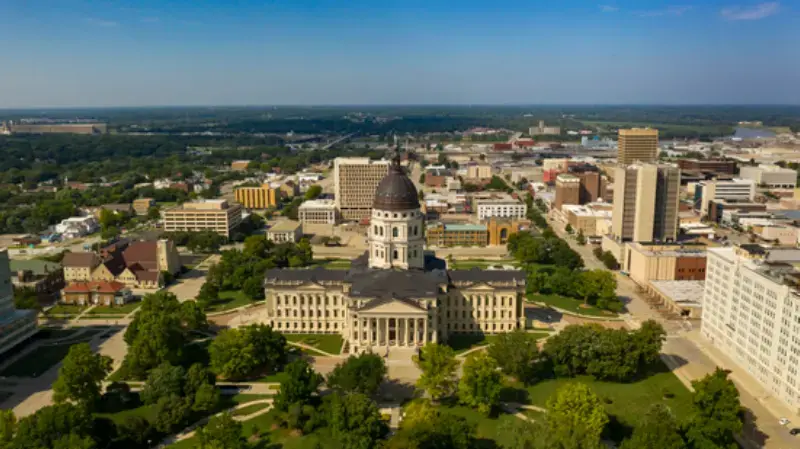
Drive to Topeka and focus on the Kansas State Capitol and the Brown v. Board of Education National Historical Park area. These two anchors tell very different but complementary stories about state government and national civil-rights history.
Add NOTO Arts District, a museum or a relaxed meal only after the main sites. Overnight in Topeka or continue to Lawrence if you want the next morning to begin on foot around Mass Street.
Day 6 — Lawrence: a slower urban day
Lawrence provides a welcome change of pace after several driving days. Explore Massachusetts Street, the University of Kansas area and one museum or neighborhood rather than driving constantly between attractions.
This is also a useful laundry, shopping or rest day if the trip has been intense. Road trips improve when one day has enough flexibility to absorb weather delays and fatigue from earlier in the week.
Day 7 — Kansas City, Kansas: finish with food and metro energy
End on the Kansas side of the Kansas City metro. Strawberry Hill, barbecue, local history and the Speedway area offer very different experiences, so choose based on your interests rather than attempting a complete metro tour.
If you are flying out of Kansas City International Airport, remember that the airport is in Missouri and allow time for the cross-metro transfer. If the trip continues by car, Overland Park or another metro suburb can be a practical final overnight depending on the next direction.
How much driving should you expect?
This itinerary intentionally keeps most transfers moderate. The total route is far less demanding than a statewide loop that adds western Kansas and the southwest corner. Exact times depend on traffic, construction and the specific hotel you choose, so use live navigation each morning rather than relying on a static mileage table.
The practical rule is to avoid stacking a long drive after a long museum day. Kansas roads can feel easy, but fatigue still accumulates, and severe weather can change conditions quickly.
Best time for this Kansas road trip
Late spring and early fall are often the easiest periods for combining city sightseeing with prairie walking. Summer works, but outdoor stops should be shifted earlier or later in the day and thunderstorms can alter plans. Winter can be rewarding for museums but reduces the reliability of a landscape-heavy itinerary.
Event weekends can change hotel prices in Wichita, Manhattan, Lawrence and the Kansas City area. Check university calendars, major races, festivals and other large events before assuming a normal weekend rate.
Where to stay: change hotels strategically
Changing hotels every night is not automatically efficient. Wichita deserves at least one night, and Manhattan or the Flint Hills can anchor the middle of the trip. Topeka and Lawrence are close enough that you can choose one base if you dislike frequent packing.
In the Kansas City area, pick the side of the metro that matches the following day. A cheaper room on the wrong side can cost more in time and traffic than the nightly saving.
Compare accommodation first, then check rental-car costs if your route includes several Kansas stops.
What not to add to this seven-day route
- Dodge City or Liberal unless you add at least two more days
- Monument Rocks as a quick detour; it changes the geography of the trip substantially
- Kansas Route 66 if you are not already continuing toward southeast Kansas or Missouri
- too many small museums on consecutive days
- a late-night cross-state drive after a full sightseeing schedule
Western Kansas, Route 66 and the southwest are all worth separate attention. Leaving them out is not a judgment on their quality; it is what keeps this seven-day plan realistic.
Useful established Kansas guides
- Wichita Kansas travel guide
- Lindsborg Kansas travel guide
- Tallgrass Prairie National Preserve guide
- Flint Hills Kansas road trip guide
- Lawrence Kansas travel guide
- Kansas City Kansas travel guide
Final route strategy
The strongest version of this trip is the one that leaves room for Kansas to surprise you. Keep the city days structured, keep the prairie day flexible, and use smaller towns to break up the route rather than treating them as obligations. Seven days is enough for a satisfying east-central Kansas trip when the goal is depth, not state-line completion.
Frequently asked planning questions
How long should I spend in 7-Day Kansas?
For most first-time visitors, the timing suggested in the planning snapshot is enough to see the strongest sights without turning 7-Day Kansas into a rushed checklist. Add an overnight when early-morning light, a limited-hours museum or a long onward drive would otherwise make the day stressful.
Do I need a rental car?
For this part of Kansas, a car is normally the most practical choice. Even when the central district is walkable, the attractions that make the wider stop worthwhile are often separated by roads that are not designed as a continuous pedestrian sightseeing route.
Should I book attractions in advance?
Reserve only the experiences that actually use timed admission or have limited capacity. For smaller museums and historic sites, the more important step is often checking the current opening day and season directly before travel.
What is the best way to avoid wasting time?
Group attractions by area, choose one primary reason for the visit, and give yourself permission to skip a secondary stop if weather, traffic or opening hours make it inefficient. A flexible route is usually more satisfying than a perfect-looking list that cannot survive a real travel day.
Is this stop good for families?
That depends on the mix of attractions, but families generally do better when museum time is paired with an outdoor break, park or food stop. Build the schedule around attention spans rather than assuming children will enjoy every historical site for the same amount of time as adults.
What should I check the night before?
Confirm weather, road conditions, the opening status of your highest-priority attraction, parking or access rules where relevant, and the first fuel stop on the following segment. These simple checks matter more in a road-trip state than adding one more minor attraction to the itinerary.
Practical decision guide
If your schedule is already full, ask whether this stop adds a genuinely different experience from the places before and after it. Kansas itineraries improve when each day changes rhythm: a museum-heavy morning can be followed by a park, a historic town can be paired with landscape, and a long driving segment should not end with another complicated transfer.
For travelers on a fixed budget, prioritize location over small price differences. A hotel or meal that keeps you close to the next morning’s route can be more valuable than a cheaper option that adds repeated mileage. The same principle applies to attractions: one memorable paid experience plus several well-chosen free stops often works better than purchasing entry everywhere.
Weather should change the order of the day rather than automatically cancel it. Use indoor museums during the hottest, coldest or stormiest period; move walks and viewpoints to the more comfortable hours. On the plains, wind can matter almost as much as temperature, especially at exposed parks, lakes and prairie sites.
When traveling with children or older relatives, shorten the number of transitions. Every extra parking stop, restroom search and repacking of the car consumes energy. Two strong attractions with a comfortable meal and an outdoor break can feel like a fuller day than five rushed stops spread across town.
Finally, keep the onward journey in mind. Do not use every remaining daylight hour at the current destination if the next overnight requires a tiring rural drive. Arriving rested, with fuel and daylight, is part of good trip planning rather than time lost from sightseeing.