

The most rewarding visit to Littleton, northwestern New Hampshire starts with a decision about how you want to use your time. Give downtown and the river district several hours instead of treating it only as a gas stop. This guide explains how to make that choice, which places deserve a longer stop, how to avoid the most common access problems and how to adjust the day for weather or children. It is designed for an actual road trip rather than a collection of attractions presented without distances or practical context.
The main planning point is simple: Littleton sits near Interstate 93 and is easiest by car on a multi-stop White Mountains trip. If you are visiting from overseas, do not underestimate the difference between driving on an interstate and following smaller New Hampshire roads after dark. As you read, note which activities require an individual operator, permit or booking; a general park entrance does not automatically include every service located nearby.
Why Littleton makes a useful North Country base
Littleton is a working small town with an attractive Main Street rather than a resort built around a single seasonal attraction. Its location near the White Mountains makes it an appealing stop between Franconia Notch, the Connecticut River valley and farther northern landscapes. Start by walking downtown to sense the scale and look for a lunch spot before driving elsewhere. Many travelers can enjoy several hours here without a structured admission ticket. Staying overnight changes the experience because you can spend the evening in town instead of driving back across mountain roads.
Main Street shops and a slower shopping route
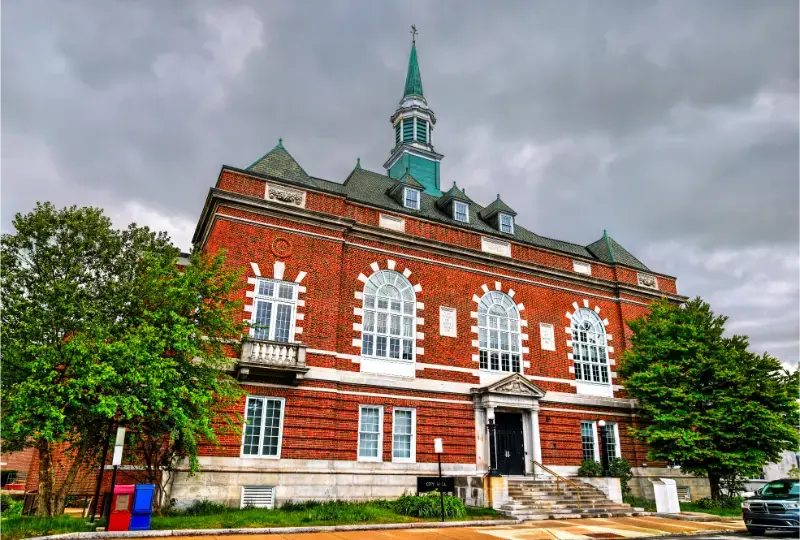
Main Street offers independent storefronts, places to eat and classic small-town architecture. Instead of driving from business to business, park legally at one end and work along the street on foot. Store schedules may change on weekdays and in quieter seasons; a specific antique shop or gallery should not be treated as always open. Some visitors come for the town’s literary and playful Pollyanna associations, but Littleton’s everyday businesses are equally interesting. Give yourself time to investigate side streets and pause rather than trying to follow a strict attraction sequence.
Ammonoosuc River, pedestrian bridge and the River District
The Ammonoosuc River runs immediately below downtown and is one of Littleton’s strongest scenic features. Near the River District, the covered pedestrian bridge and waterside businesses make a natural short walking circuit. The Schilling Beer Company campus is set alongside the river; its outdoor spaces look across the water, though seating and hours depend on the business. Paths, railings and riverside steps may be slippery after rain or in winter. Enjoy the river from designated walkways and avoid climbing down to unsafe edges for photos. Low light can be lovely, but sensible footwear matters.
Local dining and brewery visits
Littleton’s food scene works best when meals are an intentional part of the day. The riverside brewery and downtown restaurants each offer a different atmosphere; check menus and reservation policies before promising a particular dish or table. A brewery is optional, not essential to a family itinerary, and there are other places for lunch and coffee. Travelers with children can choose a waterfront viewpoint followed by an earlier meal. Do not assume a restaurant’s heated patio will be open or sheltered in every season, especially during mountain weather changes.
Pollyanna, arts and the town’s identity
Littleton has ties to author Eleanor H. Porter and the Pollyanna character, visible in the town’s cultural identity. Treat a short literary stop as part of a downtown walk, not necessarily a full museum day. Local galleries and performance spaces can make an appealing indoor addition when the weather turns. Check the current event calendar; an arts venue may be active only at specific times. The town’s appeal comes from the mix of history, contemporary creativity and real local commerce. A visitor who gives it an afternoon generally notices more than someone who exits the interstate solely for a photograph.
Franconia Notch: the nearest major nature extension
Franconia Notch State Park lies a reasonable drive from Littleton and provides hikes, lakes and viewpoints. The crucial decision is whether you want a ticketed attraction or a self-guided walk. Flume Gorge has seasonal arrangements, while other trails have their own parking and difficulty considerations. In fall, lots can fill and travel takes longer. Use Littleton for dinner after a park outing, but do not book a sunrise hike without allowing for the transfer. A brief riverside stroll in town is a useful alternative when mountain visibility is poor.
Bike and outdoor opportunities nearby
<
Where to stay for a North Country itinerary
Stay centrally if restaurants and evening strolls are priorities; choose a highway-side property if you are only spending one night while traveling onward. Confirm whether an advertised scenic view faces the river, the town or the surrounding hills. Littleton can be a convenient base for western White Mountains days, but North Conway and the eastern valleys require more driving. Compare total trip mileage, not just room rates. For travelers who prefer smaller-town evenings, a Littleton stay can be more relaxing than shifting hotels after every attraction.
Winter, foliage and realistic expectations
In fall, foliage drives bring extra visitors and parking pressure. Reach town before the busiest lunch hour if you want an unhurried walk, but check shop opening times first. In winter, sidewalks and the pedestrian bridge can be icy, and some paths may not be maintained. The river remains photogenic, though outdoor seating and activities become weather-dependent. A successful winter Littleton visit can be a lunch, a short central walk and an indoor browse; there is no need to force a full list of outdoor stops in freezing wind.
Suggested one-day plan with realistic pacing
The schedule below is a framework, not a list of appointments. Move the outdoor portion to the safest part of the day, and never build the whole trip around an unconfirmed service. For a two-night stay, split the outdoor and cultural components across different days. That gives you a genuine weather fallback rather than a rushed replacement plan.
| Time | Plan | Why it works |
|---|---|---|
| Morning | Walk Main Street and look for the Pollyanna landmark and open independent shops. | Start with the most important decision while energy and daylight are strong. |
| Afternoon | Explore the river district and bridge, then enjoy a meal or a short, documented outdoor trail. | Leave a flexible block for weather, lunch and changes of pace. |
| Evening | Remain downtown for dinner or continue to a local hotel before roads become dark and icy. | End locally instead of creating an unnecessary after-dark transfer. |
For a shorter visit, keep only the first and second elements. For a longer trip, choose a second full day based on your principal interest rather than driving to an entirely different region. In Littleton, northwestern New Hampshire, a good itinerary often feels intentionally incomplete: you have seen the places you came for and still have time to enjoy the setting.
Costs, reservations and local logistics
Give downtown and the river district several hours instead of treating it only as a gas stop. Budget for the components separately: overnight accommodation, parking or park admission, tour or museum ticket, rental equipment and meals may all have different operators. Do not treat a single advertised price as the total cost of the day. Where an attraction is seasonal, check its booking page immediately before your journey, particularly on holidays and during autumn foliage weekends. Some sites sell timed access or limit vehicles even when admission itself is not expensive.
Bring a downloaded map, a charger, a reusable water bottle, layers and the confirmation number for anything reserved. Littleton sits near Interstate 93 and is easiest by car on a multi-stop White Mountains trip. A carefully chosen start point reduces wasted driving and improves the chance of finding legitimate parking. If an access road or trail is marked closed, follow that instruction; an alternative place to visit is always better than attempting an unsafe shortcut.
Where to stay: choose by the activity, not the lowest headline rate
Walkable Main Street lodging for evenings on foot; nearby motels for easier highway access. Before reserving, enter the exact destination in your mapping app and compare morning drive times, not simply distance from the nearest large town. If you expect an early entry slot, a more expensive nearby room may prevent a stressful journey. Conversely, for a short sightseeing stop, a centrally located overnight stay may be unnecessary. Check cancellation conditions, parking arrangements, accessibility, breakfast service and late check-in independently.
Families should pay special attention to room capacity and whether a second bed is included, not just the label “family friendly.” If the next morning involves a remote lake, trail or boat departure, buy essential provisions before leaving a larger service town. A hotel with restaurants nearby can be valuable on the evening before a demanding outdoor day.
When to go, forecasts and seasonal differences
Summer and fall for riverside walks; winter for a compact town break. Actual experience depends on operating dates, water conditions, leaf color, snow cover and the length of daylight. September and October may be beautiful but busy in the White Mountains; late spring brings mud and insects in some areas; winter requires extra driving and footwear precautions. Rather than asking for a single best month, decide whether scenery, low crowds, hiking, snow activities or indoor museums matter most to your group.
Independent shops, cafes and galleries help fill a wet-weather afternoon. This is your deliberate fallback, not a consolation prize. Check the forecast again on the day and look for warnings from the relevant park, museum or operator. When the reason for visiting is a high-elevation panorama, a cloudy day may dramatically change the value of a paid experience. You can usually find a worthwhile lower-elevation plan without gambling on dangerous conditions.
Getting there, parking and a sensible road-trip route
Littleton sits near Interstate 93 and is easiest by car on a multi-stop White Mountains trip. A car is useful for most New Hampshire itineraries because natural attractions and small towns are dispersed, but some historic centers can be explored without repeatedly moving a vehicle. Do not assume Uber, a taxi or a shuttle will be available in remote mountain and lakeside areas. If you will not drive, confirm both outward and return transport before paying for a tour or lodging. Road conditions and the location of the correct entrance matter more than straight-line travel estimates.
For a multi-state itinerary, group nearby experiences into one geographic cluster. Portsmouth and the Seacoast, Concord and the Merrimack Valley, the Monadnock Region and the northern White Mountains should not all be treated as adjacent stops. Your best route will usually include fewer regions with more time in each. Carry cash or a backup payment method and allow extra daylight for your final rural transfer.
For families, slow travelers and accessible visits
Give downtown and the river district several hours instead of treating it only as a gas stop. Families will generally enjoy the day more with a defined first stop, a food break and one optional activity than with many short transfers. If traveling with young children, check restrooms, stroller-friendly surfaces and whether a playground or quiet indoor space is nearby. For older adults or visitors with reduced mobility, determine the distance from parking to the feature you want to see; a venue may have an accessible building but a difficult natural route around it.
Outdoor attractions should be assessed for uneven ground, heights, water hazards and weather exposure before you arrive. Give different family members permission to choose alternatives; one person may enjoy a summit or rock scramble while another has a happier afternoon at a local museum or lakeside cafe. That flexibility is part of good trip planning, not a failure to see everything.
Five avoidable planning mistakes
- Planning the whole visit around a single photo or social-media viewpoint rather than give downtown and the river district several hours instead of treating it only as a gas stop.
- Assuming all nearby activities share one admission ticket, parking lot or operating calendar.
- Ignoring changes in terrain, road surface and weather between town and a nearby mountain or lakeshore.
- Booking accommodation by price alone without checking the morning drive, meals and parking.
- Having no alternative when conditions change. A workable replacement here is: independent shops, cafes and galleries help fill a wet-weather afternoon.
Official resources and other New Hampshire guides
For the latest access rules, consult the relevant official visitor or operator information before departure. For statewide orientation see our New Hampshire travel guide. Opening dates, entrance charges, reservations and closures are subject to change and should be checked with the operator rather than treated as fixed facts.
Activities, accommodation and affiliate disclosure
Some trips are best organized independently, especially when the destination is a park or a short village walk. If a guided experience suits your itinerary, browse GetYourGuide tours and activities. Compare what is actually included, departure location and cancellation conditions; a general partner search does not guarantee a tour specifically for this destination. For a hotel, compare the precise location and booking terms before choosing.
Affiliate disclosure: some links and partner placements may earn a commission at no additional cost to you. Widget display requires the corresponding scripts/integrations active in WordPress. Verify prices and availability directly with each provider.
Frequently asked questions
Is Littleton worth a stop between attractions?
Yes. Two to four hours can cover downtown, the river and a relaxed meal.
Can I see the river without hiking?
Yes. The town’s river district offers viewpoints and a pedestrian bridge accessible from the center.
Is Littleton a good White Mountains base?
Yes for the western/northern region, but check drive times to destinations farther east.
Does the town work in winter?
Yes, though outdoor access and shop hours vary; ice makes riverside surfaces hazardous.