

Plan Charleston SC with a walkable route, thoughtful history stops, restaurant strategy, parking advice, beach day options and realistic neighborhood choices.
Charleston is small enough for satisfying walks but large enough to punish a poorly organized itinerary. It is tempting to collect photographs of Rainbow Row, the Battery and pastel houses, then spend the rest of the day driving between distant attractions. A more memorable stay sets aside time for local history, restaurants, harbor views and one deliberate excursion. This guide explains how to connect the pieces without ignoring the city’s African American heritage, humid weather or tide-sensitive streets.
What makes this trip worth doing—and how to choose your priorities
Charleston South Carolina visitor guide. A rewarding Charleston visit combines a walkable historic peninsula with museums that explain both the beauty and the difficult history of the Lowcountry. It works best when you decide what deserves a reservation and leave unscheduled time to explore.
The Battery and White Point Garden: begin with the geography
Start near White Point Garden and walk the southern edge of the peninsula. Waterfront views help explain why Charleston developed as a port and why storms, tides and coastal defenses shaped its story. Continue north along East Battery to see historic facades without treating residential porches as public property. Early morning is kinder in summer and quieter for photography. The seawall is scenic rather than a swimming beach; do not mistake it for an oceanfront stop, and allow extra time if heat makes walking slow.
Rainbow Row and the side streets around East Bay
Rainbow Row is a short visual stop, not an attraction that needs a ticket or a separate half day. Combine it with the Battery, the historic waterfront and a few quieter lanes where the architecture changes from polished landmark to working city. If you love buildings, inspect details from the sidewalk: piazzas oriented for breezes, shutters and ironwork. Avoid blocking doors or stepping onto private stairs for photographs. The best photographs often come from returning at softer morning or evening light rather than waiting in the midday sun.

Charleston City Market, then a deeper history stop
City Market is convenient for crafts and a quick orientation, but it should not stand in for learning about the enslaved people whose labor built much of Charleston. Make space for the International African American Museum, Old Slave Mart Museum or another well-interpreted historic site, checking each institution’s current opening days and advance booking rules. Seek out craftspeople demonstrating Gullah Geechee traditions and ask thoughtful questions instead of treating culture as a souvenir. Pair a museum with a simple lunch rather than pushing three emotionally demanding exhibitions into one afternoon.
French Quarter, churches and historic-house decisions
The French Quarter rewards slow walking, especially around Church Street, the waterfront and Washington Square. Historic houses are numerous, but an interior tour is worthwhile only if it answers a question you actually have: domestic architecture, preservation, plantation economies or a particular family’s story. Read each site’s interpretation before buying tickets. Many interiors have stairs, limited climate control and rules about photography. Choose one carefully and leave time afterward to compare the interpretation with the neighborhood you have just walked.
Waterfront Park, harbor cruises and Fort Sumter
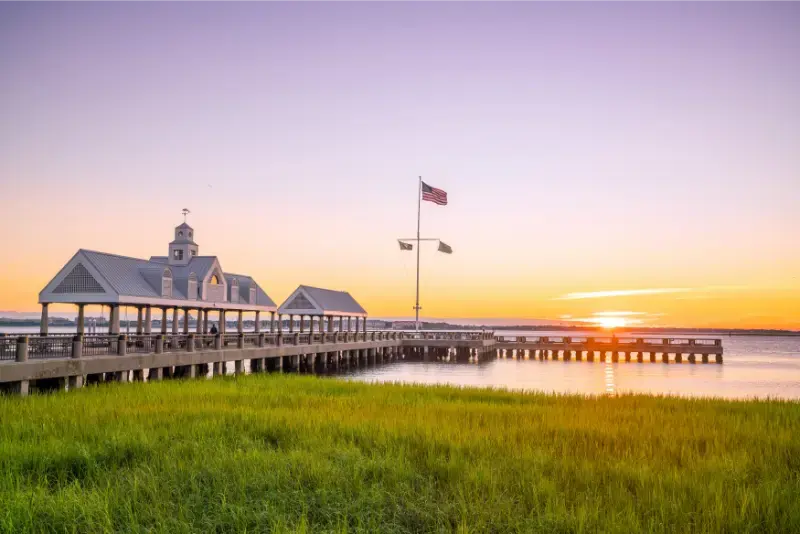
Waterfront Park offers a relaxed change of pace, with places to sit and watch harbor activity. Fort Sumter is reached by an authorized boat service, not by driving, and its visit is partly constrained by departure times and weather. If the Civil War history matters to you, reserve the boat time first and build the day around it; do not assume that fitting the ferry between two restaurant bookings will work. If a cruise is too much for young children, the waterfront and museum alternatives are satisfying without stepping aboard.
Eat through the Lowcountry without chasing a checklist
Charleston’s food culture is more than shrimp and grits. Look for seasonal seafood, she-crab soup, rice traditions, okra, benne and contemporary kitchens interpreting Lowcountry ingredients. Ask what is local and seasonal rather than assuming every seafood plate is sourced nearby. Restaurant reservations matter on weekends, but lunch can offer easier access to admired dining rooms. A market visit or locally guided food experience can contextualize dishes, yet it is reasonable to keep one meal unplanned and follow a neighborhood recommendation.
Choosing an actual beach day: Folly, Sullivan’s or Isle of Palms
The historic district is not on the ocean. Folly Beach feels casual and surf-oriented; Sullivan’s Island is more restrained and residential; Isle of Palms has wider resort infrastructure in some areas. All require transport from downtown and beach parking rules vary. Do not promise children a downtown walking tour, a museum and a full beach day in one summer afternoon. Choose the beach before leaving the hotel, check tide and weather conditions, and keep a dry-clothes bag and drinking water in the car.
A realistic itinerary, without rushing
The most rewarding plan is not the one with the most stops. Match each part of the day to travel time, weather and how much energy your group actually has. These stages are designed to be swapped, shortened or repeated rather than treated as a fixed schedule. Confirm operating days for ticketed activities before booking accommodation.
Stage 1: Historic peninsula and the story of the harbor
Arrive early, leave the car in a legitimate garage, and walk from White Point Garden past the Battery and Rainbow Row. Eat lunch near the core and visit one museum that provides historical depth. End at Waterfront Park; if it is hot, split the walk with an indoor stop rather than forcing every landmark at once.
Stage 2: History, craft and local food
Use the morning for City Market or a focused heritage tour. Reserve one substantial museum for the afternoon. Revisit a neighborhood you liked rather than counting churches from a checklist. An evening meal is the place to try a Lowcountry dish, with a reservation if your date is a busy weekend.
Stage 3: The optional harbor or beach excursion
Take a prebooked Fort Sumter ferry or devote the day to one Atlantic beach. The two are very different experiences and each deserves unhurried time. Families with smaller children may enjoy an easier half day on the peninsula and an early dinner rather than an overloaded excursion.
Where to stay: choose a base that saves time
Hotels with a similar nightly rate can produce very different trips once driving, parking, breakfast and evening travel are considered. Compare the total price—including resort fees if applicable, taxes and parking—against how often you plan to return to the room. For busy weekends or holiday periods, choose a refundable option early and check the cancellation deadline.
Historic District
Best when walking to architecture, museums and restaurants matters more than the lowest room rate. Check whether parking is included, as overnight parking can change the total cost significantly.
Upper King and nearby neighborhoods
A practical compromise for restaurants and nightlife, though you should look at the exact block and noise reports before booking. Distances on a map can be misleading in humid weather.
Mount Pleasant or West Ashley
Often useful for drivers planning beaches, plantations or a road trip beyond Charleston. Expect bridges, traffic and daily parking costs downtown; a cheaper room is not automatically cheaper overall.

Getting there, access and practical planning
Charleston International Airport connects to the region, but airport-to-peninsula travel is separate from the pedestrian historic core. Downtown is most enjoyable on foot once a car has been parked. Use the city’s official public garage directory rather than improvising street parking; some spaces are time limited. Coastal flooding may close low roads even without dramatic weather. Avoid driving through standing water, follow local alerts and be ready to change a ferry or beach plan during thunderstorms. If renting a car for the coast, collect it only on the days it will genuinely save time.
Budget and season: what to check before you pay
Build your budget in layers: transport and parking first, accommodation second, then admission charges and guided experiences. A destination can be excellent even when you skip every paid attraction. Where a park or operator publishes a price, treat it as a planning reference, not a promise for future dates. Check current hours, weather alerts, ticket restrictions and refund terms on official pages the day before you travel.
For warm-season trips, start outdoor activities before the strongest heat and keep shaded or indoor options for the middle of the day. In cooler months, daylight is shorter and some tours operate a reduced calendar; plan around confirmed opening days, not a generic “open year-round” description. Atlantic storms and heavy rain can affect low-lying South Carolina roads and boat services; a flexible plan is often more valuable than a tightly booked timetable.
Four planning mistakes worth avoiding
Treating every historic site as interchangeable
A waterfront walk, slavery-history museum and plantation visit tell different stories. Read the interpretation before paying so your choices address the parts of Charleston you care about, including perspectives that are often missing from postcard descriptions.
Parking once per attraction
Repeatedly moving the car is frustrating and can cost more than one secure garage session. Park centrally, build a walking loop and use a rideshare only when the distance or weather justifies it.
Booking a boat tour too tightly
Departure times, boarding requirements and weather leave little room for restaurant reservations immediately beforehand. Put the boat first and allow a generous margin either side.
Forgetting the summer heat
Carry water, use shaded lanes and move strenuous walking to morning. A great Charleston trip should include pauses; an indoor museum is often a more enjoyable midday option than a relentless outdoor checklist.
Helpful booking tools
If you want a guided activity, compare the operator location and cancellation terms against your driving route. For accommodation, check whether you need easy parking, walkability or a quiet night near nature—these are often more important than a small difference in room price.
Affiliate disclosure: travel-partner widgets may earn this site a commission at no additional cost to you. Availability and displayed offers depend on the partners and the scripts active on this WordPress site.
Official sources and related reading
Read the South Carolina destination overview for regional context. For access, closures and visitor rules, consult City of Charleston parking guidance.
Frequently asked questions
Can I see historic Charleston without a rental car?
Yes. The peninsula is compact for walkers and a central hotel works well. A car becomes more useful for beaches and outlying sites.
How many days are enough?
Two to three days allow one history-focused day, one neighborhood or harbor day and optionally a beach excursion.
Do I need to reserve restaurants?
For popular dinner rooms and weekends, reservations are wise. Casual lunches and neighborhood choices can be more spontaneous.
Is Rainbow Row an admission attraction?
No. It is a group of privately occupied historic buildings best appreciated respectfully from public sidewalks.
Last updated: October 16, 2026.