

Plan a 10-day South Carolina road trip with Charleston, Beaufort, Congaree, Greenville, Myrtle Beach, practical routing, hotels and alternatives.
South Carolina is more varied than its coastal photographs suggest. In one journey you can experience Charleston’s historical peninsula, tidal Sea Islands, a swamp-forest national park, Greenville’s walkable downtown and the wide Atlantic beaches of the Grand Strand. The trap is trying to connect everything as a chain of short stops. Attractions are dispersed, bridge traffic can be slow and heat shapes how long people can walk. This itinerary gives major places breathing room and offers an honest choice between a coastal-heavy route and a route that reaches the Upstate.
What makes this trip worth doing—and how to choose your priorities
South Carolina road trip itinerary. This 10-day loop links Charleston, Beaufort and Sea Islands, Columbia and Congaree, Greenville and the Atlantic Grand Strand with reasonable overnight bases. The route prioritizes variety and avoids pretending that every coast and mountain attraction can be done in one day.
Days 1–2: start with Charleston, not a checklist
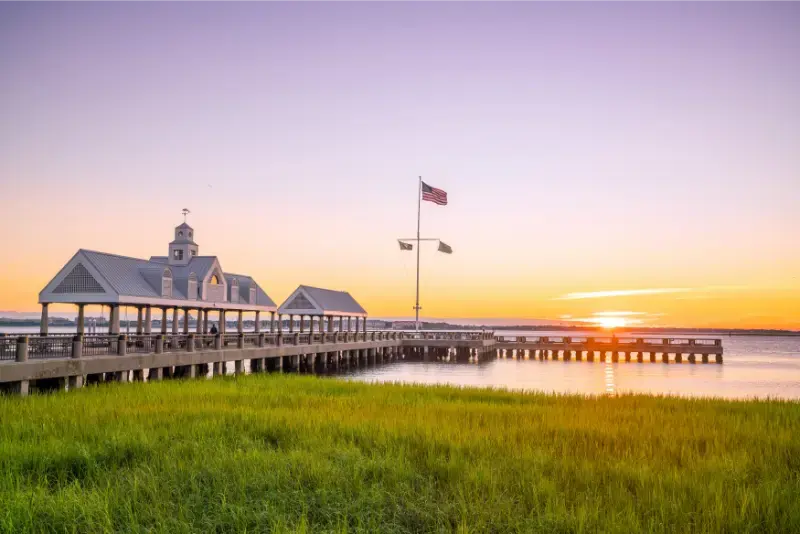
Collect a car only when you need it if your initial stay is on the historic peninsula. Use the first day to walk the Battery, Rainbow Row and Waterfront Park, reserving one well-interpreted museum to understand Charleston’s history beyond its facades. On the second day choose either a Fort Sumter boat trip or a different history-focused experience and make time for Lowcountry food. Do not force an Atlantic beach on the same day as a tightly scheduled ferry unless your group is genuinely comfortable with the pace.
Day 3: choose a Charleston beach or the southern road
A Folly Beach day suits travelers who want sand and a casual beach town. Sullivan’s Island offers a quieter residential feel with Fort Moultrie as a possible history stop. Isle of Palms is another option when resort infrastructure matters. These islands each have different public access and parking policies; choose one. If you are more interested in a broad state route than beach time, use Day 3 to start toward Beaufort and arrive with enough daylight for a waterfront walk.
Day 4: Beaufort, Port Royal and Sea Island heritage
Spend a meaningful day in Beaufort rather than arriving only for dinner. Walk Bay Street and the waterfront, then choose a historical site or community-led Gullah Geechee interpretation. Consider Port Royal or a brief Sea Island drive, respecting residential areas and private property. If Hunting Island is your priority, give its beach and lighthouse a larger block of time and reduce downtown commitments. A thoughtful day balances culture and scenery without treating the region as interchangeable with Charleston.
Day 5: Columbia and the choices around Congaree
Drive inland toward Columbia and give the city more attention than a fuel stop. Depending on timing, visit the State House district, Main Street, the State Museum or Riverbanks Zoo. Congaree National Park requires a separate decision based on weather, flood alerts and boardwalk access. If its trails are partly closed, it is reasonable to shorten the park visit and spend more time in Columbia. Do not enter floodwater or rely on a route shown only in an old travel blog.
Days 6–7: Greenville and a foothills escape
Greenville introduces a very different South Carolina landscape. Walk Falls Park on the Reedy, cross Liberty Bridge and explore downtown restaurants. Use a second day for a measured section of the Swamp Rabbit Trail toward Travelers Rest or a dedicated drive to Paris Mountain State Park or another Upstate outdoor destination. Avoid putting a longer mountain hike after a full urban day. Staying two nights reduces packing fatigue and gives outdoor plans space to shift around thunderstorms.

Day 8: cross the state without pretending it is a short detour
The transfer from Greenville to the coast uses a meaningful portion of the day, depending on your exact destination and traffic. Consider one planned lunch or historic stop, but avoid stacking three ticketed visits in separate cities. If you prefer more time at the beach, adjust the preceding Upstate stay rather than driving tired into a coastal resort at night. Check hotel check-in rules and where the car can be parked on arrival. This is a transition day, not another complete sightseeing day.
Days 9–10: Grand Strand beaches and a nature finale
End with the beach community that suits your group: central Myrtle Beach for boardwalk energy, North Myrtle Beach for a slower base, or southern communities for Murrells Inlet and nature. Reserve one activity such as Brookgreen Gardens or Huntington Beach State Park, leaving other hours free for swimming and relaxation when conditions permit. Check your return airport and driving plan carefully: Charleston and Myrtle Beach are not the same departure point. A final unhurried coastal day is a better ending than an exhausting attraction marathon.
A realistic itinerary, without rushing
The most rewarding plan is not the one with the most stops. Match each part of the day to travel time, weather and how much energy your group actually has. These stages are designed to be swapped, shortened or repeated rather than treated as a fixed schedule. Confirm operating days for ticketed activities before booking accommodation.
Stage 1: First third: Charleston and the Lowcountry
Spend two nights in Charleston, walking more than driving, then allocate time to one beach and Beaufort. Book fixed-time harbor experiences early and keep the museum day flexible.
Stage 2: Middle third: rivers, capital and Upstate
Use Columbia and Congaree according to weather and trail alerts, then stay in Greenville for downtown and a short nature experience. A two-night Upstate base avoids repeated check-ins.
Stage 3: Final third: return to the Atlantic
Drive toward the Grand Strand and settle into one beach community. Include either Brookgreen Gardens or Huntington Beach State Park and protect time for a genuinely relaxing last day.
Where to stay: choose a base that saves time
Hotels with a similar nightly rate can produce very different trips once driving, parking, breakfast and evening travel are considered. Compare the total price—including resort fees if applicable, taxes and parking—against how often you plan to return to the room. For busy weekends or holiday periods, choose a refundable option early and check the cancellation deadline.
Charleston Historic District for nights 1–2
Worth it if you want to walk to architecture and food. Consider parking cost and whether a rental car is needed before the coast-bound leg.

Beaufort or Columbia as transitional bases
Useful for breaking up travel while learning about Lowcountry heritage or the state capital. Keep hotel choice close to the next morning’s intended route.
Greenville then Grand Strand for the last nights
Use two distinct bases: downtown Greenville for city and trail outings, and the specific beach community that matches your final-day priorities.
Getting there, access and practical planning
A rental car is the practical foundation of this multicity itinerary. Charleston, Beaufort, Columbia, Greenville and Myrtle Beach are spread across the state and require thoughtful routing, not just point-to-point distances on a map. Check whether your flight home departs from the same city where you arrived; a one-way rental may change the price. Budget for hotel parking, state-park entries, fuel, bridge and resort-area traffic, and timed tours. Hurricane season can disrupt coastal plans; thunderstorms affect mountain trails and the Congaree floodplain. Keep one flexible day and consider swapping the final Grand Strand portion for extra Upstate time in cooler seasons.
Budget and season: what to check before you pay
Build your budget in layers: transport and parking first, accommodation second, then admission charges and guided experiences. A destination can be excellent even when you skip every paid attraction. Where a park or operator publishes a price, treat it as a planning reference, not a promise for future dates. Check current hours, weather alerts, ticket restrictions and refund terms on official pages the day before you travel.
For warm-season trips, start outdoor activities before the strongest heat and keep shaded or indoor options for the middle of the day. In cooler months, daylight is shorter and some tours operate a reduced calendar; plan around confirmed opening days, not a generic “open year-round” description. Atlantic storms and heavy rain can affect low-lying South Carolina roads and boat services; a flexible plan is often more valuable than a tightly booked timetable.
Four planning mistakes worth avoiding
Scheduling each transfer as an extra full sightseeing day
Moving hotels, loading luggage and traffic consume time. Give transfers lighter plans and one intentionally chosen stop.
Not choosing your preferred coast before booking
The Grand Strand, Charleston’s nearby islands and Beaufort’s Sea Islands are distinct. Decide which coastline is your main vacation experience.
Ignoring Congaree trail alerts
Water levels and repairs may change the park’s accessible routes. Check National Park Service conditions before driving.
Paying for activities before checking the whole route
Fixed departure times, weather refunds and parking charges can cause clashes. Reserve the experiences with limited capacity first and leave more flexible stops unbooked.
Helpful booking tools
If you want a guided activity, compare the operator location and cancellation terms against your driving route. For accommodation, check whether you need easy parking, walkability or a quiet night near nature—these are often more important than a small difference in room price.
Affiliate disclosure: travel-partner widgets may earn this site a commission at no additional cost to you. Availability and displayed offers depend on the partners and the scripts active on this WordPress site.
Official sources and related reading
Read the South Carolina destination overview for regional context. For access, closures and visitor rules, consult Congaree conditions and alerts for the road trip.
Frequently asked questions
Can I do this road trip without a rental car?
It would be difficult to link coast, state capital, forests and Upstate efficiently. A vehicle is strongly recommended.
Should I start in Charleston or Myrtle Beach?
Start wherever flight costs and schedule work best. The route can be reversed, but keep nearby activities grouped together.
Is ten days enough for South Carolina?
Ten days can cover several regions with sensible compromises. It will not cover every island, park or mountain trail.
What if Congaree is flooded?
Choose an available boardwalk segment if permitted, otherwise add a Columbia museum or another safe activity and do not enter closed areas.
Last updated: October 16, 2026.