

Cincinnati is a city of hills and neighborhoods arranged around a bend in the Ohio River. Its riverfront faces Kentucky, its nineteenth-century Over-the-Rhine district contains a remarkable collection of architecture, and its food and cultural institutions deserve more attention than a brief highway stop. The strongest visit combines a walk through a couple of compact districts with deliberate choices about museums, riverfront parks, and evening entertainment. Do not attempt to see the whole metropolitan area on foot: Cincinnati’s valleys, hills, bridges, and suburban attractions create real distances that a flat tourist map can conceal.
At a glance
| Best for | Historic districts and riverfront |
|---|---|
| Suggested time | 2 days |
| Getting around | Free Connector streetcar and walking |
| Important | Check official schedules and current access notices |
Understand the geography before planning your day
Downtown Cincinnati, The Banks beside the river, and Over-the-Rhine to the north are the natural core for a first visit. They are connected by the Cincinnati Connector streetcar, whose downtown route is free and includes stops near Findlay Market, Washington Park, and The Banks. The streetcar does not solve every transportation need, but it makes a north-to-south sightseeing day significantly easier without moving a parked car repeatedly. Service intervals and temporary street closures can change; use the city’s official streetcar map and current operating notice rather than assuming a timetable printed in an older guide remains correct.
The city’s hills shape what feels close. Mount Adams, for example, offers a distinctive elevated neighborhood experience, but the climb from downtown can be demanding. Crossing the Ohio River into Covington or Newport in Kentucky may be rewarding, yet those destinations belong to a different walking and driving circuit. Build your first day around the neighborhoods along the Connector route, then use a second day for hilltop views, a zoo visit, or attractions across the river.
The Banks and Smale Riverfront Park
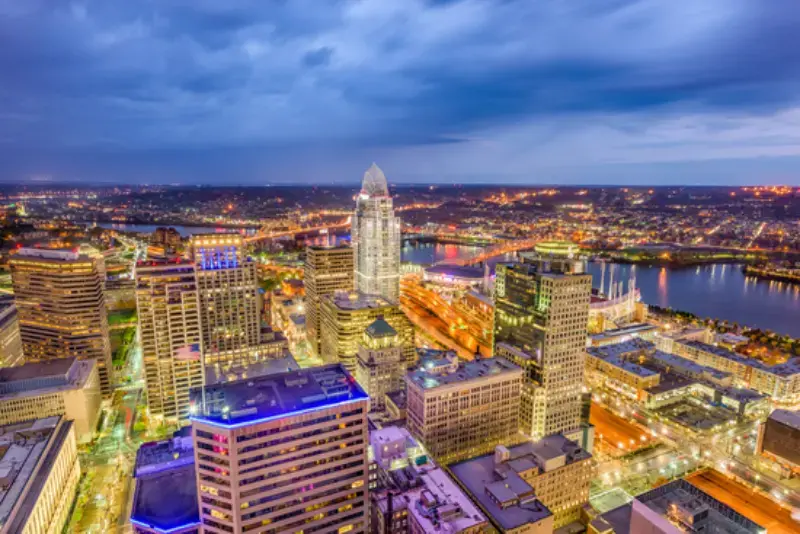
Smale Riverfront Park stretches beside the Ohio River with open lawns, play installations, gardens, paths, and views toward Kentucky. On a warm day it is one of the city’s easiest places to relax without spending money. The river corridor is attractive for adults as well as children, although the interactive water features and carousel can have separate seasons, hours, or costs. Choose a morning or late-afternoon walk if you prefer a quieter atmosphere; game days and major events near the stadiums can alter both the mood and parking availability.
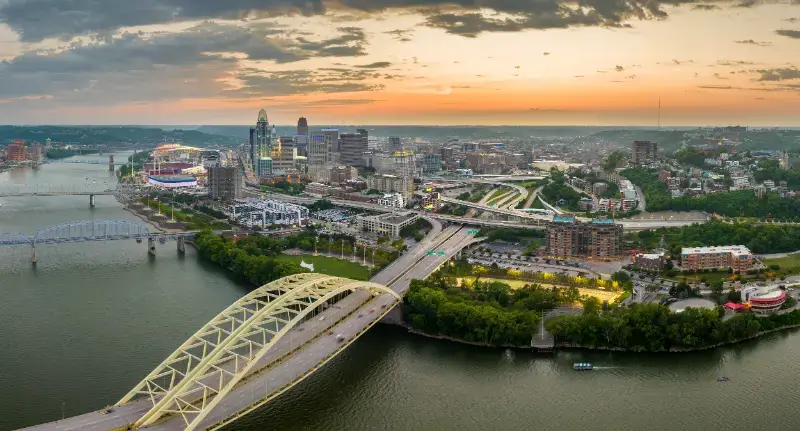
The Roebling Suspension Bridge is a defining view, linking Cincinnati with Covington. Its engineering history predates the more famous Brooklyn Bridge, whose designer was also John A. Roebling. Pedestrian access and traffic restrictions can change for maintenance, so verify the current status rather than building a walking loop around an assumed crossing. Even from Smale Park, the bridge’s stone towers and cables make a striking foreground for the skyline. For families, leave time for unstructured play instead of treating the riverfront as only a photo stop.
Over-the-Rhine: historic buildings and today’s businesses
Over-the-Rhine, commonly shortened to OTR, retains a dense concentration of nineteenth-century buildings associated with Cincinnati’s German immigrant history. That history is visible in the scale of its facades, former brewing infrastructure, churches, and tightly arranged streets. The district has also undergone substantial redevelopment, and it is important not to confuse an appealing restaurant strip with the entirety of the neighborhood. Spend time looking up at architectural details, but remember that people live and work in these buildings.
Washington Park forms a convenient center for a neighborhood walk. Music Hall, with its dramatic facade, sits nearby and hosts major performances; access to interior spaces depends on events and tours. Vine Street and neighboring blocks have independent restaurants, cafes, bars, and shops, but availability is not uniform throughout the day. To understand OTR better, combine a short architecture walk with a visit to Findlay Market and, if offered on your travel date, a history-focused guided tour. Such a combination explains the district without turning it into a random series of food photographs.
Findlay Market: what to expect and when to visit
Findlay Market is one of Cincinnati’s enduring food institutions. The market brings together merchants selling produce, meat, baked goods, specialty foods, and ready-to-eat meals, with additional businesses nearby. It is enjoyable even if you are not shopping for groceries, provided you allow the stalls to function as genuine retail spaces. Ask before photographing workers at close range, be patient at crowded counters, and carry a small bag if you plan to buy food. Opening hours differ by day and vendor, so check the market website before setting out.
The streetcar’s connection between Findlay Market and The Banks is one reason the two work in a single itinerary. Start at the market, browse OTR, and move toward the river as the afternoon progresses. Reversing the route also works, especially during a hot summer day when you want to take the longest exposed waterfront walk in the morning. Do not assume every stall sells Cincinnati’s signature chili; the market’s appeal lies in far more varied food traditions.
Museums: choose the one that matches your interests
Cincinnati Museum Center at Union Terminal occupies an extraordinary Art Deco railroad building. The architecture alone merits attention, but the complex also contains museum experiences with distinct tickets and programs. If your group wants a full afternoon of science, history, and interactive displays, check how access is bundled and whether any areas are undergoing updates. Train enthusiasts and architecture fans may find the historic station setting as memorable as the galleries themselves. This is not directly on the downtown streetcar loop, so allow transportation time.
The Cincinnati Art Museum in Eden Park is another major cultural stop. Its permanent collection and changing exhibitions provide a broad survey, and general admission arrangements can differ from special exhibition pricing. The Contemporary Arts Center downtown offers a more experimental contrast, often focusing on living artists and new media. Visiting both art museums in one day is possible for enthusiasts but unnecessary for most weekend travelers. Pick a venue aligned with your interests and give it the time it deserves.
Cincinnati Zoo, Eden Park, and hilltop scenery
The Cincinnati Zoo & Botanical Garden is an established family attraction and one of the city’s most popular destinations. It is a significant outing, not a quick detour between downtown lunch and a river cruise. Ticket prices, entry slots, parking, and seasonal events should be checked for the precise date. During warm weather, plan rest and water breaks, and avoid promising younger children that they will see every animal. Educational interpretation and conservation work are part of the experience, not merely the exhibits.
Eden Park offers greenery, overlooks, cultural institutions, and a respite from central streets. The Krohn Conservatory is known for indoor plant displays and seasonal exhibitions; check whether special shows require separate admission. Mount Adams has its own neighborhood identity and city views, but hilly walking and parking limitations are factors. If you are visiting in winter, prioritizing indoor culture and a short scenic drive is more realistic than committing to a long, exposed viewpoint walk.
Cincinnati food: chili, goetta, and a little curiosity
Cincinnati-style chili is a regional tradition whose spiced meat sauce, pasta, and cheese combinations may surprise visitors expecting a bowl of Southwestern chili. Sampling it at a locally established chili parlor is a culinary experience, not a universal measure of restaurant quality. Goetta, a breakfast preparation associated with the area’s German heritage, is another local specialty worth asking about. You can also find excellent bakeries, immigrant-run restaurants, and contemporary dining throughout OTR, downtown, and nearby neighborhoods.
Instead of searching for one universally ‘best’ chili restaurant, choose a location that fits your route and try a modest portion if the dish is unfamiliar. A tasting-focused day works better if meals are spaced across neighborhoods rather than crammed into consecutive stops. Restaurants near large event venues may be busy before performances and sporting events; consider booking dinner or eating earlier. Cincinnati’s food scene is broad enough that travelers uninterested in chili will still eat very well.
Two days in Cincinnati without exhausting transfers
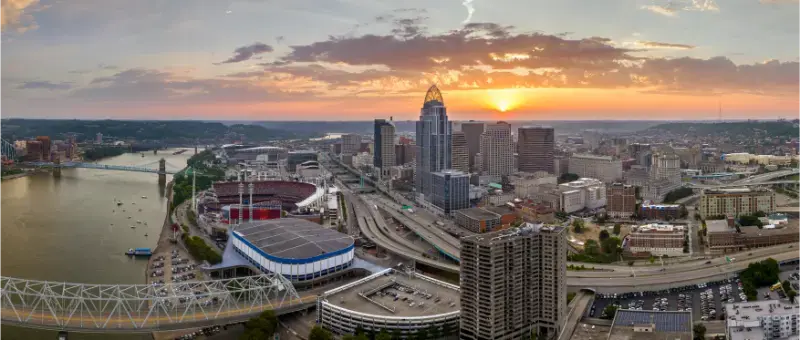
For day one, start at Findlay Market and walk through Over-the-Rhine, with time around Washington Park and Music Hall. Have lunch nearby, then ride the free streetcar toward The Banks. Spend the afternoon at Smale Riverfront Park, enjoy views of the suspension bridge, and perhaps take a riverside walk if the weather is cooperative. Choose a downtown or OTR restaurant for dinner. This itinerary clusters neighborhoods logically and leaves the evening open for a performance or baseball game.

On day two, select one principal attraction: the zoo for families, Union Terminal for history and interactive museums, or the art museum and Eden Park for art lovers. Add one smaller stop nearby if the group still has energy. If crossing into Kentucky, treat Covington and Newport as an alternative second-day focus, not an afterthought attached to a crowded Cincinnati itinerary. Travelers with an additional day can explore the region more widely without diminishing the core city visit.
Where to stay and practical transportation tips
Compare available accommodation for your dates, budget and preferred location before you finalize your route.
Downtown hotels work well for stadiums, riverfront walks, the streetcar, and business district venues. OTR accommodations put cafes and evening dining closer, but check nighttime noise and parking. Properties around the university or in suburban districts can be appealing for specific purposes, yet they increase the distance from the main visitor circuit. Cincinnati/Northern Kentucky International Airport is across the state line in Kentucky; budget time for crossing the metro area and review current bus or rideshare options before landing.
When driving, treat event-night parking as a separate planning task. Stadium crowds, road closures, and garages with event pricing can complicate otherwise straightforward days. The Connector is accessible and free, but passengers with mobility needs should still verify station access and service alerts. Cobblestones, sloped sidewalks, and older buildings elsewhere in the city may present barriers. A little attention to elevation and accessible entrances makes Cincinnati much easier to enjoy.
When to visit and the mistakes worth avoiding
Spring and fall are comfortable for neighborhood walking and often feature cultural events. Summer offers extended riverfront time but can be humid; winter rewards museum-goers and travelers interested in holiday programming. Events, festivals, and sports can make the city especially lively while also raising hotel prices. Check both sides of the river when looking at accommodation locations: an attractive nightly rate in northern Kentucky may involve a bridge crossing and extra time each morning.
The biggest mistakes are trying to walk every hill, assuming the streetcar reaches outlying museums and the zoo, and treating the Roebling Bridge as guaranteed open to pedestrians without checking current restrictions. Another is neglecting Findlay Market’s opening day. Cincinnati is a rewarding weekend city precisely because its core offers several complementary experiences; enjoying two or three of them properly is preferable to a frantic attraction count.
Planning links
Use the official Cincinnati Connector, Cincinnati Parks, Findlay Market, and museum websites for current schedules and tickets. The existing Ohio destination overview puts Cincinnati in the context of other cities in the state. For multi-city combinations, review the travel-planning resources before reserving a rental vehicle or moving your lodging every night.
Continue exploring: Ohio destinations, Trip planning, Road trips.
Frequently asked questions
Is the Cincinnati streetcar free?
Yes. The Connector currently operates fare-free within its central route, subject to service notices.
Can I walk from Over-the-Rhine to the riverfront?
Many central sections are walkable, and the Connector offers a convenient option between Findlay Market, downtown and The Banks.
What makes Cincinnati chili different?
It is a locally distinctive spiced meat sauce commonly served over spaghetti or hot dogs, rather than a typical bowl of bean-based chili.
Is Cincinnati Museum Center near the free streetcar?
No. Union Terminal is away from the Connector corridor, so plan a separate transport segment.
Do I need a car for a Cincinnati weekend?
Not necessarily for the central districts, but a car or rideshare can help with the zoo, Union Terminal and hilltop neighborhoods.
Official sources and current updates
For date-specific operating information, refer directly to Cincinnati Connector: how to ride, Smale Riverfront Park. These operators publish changes to access, weather closures, tickets, and facilities.