

Toledo is often bypassed by travelers heading toward Detroit, Chicago, or Cedar Point, but its combination of accessible art, glassmaking history, riverfront regeneration, parks, and family attractions merits a dedicated visit. Its identity is tied to the Maumee River and manufacturing, yet the city has invested in museums, public spaces, and a surprisingly varied outdoor network. Toledo is particularly effective as a one- or two-night stop on a Lake Erie trip. The key is to choose between a culture-focused downtown day and a family day at the zoo or Metroparks, rather than expecting everything to sit within an easy walk of one hotel.
At a glance
| Best for | Art, riverfront and family attractions |
|---|---|
| Suggested time | 1–2 days |
| Getting around | Car between museum, zoo and gardens |
| Important | Check official schedules and current access notices |
Toledo Museum of Art: the essential cultural stop
The Toledo Museum of Art has a significant collection that extends well beyond the glass objects for which the region is famous. It is a strong first stop because its architecture, galleries, and changing exhibits can fill several hours. General admission to the museum’s permanent collection is ordinarily free, while particular exhibitions, tours, events, or parking may carry fees. Verify current conditions on the official museum site, especially if you want a specific temporary show. The museum’s scale encourages a measured visit, not a frantic circuit of every gallery in one hour.
The nearby Glass Pavilion is particularly appropriate in a city known as the Glass City. Its architecture and exhibits help explain the artistic possibilities of glass, though demonstration schedules and program availability change. If a live demonstration is important to you, confirm the current program before traveling. Admire the technique and history alongside the finished objects: the story connects industrial skill, technology, design, and artistic experimentation. A visit can appeal to adults who ordinarily think of museums as static collections.
Why glass matters to Toledo
Toledo’s glassmaking reputation stems from industrial manufacturing and a region where factories, skilled workers, and innovation shaped the local economy. The city’s heritage is not limited to decorative glassware. Architectural glass, containers, scientific applications, and art all form parts of the wider narrative. Exploring the Glass Pavilion after seeing the museum’s main collection helps put that history into perspective. The city’s nickname is therefore more than a promotional slogan: it reflects a real and long-lived industrial specialization.
Visitors interested in design should allow time to read about processes and tools rather than focusing solely on colorful installations. When demonstrations are offered, observe safety distances and follow staff directions. Workshops and special educational activities may require booking. Combine the glass story with a walk through another part of Toledo instead of searching for factory access; working industrial facilities are not public attractions unless they explicitly advertise tours.
The Maumee River and downtown’s changing public spaces
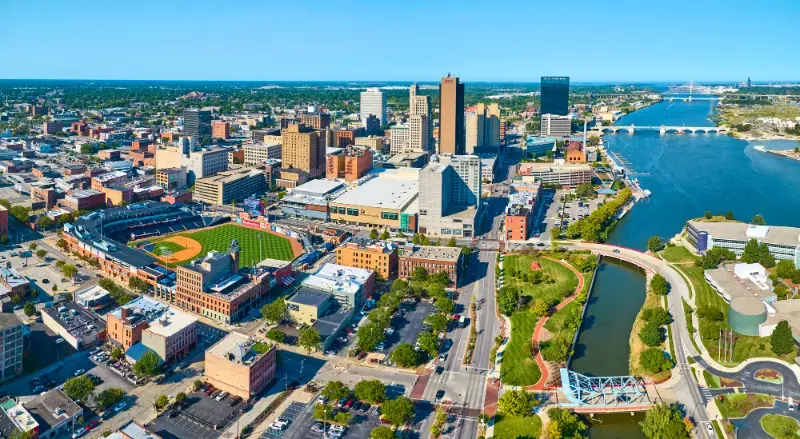
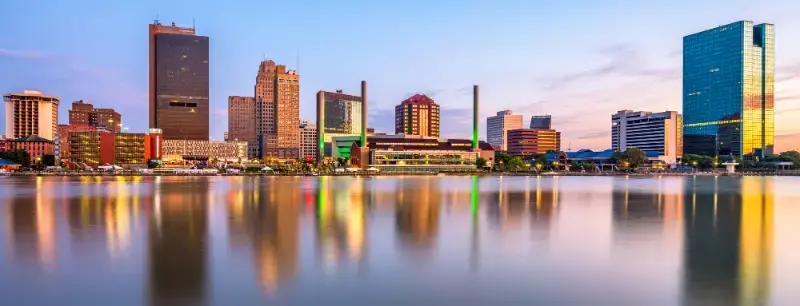
The Maumee River gives Toledo its sense of place. Downtown bridges, river views, and waterfront redevelopment show how the city’s relationship with the water has changed. Glass City Metropark and the connected riverfront spaces offer places to walk, sit, and observe the river. Features, event installations, and seasonal facilities should be checked with Metroparks Toledo. A calm walk in daylight helps you appreciate the contrast between industrial structures and newer public landscaping without expecting the waterfront to resemble a resort promenade.
The river has working sections and access limitations. Use marked park entrances and paths, not vacant-looking industrial lots, to reach the water. Families should be attentive near docks and edges, where barriers and conditions vary. A riverfront break fits well after a museum morning or before dinner downtown. You can also learn about the region’s maritime history at the National Museum of the Great Lakes, whose exhibits and historic vessel experiences depend on schedules and seasons.
National Museum of the Great Lakes and shipping history
Lake Erie and the other Great Lakes have long supported shipping, industry, and communities, and Toledo’s maritime museum explains why these waters have been economically and culturally vital. Exhibits explore navigation, ship technology, storms, and the lives of people whose work depended on the lakes. The museum is an especially useful complement to the waterfront because it replaces an abstract view of freighters with a sense of what moving cargo actually required.
Historic vessels and seasonal programs may operate differently from indoor galleries, so check which experiences your ticket includes. Visitors interested in boats may happily spend more time here than at a traditional art gallery, while families with young children might prefer a shorter museum visit combined with outdoor play. It is important not to promise a ship tour just because photographs on a museum website show a vessel open during a previous summer.
Toledo Zoo & Aquarium: build most of a day around it
The Toledo Zoo & Aquarium is a major regional family attraction. Its aquarium displays aquatic environments and animals from different parts of the world, while the zoo has terrestrial exhibits and gardens. The property is large enough that a rushed two-hour stop may leave children tired and disappointed. Check animal viewing schedules, interactive experiences, and the current operating calendar. Some animal habitats or attractions can close temporarily, and seasonal events may alter standard hours.
The zoo has specific entry, parking, food, and security policies. Its current visitor guidance identifies the main parking locations and a cashless payment system, and outside food rules include certain exceptions. Check these details before bringing a cooler or assuming a particular payment method will work. Strollers, accessible pathways, and indoor aquarium areas help families manage the day, but the experience still requires walking. The aquarium can be an excellent indoor break during a hot or rainy stretch.
Toledo Botanical Garden and the Metroparks network
Toledo Botanical Garden, managed within the Metroparks system, offers a peaceful change from the busy zoo and city center. Cultivated displays and art installations reward slow walking, and the landscape changes considerably by season. The garden’s official page identifies entrances and parking options, and it warns about special-event closures that can affect normal visits. Treat the published calendar as important: a wedding, festival, or concert may change where you can walk or park.
The broader Metroparks Toledo system includes natural areas and purpose-built recreation spaces. Its network is one of the region’s strongest attractions for people who like walking, birdwatching, cycling, or simply finding open space near a city. Different parks have different habitats and surfaces, so choose one based on the experience you want. An afternoon at the botanical garden feels quite different from wetlands or a woodland trail, even though both belong to the same regional system.
A good one-day Toledo itinerary
On a culture-focused day, start at the Toledo Museum of Art and its Glass Pavilion. Take time over the glass collections, and plan lunch nearby or downtown. In the afternoon, visit the National Museum of the Great Lakes if it is open, then walk in Glass City Metropark or another designated Maumee riverfront space. End with dinner rather than trying to add the zoo late in the day. This itinerary connects art, industry, and shipping into a coherent picture of the city.
Families with children might instead devote the morning and early afternoon to the zoo and aquarium, followed by a short park break. Keep the Glass Pavilion as an optional rainy-day alternative if the children are interested in craft or demonstrations. Trying to combine a full zoo day with every gallery of the art museum usually sacrifices the unhurried experience that makes both rewarding. If time is limited, choose what genuinely interests your group rather than a generic ranking of attractions.
A two-day plan for art, animals, and riverfront landscapes
On day one, follow the art-and-waterfront route, with enough time for a leisurely museum visit and a downtown evening. Day two can begin at the zoo, allowing several hours for exhibits and the aquarium. Finish at Toledo Botanical Garden or another Metropark if the weather is favorable. Travelers without children can replace the zoo with a longer riverfront walk or specialized museum visit. Two nights may be particularly sensible if Toledo is a stop between Lake Erie island excursions and a larger Ohio city.
The schedule should respond to your dates. The zoo may run different hours during special events, the botanical garden may close sections during concerts, and boat-related activities can be seasonal. Check each institution’s calendar rather than using a single citywide ‘opening hours’ table. More importantly, account for driving and parking between attractions. Toledo is not one compact pedestrian museum district, even though individual areas are pleasant to explore on foot.
Where to stay and how to get around
Downtown Toledo is practical for the river, maritime history, and evening dining. Accommodations closer to the zoo or west-side parks may suit families, but can increase the distance to the art museum and downtown. Check the neighborhood, parking arrangements, and actual driving route before selecting the cheapest rate. I-75 and regional highways make Toledo easy to reach by car; travelers arriving without one should map transit services in advance rather than assuming tourist attractions share a shuttle.
A car is useful for combining the zoo, museum district, botanical garden, and parks in one trip. You can park once within individual areas, but moving between them usually requires another journey. Winter weather can affect road conditions and riverfront walking, while summer weekends bring events and busier recreational facilities. For accessible travel, consult each museum’s entrances and the Metroparks’ specific trail information. A paved downtown path is not equivalent to a natural trail, even when both are listed as easy walks.
Seasons, budget, and what visitors often miss
Spring and fall offer pleasant walking weather and appealing garden changes. Summer brings outdoor activities, longer evenings, and more waterfront events, though heat and storms can affect plans. Winter is a strong time for art and indoor exhibits, provided you do not depend on seasonal boats or garden displays. A budget-conscious trip can use the art museum’s general admission arrangements and many public parks while reserving spending for the zoo or a specialized maritime experience.
Common mistakes include assuming the Glass Pavilion is a glass factory tour, underestimating time at the zoo, failing to check special-event restrictions at the botanical garden, and treating the Maumee riverfront as continuously accessible through industrial areas. Another is passing through Toledo without considering its museums because the city is not as famous as Cleveland or Columbus. Visitors who build the day around one genuine interest often discover far more than expected.
Sources and further Ohio planning
Consult the official Toledo Museum of Art, Toledo Botanical Garden, Toledo Zoo & Aquarium, and National Museum of the Great Lakes websites before setting exact visit times. The existing Ohio destination guide helps position Toledo within a larger Lake Erie trip, and the site’s planning hub supports the broader logistics.
Continue exploring: Ohio destinations, Trip planning, Things to do.
Frequently asked questions
What is Toledo best known for?
Its glass industry heritage, substantial art museum, Great Lakes context and family attractions are among its strongest themes.
Does Toledo Museum of Art charge general admission?
General admission to the permanent collection is ordinarily free; special exhibitions and parking may cost extra.
Can I visit the Toledo Zoo in two hours?
You can see a portion, but the zoo and aquarium are best treated as a substantial family outing.
Is Toledo Botanical Garden open during all events?
Not always. Special concerts and programs can affect ordinary access, so check the park calendar.
Can I explore the Maumee River shoreline anywhere?
No. Use official public parks and designated routes rather than industrial or restricted shoreline property.
Official sources and current updates
For date-specific operating information, refer directly to Toledo Zoo & Aquarium visitor information, Metroparks Toledo Botanical Garden. These operators publish changes to access, weather closures, tickets, and facilities.