

At a glance
| Practical detail | What to know |
|---|---|
| Suggested stay | 2 days for major museums and riverfront |
| Walkable base | Museum District or downtown for selected sights |
| Transport | A car helps between neighborhoods; plan parking |
| Weather backup | VMFA and other indoor museums |
Richmond is a capital city where the James River runs through the middle of the itinerary rather than sitting far outside town. You can spend the morning in a major art museum, walk through one of the country’s historically significant urban landscapes in the afternoon, and finish with a river overlook or a meal in a neighborhood full of local businesses. Richmond’s appeal is not a single photo stop: it is the contrast between steep streets, industrial buildings, leafy residential blocks, contemporary culture, and unusually accessible urban nature. Travelers who treat it simply as a place to sleep on the way to Williamsburg miss most of what makes it worthwhile.
The city works well for two days, or three when you want to include several museums and trails without rushing. Its historical sites also deserve more than a passing glance. Richmond was the capital of the Confederacy during the Civil War, and the interpretation of that past has changed substantially. A thoughtful visit considers Black history, slavery, emancipation, industry, and modern Richmond alongside the Civil War rather than reducing the entire city to a single era.
Begin at the Virginia Museum of Fine Arts
The Virginia Museum of Fine Arts, usually called VMFA, is one of the strongest reasons to build a Richmond itinerary around the Museum District. Its permanent collections span centuries and continents, so the visit can be tailored rather than approached as a race through every gallery. Pick two or three areas that interest you, allow time to sit with individual works, and look for information about current special exhibitions before deciding how long to stay. General admission to the permanent collection is typically free, while certain exhibitions or events can require tickets; consult the museum’s current visitor page.
VMFA is also a practical wet-weather anchor. Travelers with children can choose a short gallery visit instead of forcing a full museum day, and adults interested in decorative arts or photography can spend much longer. Check which entrances are in use, whether any galleries are temporarily closed, and what public programming is scheduled. The outdoor grounds and surrounding Museum District streets make it possible to combine art with a relaxed neighborhood walk rather than immediately getting back into the car.
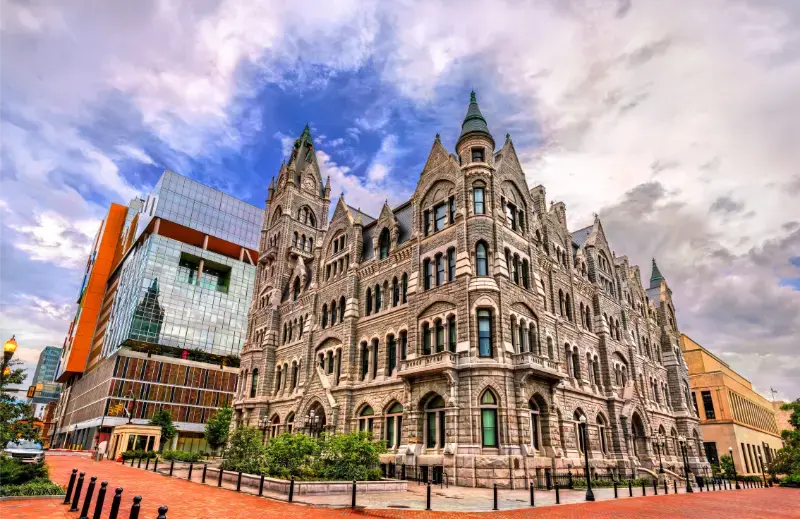
Nearby, the Virginia Museum of History & Culture offers a different experience. It helps place the streets, communities, and political events you encounter elsewhere in the city within a larger state story. These two institutions are complementary, not interchangeable. Choose VMFA for a broad art collection, the history museum for deeper Virginia context, or both if you have the better part of a day.
Explore the James River Park System without overplanning
The James River is central to Richmond’s identity. Rather than expecting one continuous paved waterfront promenade, expect a collection of parks, trails, bridges, rocks, rapids, and access points with different conditions. Belle Isle, reached by a pedestrian suspension bridge near downtown, is a popular place to appreciate the river and the remains of earlier industrial infrastructure. Paths range from easy walks to uneven rocky stretches. The water is powerful in places; swimming or stepping onto exposed rocks should never be treated as automatically safe just because other people are doing so.
Brown’s Island and the nearby riverfront offer a gentler introduction, especially if someone in your group wants scenery but not a technical trail. The Canal Walk connects segments of the historic waterfront, although the exact route you choose depends on construction, events, and access conditions. For an elevated perspective, the T. Tyler Potterfield Memorial Bridge gives broad views across the river corridor. This is often a more satisfying introduction to Richmond than trying to visit every park access in one afternoon.
Local river levels matter. Heavy rain upstream can change conditions, and what appears to be a calm entry point may be unsafe. Anyone considering rafting, paddling, or swimming should check official river advisories and use appropriate guided services or local safety resources. Families can enjoy the river just as well from bridges and overlooks. Bring water and shoes with reliable traction because urban river routes may include stairs, roots, and wet rock.
Walk historic Church Hill and the viewpoint at Libby Hill
Church Hill’s slopes, restored houses, churches, and neighborhood streets tell a different story from downtown’s business district. St. John’s Church is closely associated with Patrick Henry’s 1775 speech, but its interpretation should be checked through the site’s own tour schedule rather than assuming public access whenever the grounds are visible. Libby Hill Park is an excellent place for a view over the James River and Richmond’s lower neighborhoods, particularly late in the day when the light falls across the city.
The neighborhood merits a slow walk with awareness that it is also a residential community. A good approach is to choose a handful of streets, a park overlook, and a locally operated cafe or bakery, rather than driving between each historic marker. Sidewalk grades can be steep; this matters for strollers and travelers with reduced mobility. Street parking rules differ block by block, and it is easier to use a legal parking spot once and walk than to move the car repeatedly.
Understand Richmond’s complicated historical landscape
Historic Richmond cannot be approached only through monuments or only through buildings associated with famous politicians. The American Civil War Museum at Historic Tredegar provides a way to explore the conflict from multiple perspectives, including the lives of civilians and enslaved people. The site’s industrial setting itself is part of the story: the Tredegar Iron Works was a significant manufacturer. Check exhibition locations and ticketing before arriving because institutions operate specific visitor facilities, not every historic building on their grounds.
For Black history, the Black History Museum and Cultural Center of Virginia offers essential context that traditional sightseeing routes have sometimes neglected. Jackson Ward, historically known as a center of Black entrepreneurship and cultural life, also deserves attention. Maggie L. Walker National Historic Site interprets the life of the pioneering businesswoman and community leader; National Park Service access and house-tour arrangements should be confirmed in advance. Rather than collecting every historic site as a quick stop, select two substantial experiences and read the interpretation carefully.
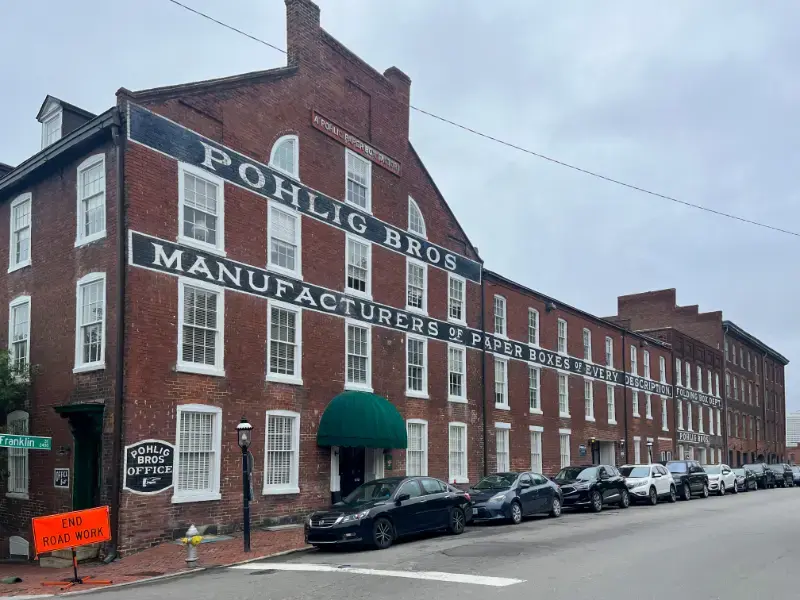
A respectful visit recognizes that Richmond’s public memory is still evolving. Exhibits, monuments, public spaces, and interpretive projects can change. Check primary institutions for the latest arrangements and avoid relying on old itineraries that treat removed or relocated monuments as permanent features.
Carytown, the Fan, and places to eat
Carytown is useful when you want a walkable stretch of independent shops, casual dining, and an evening that does not require a scheduled performance. Its mix of bookstores, boutiques, and restaurants makes it different from a shopping mall. Weekend afternoons can be busy, and some smaller businesses keep limited hours. The adjoining Fan District is known for its residential architecture and broad pattern of radiating streets. It is appealing for a neighborhood walk but not necessarily a sequence of ticketed attractions.
Richmond’s food scene includes Southern cooking, contemporary restaurants, breweries, bakeries, and many cuisines shaped by the city’s diverse communities. Rather than claiming one restaurant is the city’s best, choose according to your route and current opening hours. Make reservations for a particular dinner if it matters to the trip, especially on weekends. Visitors who are driving should plan a designated driver or use a car service if their evening includes alcohol. Lunch can be practical near whichever museum or neighborhood you are already visiting.
A realistic Richmond itinerary for one, two, or three days
For one full day, begin with VMFA and a walk through the Museum District. Have lunch, then head downtown to Brown’s Island and the Potterfield Bridge. Finish at Libby Hill or Carytown, depending on whether you prefer an overlook or an evening among shops and restaurants. This day allows time to enjoy a few places; adding several historic-house tours would make the schedule fragile.

For a two-day stay, keep that first day, then devote the second morning to the American Civil War Museum or the Black History Museum. Explore Jackson Ward or the area around Maggie L. Walker National Historic Site, subject to tour availability, and leave the afternoon for Church Hill. If you would rather prioritize nature, exchange one museum block for Belle Isle. The right combination depends on weather and walking ability.
With three days, add Maymont, the public estate and park on the city’s western side, or a guided activity on the James when river conditions allow. Maymont has grounds and visitor experiences with differing access arrangements; check the official schedule and whether any indoor spaces require admission. Trying to squeeze Maymont, two museums, Church Hill, the riverfront, and Carytown into a single day will produce more driving than enjoyment.
Where to stay and how to get around Richmond
Downtown is convenient for travelers whose priority is the James River waterfront, civic history, and event venues. The Museum District and nearby neighborhoods suit a museum-and-restaurant weekend, though choices of hotels and parking will vary. A hotel near the interstate may be cheaper but can make every attraction a separate car journey. Compare the location of your lodging with the places you most want to visit before committing.
Richmond has public transit, including major bus corridors, but not every attraction is connected by one simple route. Check the GRTC network and its current schedules rather than assuming you can walk from the train station to all sights. Main Street Station and Staples Mill Road Station serve different rail trips and are not interchangeable arrival points. Richmond International Airport lies east of downtown; allow time to reach your accommodation. If you rent a car, consider garage costs and parking restrictions when comparing hotels. The city can be enjoyed car-light in selected neighborhoods, but a rental car is useful for dispersed sites.
Best time to visit and practical visitor advice
Spring and fall tend to be comfortable for walking and museum visits, while summer can be humid. Fall weekends may coincide with festivals or college events that affect parking and hotel rates. Winter is viable for museum-heavy trips, though river paths may be cold, wet, or muddy. The best season is therefore a question of your itinerary rather than a single universal answer. For any outdoor plans, check weather, river conditions, and daylight on the actual date.
Budget separately for parking, special exhibitions, guided tours, and meals. A free museum collection does not make the whole day free, and an outdoor trail does not guarantee unrestricted access to every section. For accessibility, verify specific entrances and trail surfaces; river rocks and steep neighborhood grades create obstacles that a simple city map cannot show. Keep a flexible indoor alternative in case a storm changes a riverfront afternoon.
Useful official information
The Virginia Museum of Fine Arts publishes exhibitions, admission policies, and access details. The National Park Service Maggie L. Walker site provides tour information and historical context. For citywide visitor planning, consult Visit Richmond. Official parks and river-safety information should be checked before entering the James River corridor.
Frequently asked questions
Is Richmond worth visiting for one day?
Yes. One full day can combine the Virginia Museum of Fine Arts with a James River or neighborhood walk. Two days make it easier to add history and avoid excessive driving.
Can I explore Richmond without a car?
Selected museum and downtown areas are walkable, but the attractions are spread between neighborhoods. Check current bus routes and use transit or a car for less-central destinations.
Is admission to VMFA free?
General admission to the permanent collection is normally free, while ticketed exhibitions and special events can cost extra. Always review the current museum schedule.
Which part of Richmond is best for a first stay?
Downtown and the Museum District work for different itineraries. Choose a base based on the sights you plan to visit and its actual parking or transit access.
Is the James River safe for swimming?
Conditions vary with rainfall, river flow and location. Never assume urban river access is supervised swimming; check posted restrictions and current river safety notices.
For more trip ideas, use our Virginia travel hub. Explore our West Virginia hub for a contrasting Appalachian road trip.