

Best Beaches in Michigan: Lake Michigan, Lake Superior & Great Lakes Shores. Michigan has freshwater beaches on four Great Lakes, ranging from broad Lake Michigan sand to wilder Lake Superior shoreline and family-friendly state-park beaches. This guide focuses on how to organize the visit efficiently, what deserves the most time, where a car is useful and how to combine the destination with the rest of a Michigan itinerary.
Plan the visit by geography, not by checklist
Michigan beaches is easiest to enjoy when you group nearby experiences instead of crossing the region repeatedly. Start by identifying the one attraction, beach, trail, cruise or neighborhood that matters most, then choose secondary stops within the same area. This approach reduces parking changes and dead driving time, and it makes the schedule more resilient when weather or crowds force a change. Michigan destinations often look close together on a map while still requiring slow shoreline roads, bridge crossings or seasonal traffic. A geographically compact day is usually more satisfying than a longer list of famous stops.
Build at least one buffer into every day. That buffer can absorb a delayed ferry, a full parking lot, a longer lunch, a sudden rain shower or simply the desire to stay longer at a beach or viewpoint. If you schedule every hour, the trip becomes fragile. If you leave one flexible block, you can protect the main experience without feeling that a small delay has ruined the day.
If you are visiting during a busy summer weekend or peak fall-color period, move the most popular outdoor stop to the first part of the day and save flexible town walks, cafés, shops or indoor attractions for later. This simple order often improves parking, reduces queues and gives you a backup if clouds, wind or rain arrive in the afternoon. It also helps families and slower-paced travelers avoid turning every day into a race.
Why Michigan beaches belongs on a Michigan trip
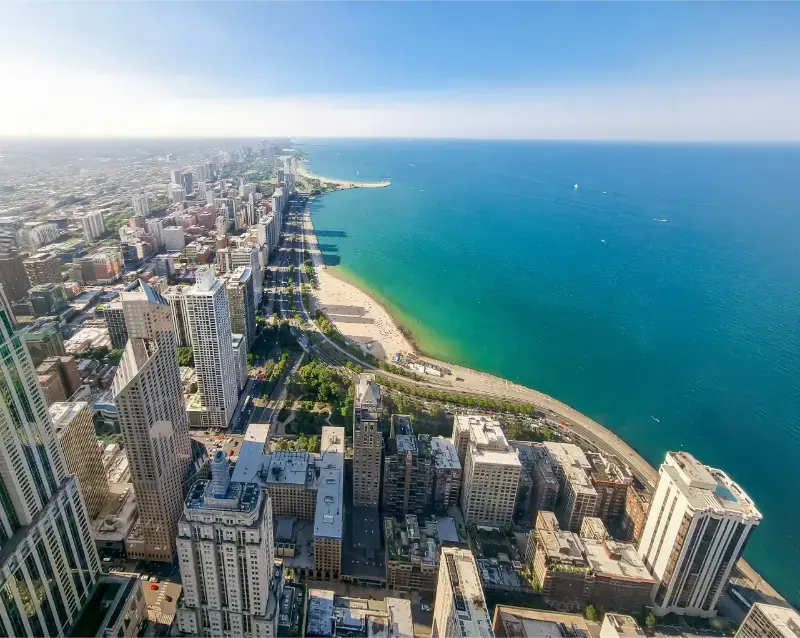
Michigan beaches adds a distinct layer to a Michigan itinerary rather than simply repeating another Great Lakes stop. The strongest trips use the destination for what it does best: landscape, local history, waterfront access, outdoor recreation or a compact town center. Instead of trying to “see everything,” choose two or three priorities and build the day around them.
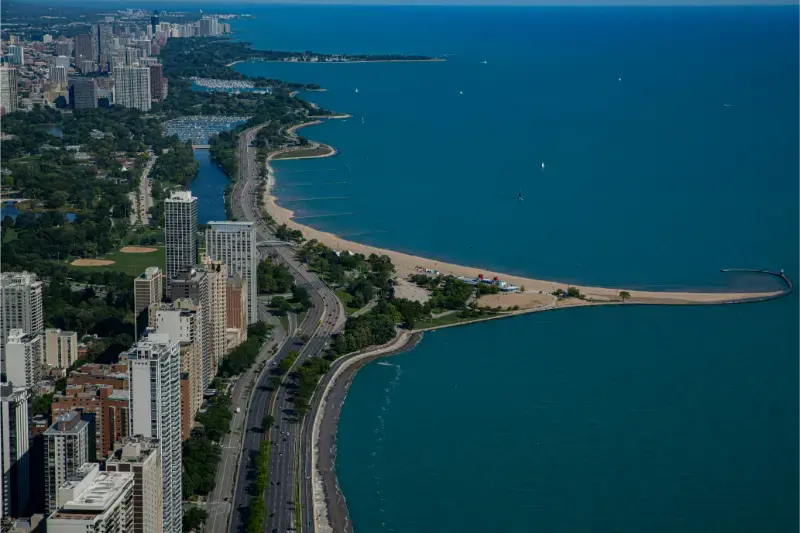
Michigan rewards realistic pacing. Distances that look modest on a state map can become long travel days once shoreline roads, construction, ferries, scenic stops and weather are added. Build the trip by region, keep the most important reservation as the anchor of the day, and leave enough unscheduled time for beaches, overlooks and local food. In northern Michigan and the Upper Peninsula, services can be farther apart and mobile coverage less reliable, so download directions and keep fuel above half a tank on longer rural stretches.
Michigan beaches differ dramatically by lake and region. Lake Michigan generally offers the broadest classic sand-beach experience, while Lake Superior is colder and more exposed. State parks and national lakeshores may use different parking, entrance or permit systems. Even on hot days, water temperatures and currents can remain hazardous, so follow local warnings and beach flags.
Essential places and experiences
- Sleeping Bear beaches: Give this stop enough time to experience it rather than treating it as a photo break. Check the official site for current hours, access, parking or seasonal conditions before the trip.
- Oval Beach: Give this stop enough time to experience it rather than treating it as a photo break. Check the official site for current hours, access, parking or seasonal conditions before the trip.
- Silver Lake: Give this stop enough time to experience it rather than treating it as a photo break. Check the official site for current hours, access, parking or seasonal conditions before the trip.
- Grand Haven: Give this stop enough time to experience it rather than treating it as a photo break. Check the official site for current hours, access, parking or seasonal conditions before the trip.
- Lake Superior beaches: Give this stop enough time to experience it rather than treating it as a photo break. Check the official site for current hours, access, parking or seasonal conditions before the trip.
How long to stay
For most travelers, Michigan beaches works best with at least one full day, while two nights create a much more comfortable rhythm when outdoor activities or long drives are involved. A quick stop can work if it lies directly on your route, but it rarely makes sense to add several hours of driving only to spend an hour in town or at a viewpoint. If weather is central to the experience, a second night also gives you flexibility to swap the order of activities.
Where to stay
Compare available accommodation for your dates, budget and preferred location before you finalize your route.
Choose accommodation according to the first activity of the next morning, not only the lowest nightly price. In popular lake and resort areas, the difference between staying in the center and staying 30–45 minutes away can change the entire day once parking and traffic are considered. Book peak summer and fall weekends early, and check cancellation terms if your plans depend on boats, ferries or exposed hiking conditions.
Compare current accommodation options for Michigan beaches and choose a base that fits the actual shape of your itinerary.
Search stays on Booking.comGetting around and parking
A car is the most practical option for most regional Michigan trips, especially when you need to connect beaches, trailheads, state parks or small towns. Once you reach a compact downtown, park once and walk where possible. In summer, arrive early at popular beaches and trailheads. For island destinations or boat-based excursions, confirm where the vehicle stays and how much buffer time you need before departure.
Best time to visit
Season changes the experience dramatically. Summer brings the easiest access to beaches, cruises and seasonal businesses but also the highest demand in resort towns. Fall is excellent for color and hiking, while spring can combine quiet roads with muddy trails, cold lake water and reduced hours. Winter creates a completely different Michigan focused on snow, frozen shoreline and indoor city breaks. For any trip built around a ferry, trail, boat tour or seasonal road, verify the operating calendar shortly before departure.
A practical day plan
Morning
Start with the highest-priority outdoor or timed experience around Michigan beaches. Early hours usually mean easier parking, cooler temperatures and more flexibility if weather changes.
Afternoon
Use the middle of the day for the main museum, beach, hike, cruise or scenic drive. Build lunch into the geography of the day rather than crossing town simply for a famous restaurant.
Evening
Slow down for a waterfront walk, local dinner, sunset viewpoint or compact downtown. If the next day involves a long drive, refuel and prepare offline directions before returning to the hotel.
Costs and reservations
Accommodation is usually the largest variable cost. Add parking, park-entry requirements, ferry or cruise tickets, food and fuel before deciding whether a cheaper hotel actually saves money. Reserve anything with fixed capacity first. Ordinary restaurants, viewpoints and flexible walks can remain open in the schedule. Always check the official site for current prices because fees and reservation systems can change long before this article is published.
Travel safely and responsibly
Treat Great Lakes weather with the same respect you would give an ocean coast. Wind, fog, cold water, thunderstorms and sudden temperature changes can alter plans quickly. On cliffs, dunes and waterfalls, stay on designated routes and do not assume that a short trail is automatically easy. Carry water, layers and offline directions, and check official alerts before committing to a remote hike or long crossing.
How to combine this with a longer Michigan itinerary
The most efficient Michigan itineraries are regional. Southeast Michigan centers on Detroit and Ann Arbor; west Michigan connects Grand Rapids with Lake Michigan beach towns; northwest Michigan works around Traverse City, Sleeping Bear, Petoskey and Mackinac; the Upper Peninsula deserves its own multi-day section. Combine neighboring places before jumping across the state. This reduces dead driving time and makes it easier to react to weather.
A car is useful for connecting Great Lakes towns, trailheads and seasonal attractions. Compare the full rental conditions before booking.
Compare cars with DiscoverCarsCommon planning mistakes
- Trying to combine too many distant Michigan regions in one day.
- Assuming every seasonal business or ferry operates daily outside midsummer.
- Leaving the most important lodging or transport reservation until the last minute.
- Underestimating cold water, wind and rapidly changing Great Lakes weather.
- Treating scenic roads and small towns as dead transfer time instead of part of the trip.
Official resources to check before you go
- Official planning resource for Michigan beaches
- Pure Michigan
- Michigan Department of Natural Resources
Final planning advice
The best way to enjoy Michigan beaches is to protect the experience that brought you there, then let the rest of the day remain flexible. Michigan trips become much better when the route follows geography, lake conditions and season rather than a checklist. Reserve the difficult-to-replace pieces, verify official alerts shortly before departure and leave enough room for the unexpected beach, viewpoint, café or short walk that turns into the highlight of the trip.
Compare current accommodation options for Michigan beaches and choose a base that fits the actual shape of your itinerary.
Search stays on Booking.com