

Florida’s natural springs are one of the state’s most surprising landscapes. The water can look impossibly clear, cypress and palms frame spring runs, manatees gather in warm-water refuges during colder months, and summer swimmers use the constant-temperature water as relief from the heat. But the springs are not interchangeable: some are best for swimming, some for paddling, some for tubing, and some become wildlife refuges where water access closes seasonally.
This guide explains which springs fit different trips and, just as importantly, the reservation and capacity rules that can determine whether you get in. For family planning, see Florida with Kids; for Orlando-based trips, see Orlando Travel Guide.
The most important 2026 change: reservations are becoming normal
High visitation has forced several popular Florida State Parks to manage day-use entry more actively. As of 2026, Blue Spring requires day-use reservations, joining parks such as Wekiwa Springs and Rainbow Springs that use reservation systems. Do not assume you can simply arrive at 11 a.m. on a summer Saturday. Check the individual park page before leaving, reserve when required, and still arrive on time.
Best Florida springs at a glance
| Spring | Best for | Important note |
|---|---|---|
| Blue Spring | Winter manatees, boardwalks, seasonal swimming | Water activities close during manatee refuge season; day-use reservations required in 2026. |
| Wekiwa Springs | Easy Orlando day trip, swimming, paddling | Day-use reservation required; popular on hot weekends. |
| Rainbow Springs | Swimming, paddling, waterfalls/gardens area | Check current reservation and capacity rules. |
| Weeki Wachee | Classic mermaid show, family fun, paddling | Attraction schedules and river-cruise conditions vary. |
| Ichetucknee Springs | Tubing and clear-water river experience | Seasonal rules and shuttle/tube logistics matter. |
| Silver Springs | Glass-bottom boats, wildlife, paddling | Swimming is not the main activity here. |
| Manatee Springs | Boardwalk, paddling, first-magnitude spring | Check current facility notices before driving. |
| Madison Blue | Compact swimming hole, north Florida road trips | Can hit capacity on weekends/holidays. |
Blue Spring State Park: best for winter manatee viewing
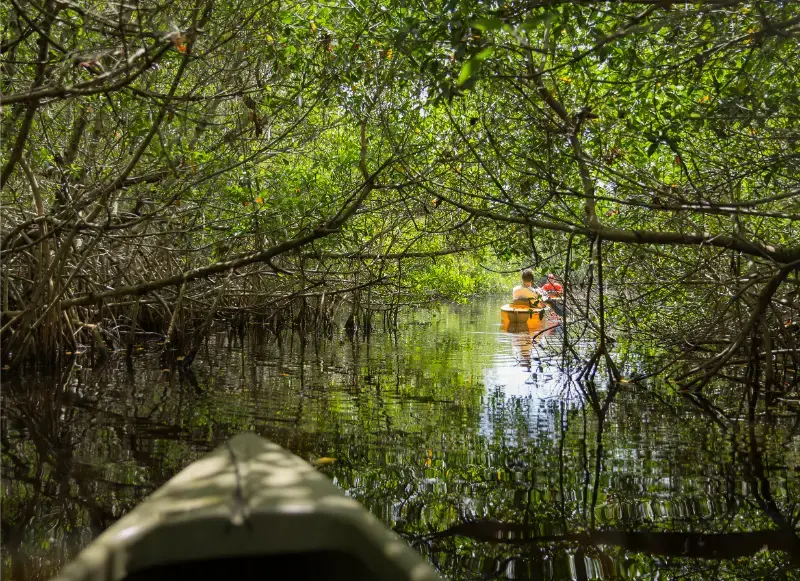
Blue Spring is one of Florida’s most famous manatee refuges because its spring water stays around 72°F, providing warm-water habitat when surrounding river temperatures drop. During manatee season, roughly mid-November through March, the spring run closes to swimming and other water activities. That is not a disappointment—it is the reason the animals can use the refuge safely. In 2026, day-use reservations are required for entry.
Wekiwa Springs: easiest from Orlando
Wekiwa is one of the most practical springs for an Orlando itinerary because it is close enough to pair with a city or recovery day. Swimming and paddling provide a sharp contrast to theme parks. Reservations are required for day-use entry, so spontaneity is limited. If you are visiting in summer, go early even with a reservation to enjoy cooler air and a calmer atmosphere.
Weeki Wachee: natural spring + classic roadside Florida
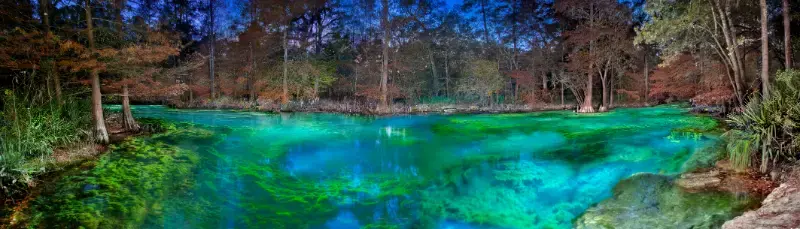
Weeki Wachee is different because it combines a real spring ecosystem with one of Florida’s most famous old-school attractions: the underwater mermaid show. Families can add Buccaneer Bay swimming and paddling when operating. Current schedules change seasonally, and some water activities may be affected by water levels or weather, so verify the day’s program before driving.
Ichetucknee Springs: best for a tubing day
Ichetucknee is ideal when the journey itself is the activity. Floating through a clear spring-fed river under trees feels completely different from a beach day. Tubing logistics—entry points, transport, tube rentals and seasonal access—deserve advance attention. Bring only what regulations allow, protect phones carefully and avoid treating the river like a party venue; this is a sensitive ecosystem.
Silver Springs: choose it for boats and wildlife, not swimming
Silver Springs is famous for glass-bottom boats and the enormous spring basin. It works especially well for travelers who want clear water without needing to swim. Paddling can reveal turtles, birds and other wildlife, while the boat tour is accessible to a broader range of ages and abilities than many tubing-focused springs.
Swimming with manatees: understand the difference between viewing and interaction
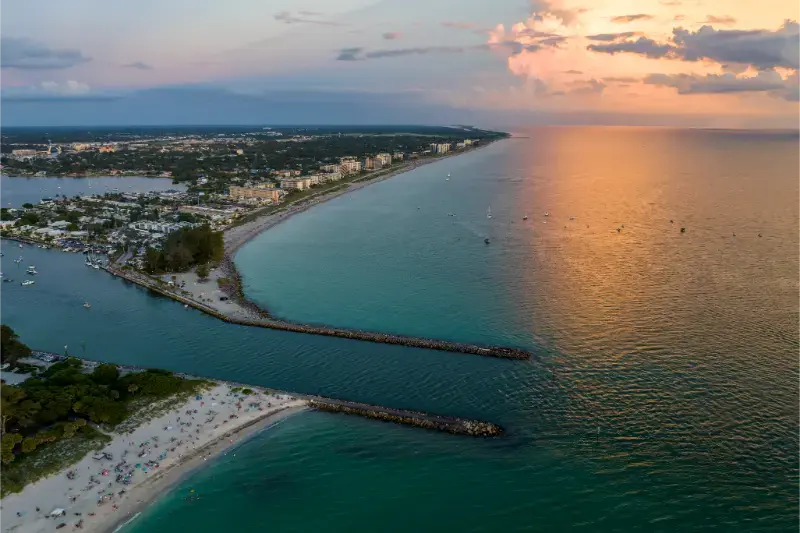
Manatee rules vary by location. Blue Spring protects a refuge where swimming with manatees is not permitted during the winter closure. Crystal River/Homosassa-area experiences operate under different federal rules and regulated tour practices. Never assume that because an animal approaches a person in a video, touching or chasing is acceptable. Choose operators that emphasize passive observation and current wildlife regulations.
What to pack for a spring day
- Swimsuit and quick-dry clothing.
- Reef-safe or park-appropriate sun protection; shade can still produce sun exposure on water.
- Water shoes where permitted and useful.
- Dry bag for phone, keys and medications.
- Drinking water and snacks—many parks have limited concessions.
- A change of clothes for the drive home.
- Snorkel gear only where swimming/snorkeling is currently permitted.
Florida springs with kids
Springs can be excellent for children but require realistic expectations. Water temperatures can feel cold compared with summer air, currents vary, and some swimming areas become deep quickly. Life jackets are a smart choice for developing swimmers. The best family spring is usually the one with the simplest logistics, not the most photogenic Instagram image.
How to build springs into a road trip
Central Florida springs fit naturally between Orlando and the Gulf Coast. North Florida springs can break up longer drives toward Gainesville, Tallahassee or the Panhandle. Do not chase three springs in one day. Capacity, parking and river logistics make one well-chosen park more satisfying than a frantic checklist.
Official resources to check before every visit
Why springs deserve a place in a first Florida trip
Florida’s image is dominated by oceans and theme parks, but springs reveal the geology and freshwater systems beneath the state. One spring day makes the rest of Florida easier to understand—and often becomes the quietest, most unexpectedly memorable day of the vacation.
Frequently asked questions
Are Florida springs warm?
They are relatively constant in temperature, which feels refreshing in summer and warm enough to attract manatees in colder months compared with rivers and coastal water.
Can you swim with manatees at every spring?
No. Rules vary. At Blue Spring, winter refuge protections close the spring run to water activities. Always follow site-specific wildlife rules.
Do you need reservations?
Increasingly, yes at popular state parks. Blue Spring, Wekiwa and others use day-use reservation systems in 2026; check before driving.
Final planning perspective
Choose springs by activity and season, not by water color in photographs. The right spring on the right day can be extraordinary; the wrong park at capacity with closed water access can be frustrating. Planning is part of the experience.
Rainbow Springs and north-central Florida
Rainbow Springs combines clear water with a landscaped headspring area and river recreation. It can be extremely popular in warm months, and day-use procedures should be checked in advance. Pairing it with another north-central Florida stop works better than trying to include it as a rushed Orlando side trip.
Crystal River and Homosassa for manatee-focused trips
Travelers whose main goal is manatees should also research Crystal River and Homosassa, where regulated in-water experiences operate under specific rules. These are not the same as Blue Spring’s winter refuge. Choosing a wildlife-focused operator and understanding passive-observation rules is essential.
Spring safety is different from beach safety
Clear water can make depth deceptive. Currents may be stronger in spring runs than in swimming pools, submerged logs and rocks can create hazards, and water temperatures can feel surprisingly cold. Use life jackets when appropriate, follow marked swimming zones and never jump from trees or banks unless explicitly permitted.
Capacity planning for weekends and holidays
Popular springs can reach capacity early. A reservation does not always mean you should arrive at noon: parking, check-in and crowded swimming areas still affect the experience. Weekday mornings usually produce a calmer visit. If you cannot secure entry, have a secondary state park or indoor plan rather than driving around hoping for a reopening.
Best spring strategy by season
In cooler months, focus more on manatee viewing, boardwalks and paddling where allowed. In hot months, swimming and tubing become more attractive but crowds and capacity pressure rise sharply. Shoulder seasons can offer a good balance, though water activities may still be affected by wildlife presence or maintenance. Choosing the right spring for the season is more important than choosing the most famous spring on a national list.
One more practical detail worth planning
Environmental etiquette is especially important at springs because clear water makes impacts feel invisible. Avoid standing on submerged vegetation, never use wildlife as a selfie prop, follow vessel/no-swim zones and keep food waste out of the water. Sunscreen rules vary, but physical sun protection such as rash guards can reduce the amount of product entering sensitive water while also protecting skin during long paddles.
Finally, verify opening hours, reservation rules, weather alerts and temporary closures shortly before travel. Florida attractions and parks can change operations because of storms, maintenance, wildlife protection or seasonal demand. A guide should help you build the structure of the trip; official sources should confirm the final operating details for your exact dates.
Looking for the right place to stay? Compare hotels and accommodation on Booking.com.