

Best Places to Visit in Illinois: 15 Destinations for Cities, Small Towns, Route 66 and Nature. A destination-first guide to Illinois that explains which places deserve an overnight, which work as day trips, and how to combine them efficiently.
Choose the length of stay, reserve the experiences that matter most, and group stops that fit naturally together. Compare driving with other transport options, and leave out distant attractions when reaching them would consume time you would rather spend at the main destinations. The goal is a trip that still works when traffic, weather, crowds or normal delays change the day.
- Best city: Chicago
- Best history base: Springfield
- Best nature day trip from Chicago: Starved Rock
- Best small-town atmosphere: Galena
- Best long road-trip theme: Route 66 from Chicago toward the Mississippi
Chicago – the essential urban anchor
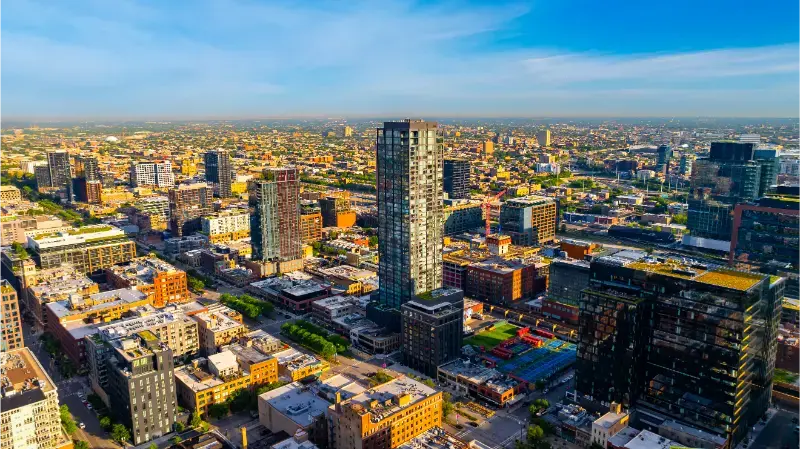
Chicago is the strongest first stop for architecture, museums, food, music and lakefront space. It deserves at least three nights when it is part of a larger Illinois trip and four or five when the city itself is the main destination. Central attractions are easy to combine by walking and transit, so a rental car usually adds cost rather than freedom.

Choose a base that matches your evenings as much as your daytime sightseeing. The Loop is practical for museums and landmarks, River North adds restaurants and nightlife, while neighborhoods become more attractive for repeat visitors who already know the central city.
Springfield – Lincoln history with Route 66 context
Springfield is the best Illinois destination for travelers who want American political history presented in a compact, practical city. The Lincoln Home National Historic Site, presidential museum, Old State Capitol area and Lincoln Tomb create a coherent two-day visit, while Route 66 gives the city another identity beyond Lincoln.
One night can work, but two nights reduce the temptation to rush the museum. Springfield is also a logical overnight on a Chicago-to-St. Louis road trip, which makes it more useful than a destination that requires a large detour.
Starved Rock and the Illinois River Valley
Starved Rock is the most obvious nature break for travelers based in Chicago. Sandstone canyons, bluff overlooks and rain-fed waterfalls create a landscape that feels surprisingly rugged for northern Illinois. The state park has more than 13 miles of trails, and current construction makes route selection important in 2026–27.
Stay near Utica or Oglesby when you want an early trail start or a second park such as Matthiessen. A day trip works, but a local overnight is more comfortable on weekends when parking and trail crowding can peak.
Galena – a slower historic-town stay
Galena works best as an overnight because the appeal is not a single attraction. It is the combination of a historic main street, hilly setting, shops, restaurants and nearby scenic drives. Travelers who enjoy browsing, architecture and relaxed evenings often value Galena more than travelers focused on major museums.
Because it lies northwest of Chicago, Galena fits a dedicated northern Illinois loop or a Great River Road trip better than a Chicago–Springfield itinerary. Avoid adding it solely because it appears on every state highlights list; route logic matters.
Pontiac – one of the best Route 66 small-city stops
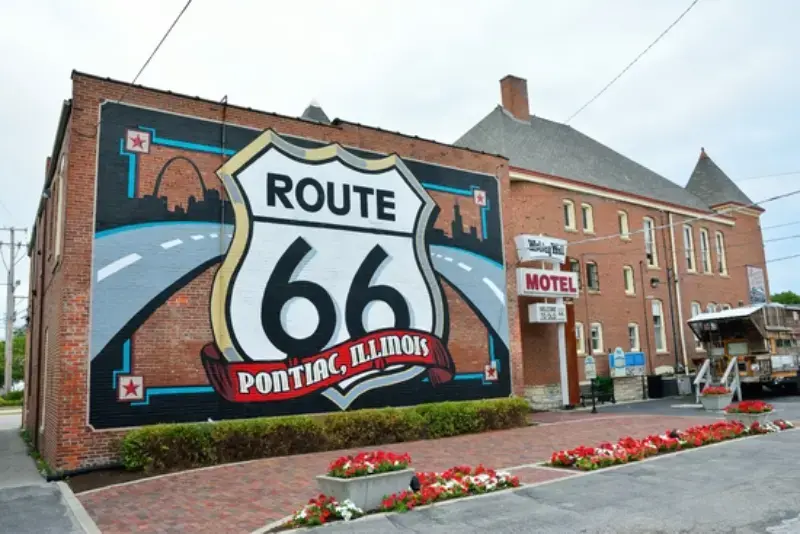
Pontiac is useful because it combines Route 66 interpretation, murals and a compact downtown in a way that gives context to the road rather than simply offering a photo opportunity. It is a strong two- to four-hour stop between Chicago and Springfield.
Most first-time visitors do not need to sleep in Pontiac unless they are traveling slowly along the Mother Road. Use it as a meaningful daytime break and save the overnight for Springfield or another destination with more evening options.
Joliet – the first major Route 66 transition from Chicago
Joliet is an easy first Route 66 stop after leaving Chicago. It works well for travelers who want heritage-road context before the smaller towns begin, and it is close enough to the city that you can still start the day without rushing.
Do not overfill the first driving day. Chicago traffic plus car pickup often takes longer than expected, so choose one or two Joliet-area stops before continuing rather than trying to complete an entire Route 66 checklist before lunch.
Bloomington-Normal and Atlanta – practical central Illinois breaks
Bloomington-Normal provides services, food and a larger-city pause, while nearby smaller Route 66 communities such as Atlanta add roadside character. This pairing works when you want a relaxed day between Pontiac and Springfield.
The best use of the area is flexibility. Stop longer if the weather is poor and you want indoor attractions, or keep moving if you have a timed Springfield visit later in the day.
Carbondale and Shawnee National Forest
Carbondale is the most practical larger base for exploring southern Illinois. It puts you within reach of forest, sandstone formations, wineries and college-town services without requiring every meal or hotel to be in a remote location.
The region deserves at least two nights because Garden of the Gods and other natural areas are spread across rural roads. A single hurried day from central Illinois creates too much driving and too little trail time.
Garden of the Gods – southern Illinois scenery with a short approach
Garden of the Gods is one of the state’s most photogenic natural areas, but its value increases when it is part of a broader Shawnee trip. The observation areas and sandstone formations can be visited relatively efficiently, making it a good centerpiece rather than an all-day destination by itself.
Pair it with a second hike or scenic drive, but keep enough daylight for rural navigation. Seasonal heat, storms and leaf cover can change both trail comfort and views.
Collinsville and the Mississippi-side heritage corridor
The Collinsville area is useful near the end of Illinois Route 66 and for access to Cahokia Mounds. It also works strategically when you are flying from or continuing into the St. Louis region.
Think of this as a gateway base rather than a resort destination. Its value is location: you can finish Route 66 stops, visit major cultural sites and position the next day efficiently.
Peoria and the Illinois River
Peoria can make sense on a central Illinois loop when you want river scenery, museums and a city that is less tourist-heavy than Chicago or Springfield. It is especially useful for travelers connecting western Illinois with the center of the state.
For a first statewide trip, Peoria is optional. Add it when it improves route geometry or matches a specific interest; skip it when it creates a detour from Chicago–Springfield–southern Illinois.
Rockford and northern Illinois gardens
Rockford is a practical northern Illinois stop for gardens, museums and a less expensive urban base than Chicago. It can pair with a drive toward Galena or Wisconsin and works well for families who want a regional museum day.
It is not necessary on a Chicago–Route 66 itinerary. Place it in a northern loop where the drive naturally passes through the area.
Great River Road towns
Illinois’ Mississippi River corridor offers scenic driving, historic towns and a quieter pace. It is a better choice for repeat visitors or travelers who enjoy road scenery as much as headline attractions.
Allow time for overlooks and short stops rather than calculating the day only by mileage. River roads can be slower than interstates, and that is part of the appeal.
Matthiessen State Park as a Starved Rock companion
Matthiessen sits close enough to Starved Rock to be a useful alternative or second-day hike. It can reduce the sense that an entire Illinois River Valley trip depends on one crowded park.
Do not assume trail conditions, stairs and wet surfaces will match Starved Rock. Check current park information and choose footwear for mud and uneven terrain when conditions warrant.
Choose destinations by overnight value, not fame
The most famous Illinois places are not automatically the best overnight stops. Chicago, Springfield, Galena and southern Illinois clearly reward nights; Pontiac and Joliet are often better as daytime Route 66 stops; Starved Rock can work either way depending on crowd levels and how much hiking you want.
This distinction is what keeps the trip efficient. Every hotel change costs packing time, parking time and route flexibility, so an itinerary with fewer bases can produce more actual sightseeing.
How to choose between Galena and southern Illinois
Galena is best for historic-town atmosphere, food and relaxed browsing. Southern Illinois is stronger for hiking, cliffs, forest and scenic driving. They pull the route in different directions, so first-time visitors with limited time should usually choose one.
If you have ten or more days and enjoy driving, both can fit, but expect the trip to become a broad statewide sampler rather than a slow regional vacation.
Places that are better as stops than as bases
Joliet, Pontiac and several Route 66 communities are excellent travel-day stops. Their value is often highest during daylight while museums and roadside attractions are open. Spending every night in a different town can make the route less enjoyable.
Use Springfield, Chicago, Galena and southern Illinois as deeper bases, then let smaller towns add character between them.
Compare the total accommodation cost first, then check rental-car prices if your Illinois itinerary extends beyond a single walkable city base.
Frequently asked planning questions
What is the best place to visit in Illinois for a first trip?
Chicago is the strongest first destination, but a statewide trip becomes much more interesting when you add Springfield, Route 66 and one natural area.
Which Illinois town is best for a weekend?
Galena is one of the best small-town weekend options, while Springfield is stronger for history and museums.
What is the best nature destination?
Starved Rock is the easiest major nature stop from Chicago; Shawnee National Forest offers a deeper multi-day outdoor trip in southern Illinois.
Which places work best without a car?
Chicago is the clear winner. Most other Illinois destinations become substantially easier with a car.
What should I skip on a short trip?
Skip destinations that require backtracking. Four-day trips should usually stay in Chicago or combine Chicago with one nearby region rather than crossing the state.
Practical decision guide
If your itinerary is already crowded, decide what Best Places to Visit in Illinois is supposed to add to the trip. Rank destinations by the kind of day they create: major city, history city, small town, heritage road or outdoor landscape. Once two consecutive stops create the same kind of day, one of them is usually expendable. Keep the stop when it creates a different experience, shortens a long driving day, or gives you access to something that cannot be replicated at the next destination. Cut it when it creates backtracking only to repeat the same type of museum, viewpoint, shopping district or roadside stop you already have elsewhere.
Build each day around one fixed priority and two flexible secondary stops. Reserve limited-capacity tours first, then place free or untimed attractions around them. For road-trip days, calculate from hotel door to hotel door rather than using only the headline drive time: parking, fuel, food, construction, restrooms and photo stops can easily add an hour or more.
Weather should usually change the order of the day rather than cancel the day. Put museums, visitor centers or long meals into the hottest, coldest or stormiest hours, and use the more comfortable part of the day for walking, overlooks and outdoor stops. This is especially useful in Illinois, where conditions can change quickly between the Lake Michigan shoreline, central prairie and southern hills.
Families and multigenerational groups generally have a better trip with fewer transitions. Two substantial experiences, a comfortable meal and one flexible outdoor stop often feel fuller than five rushed attractions. The same principle helps with accessibility: check parking-to-entrance distances, stairs, terrain and rest opportunities before committing to a tightly timed sequence.
Finally, protect the onward journey. Avoid using every remaining daylight hour if the next overnight requires an unfamiliar rural drive. Arriving with enough daylight to find parking, eat and settle in is part of efficient road-trip planning, not lost sightseeing time.
Final planning take
The strongest Illinois trips are selective. Reserve the experiences that truly depend on time slots, use geography to group the rest, and protect enough open time for weather, food and spontaneous stops. A trip with fewer hotel changes and better route logic usually delivers more of the state than an itinerary that tries to collect every famous name.