

Best Places to Visit in Indiana: Indianapolis, Dunes, Brown County & More. Indiana is easiest to plan when you stop thinking of it as a drive-through state and divide it into distinct travel experiences. Indianapolis provides museums, sports and neighborhoods; the Lake Michigan shore brings dunes and beaches; Bloomington and Brown County combine culture with wooded hills; northern cities add university and family attractions; and southern Indiana offers resort history, caves, forests and small towns. The best places depend less on a universal ranking than on the kind of trip you want.
1. Indianapolis
Indianapolis is the best all-round starting point for a first Indiana trip. Downtown museums, White River State Park, Monument Circle, the Cultural Trail, the Motor Speedway and distinct neighborhoods provide enough variety for two or three full days.
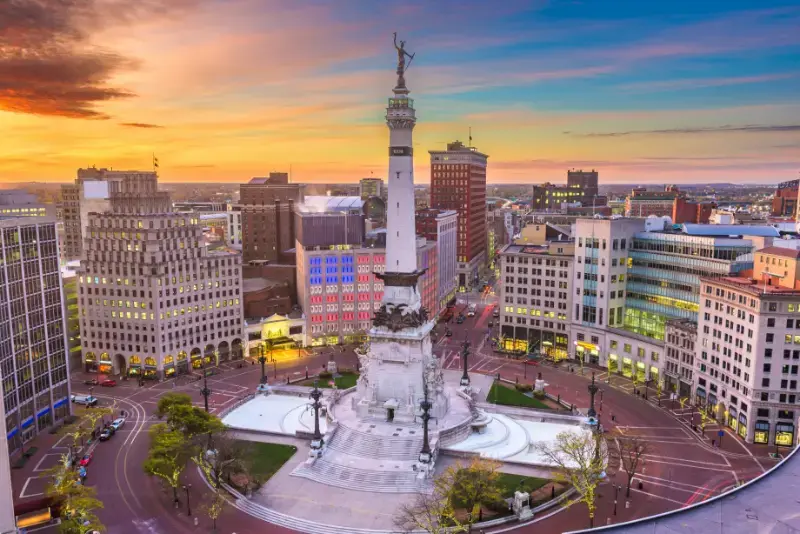
It is also the state’s easiest flight gateway and a logical place to pick up a rental car only when you are ready to leave the city.
2. Indiana Dunes National Park and the Lake Michigan shore
The Dunes offer beaches, sand ridges, wetlands, prairie and forest within reach of Chicago. The national park and neighboring state park are separate units with different fees and trail systems, so plan them intentionally.
Stay overnight if you want sunset, sunrise or several trails; use it as a day trip only if you are comfortable focusing on one beach and one hike.
3. Bloomington
Bloomington combines Indiana University with one of the state’s strongest restaurant and arts scenes. Nearby Monroe Lake and Hoosier National Forest make it easy to add a genuine outdoor day.
It works especially well for travelers who want culture and nature without changing hotels every night.
4. Brown County and Nashville
Brown County is Indiana’s classic hill-country getaway. Nashville supplies galleries and restaurants, while Brown County State Park adds nearly 16,000 acres of forest, scenic roads and trails.
Fall is spectacular but crowded; spring and early summer can be better for a calmer hiking trip.
5. Fort Wayne
Fort Wayne is one of the state’s strongest family destinations thanks to its zoo, Science Central, parks, trails and improving riverfront. It is compact enough for a weekend and easy to combine with northern Indiana.
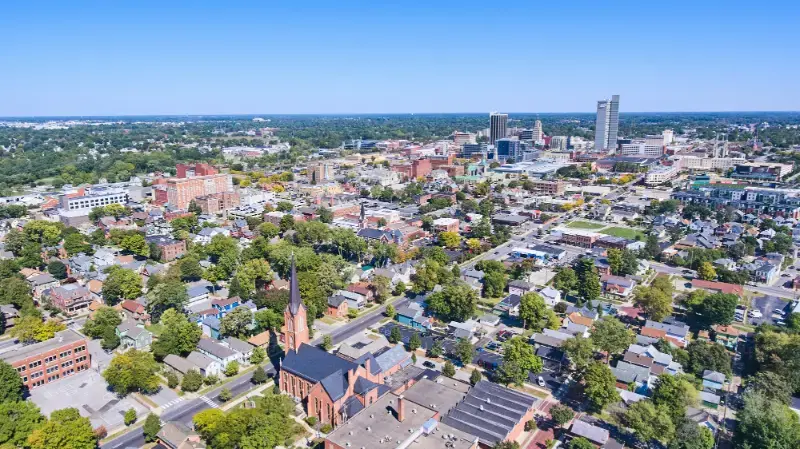
Families should give the zoo or Science Central a real half-day rather than attempting both in a rushed schedule.
6. South Bend and Notre Dame
South Bend is the obvious choice for university history and football culture, but the Studebaker museum, downtown, East Race and nearby parks justify a visit outside game weekends as well.
Accommodation strategy matters most during Notre Dame football, graduation and major campus events.
7. French Lick and West Baden
The twin resort towns stand out for historic hotels, mineral-springs heritage, a scenic railway and access to southern Indiana’s wooded hills. They suit couples, families and travelers who want a slower resort-centered break.
Two or three nights is more satisfying than a quick architectural stop.
8. Columbus
Columbus is the state’s essential architecture destination. Modern civic buildings, public art, landscape design and guided tours make it worthwhile even for visitors who normally do not build trips around design.
It pairs naturally with Brown County and Indianapolis.
9. Lafayette and West Lafayette
Purdue University, downtown Lafayette, the Wabash River and Prophetstown State Park make Greater Lafayette a balanced university-city stop. It is especially useful for families and road trippers traveling between Indianapolis and northern Indiana.
Major Purdue weekends require earlier hotel planning.
10. Choose by trip style, not by a checklist
For a first three-day Indiana trip, choose Indianapolis or one compact regional base. For five to seven days, combine Indianapolis with Bloomington/Brown County or the Dunes/northern Indiana. Longer trips can connect all three regions, but only if you accept several driving days.
The strongest itinerary has contrast: one city, one outdoor landscape and one smaller destination usually creates a better week than five similar downtown stops.
Best places by season
Summer favors Indiana Dunes, lakes and family attractions. Fall is ideal for Brown County and scenic drives, though weekends can be crowded. Spring works well for Bloomington, Indianapolis and hiking before summer heat, while winter shifts the advantage toward museums, resort stays and city weekends.
There is no single best month for the whole state because Lake Michigan, central Indiana and the southern hills behave differently. Match the season to the region that matters most to you.
How to build a 7-day Indiana trip
A balanced week could spend two nights in Indianapolis, two nights in Bloomington or Brown County, and two nights around Indiana Dunes or northern Indiana, leaving one transition night flexible. That route creates urban, university, forest and lakeshore contrast without changing hotels every evening.
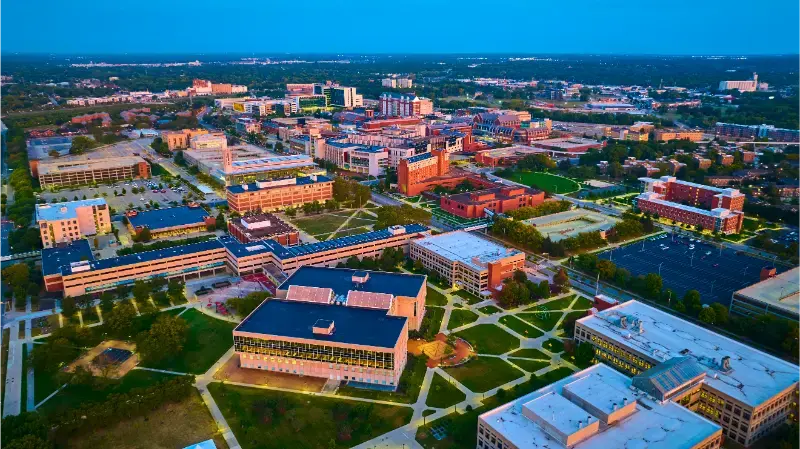
If you prefer slower travel, choose only two regions and add day trips. Indiana rewards depth more than border-to-border mileage.
Compare current accommodation and choose a base that matches the places you actually plan to visit.
Search stays on Booking.com Compare Indiana staysA car is useful once your itinerary reaches parks, small towns or dispersed attractions. Compare total price, insurance conditions, mileage and one-way fees before booking.
Compare rental cars with DiscoverCarsCompare available guided experiences, attraction tickets and activities for your travel dates. Check duration, meeting point and cancellation conditions before booking.
When to visit
Spring and fall usually provide the most comfortable balance for walking and outdoor time. Summer is useful for festivals, long daylight and water activities but can be hot and humid; winter lowers crowds in many places but weather can disrupt driving and outdoor plans.
Always check the event calendar before choosing dates. University weekends, races, festivals and peak foliage can change hotel prices and parking far more than an ordinary seasonal average suggests.
Getting around
A car is the practical choice for most multi-stop Indiana trips. Downtown Indianapolis, university districts and compact town centers can be explored on foot once you park, but state parks, forest trailheads and rural attractions are much easier by road.
Build driving time with margin rather than using the fastest map estimate as a schedule. Construction, event traffic, weather and scenic-road stops can turn a short transfer into a substantial part of the day.
Where to stay
Compare available accommodation for your dates, budget and preferred location before you finalize your route.
Choose accommodation for the next morning as well as the current evening. A central hotel can save time in a city; a park-adjacent cabin or small-town inn can be more valuable on an outdoor trip because it removes an early drive.
Compare parking, breakfast, cancellation terms and resort or destination fees before judging a room by headline price. On event weekends, book earlier and avoid non-refundable rates until the trip structure is stable.
Common planning mistakes
The most common mistake is trying to visit too many regions in too little time. Indiana looks compact on a national map, but a route from Lake Michigan to southern Indiana still involves meaningful driving. Protect the experiences you care about most and use secondary stops as optional additions.
Another mistake is assuming every attraction follows the same weekly schedule year-round. Museums, park facilities, tours and seasonal recreation can change by day and season. Verify current details on official sites shortly before travel.
Build a better daily rhythm
Start the most important outdoor or high-demand attraction early, then place flexible walking, food and neighborhood time later in the day. This protects the trip from parking delays, heat and afternoon storms while keeping evenings relaxed.
A useful rule is one major commitment per half-day. Two museums, a long drive and a formal dinner may all be individually reasonable, but together they turn a vacation into a timetable. Leave space for the unexpected local place that makes the destination memorable.
Budget and value
The cheapest option is not always the best value. Parking, fuel, resort fees, event surcharges and long commutes can erase savings quickly. Compare the total cost of the day, not only the room rate or ticket price.
Spend money on the experiences that are difficult to reproduce elsewhere and save on flexible meals, free parks, public art and self-guided walks. This produces a more distinctive trip without making every hour a paid attraction.
Frequently asked questions
Is this destination good for a first Indiana trip?
Yes, if it matches your interests and the geography of the rest of your route. Use Indianapolis for the broadest first-time overview, the Dunes for Lake Michigan and outdoor travel, and smaller destinations when you want a slower regional experience.
Do I need to book in advance?
Book limited-capacity tours, event weekends, popular resorts and high-demand accommodation early. Ordinary parks and many museums are more flexible, but seasonal hours and closures should still be checked before travel.
Can I combine it with another Indiana destination?
Usually yes, but combine places by geography rather than by fame. Central Indiana destinations pair naturally with Indianapolis, Bloomington, Brown County and Columbus; northern destinations pair with South Bend and the Dunes; southern resort areas work best with Bloomington and Hoosier National Forest.
Continue planning with these Indiana guides
- Indianapolis travel guide
- South Bend travel guide
- Bloomington travel guide
- Indiana Dunes National Park guide
- Brown County travel guide
Official resources
More Indiana travel guides
-
10-Day Indiana Road Trip: Indianapolis, Brown County, Dunes, Amish Country & More
Plan a 10-day Indiana road trip through Indianapolis, Columbus, Madison, French Lick, Bloomington, Brown County, Lafayette, Indiana Dunes, South Bend, Shipshewana and Fort Wayne.
-
Best Places to Visit in Indiana: Indianapolis, Dunes, Brown County & More
Discover the best places to visit in Indiana, from Indianapolis and Indiana Dunes to Bloomington, Brown County, Fort Wayne, South Bend, French Lick and Columbus.
-
Where to Stay in Indiana: Best Bases for Cities, Dunes, State Parks and Road Trips
Decide where to stay in Indiana with the best bases for Indianapolis, Indiana Dunes, Brown County, state parks, Amish Country and southern road trips.
-
Best Places to Visit in Indiana: Cities, Dunes, Small Towns and Road Trip Stops
Plan an Indiana trip with the places that genuinely deserve time: Indianapolis, Indiana Dunes, Brown County, Bloomington, South Bend, Fort Wayne, French Lick, Columbus, Lafayette and more.
-
Indianapolis Travel Guide: Best Things to Do, Where to Stay and a Smart 2-Day Plan
A practical Indianapolis travel guide covering downtown, museums, the Speedway, neighborhoods, family attractions, where to stay and a realistic two-day itinerary.
-
Indianapolis Indiana Travel Guide: Museums, Speedway, Neighborhoods & Food
Plan an Indianapolis trip with downtown museums, Monument Circle, White River State Park, the Motor Speedway, neighborhoods, food, family attractions and practical tips.