

Best Places to Visit in Minnesota: Twin Cities, North Shore, Lakes & Wilderness. The best places to visit in Minnesota fall into several distinct travel styles rather than one simple ranking. Minneapolis and Saint Paul provide museums, food and urban parks; Duluth opens the door to Lake Superior; the North Shore becomes a waterfall-and-hiking road trip; Grand Marais adds an artsy small-town base; Voyageurs and the Boundary Waters require serious water planning; and Itasca turns the Mississippi headwaters into an accessible state-park experience. The right choice depends on your season, trip length and appetite for driving.
Why this destination belongs in a Minnesota trip
Minnesota is too large and too varied for a first-time itinerary that tries to include every famous place. A strong trip usually combines the Twin Cities with one northern region, or builds a dedicated outdoor route around Lake Superior and wilderness. This guide compares the main destinations by travel style so you can choose intelligently rather than follow an arbitrary checklist. Distances matter: a place that looks nearby on a state map may still require several hours of driving.
Essential places and experiences
Minneapolis
Choose Minneapolis for museums, performing arts, neighborhood food, Mississippi River history and the Chain of Lakes. It is the easiest Minnesota destination for travelers who do not want to drive every day and the best air gateway for most itineraries. Two or three full days create a balanced city break, and the city pairs naturally with Saint Paul or a longer drive north to Duluth.
Saint Paul

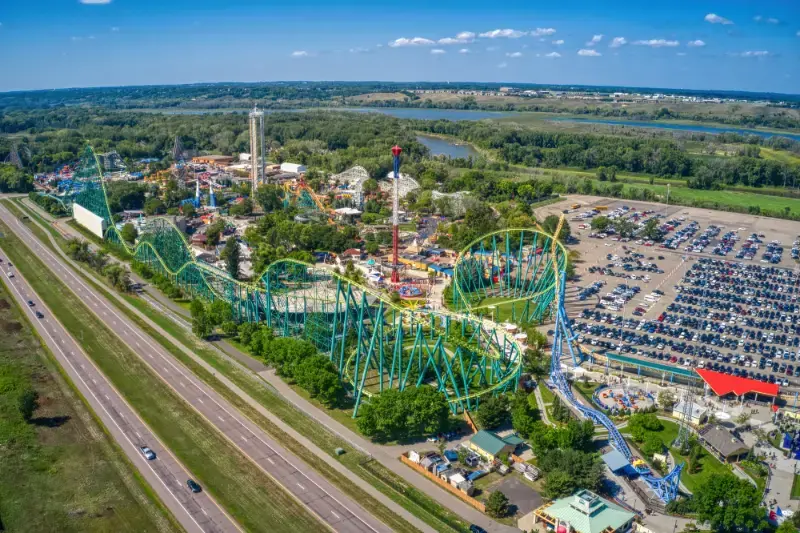
Saint Paul is best for historic architecture, state history, museums and river-bluff neighborhoods. It should not be reduced to “the other Twin City.” Summit Avenue, Cathedral Hill, the Capitol and the Mississippi create a different pace from Minneapolis. One dedicated day is enough for the highlights; two days allow neighborhood and family attractions without rushing.

Duluth
Duluth is the place to choose when Lake Superior is the priority but you still want city comforts. Canal Park, the Aerial Lift Bridge, Glensheen, Park Point and hillside viewpoints create a strong two-night trip. It is also the gateway to Highway 61, so travelers continuing north should use Duluth as a launch point rather than repeatedly returning after long day trips.
Minnesota North Shore
The North Shore is the state’s classic scenic road trip. Gooseberry Falls, Split Rock Lighthouse, Tettegouche, Grand Marais and many smaller stops line Highway 61. Three to five nights are far better than a rushed out-and-back because weather and trail conditions influence the route. Fall is spectacular but popular; summer offers the easiest services and longest daylight.
Grand Marais and the Gunflint Trail
Grand Marais is the best small-town base for the upper North Shore and for travelers who want a mix of lake scenery, arts, food and inland access. The Gunflint Trail extends the trip toward forest, lakes and Boundary Waters entry points. Two nights are enough to appreciate the town; three or four allow a genuine inland day.
Boundary Waters Canoe Area Wilderness
Choose the Boundary Waters if the trip itself is the outdoor experience. This is not a drive-up viewpoint destination. Permits, paddling, portaging, food systems, navigation and weather judgment are fundamental. Beginners should use conservative routes and consider outfitter support. Three or four nights are a useful first trip, while experienced paddlers can stay much longer.
Voyageurs National Park
Voyageurs is Minnesota’s major national-park destination for travelers who want large lakes, islands and water-based camping. The park is open year-round, but summer is the easiest time for boats, tours and visitor services. Land access exists, yet the core experience is on the water. Three to four nights allow much more flexibility than a quick drive through the gateway towns.
Itasca State Park
Itasca is the easiest place to connect Minnesota travel with one of America’s great geographic stories: the beginning of the Mississippi River. The headwaters are accessible, but the park also has cycling, forest, lake activities and historic facilities. A full day works, while two nights are better for families and campers.
Brainerd Lakes and central lake country
The Brainerd Lakes region represents the classic Minnesota resort-and-cabin vacation: fishing, boating, beaches and family time rather than a dense sightseeing schedule. It is closer to the Twin Cities than the far northern wilderness and can be an excellent first lake-country experience for travelers who want comfort and easy access.
Southeastern bluff country
Southeastern Minnesota offers Mississippi River towns, bluffs, scenic drives and a landscape that feels very different from the northern forests. It is a strong choice for travelers who want small towns and road scenery without committing to the long drive to the Canadian border. The region also combines naturally with Wisconsin river routes.
Where to stay
Compare available accommodation for your dates, budget and preferred location before you finalize your route.
For a first trip, use Minneapolis or Saint Paul for the urban portion, Duluth or Two Harbors for the lower North Shore, and Grand Marais for the upper shore. Wilderness travelers should stage in Ely or along the Gunflint Trail, while Voyageurs visitors should select lodging by gateway lake. Park Rapids works well for Itasca. Avoid one-hotel itineraries across the state; Minnesota distances reward moving bases when the geography changes significantly.
Compare current accommodation options for Minnesota and choose a base that fits the actual shape of your itinerary.
Check hotels and staysHow long to stay and how to structure the visit
Four days are enough for the Twin Cities plus one short northern extension. A week supports Minneapolis–Saint Paul, Duluth and part of the North Shore. Ten to fourteen days allow a more complete loop with Grand Marais, Itasca or Voyageurs. The Boundary Waters should be treated as its own multi-day block rather than inserted as a single attraction between hotel nights.
A shorter visit
With four days, spend two in the Twin Cities and two around Duluth or the lower North Shore. This gives a strong city-and-nature contrast without excessive driving.
With more time
With ten days, use two or three days in the Twin Cities, two in Duluth and the lower shore, two or three around Grand Marais, then choose either Itasca, Voyageurs or a properly planned Boundary Waters trip. Do not add all three unless you have significantly more time.
Getting there and getting around
MSP is the main air gateway, but a car becomes essential for most itineraries beyond the Twin Cities. Northern Minnesota distances are large, and scenic stops make drives slower than map estimates. In winter, road conditions can change the practical route entirely. Build the itinerary around geographic corridors rather than repeatedly returning to Minneapolis between each northern destination.
For a multi-stop Minnesota trip, compare vehicle options, pickup locations and total trip costs before locking in the route.
Compare rental carsBest time to visit
| Season | What to expect |
|---|---|
| Spring | Cities become pleasant before the far north; waterfalls are strong but trails can be wet and Lake Superior stays cold. |
| Summer | The easiest all-around season for lakes, paddling, North Shore drives and family trips, with high demand. |
| Fall | Excellent foliage from north to south at different times, with popular scenic weekends booking early. |
| Winter | A genuine travel season for museums, skiing, frozen-lake landscapes and festivals, requiring serious cold-weather planning. |
There is no universal best month. Summer is easiest for first-time outdoor travelers, fall is strongest for scenery, winter is best for those who actively want snow and cold, and spring can be rewarding for waterfalls and lower crowds. Match the destination to the season: a city museum weekend and a wilderness canoe trip have completely different weather needs.
Food, local character and slower travel
Minnesota food changes with geography. The Twin Cities offer the deepest international restaurant scene; Duluth and the North Shore add Great Lakes and Nordic-influenced flavors; small towns and lake resorts emphasize casual regional cooking. Plan one or two meals that matter, then leave room for bakeries, markets and local stops. Wilderness trips require a separate food system and should not be treated like a restaurant-based road trip.
Families, accessibility and different travel styles
Families usually do best with a mix of Twin Cities attractions, Duluth and accessible state parks. The Boundary Waters and remote Voyageurs camping can also work, but only when the route is designed for the group’s actual skills. Couples and solo travelers may prefer Grand Marais, longer hikes or museum-focused city time. Accessibility varies widely, from major urban museums to rocky shoreline trails and boat-only campsites.
Reservations, costs and practical planning
Reserve peak-season North Shore lodging, wilderness permits and park camping before smaller details. Use official sources for road, fire and water conditions. Keep at least one movable outdoor day on a week-long trip. If the itinerary contains both cities and wilderness, separate the packing systems: formal urban plans, rain gear, paddling equipment and cold-weather layers should not be treated as interchangeable travel needs. Before the trip, save the official pages for Best Places to Visit in Minnesota on your phone and recheck them shortly before departure. Opening patterns, construction, weather alerts and seasonal services can change more quickly than evergreen travel advice.
Weather, safety and what to pack
Minnesota weather is part of the itinerary. Lake Superior can be dramatically colder than inland locations, northern nights can cool quickly, summer thunderstorms affect paddling, and winter cold can be severe. Carry layers, use life jackets on the water and know when to change plans. Road travelers should check conditions each morning rather than assuming the forecast for Minneapolis describes the North Shore or Voyageurs.
How to combine this stop with the rest of Minnesota
The most efficient first route is Minneapolis–Saint Paul to Duluth and the North Shore. A second trip can focus on Itasca, Brainerd, Voyageurs or the Boundary Waters. Iowa and Wisconsin connect naturally to Minnesota for longer Midwest road trips, but adding another state should not come at the cost of reducing every Minnesota stop to one night.
Common planning mistakes to avoid
- Trying to see the Twin Cities, North Shore, Itasca, Voyageurs and Boundary Waters in one week
- Underestimating driving distances and scenic-stop time
- Booking outdoor activities without weather flexibility
- Treating Lake Superior like a warm inland lake
- Choosing accommodation before deciding which geographic region the day actually uses
A practical first-time strategy
Start by choosing your dominant travel style: city culture, scenic road trip, lake resort or wilderness. Then add one contrasting element. A Twin Cities plus North Shore trip is a strong first introduction because it combines urban depth with Lake Superior without requiring expedition-level logistics. Leave one block of the day deliberately unscheduled. That empty space is useful for weather, parking delays, a meal that runs long or a place that turns out to deserve more time than expected.
How to choose between the northern regions
Choose the North Shore for a road-based trip with waterfalls, parks and towns; choose Voyageurs for larger-lake boating; choose the Boundary Waters for canoe-and-portage wilderness; choose Itasca for an accessible state-park experience with strong geographic history. These are not interchangeable “nature stops.” Matching the region to your comfort with boats, remoteness and driving is more important than trying to visit the most famous name.
Frequently asked questions
What are the best places to visit in Minnesota for a first trip?
Minneapolis–Saint Paul, Duluth and the North Shore make the easiest first combination. Add Grand Marais if you have at least a week.
How many days do you need in Minnesota?
A week is enough for the Twin Cities and a meaningful North Shore trip. Ten to fourteen days allow a broader northern loop without excessive rushing.
Do you need a car to travel around Minnesota?
You can visit central Minneapolis and Saint Paul without one, but a car is the practical choice for Duluth, the North Shore, Itasca and most lake-country itineraries.
Compare current accommodation options for Minnesota and choose a base that fits the actual shape of your itinerary.
See current accommodation optionsContinue planning Minnesota
- Minnesota Travel Guide
- Minneapolis Minnesota Travel Guide
- Duluth Minnesota Travel Guide
- Minnesota North Shore Travel Guide
- Voyageurs National Park Guide