

Best Small Towns in Oklahoma. Discover 16 of the best small towns in Oklahoma, from Route 66 icons and historic main streets to lake gateways, arts towns and easy weekend stops.
Decide how long to stay and which stops deserve priority before booking. Group nearby sights to reduce driving, allow for busy periods, and check access details and any reservations again shortly before travel.
- Best for: travelers who want a realistic Oklahoma itinerary rather than a checklist
- Ideal pace: one major activity per half-day with flexible driving time
- Best seasons: spring and fall for mixed sightseeing; summer for lake-focused trips
- Car: recommended or essential for almost every itinerary outside central city districts
- Planning rule: verify official hours, access and weather before committing to a long drive
How to choose the right small towns
The best Oklahoma small towns are not interchangeable. Some are worth a dedicated weekend, while others are perfect one-hour Route 66 stops. Build the list around your route and interests rather than trying to visit every famous name.
A strong small-town day usually combines one distinctive attraction, a walkable main street or historic district, and a meal. Adding five more towns often reduces the experience to parking and photographs.
Medicine Park
Medicine Park stands out for cobblestone architecture and immediate access to the Wichita Mountains. It is ideal for travelers who want nature by day and a compact village atmosphere in the evening.
Stay overnight if you plan an early wildlife drive or hike; otherwise it can work as a half-day extension from Lawton.
Pawhuska
Pawhuska combines Osage Nation history, a traditional downtown and easy access to the Tallgrass Prairie Preserve. It is one of the strongest small-town bases in northeastern Oklahoma.
Do not treat the surrounding prairie as a quick photo detour. Give the landscape time, and check cultural sites and local businesses for current opening hours.
Guthrie
Guthrie is one of the best choices for architecture and Oklahoma territorial history. The historic district rewards walking, and it is close enough to Oklahoma City for an easy day trip.
A guided tour or museum can add context, but even a self-guided architecture walk is worthwhile.
Claremore
Claremore works well on Route 66 and offers a mix of Will Rogers history, museums and a traditional downtown. It is especially useful as a stop between Tulsa and northeastern Oklahoma destinations.
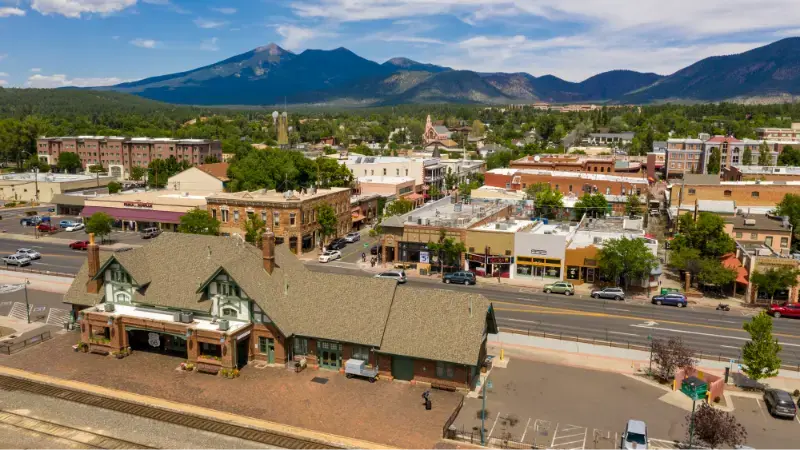
Allow more time than a simple fuel stop if you care about Oklahoma cultural history.
Arcadia and Chandler
Arcadia and Chandler are compact Route 66 stops that work best as part of a broader Mother Road day. Arcadia’s round barn and roadside character pair naturally with Pops, while Chandler adds Route 66 interpretation.
These towns demonstrate why Route 66 is more enjoyable when you plan repeated short stops instead of one long museum day.
Sulphur
Sulphur is the gateway to Chickasaw National Recreation Area and one of the easiest small-town bases for a nature-and-culture combination.
The best itinerary mixes springs or lake time with Chickasaw cultural interpretation rather than treating the town only as a place to sleep.
Broken Bow and Hochatown
Broken Bow itself and the Hochatown area function as the service base for Beavers Bend State Park and Broken Bow Lake. The appeal is more about cabins, forest and outdoor recreation than a classic walkable main street.
Choose this area for a multi-night getaway, especially if the accommodation is part of the experience.
Driving distances and realistic timing
Oklahoma road trips often look easier on a map than they feel in practice. A transfer marked as two hours can become three once you include fuel, food, scenic pullouts, construction, small museums and local detours. Build the day around the attraction with the strictest opening hours, then add flexible stops around it.
For rural travel, keep the fuel tank comfortably above empty and download offline maps before leaving a city. Cell coverage can be inconsistent in forest, lake and wildlife areas. If a road is narrow, unpaved or recently affected by severe weather, local conditions matter more than the theoretical shortest route.

Weather and seasonal planning
Spring can be beautiful but also brings severe-weather risk. Summer is hot and humid in much of the state, especially for exposed hikes and long walking days. Fall is one of the most comfortable seasons and can add foliage in the southeast. Winter is quieter, but cold snaps, ice and reduced attraction hours are possible.
Check the forecast twice: once when planning and again the morning of the activity. In warm weather, move hikes and outdoor sightseeing earlier. During stormy periods, keep a museum or city alternative ready so one weather change does not ruin the entire day.
Costs and booking priorities
Accommodation and car rental usually have the greatest impact on the budget. Cabins, lake lodging and special-event weekends can sell out well before ordinary city hotels. Reserve the hard-to-replace nights first and keep flexible reservations where inventory is broad.
Compare the total cost, not only the nightly rate. Parking fees, resort or cleaning charges, long drives to attractions and nonrefundable terms can make the cheaper-looking option more expensive. For cabins, read the full fee breakdown before payment.
Accessibility and family considerations
Accessibility varies widely between city museums, historic sites, lake areas and hiking destinations. A paved overlook and a short trail can produce very different experiences for someone using a wheelchair, stroller or walking aid. Check the official accessibility page for the exact site rather than relying on a general description.
Families should plan shorter activity blocks and more frequent breaks. Water, shade, toilets and predictable meal stops can matter more than adding another attraction. When swimming or wildlife is involved, explain safety rules before arrival so the day does not begin with confusion.
What is actually worth prioritizing
If time is limited, prioritize the experience that is most distinctive to the area. In Oklahoma that often means Native cultural context, Route 66 history, prairie or wildlife landscapes, a specific lake or forest environment, or a local museum with a strong regional story.
Skip an attraction when it creates a large detour for a short generic experience. A trip usually improves when you remove one weak stop and give that time to a place that already fits the route. Depth is more memorable than a long checklist.
Where to stay and how to book
Choose accommodation based on what you need to do the next morning. An extra twenty minutes of driving can matter when you are trying to reach a trailhead, museum opening or boat rental early. Check parking, breakfast hours, cancellation terms and late-arrival procedures before booking.
For road trips, two-night stays reduce fatigue and make weather changes easier to absorb. One-night stays are best for true transit points or small towns where you have a narrow purpose.
Useful official resources
Before departure, verify opening hours, admission rules, trail conditions, water access, event schedules and temporary closures on official sources. Oklahoma tourism information is available through TravelOK, while federal recreation sites publish their own alerts and operating details.
For outdoor areas, use the managing agency’s current notices rather than a third-party blog for final safety decisions. Conditions can change faster than an article can be updated.
Practical decision guide
When two stops compete for the same half-day, ask which one would be hardest to replace elsewhere on the trip. A distinctive landscape, culturally important museum or historic Route 66 site usually deserves priority over a generic activity available in many cities.
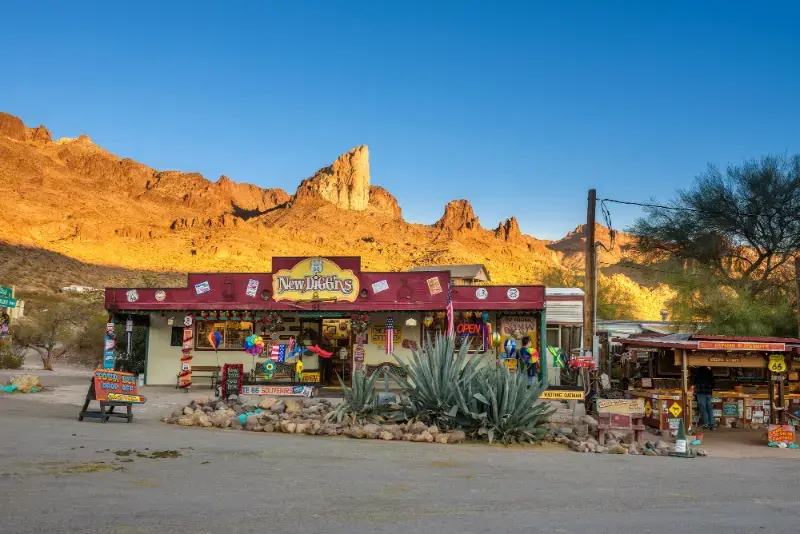
Protect margin in every day. A good itinerary should survive traffic, a longer meal, a weather delay or an unexpectedly interesting roadside stop without collapsing. Arriving early is rarely a problem; arriving after the final admission time can erase the experience that justified the drive.
Food stops, breaks and daily rhythm
Treat meals as part of the route instead of squeezing them between attractions. Oklahoma road trips become tiring when every meal requires a new search after the group is already hungry. Identify one reliable lunch area and one flexible dinner option before starting a long transfer, especially in small towns where kitchens may close earlier than expected.
On outdoor days, carry more water than you think you will need and keep a simple snack in the car. Heat, wind and long museum visits can change appetite and energy quickly. A planned forty-minute break is usually better than pushing through and losing the final activity because everyone is tired.
Packing and preparation
For mixed Oklahoma itineraries, pack for rapid changes rather than a single forecast. Comfortable walking shoes, sun protection, a light rain layer, refillable water bottle and a small daypack cover most sightseeing days. Add water shoes for swimming areas and an extra layer for cool mornings or strong air-conditioning.
Keep digital copies of reservations and download important maps before rural drives. If the day includes a park, wildlife refuge or lake, save the managing agency’s current alerts page before leaving reliable service. This small preparation step is more useful than carrying a long list of optional attractions.
Frequently asked questions
How many days do you need in Oklahoma?
For a first statewide trip, seven to ten days gives enough time for Oklahoma City, Tulsa, Route 66 and at least one major outdoor region. A focused weekend works well when you stay within one area.
Do you need a car?
Yes for most itineraries. A car is essential for state parks, Route 66, small towns and wildlife areas. In the central parts of Tulsa and Oklahoma City you can reduce driving, but you will still want a vehicle for a broader trip.
What is the best season?
Spring and fall are generally the easiest for mixed sightseeing. Summer is best for lake activities but can be very hot, while winter is quieter and can work well for city trips and cabin stays.
Useful booking links
Continue planning your Oklahoma trip
Use the Oklahoma travel guide as the main hub. For broader planning, the already-published best things to do in Oklahoma, best places to visit in Oklahoma and 10-day Oklahoma road trip are useful starting points.