

Chicago is easiest to enjoy when you give the river, the lake and the neighborhoods their own time. The famous museums and observation decks matter, but so do an unhurried walk past the Loop’s older buildings, a meal away from the busiest tourist blocks and an afternoon when Lake Michigan looks more like an inland sea than a city waterfront.
For a first visit, allow three full days if you can. That gives you one downtown day, one museum or lakefront day and one neighborhood day without constantly crossing the city. With less time, choose the experiences that interest you most rather than treating every major attraction as compulsory. Architecture, art, natural history, food and live music can each shape a different Chicago trip.
| Experience | Best pairing | Planning decision |
|---|---|---|
| Riverwalk and architecture cruise | Loop walking day | Choose operator and exact dock |
| Art Institute | Millennium Park | Allow a focused museum block |
| Museum Campus | Lakefront walk | Choose one principal museum |
| Griffin Museum of Science and Industry | Hyde Park | Give the South Side its own day |
On this page
Start with the Chicago River and an architecture cruise
The river is the best place to see how Chicago’s buildings relate to one another. Along the central Riverwalk, towers from different periods line a working waterway crossed by movable bridges. Walking gives you flexibility to stop at a viewpoint, sit by the water or return after the light changes. An architecture cruise adds explanations that are difficult to get from street level, making it a worthwhile early activity if design interests you.
Choose the actual operator and departure dock before booking. The Chicago Architecture Center’s cruise aboard First Lady is a particular product; other sightseeing boats may follow different routes or emphasize entertainment rather than architectural interpretation. Check the duration, boarding point, seating arrangements and weather policy. Arrive with time to find the river-level entrance: seeing the dock from a bridge does not mean the stairs or accessible route are beside you.
Give Millennium Park and the Loop a walking morning
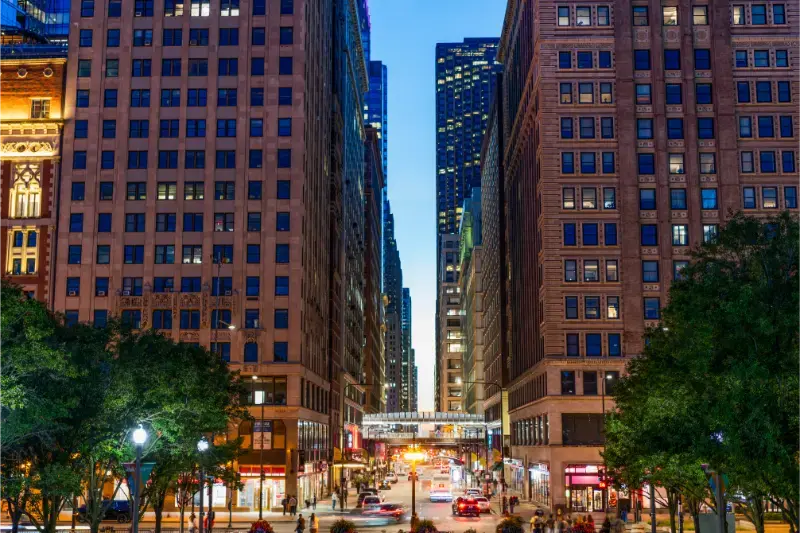
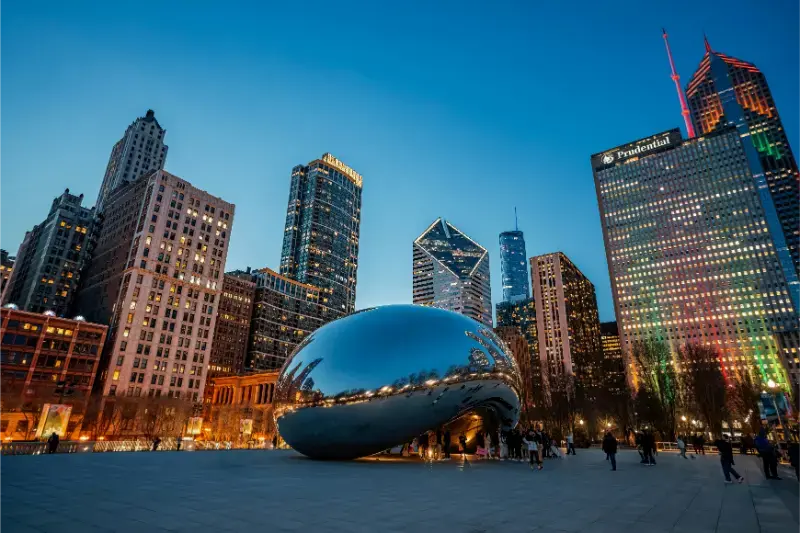
Cloud Gate is an obvious first stop, but the park works better as part of a walk than as a single photograph. Continue through Millennium Park, look at the performance and garden spaces, then decide whether to move toward the lake or into the Loop. Nearby Maggie Daley Park changes the pace for families and offers a reason to pause before another indoor attraction.
The Loop’s streets reveal a different side of the skyline: historic façades, elevated railway tracks and buildings that reward looking upward. A guided architecture walk can help if you want more than a general stroll. Without a tour, choose a compact route around the buildings that interest you and avoid walking inside busy commercial properties as if every lobby were an unrestricted attraction. Combine this area with the Art Institute rather than scheduling it on the opposite side of a day centered on Hyde Park.

Visit the Art Institute with a short list of priorities
The Art Institute of Chicago can justify several hours, yet a first visit does not have to cover every gallery. Pick two or three areas from the current collection and exhibition information, then leave time for something unexpected. Paintings, sculpture, decorative arts and the Modern Wing create very different visits. A focused route is especially useful if another museum is planned later in the trip.
Check admission categories and opening days directly. Resident discounts and free-admission arrangements have eligibility rules; an offer intended for local visitors is not automatically available to someone traveling from overseas. Temporary exhibitions or programs may have separate arrangements. If you have limited energy for galleries, pair the museum with a nearby meal and a park walk rather than another major collection. That gives the art time to remain memorable instead of blending into an exhausting museum circuit.
Choose one Museum Campus attraction first
The Field Museum, Shedd Aquarium and Adler Planetarium occupy the lakefront Museum Campus area, but they are three substantial attractions, not three brief stops. Choose natural history, aquatic life or astronomy as the main experience, then use the lakefront paths for a change of scene. The skyline view back toward downtown is a reward in itself when the weather cooperates.
Compare the exact ticket products before purchase. Special exhibitions, experiences and timed entries can change what is included. A sightseeing pass is useful only if its attractions and reservation rules match the trip you intend to take. Do the calculation with the museums you actually want, including any extras, instead of buying a pass because its headline list looks long. Leave enough time to move between the museum entrance, lunch and the next activity.
Decide whether an observation deck fits your visit
Skydeck at Willis Tower and 360 CHICAGO at the former John Hancock building give different views and fit different parts of the city. Skydeck is convenient for a Loop-focused day, while 360 CHICAGO suits a North Michigan Avenue and Streeterville route. You rarely need both on a short first visit unless skyline photography is a particular interest.
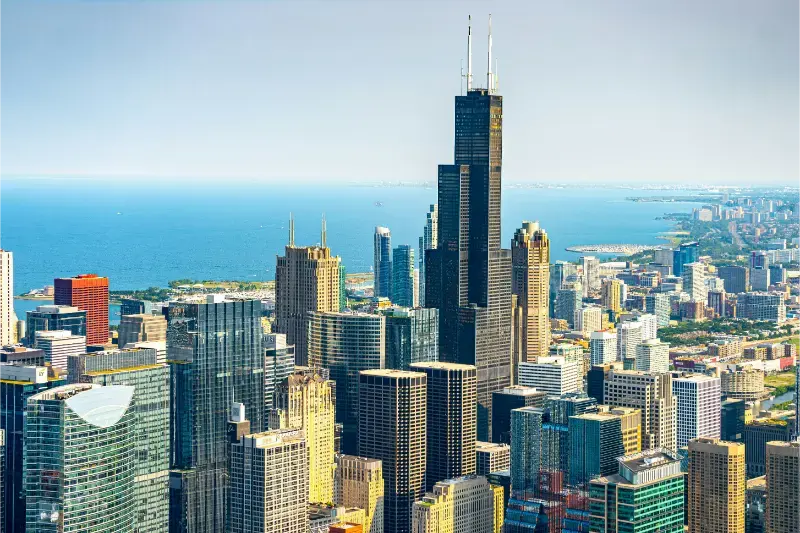
Visibility matters more than the name on the ticket. Check cloud, haze and the operator’s booking conditions before choosing a time, and distinguish general admission from any extra thrill experience. Sunset slots can be popular, but they also compete with dinner and evening plans. A daytime visit can be simpler with children or an early departure. If you prefer to keep the budget down, the lakefront and Museum Campus offer rewarding skyline views without an observation-deck ticket.
Spend an afternoon outside the central sightseeing area
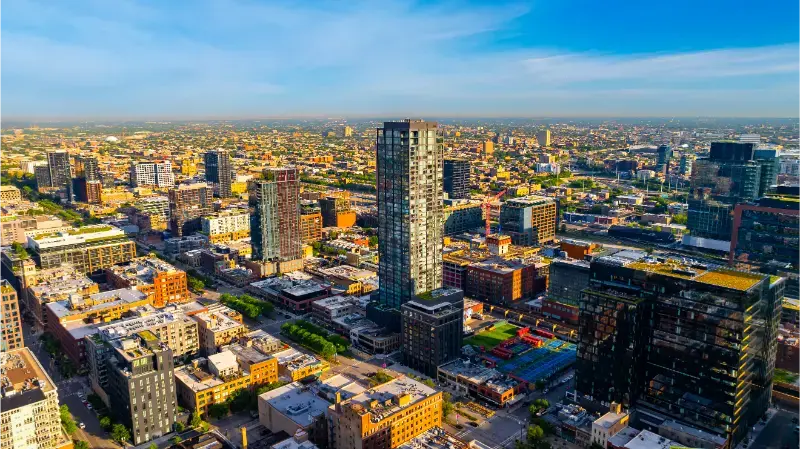
Lincoln Park combines neighborhood streets, parkland and the free Lincoln Park Zoo, making it an easy change from downtown towers. The lakefront is nearby, although the distance between particular entrances and restaurants still matters. Wicker Park and Logan Square suit visitors interested in independent shops, cafés and neighborhood evenings. West Loop is a strong choice when food is the main purpose of the outing.

Hyde Park deserves more deliberate planning because it is farther from the central attraction cluster. The Griffin Museum of Science and Industry can anchor a large part of the day, with another nearby cultural or neighborhood stop if time permits. Do not add Hyde Park as an afterthought between a river cruise and a North Side dinner. Pick one neighborhood, look at the transport route and give it enough time to feel different from the Loop.
Use the lakefront for more than a quick view
Lake Michigan changes Chicago’s character. A walk near the water, time on a beach during the appropriate season or a bike outing along a selected trail segment can become a major part of the trip. Start with the activity you want and choose the access point accordingly. The lakefront is long; arriving beside the lake does not tell you how far you are from the particular beach or path you had in mind.
For cycling, understand the routes and stay attentive to pedestrians, intersections and other riders. For swimming, follow beach opening arrangements, posted conditions and lifeguard guidance. A warm afternoon does not make every stretch of water suitable for entering. In colder weather, a shorter lakefront walk followed by an indoor stop may be more enjoyable than committing to a long exposed route simply because the forecast shows sunshine.
Choose Chicago food experiences by neighborhood
Deep-dish pizza and a Chicago-style hot dog are useful introductions, but eating only near major attractions gives a narrow view of the city. Plan at least one meal in the neighborhood you are exploring. Chinatown, Pilsen, West Loop and the North Side can each lead to a different food-focused afternoon or evening, depending on your tastes and the current restaurants you choose.
Read the menu, reservation policy and location before making a long transfer for a famous name. Some meals are leisurely experiences rather than quick fuel between tickets. If pizza is the priority, leave time for the preparation and the size of the meal; it may be a better end to sightseeing than a tightly timed lunch before a museum reservation. For a short trip, one carefully chosen neighborhood dinner can be enough to widen the experience.
A realistic three-day first visit
On the first day, start with Millennium Park and the Loop, have lunch nearby and make the river the afternoon focus. Add an architecture cruise if it matches your interests, then eat in River North or another area you can reach comfortably. Keep the observation deck optional, particularly if arrival-day tiredness or weather changes the plan.

Use the second day for the Art Institute or one Museum Campus attraction. They do not need to compete for the same morning. Add a lakefront walk when conditions allow and finish near your hotel rather than arranging another distant transfer. On the third day, choose Lincoln Park, a food-and-shopping neighborhood or a Hyde Park museum day. This gives the trip three distinct chapters instead of three variations of the same downtown circuit.
Get around with the CTA and selective walking
Most first-time visitors do not need a car for central Chicago. The CTA’s trains and buses connect many useful areas, while walking works within attraction clusters. In October 2026, published regular fares are $2.50 for the train and $2.25 for the bus when paid through the stated electronic methods; the normal O’Hare station train fare is $5. Passes can be better value for several rides, so compare them with your actual movements.
The Blue Line serves O’Hare, and the Orange Line serves Midway. Allow for the airport station walk, terminal connections and the journey from your arrival station to the hotel. Check station and elevator alerts rather than assuming the nearest station on a map is fully available. The State/Lake elevated station is closed for reconstruction in the current CTA information; nearby alternatives depend on your line and destination.
Timing, costs and reservations
Late spring through early fall makes outdoor sightseeing and river activities easier to combine, while winter suits a trip centered on museums, performances and food. Summer weekends, major conventions and sports or music events can increase hotel demand. Check the calendar before interpreting a high room rate as normal for every date in that neighborhood.
Reserve the scarce experiences first: a particular cruise, performance or timed attraction. Leave parks, neighborhood walks and some meals flexible. Budget for the full visit, including hotel taxes and fees, museum extras, transport and tips where relevant. Compare the Chicago accommodation guide, choose family priorities with Chicago with kids, or place the city within the Illinois road-trip route before booking an onward journey.
Leave an evening for a performance
Chicago's theater and live-music calendars can give the trip an experience that is different from another daytime landmark. If a show interests you, choose it before the day's final restaurant reservation and check the actual venue address. A production in the central theater area, an improv performance farther north and a neighborhood music venue can require very different journeys. The city's reputation for entertainment does not mean any particular act will perform on your date.
Read the entry and age rules before booking, especially for a blues club or an evening involving children. A venue may have admission, minimum-age or seating arrangements that differ from a conventional theater. Keep dinner within practical reach and leave time for the return to your hotel. For a short visit, one chosen performance can be enough: you do not need an evening booking every night after full museum days. If the available program does not appeal, a neighborhood meal and riverfront walk can provide a satisfying final chapter without forcing another ticket into the schedule.
Frequently asked questions
What should I do with only one day in Chicago?
Focus on the Loop, Millennium Park and the river, with one booked experience if you want it. A museum-centered day is another good option, but combining a major museum, Hyde Park and several downtown attractions leaves little time at each place.
Which Chicago attractions are free?
Public parks, ordinary Riverwalk access, many lakefront walks and Lincoln Park Zoo provide substantial free experiences. Paid rides, special events and particular programs can have separate charges even when the surrounding public space is free.
Map and orientation
This map provides general orientation. Use the specific attraction address and current access information when planning the final journey.
Accommodation and reservations
Compare available accommodation for your dates, budget and preferred location before you finalize your route.
Compare accommodation in Chicago. Check the property’s address, room occupancy, cancellation terms and complete price before booking.
Some booking links are affiliate links. We may earn a commission from qualifying bookings.
Official visitor information
- CTA airport trains
- CTA fares and passes
- Chicago Architecture Center cruise information
- Lincoln Park Zoo
- Griffin Museum of Science and Industry tickets
Last updated: October 14, 2026.