

Best Things to Do in Detroit: Museums, Motown, Architecture & Riverfront. Detroit is at its best when you combine major cultural institutions with the neighborhoods and public spaces that explain how the city works. A first-time itinerary can include world-class art, music history, automotive innovation, riverfront walks, architecture, markets and food without turning every hour into a cross-town transfer. The key is to group sights by district and leave enough time for the museums that deserve more than a quick photo stop.
Why Best Things to Do in Detroit belongs in your Michigan planning
For travelers interested in American history, music, design and urban culture, Detroit offers a concentration of experiences that is difficult to replicate elsewhere. The Detroit Institute of Arts and Motown Museum are obvious anchors, but the broader trip becomes richer when you also see the riverfront, Eastern Market, Corktown, Midtown and nearby Dearborn. The city rewards curiosity about both its industrial past and the ways historic buildings and neighborhoods are being reused today.
Essential places and experiences
- Detroit Institute of Arts: Treat the DIA as a major museum rather than a backup for bad weather. Build at least a substantial half-day around the collection, Diego Rivera murals and nearby Midtown institutions, and verify current hours before choosing the exact day.
- Motown Museum: Music fans should regard this as a timed, capacity-sensitive experience. Book early when your dates are fixed and avoid scheduling another reservation immediately afterward, since tour timing and traffic can make a tightly packed afternoon stressful.
- Detroit RiverWalk: Use the riverfront as a low-pressure part of the day between indoor attractions. It provides open views toward Canada, parks, public spaces and a useful sense of Detroit’s geography along the Detroit River.
- Eastern Market: Go for the neighborhood as well as the market. Murals, food businesses and seasonal market activity make it especially worthwhile when you check the operating day in advance rather than assuming every hall and vendor is active daily.
- Corktown and Michigan Central: Combine historic streets, restaurants and the restored station area instead of treating Corktown as a single restaurant stop. It is one of the easiest districts for a relaxed afternoon or evening.
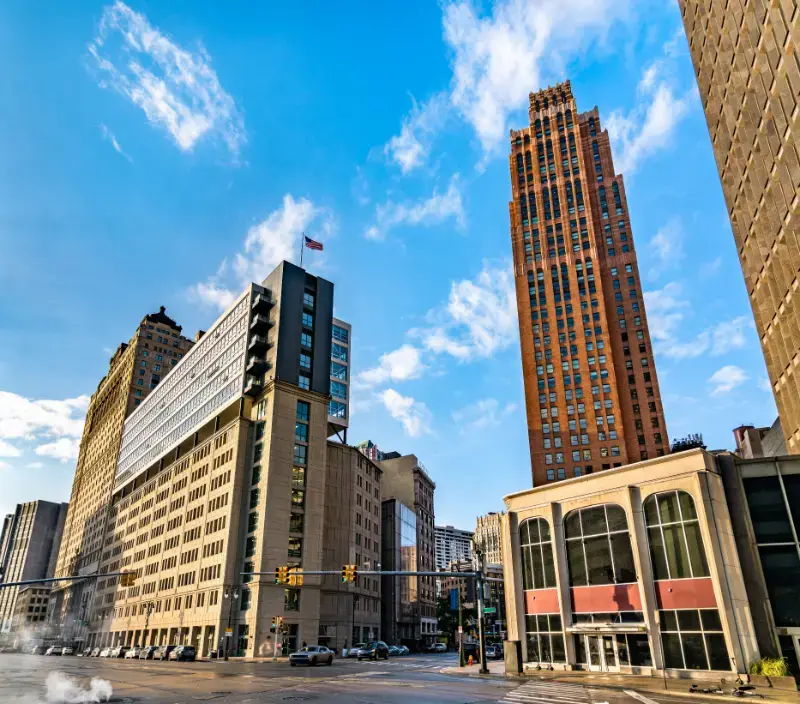
- Guardian Building and downtown architecture: Detroit’s skyscrapers, theaters and Art Deco details are easier to appreciate on foot. A guided architecture tour can add context that is hard to reconstruct from a list of addresses.
- Belle Isle: This island park works as a change of pace from downtown museums, especially in good weather. Check the current status and hours of individual attractions before crossing the bridge.
- Dearborn and The Henry Ford: Allow a separate half or full day. Greenfield Village, the museum complex and Dearborn’s food scene are not central-Detroit stops and deserve realistic transfer time.
How much time to allow
For two days, keep the first day focused on downtown, riverfront and nearby neighborhoods, then use the second for Midtown plus one high-priority museum. With three days, add Dearborn or a deeper neighborhood day. Visitors who try to combine the DIA, Motown Museum, The Henry Ford and a major sports event in one day usually spend too much time moving between reservations.
A useful rule for Michigan is to count driving hours and hotel changes before counting destinations. Two nights in one regional base often create more usable sightseeing time than two one-night stops, especially near the Great Lakes where weather, construction and seasonal traffic can change the pace of a day.
Where to stay and how to choose a base
Compare available accommodation for your dates, budget and preferred location before you finalize your route.
Downtown is the simplest first-time base for riverfront walks, stadiums and central attractions. Midtown is better if museums and a neighborhood feel matter more than immediate access to the downtown core. Corktown can suit travelers who prioritize restaurants and architecture. Dearborn is practical for The Henry Ford and airport access, but it changes the character of a Detroit city break.
Compare current accommodation options for Detroit and choose a location that fits the actual shape of your itinerary.
Search Detroit stays on Booking.comGetting there and getting around
Detroit is more manageable when you park once for each geographic cluster. Downtown can be explored largely on foot, with transit or rideshare filling gaps, while Dearborn and farther neighborhoods are easier by car. Event days can change traffic and parking dramatically, so check the sports and concert calendar before deciding where to leave a vehicle.
Best time to plan this trip
Late spring through early fall offers the easiest riverfront weather and longest daylight. Autumn is excellent for walking and pairing Detroit with Ann Arbor or southeast Michigan drives. Winter favors museums, restaurants and sports, but road conditions and lake-effect weather elsewhere in Michigan can make tight same-day connections risky.
Great Lakes weather can change quickly, especially near exposed shorelines and in shoulder seasons. Pack layers, check the local forecast rather than a statewide forecast, and keep at least one flexible indoor or lower-exposure alternative when the itinerary depends on boats, beaches or long hikes.
How to build a Detroit day without rushing

Choose one major timed attraction, one flexible district and one meal area per half-day. If Motown Museum is your fixed reservation, do not place Dearborn immediately before it. If the DIA is the priority, keep Midtown as the center of that part of the day. Detroit is large enough that geography matters more than the raw number of attractions on your wish list.

Families, accessibility and realistic pacing
Travelers with children or mobility needs should check the exact accessibility information for each attraction, trail, beach, ferry or historic property. Michigan destinations range from modern museums with elevators to sandy dune routes, stair-heavy waterfall viewpoints and historic buildings where access can be limited. Build the day around the least flexible requirement and leave room for rest, meals and weather delays.
Budget and booking strategy
Book the hardest-to-replace elements first: peak-season lodging, ferries, limited-capacity tours, cruises and any attraction that is central to the trip. Leave ordinary restaurants, viewpoints and flexible walks until later. Compare the full accommodation cost, including parking and any resort or destination fees, and remember that the cheapest room can be poor value if it adds a long daily drive.
Compare current accommodation options for Detroit and choose a location that fits the actual shape of your itinerary.
Compare more Detroit accommodationCompare available guided experiences and tickets for your travel dates. Check duration, meeting point and cancellation conditions before booking.
Common planning mistakes to avoid
The most common mistake is assuming every famous Detroit attraction sits downtown. Another is treating museum visits as 45-minute stops. Check timed-entry requirements, market days and attraction hours directly with official sources, and leave a buffer before games, concerts or tours. If you are visiting in winter, build additional flexibility around driving conditions.
Continue planning your Michigan trip
- Detroit Michigan Travel Guide
- Ann Arbor Michigan Travel Guide
- Grand Rapids Michigan Travel Guide
- Traverse City Michigan Travel Guide
- Michigan Travel Guide
Official resources to check before you go
Practical final check before departure
Two or three days before leaving, recheck the official attraction pages, weather forecast, road conditions and any ferry or park alerts that affect this itinerary. Save confirmations offline, note the address of your accommodation and identify one backup activity that does not depend on perfect weather. For road-based trips, start the day with enough fuel and avoid placing the longest drive after a late dinner or evening event.
Michigan rewards flexible travelers. A lakefront sunset, a market that takes longer than expected or a sudden weather change can all reshape the schedule. Keep the priorities clear, but do not make every hour nonrefundable. The strongest itineraries protect the experiences that matter most while leaving enough open time to enjoy the places between them.
One more practical consideration
Detroit event weekends can alter hotel rates, restaurant availability and parking in a small area. If a Tigers, Lions, Red Wings or concert date overlaps your trip, either embrace the event as part of the itinerary or choose a different district for that evening. The same applies to major conventions. Confirm the calendar before assuming a normal downtown traffic pattern.
Keep confirmations and addresses available offline, especially in northern or rural Michigan where mobile service can be inconsistent. If a stop matters enough to shape the entire day, verify it from the operating organization rather than relying on a third-party listing or an old social-media post.
How this fits into a longer Michigan itinerary
On a longer trip, avoid pairing this experience with a distant region just because both appear on the same state map. Michigan is best approached in clusters: southeast around Detroit and Ann Arbor, west Michigan around Grand Rapids and the Lake Michigan shore, northwest around Traverse City and Sleeping Bear, the Straits around Mackinac, and the Upper Peninsula as one or more dedicated regions. Connecting adjacent clusters creates a road trip; jumping between distant corners creates long transfer days.