

Best Things to Do in Oklahoma. Oklahoma rewards travelers who look beyond a single city or a single stretch of Route 66. The strongest trips combine urban culture, Native history, open prairie, red-rock landscapes, small towns and the Mother Road, with enough time to let each region feel different.
This guide focuses on decisions that make the trip work in practice: how long to stay, what deserves priority, where driving becomes inefficient, how weather changes the day, and which experiences are worth protecting when time is limited.
- Best for: Route 66, city culture, Native history, wildlife and road trips
- Ideal first trip: 7–10 days with two or three bases
- Best seasons: spring and fall for comfortable driving and outdoor time
- Car: strongly recommended outside central Oklahoma City and Tulsa
- Planning mistake to avoid: treating the state as a one-day Route 66 transit
Start with Oklahoma City
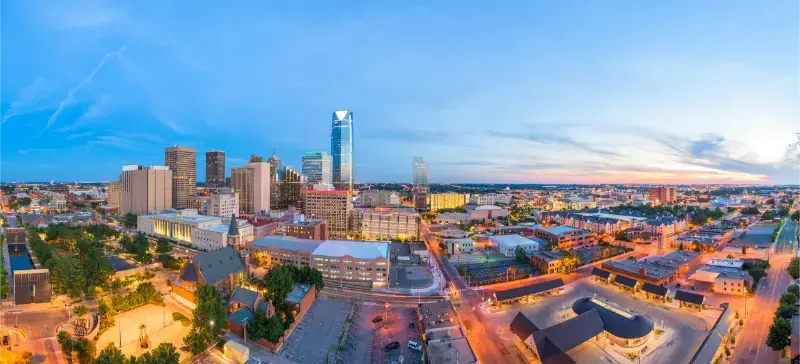
Use downtown and Bricktown as a practical base, but build the visit around the Oklahoma City National Memorial & Museum, First Americans Museum, Scissortail Park and one neighborhood meal rather than trying to see every attraction in a single loop.
Oklahoma City works especially well at the start or end of a road trip because the airport, highways and accommodation supply simplify logistics. Give major museums real time instead of stacking them between long drives.
Give Tulsa at least two days
Tulsa is not simply a Route 66 stop. Its Art Deco architecture, Greenwood history, music heritage, museums and Gathering Place justify a dedicated city stay. Downtown, the Arts District and the riverfront can be combined without excessive driving.
The city is strongest when you alternate indoor and outdoor experiences: architecture or museums in the heat of the day, then the riverfront or Route 66 after temperatures soften.

Drive Route 66 with time to stop
Oklahoma has more than 400 drivable miles associated with Route 66, and the appeal comes from repeated small discoveries: neon, restored filling stations, diners, museums, bridges and roadside oddities.
Do not measure the route only in driving hours. A day that looks short on a navigation app can fill quickly once you add museums in Clinton or Elk City, stops around Tulsa and Oklahoma City, and small-town detours.
Spend a day in the Wichita Mountains
The Wichita Mountains Wildlife Refuge adds a completely different landscape to an Oklahoma trip: ancient granite, mixed-grass prairie, lakes and free-roaming bison and longhorn. Mount Scott, short trails and wildlife pullouts can fill a full day.
Bring water, keep distance from wildlife and expect patchy cell coverage. The refuge is not a theme-park drive-through; the best visit is slower and leaves room for conditions and wildlife activity.
Explore Chickasaw Country
South-central Oklahoma mixes cultural sites, springs, lakes and small cities. Chickasaw National Recreation Area around Sulphur is one of the easiest nature breaks to combine with a broader road trip.
Pair natural areas with cultural interpretation rather than treating the region as only an outdoor stop. This creates a better understanding of the state and avoids an itinerary made entirely of scenic drives.
See the red-rock side of Oklahoma
Red Rock Canyon Adventure Park and other western landscapes reveal a drier Oklahoma that contrasts with the greener east. These places are particularly effective as half-day breaks on routes between the central and western parts of the state.
Check current access and weather before committing to exposed outdoor activities. Summer heat and storm risk can make early starts substantially more comfortable.
Visit small Route 66 towns
Claremore, Catoosa, Chandler, Arcadia, Clinton and Elk City all offer different reasons to stop. Choose several that fit your route instead of trying to collect every roadside landmark.
A good rule is one major museum, one food stop and one quirky ro
Make space for Native Nations and museums
Oklahoma has a deep and complex Native history that cannot be reduced to a single attraction. First Americans Museum in Oklahoma City is a strong starting point, while regional museums and cultural centers add local context.
Use current cultural-center websites to check hours, events and visitor guidance. Approach living cultures as contemporary communities, not only as historical subjects.
Add a state park that matches your route
Oklahoma has many state parks, but the best choice is the one that reduces detours. Southeast itineraries can use Beavers Bend, western routes can use lake or canyon landscapes, and central trips have easier options near the main corridors.
Avoid adding a famous park simply because it appears on a list. One well-positioned park with time to walk, paddle or relax is more rewarding than several rushed photo stops.
Plan around weather, not just mileage
Oklahoma weather can change quickly. Thunderstorms, severe weather, heat, wind and winter conditions can all affect driving and outdoor plans.
Keep one flexible day or half-day in a longer trip. That buffer lets you shift a hike, move a museum day or change a long transfer without losing the entire itinerary.
How to build the route without wasting time
Start with geography rather than a list of attractions. Put the nights on a map, estimate the real transfer time, then add experiences that sit naturally along that line. In Oklahoma, this matters because Tulsa, Oklahoma City, the Wichita Mountains, southeast lake country and western Route 66 pull in different directions. A route that looks reasonable when every stop is viewed separately can become tiring once check-out, fuel, meals, museum hours and parking are included.
Use two-night stays whenever a place has several major experiences. One-night stops are best reserved for true transit points or small towns where the visit is intentionally narrow. This simple change usually improves an Oklahoma itinerary more than adding another attraction.
Driving, parking and realistic timing
Oklahoma is a car-oriented destination outside a few compact central districts. Even when distances look modest, allow extra time for urban traffic, construction, scenic pullouts, museum visits and unplanned food stops. Do not schedule a long rural transfer after a full museum day simply because the map labels it as a few hours.
Keep fuel comfortable on rural stretches and avoid arriving at nature areas with an almost-empty tank. Download offline maps before remote drives, especially around wildlife areas where cellular coverage may be inconsistent.
Weather and safety
Weather should influence the order of each day. In warm periods, move exposed walks to morning and use museums or long lunches during the hottest hours. In spring, pay attention to severe-weather forecasts and alerts; in winter, watch for ice or rapidly changing road conditions.
A flexible itinerary is safer and usually more enjoyable. If conditions deteriorate, swap an outdoor block with a museum or city day instead of forcing the original plan. The goal is not to complete a spreadsheet of stops; it is to have a good trip.
Costs and booking priorities
The largest variable costs are usually accommodation, car rental and special events rather than general sightseeing. Book the nights that are difficult to replace first: festival weekends, cabins, small-town events and nature-focused stays with limited inventory. Ordinary city hotels can often remain flexible until flights and the road-trip sequence are settled.
Compare the total cost of a hotel, including parking and the extra driving it creates. A cheaper room far from the places you plan to visit may cost more in time, fuel and parking than a better-located option.
Who this trip suits
Oklahoma works particularly well for travelers who enjoy road trips with a strong sense of place: history, architecture, food, music, roadside culture and landscapes all appear without requiring cross-country distances. Families can simplify the route around parks and interactive museums; couples can slow it down around food and boutique stays; photographers can prioritize early mornings, neon and open landscapes.
The state is less rewarding when treated only as a corridor between Texas and the Midwest. Even two carefully chosen nights can reveal a much more distinctive destination than the interstate view suggests.
Where to stay and how to book
Choose accommodation based on the next morning, not only the previous evening. A well-located hotel can save an hour of driving at exactly the point when you want to start early. For road trips, check parking policies, cancellation terms and whether breakfast timing fits an early departure.
Useful official resources
Opening hours, road access, trail conditions, event schedules and temporary closures can change after publication. Use official sources for the final check before building a day around a specific attraction.
Frequently asked questions
How many days do you need in Oklahoma?
Seven days is enough for Oklahoma City, Tulsa, a Route 66 corridor and one nature region. Ten days gives a much better pace and allows the Wichita Mountains or southeast Oklahoma without constant hotel changes.
Is Oklahoma good for a road trip?
Yes. The state is especially strong for road trips because its major experiences are spread across distinct regions and Route 66 provides an easy narrative spine.
What should first-time visitors prioritize?
Oklahoma City, Tulsa, a meaningful section of Route 66 and one landscape destination such as the Wichita Mountains make a balanced first trip.
Continue planning your Oklahoma trip
Use the Oklahoma travel guide as the main hub. As this Oklahoma cluster expands, only published guides should be linked from visible pages, so the site never sends readers to a scheduled or unavailable article.