

Destinations › West › Nevada travel guide › Best Things to Do in Reno: 20 City Experiences & Day Trips
Reno’s best experiences combine an approachable city with immediate access to mountains, high desert and historic communities. The city should not disappear behind its Tahoe proximity.
This list begins with Reno itself, then adds day trips that are geographically sensible. Use the Reno travel guide for transport, hotel and timing decisions.
At a glance
| Best city walk | Truckee River and Riverwalk |
| Best museum | Choose between automobiles and art by interest |
| Best food/nightlife area | Midtown |
| Best classic day trip | Lake Tahoe |
| Best history day trip | Virginia City and Carson City |
20 worthwhile Reno experiences
Walk the Riverwalk
Follow the Truckee River through central Reno, using parks and public spaces as anchors. Seasonal water and weather conditions matter.
Visit the National Automobile Museum
Historic vehicles are presented with context that connects transportation and American culture. It is a reliable all-weather activity.
Explore Nevada Museum of Art
Rotating exhibitions and landscape themes reward travelers who want a cultural counterpoint to casinos and road trips.
Spend an afternoon in Midtown
Independent shops, restaurants and bars create a neighborhood experience. Check hours and group stops on foot.
Find public art
Murals and installations reflect Reno’s creative identity and regional event culture. Use legal public viewpoints.
See the Reno Arch
The sign is an iconic photograph and easy to combine with Downtown. Treat it as a brief stop, not the whole city.
Attend a local event
Sports, festivals, balloon events and university programming can add energy. They can also raise hotel rates, so verify dates early.
Try the food scene
Look beyond casino buffets to local restaurants and regional influences. Reserve only the meal that matters most.
Visit a park
City parks provide family space and a slower hour. Weather, river conditions and event closures can affect access.
Use a casino as one option
Gaming and entertainment remain part of Reno, but they need not dominate. Set a budget and combine the evening with dining or a show.
Take a Lake Tahoe day trip
Choose one shore area and check parking or reservation requirements. The Tahoe guide explains Sand Harbor and east-shore logistics.
Explore Virginia City
Historic streets and museums explain the Comstock era. Steep grades and event crowds affect accessibility.
Visit Carson City
The capital adds museums and civic history and can pair with the Tahoe east shore.
See Pyramid Lake responsibly
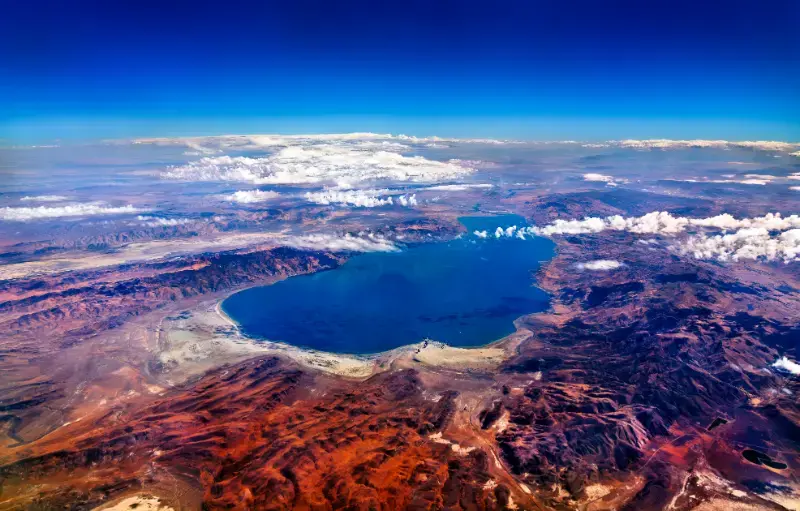
The lake lies on tribal land with its own permits and rules. Use Pyramid Lake Paiute Tribe information and respect closed or culturally sensitive areas.
Drive toward the Sierra
Scenic roads can be the experience, but chain controls, smoke and storms require live checks.
Plan a snow day
Winter access to nearby ski areas depends on weather and road control. Reserve rentals and lessons when needed.
Add a family museum or activity
Choose based on age and current exhibitions rather than generic rankings. One focused indoor activity balances an outdoor day.
Browse local markets or shops
Seasonal markets and independent shops provide local context. Do not promise a market without confirming the calendar.
Photograph sunrise or evening light
Use established public areas along the river or city viewpoints. Avoid isolated informal stops after dark.
Leave a half day unplanned
Reno’s manageable scale rewards spontaneity. Weather can also make a flexible block essential.
Practical planning advice
Stay near the experiences
Use Reno accommodation and prioritize a walkable zone or easy parking according to the itinerary.
Sleep at the lake when needed
Compare Stateline accommodation when Tahoe sunsets, beaches or skiing are central rather than commuting.
Limit day trips
Choose Tahoe or Virginia City/Carson City for a short visit, not both on consecutive rushed days.
Check conditions
Mountain weather, wildfire smoke and event traffic can reshape a northern Nevada plan. Confirm live sources each morning.
Connect the wider state
The Nevada road trip connects Reno with U.S. 50, Great Basin, Tonopah and Las Vegas.
Frequently asked questions
What should I do first in Reno?
Walk the river corridor, choose one museum and spend time in Midtown or Downtown.
How many days are enough?
Two days for Reno; three or more with a regional day trip.
Is Tahoe a simple day trip?
It can be, but choose one location and verify parking, reservations and weather.
What can families do?
Use parks, museums, events and age-appropriate outdoor trips with conservative driving.
Is Reno walkable?
Central districts are walkable in sections, but regional attractions require transport.
Turn priorities into a daily route
Start with Walk the Riverwalk and Visit the National Automobile Museum as geographic anchors rather than isolated checklist items. Put the more time-sensitive experience first, then place meals, parking and flexible stops around it. This approach leaves room for delays without sacrificing the main reason for the day. It also prevents a common Nevada mistake: accepting every apparently short detour without considering heat, one-way roads, resort walking time or the long return to the hotel.
Allow a realistic time buffer
Maps describe distance, not the complete experience of Explore Nevada Museum of Art or Spend an afternoon in Midtown. Parking searches, visitor-center stops, security, photographs and weather checks all use time. Add a buffer before any fixed reservation and avoid scheduling a nonrefundable evening immediately after a remote drive. If the day runs early, the spare time becomes a relaxed meal or viewpoint; if it runs late, the itinerary remains recoverable instead of turning into a sequence of missed bookings.
Check reservations in the correct order
Reserve scarce or regulated experiences before arranging the flexible parts of this best things to do in Reno plan. A cave tour, timed-entry window, headline show or limited hotel should determine the day; a scenic stop with broad access can move around it. Recheck confirmation emails for arrival instructions, parking and cancellation deadlines. Save essential documents offline because mobile coverage can weaken outside urban areas, and never assume that an entrance pass automatically includes a timed reservation or guided activity.
Build the budget from the total cost
The true price of this trip is not only admission. Include accommodation taxes and fees, parking, fuel, meals, tips, reservation charges and the cost of moving between areas. A cheaper room can become expensive when it creates several rides each day, while a rental car can be wasteful during a Strip-only stay but essential for remote Nevada. Compare the complete daily cost and the time saved, then spend more only where location, flexibility or a meaningful experience clearly improves the trip.
Prepare for Nevada distances
Before leaving a major base, confirm the next fuel stop, food option and arrival window. Keep water available in the passenger area, not buried under luggage, and download the route. On remote roads, a weak signal is normal rather than an emergency, but it becomes dangerous when travelers have not shared their plan or checked the vehicle. Avoid driving tired after sunset merely to preserve an overfilled schedule; removing one stop is always cheaper than turning a vacation into a roadside problem.
Use weather as a decision tool
Nevada weather must be read by elevation and activity. A forecast for Las Vegas does not describe Lake Tahoe or Great Basin, and an acceptable city temperature may still be unsafe on exposed sandstone. Check hourly heat, wind, thunderstorms, air quality and overnight lows. Move outdoor time earlier, shorten the route or replace it with an indoor activity when conditions deteriorate. Flexibility is not a failure of planning here; it is the skill that makes a desert-and-mountain itinerary work.
Plan for different mobility and energy levels
A mixed group should choose the day around the least mobile or least heat-tolerant traveler. Provide seated breaks, accessible alternatives and a clear meeting point instead of pressuring everyone into the same trail or resort walk. Short scenic stops can be combined with one carefully selected longer activity. Confirm accessibility directly with official sites and venues because terrain, elevators, construction and shuttle operations can change. A smaller shared plan is usually more enjoyable than separating repeatedly to chase a longer list.
Travel responsibly
Stay on durable or designated surfaces, pack out waste and never remove rocks, plants or artifacts. Petroglyphs and historic structures should be observed without touching, tracing or climbing. Keep distance from wildlife and avoid feeding it for photographs. In cities, support local businesses beyond the largest resorts when it fits the route. These choices protect the places described in this guide and also create a calmer trip, because responsible travel naturally favors slower observation over hurried collection.
Keep one backup plan
Choose an alternative for the part of the day most exposed to closure, heat, snow or sold-out parking. The backup should be nearby and genuinely appealing, not another long drive. Museums, scenic overlooks, a neighborhood meal or a shorter official trail can preserve the character of the day. Write the alternative down before departure; decision-making becomes harder when the group is tired, hungry or standing in a car park with limited reception.
Final check before departure
Forty-eight hours before this best things to do in Reno experience, verify official alerts, road conditions, opening hours and reservation details. Confirm the hotel address, parking instructions and realistic arrival time. Refill prescriptions, charge devices and carry a paper or offline version of essential information. On the morning itself, check conditions again and be willing to change the order. The best Nevada itineraries are specific enough to be useful and flexible enough to remain safe when the desert or mountains change the plan.
Continue planning your Nevada trip
Use the Nevada travel guide as the main state hub, then compare best things to do in Nevada, best places to visit in Nevada, best time to visit Nevada and where to stay in Nevada. For a city-focused trip, continue with the Las Vegas travel guide.
Continue planning Nevada
Continue with the related Nevada guides to move from city planning to parks, family travel and longer road trips without rebuilding the route from zero.
- 3 Days in Las Vegas: The Perfect First-Time Itinerary
- Las Vegas with Kids: Family Attractions, Hotels & Practical Tips
- Best Free Things to Do in Las Vegas: 25 Experiences Worth Your Time
- Hoover Dam from Las Vegas: Tours, Driving, Tickets & Tips
- Lake Mead National Recreation Area Guide: Beaches, Drives & Planning
- Reno Travel Guide: How to Plan a First Trip
- Lake Tahoe Nevada Side Guide: Beaches, Towns & Where to Stay
- Great Basin National Park Travel Guide: Caves, Hikes & Dark Skies
- Nevada Ghost Towns Road Trip: Historic Stops, Routes & Safety
Compare accommodation for this itinerary
Compare available accommodation for your dates, budget and preferred location before you finalize your route.
For flexible planning, compare Reno accommodation and Virginia City accommodation. Review the final price, cancellation terms, parking and exact map position before booking.