

Best Time to Visit Illinois: Weather, Seasons, Festivals and Road-Trip Planning. A season-by-season Illinois planning guide focused on actual trip decisions: city comfort, hiking conditions, Route 66 daylight, event weekends and road-trip flexibility.
Choose the length of stay, reserve the experiences that matter most, and group stops that fit naturally together. Compare driving with other transport options, and leave out distant attractions when reaching them would consume time you would rather spend at the main destinations. The goal is a trip that still works when traffic, weather, crowds or normal delays change the day.
- Best all-around periods: late spring and early fall
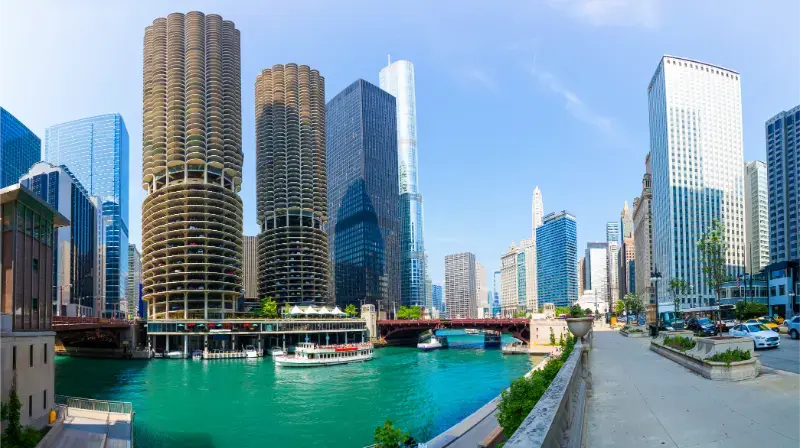
- Best for Chicago lakefront days: late May through September, with summer heat and crowds
- Best for fall color: generally October, timing varying north to south
- Best for quieter city prices: selected winter periods outside holidays and major events
- Biggest mistake: using one statewide weather assumption for Chicago, central Illinois and the south
Spring: excellent value with unstable weather
Spring can be one of the best seasons for an Illinois road trip because temperatures become comfortable before peak summer crowds, landscapes green up and waterfalls at Starved Rock are more likely to have flow after rain. The trade-off is volatility: cold fronts, thunderstorms and wet trails can disrupt a rigid outdoor schedule.
Build spring trips with indoor alternatives. Chicago museums, Springfield’s Lincoln attractions and Route 66 museums give you productive bad-weather days, while clear mornings can be used for lakefront walks and state-park hikes. Waterproof footwear matters more than adding another attraction reservation.
Early summer: long days and easier statewide routing
Late May and June provide long daylight hours, which is valuable on Route 66 where short roadside stops accumulate. Chicago’s lakefront and neighborhoods are active, and southern Illinois is still easier to hike before the most persistent midsummer heat.
Do not mistake long daylight for unlimited energy. A road-trip day with six roadside stops, a museum and a two-hour evening drive can still feel exhausting. Use the extra daylight as a safety margin rather than filling every minute.
July and August: strong city energy, heat and humidity
High summer is popular for Chicago because festivals, baseball, lakefront activity and outdoor dining are at their peak. It is also the season when heat and humidity can make long midday walks less pleasant, especially away from the lake and in central or southern Illinois.
Shift outdoor time earlier and later, and place museums or long meals in the afternoon. In Starved Rock, rain-fed waterfalls may be less reliable later in summer, so hike for canyons and overlooks rather than assuming every cascade will be running.
September: one of the easiest months for mixed trips
September often works well for travelers who want Chicago plus road-tripping because daylight remains useful and the most intense summer heat usually begins to ease. Weekends can still be busy, especially around events, sports and popular parks.
This is a good month for combining city and outdoor days without packing separate winter and summer wardrobes. Even so, check the forecast for each region because a lakefront morning can feel much cooler than an inland afternoon.
October: fall color, shorter days and excellent road-trip atmosphere
October is one of the most attractive periods for Galena, Starved Rock and scenic drives, but fall color does not peak everywhere on the same date. Northern Illinois generally changes earlier than the south, so a multi-week statewide color season is more useful than a single predicted weekend.
Popular fall weekends can create parking pressure at state parks and higher hotel demand in small towns. If foliage is the priority, stay near the landscape you want to see and hike early rather than attempting a late morning day trip from Chicago.
November: quieter, transitional and less predictable
November can be a good value for museums, food-focused city travel and history, but daylight shrinks and the outdoor landscape becomes less reliable. It works best when your itinerary does not depend on long hikes or multiple scenic drives.
Thanksgiving affects opening hours and travel patterns, so check each major attraction individually. This is also a month when wind can make Chicago feel colder than the forecasted air temperature suggests.
Winter: Chicago culture and Lincoln history, with road-trip caution
Winter is not automatically a bad time to visit Illinois. Chicago’s museums, restaurants, theater and indoor architecture experiences remain compelling, and Springfield’s core historical attractions can be visited year-round. The challenge is driving: snow, ice and strong winds can turn an ordinary transfer into a slow day.
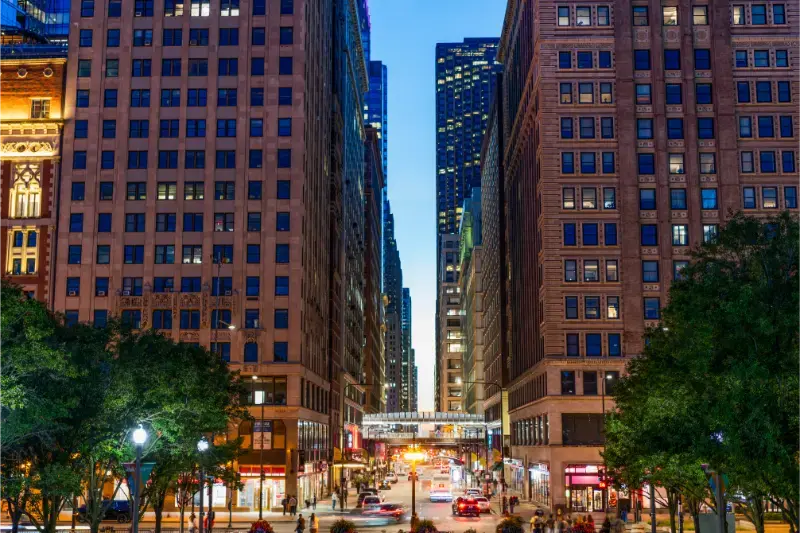
Keep a flexible hotel strategy when road-tripping and avoid building a must-do rural attraction at the end of a long winter drive. If a storm is forecast, stay in a city base and move the outdoor or road-trip day rather than forcing the original sequence.
Route 66 season: prioritize daylight and open roadside businesses
Route 66 can be driven year-round, but the experience is richer when museums, diners and roadside attractions operate longer schedules. Late spring through fall usually gives you more daylight and more opportunities to stop spontaneously.
In 2026, the Route 66 centennial brings special events and extra interest across Illinois. That can improve the experience but also increase demand around major event dates in Springfield and other corridor towns. Reserve lodging early when your trip overlaps a signature celebration.
Starved Rock season: water, leaves and trail conditions matter more than temperature
Spring can provide stronger waterfall flow, fall brings color, winter can create dramatic ice formations, and summer offers long days. Each season also changes footing, stairs and trail comfort. The park is not a single-season destination, but the best route can change from week to week.
During the 2026–27 trail improvement project, check the Illinois DNR closure page immediately before travel. A trail that appears on an old map may be temporarily inaccessible even when most of the park remains open.
Event dates can matter more than the month
A hotel that looks inexpensive for most of September can spike around a major Chicago convention, festival, sports weekend or Route 66 event. The same principle applies in Springfield during large events and in Galena on peak fall weekends.
Before committing to flights, compare hotel prices for your exact dates. If one night is unusually expensive, moving the trip by a day or shifting the order of the itinerary can save more than choosing a cheaper hotel farther away.
Daylight is a road-trip resource
From late spring through summer, extra daylight gives you more flexibility for Route 66 and rural parks. In winter, the same mileage consumes a larger share of usable sightseeing time because many outdoor attractions effectively end at dusk.
When days are short, schedule museums later in the afternoon and complete scenic or rural driving earlier. This simple change reduces the temptation to navigate unfamiliar roads after dark.
How to plan around severe weather without overreacting
Thunderstorms can affect Illinois during the warmer months. Monitor official forecasts, understand where you can shelter, and avoid committing to exposed outdoor plans when warnings are active.
Most trips do not need to be cancelled because one stormy period appears in the forecast. A flexible sequence of city museums, Route 66 indoor stops and outdoor days lets you move activities instead of losing them.
Compare the total accommodation cost first, then check rental-car prices if your Illinois itinerary extends beyond a single walkable city base.
- Illinois 10-day road trip
- Starved Rock State Park guide
- Chicago travel guide
Frequently asked planning questions
What is the best month to visit Illinois?
September is one of the easiest all-around choices for city travel and road trips, while October is stronger for fall scenery and late spring is excellent for hiking and waterfalls.
When is Chicago cheapest?
There is no universally cheapest month because conventions and events can shift prices. Winter often provides value outside holidays, but compare your exact dates rather than relying on seasonal averages.

When are Starved Rock waterfalls best?
They are rain-dependent and are often stronger in wetter periods. Check recent weather and current trail conditions instead of planning around a guaranteed waterfall.
Is summer too hot for a road trip?
No, but start outdoor stops earlier, use air-conditioned attractions in the afternoon and keep water in the car.
Can I drive Route 66 in winter?
Yes, but winter weather can slow the trip and some roadside businesses may have reduced hours. Build more flexibility into the schedule.
Practical decision guide
If your itinerary is already crowded, decide what Best Time to Visit Illinois is supposed to add to the trip. Choose your dates based on the hardest-to-move priority. If fall color is the reason for the trip, anchor the parks first; if Chicago theater or a major event is the priority, anchor the city dates first and let the road trip flex around them. Keep the stop when it creates a different experience, shortens a long driving day, or gives you access to something that cannot be replicated at the next destination. Cut it when it creates backtracking only to repeat the same type of museum, viewpoint, shopping district or roadside stop you already have elsewhere.
Build each day around one fixed priority and two flexible secondary stops. Reserve limited-capacity tours first, then place free or untimed attractions around them. For road-trip days, calculate from hotel door to hotel door rather than using only the headline drive time: parking, fuel, food, construction, restrooms and photo stops can easily add an hour or more.
Weather should usually change the order of the day rather than cancel the day. Put museums, visitor centers or long meals into the hottest, coldest or stormiest hours, and use the more comfortable part of the day for walking, overlooks and outdoor stops. This is especially useful in Illinois, where conditions can change quickly between the Lake Michigan shoreline, central prairie and southern hills.
Families and multigenerational groups generally have a better trip with fewer transitions. Two substantial experiences, a comfortable meal and one flexible outdoor stop often feel fuller than five rushed attractions. The same principle helps with accessibility: check parking-to-entrance distances, stairs, terrain and rest opportunities before committing to a tightly timed sequence.
Finally, protect the onward journey. Avoid using every remaining daylight hour if the next overnight requires an unfamiliar rural drive. Arriving with enough daylight to find parking, eat and settle in is part of efficient road-trip planning, not lost sightseeing time.
Final planning take
The strongest Illinois trips are selective. Reserve the experiences that truly depend on time slots, use geography to group the rest, and protect enough open time for weather, food and spontaneous stops. A trip with fewer hotel changes and better route logic usually delivers more of the state than an itinerary that tries to collect every famous name.