

There is no single best month for all of New Mexico because elevation changes the climate dramatically. Santa Fe and Taos sit high enough for snowy winters, Albuquerque has hot but generally drier summers, White Sands and Las Cruces can be very hot in June, and mountain towns such as Cloudcroft or Red River may be comfortable when the desert is scorching. The best time therefore depends on whether your priority is road tripping, hiking, skiing, festivals, photography or avoiding crowds.
Spring: March to May
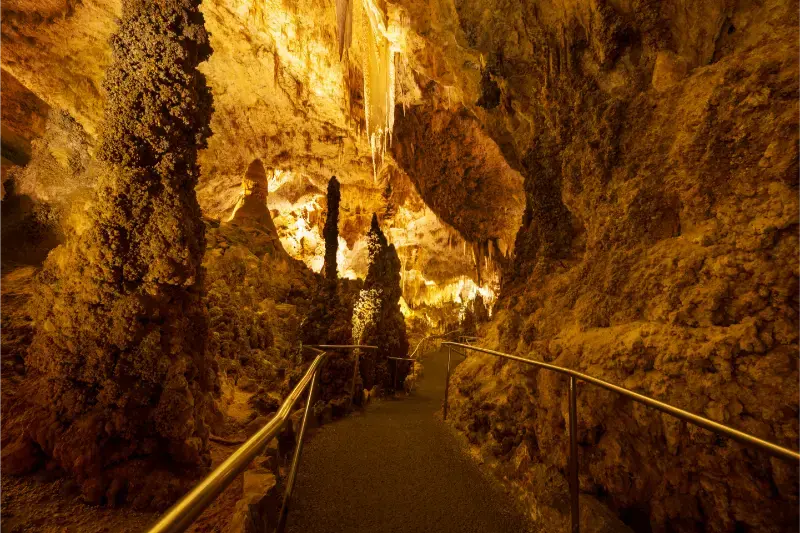
Spring is excellent for lower-elevation road trips, but it is often windy. March can still feel wintry in Santa Fe and Taos, while southern New Mexico warms quickly. April and May are strong months for Carlsbad Caverns, White Sands and Route 66 before peak summer heat. High mountain trails may still hold snow.
Early summer: June
June is typically hot and dry in the desert, making dawn starts important at White Sands, Bisti and lower-elevation parks. Higher locations such as Santa Fe, Taos, Cloudcroft and the Enchanted Circle are much more comfortable. Wildfire restrictions can affect forests in dry years, so check local alerts.
Monsoon season: July and August
Summer monsoon patterns can bring dramatic afternoon thunderstorms, especially in mountains and central/northern New Mexico. Mornings are often the safest time for exposed hikes. Flash flooding is a serious concern in slot canyons, washes and badlands. Do not enter narrow terrain when storms are building upstream.
Autumn: September and October
For many road trippers, autumn is the most versatile season. Days are warm, nights are cooler and high-country aspens can turn gold. Balloon Fiesta brings major demand to Albuquerque in early October, so lodging prices and availability can change dramatically. Book well ahead if your trip overlaps the event.
Late autumn: November
November is quieter and often excellent for southern New Mexico. Northern nights become cold, and mountain weather is more variable. Wildlife viewing at Bosque del Apache becomes increasingly important as cranes and geese arrive. It is a good month for travelers who value lower crowds over warm evenings.
Winter: December to February
Winter creates two different New Mexicos. Taos Ski Valley, Red River and other mountain areas focus on snow sports, while the southern deserts can offer sunny daytime conditions. Santa Fe can be beautiful after snow but cold at night. Roads over passes may require winter-driving skills and flexible plans.
Best months for a statewide road trip
Late April to May and September to mid-October usually provide the best compromise across multiple elevations. You may still encounter heat in the south or snow at very high elevations, but extreme conditions are less likely. A statewide itinerary should include layers and enough schedule flexibility to swap days.
Best time for White Sands and southern deserts
October through April is the easiest period for long walks and daytime exploration. Summer is still possible, but early morning and late afternoon are essential. Always carry water and sun protection. Read the White Sands guide for current access considerations.
Best time for Santa Fe and Taos
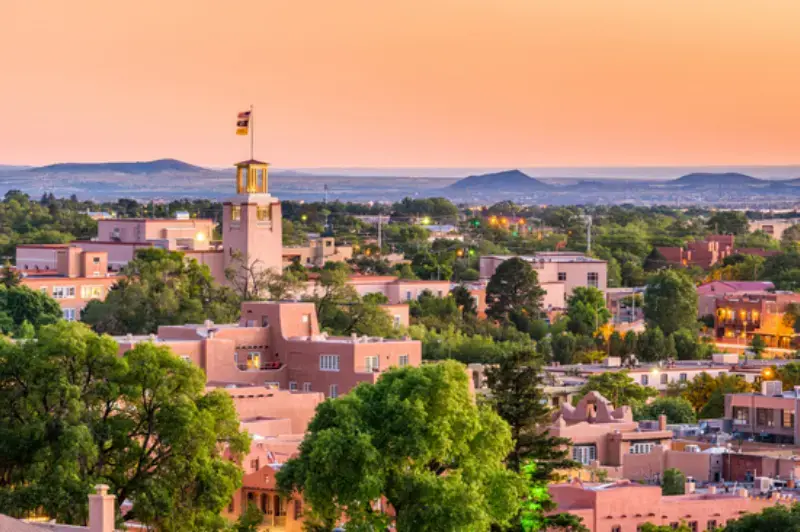
May through October is the broadest sightseeing season, with July and August bringing summer events and afternoon thunderstorms. September and early October can be especially attractive. Winter appeals to skiers and travelers who enjoy museums, fireplaces and snow-covered adobe architecture.
Best time for wildlife
Bosque del Apache is most famous for winter bird concentrations, especially sandhill cranes and snow geese. Dawn and dusk can be extremely cold even when afternoon temperatures are pleasant. Use the Bosque del Apache and Socorro guide to plan viewing.
Best time for Route 66
Spring and autumn make long driving days more comfortable and reduce heat at roadside stops. Summer remains popular because of school holidays, but midday temperatures in Tucumcari, Santa Rosa and Albuquerque can be high. The 2026 Route 66 centennial also increases interest in historic corridor events.
Crowds and hotel prices
New Mexico is not uniformly crowded. Demand spikes around specific events, ski weekends, holiday periods and fall foliage. Albuquerque Balloon Fiesta is the clearest example; Santa Fe also fills during major arts markets. Outside those periods, even popular destinations can feel relaxed midweek.
What to pack by season
Layers are essential year-round. Summer desert travelers need sun protection and storm awareness; mountain travelers need a warm layer even in July. Winter road trippers should carry cold-weather gear, an ice scraper and emergency supplies. In spring, wind-resistant outerwear is often more useful than a heavy coat.
How altitude changes your plan
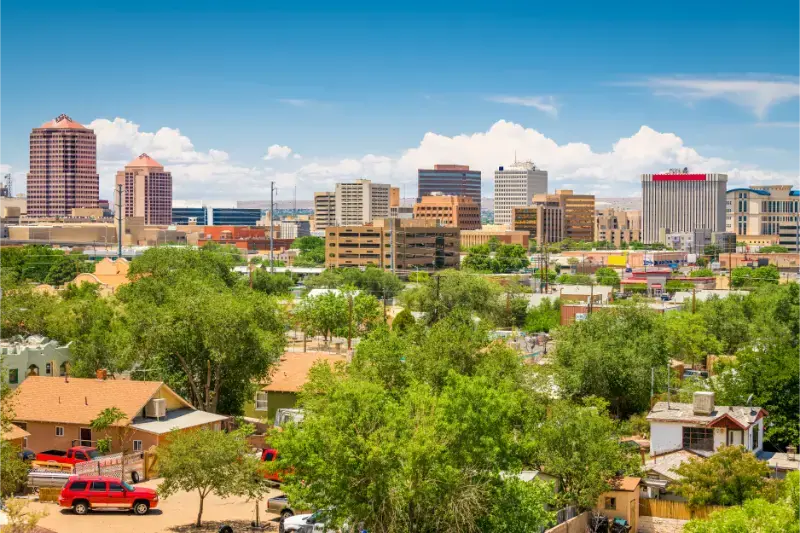
Albuquerque is high by many visitors’ standards, and Santa Fe, Taos and mountain areas are higher still. Give yourself time to acclimatize, hydrate and avoid overloading the first hiking day. A temperature forecast for Albuquerque tells you little about a day in the Sangre de Cristo Mountains.
My practical recommendation
For a first multi-region road trip, target late April to late May or mid-September to mid-October. Then fine-tune around your must-see places. Skiers, birders and festival travelers should intentionally choose other seasons because the seasonal event is the point of the trip.
Where to stay
Compare available accommodation for your dates, budget and preferred location before you finalize your route.
Compare places to stay on Booking.com. Check cancellation terms carefully when your itinerary depends on mountain roads, park reservations or seasonal weather.
Official resources
Continue planning New Mexico
Use the New Mexico travel guide to connect this stop with the rest of your route.
Road-trip planning details
Distances in New Mexico often look modest on a map but can involve two-lane roads, elevation changes and long gaps between services. Build a fuel stop into the day before you need it, download offline maps and leave margin for photography, roadwork and weather. Avoid scheduling a timed attraction immediately after a long rural drive. A thirty- to sixty-minute buffer makes the trip far less stressful and gives you room to stop safely at legal viewpoints.
Responsible travel
Many New Mexico destinations sit on or near lands with deep Indigenous, Hispano and local community significance. Follow posted rules, stay on legal public access, do not enter private land for photographs and avoid treating living communities as open-air attractions. At archaeological and geological sites, leave artifacts and rocks in place. These habits protect both the place and the quality of future visits.
Cell service and navigation
Cell coverage can drop quickly outside larger towns. Save the route, reservation confirmations and key phone numbers before leaving Wi-Fi. A paper map is useful on complex road trips because it shows the larger geography when a phone tries to reroute you onto unsuitable back roads. In remote areas, tell someone your plan and expected return time.
Water, altitude and sun
The combination of dry air, strong sun and elevation can cause fatigue before you feel thirsty. Drink regularly, use sunscreen and protect your eyes. If you arrive from near sea level, keep the first high-elevation hike moderate. Headache, nausea or unusual shortness of breath are signs to reduce exertion and descend if symptoms do not improve.
How to fit this into a larger itinerary
A good New Mexico trip alternates demanding outdoor days with easier cultural or scenic days. Do not stack three remote parks back-to-back simply because they appear in the same region. Use larger bases such as Albuquerque, Santa Fe, Taos, Las Cruces or Alamogordo to reset, do laundry and adjust the route. This rhythm usually creates a better trip than maximizing the number of pins on a map.
Frequently asked questions
How much time should I allow?
Most travelers should allow at least half a day for the main experience and a full day when driving, hiking or museum time is part of the plan.
Do I need to book ahead?
Book lodging and any ticketed activity ahead. For parks and public lands, check the official site for current reservations, permits, road conditions and closures before departure.
Is this suitable for a first New Mexico trip?
Yes if it fits your route. New Mexico is large, so the best stop is the one that reduces backtracking while adding a genuinely different experience.
Final planning note
The strongest New Mexico itineraries are built around realistic daylight, weather and driving time rather than a rigid attraction count. Confirm conditions on the morning of travel, carry water and layers, and be willing to remove a stop when roads or temperatures make the day less comfortable. That flexibility is especially valuable in remote parts of the state, where the landscape itself is the main reason to travel.