

The best time to visit Tennessee depends on which Tennessee you want to experience. A music weekend in Nashville, a Memphis museum trip and a high-elevation Smokies holiday do not share one perfect calendar. Weather, event demand and mountain access can matter in different ways even during the same week.
For a first city-and-mountain road trip, late spring or early fall often offers a useful balance, provided you check the conditions for your activities. For autumn color, plan a more flexible mountain stay and expect strong demand. For a concert or festival, start with the event itself, then build the rest of the trip around dates you can actually book.
| Music-focused visit | Choose the performance calendar first |
|---|---|
| Mixed city and mountain trip | Compare late spring and early fall |
| Smokies foliage | Variable by elevation; October brings heavy demand |
| Winter mountains | Check seasonal roads and actual conditions |
Choose by region before choosing a month
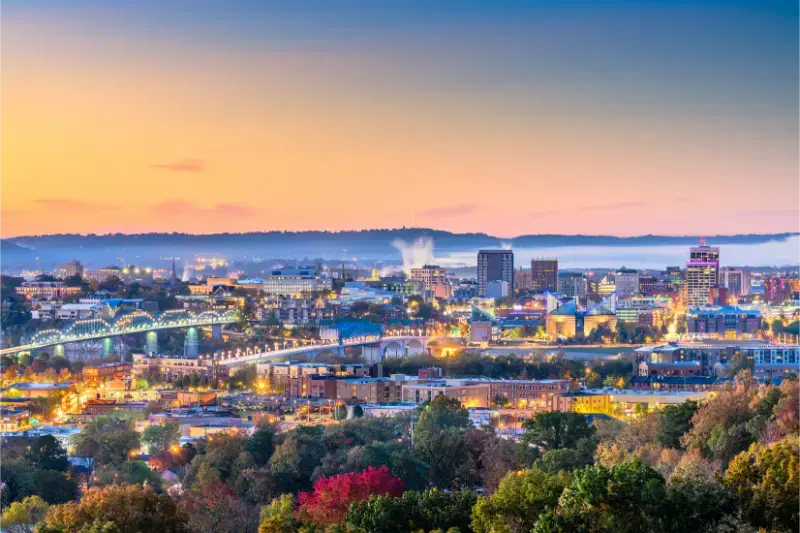
Memphis and Nashville offer substantial indoor experiences throughout the year. Your main decisions are often walking comfort, hotel demand and the performance calendar. The Smokies add elevation, seasonal roads and changing trail conditions. Chattanooga and Knoxville can combine urban sightseeing with outdoor time, but a city forecast still does not describe the high country.
If music is the main reason for coming, use the Nashville music guide or Memphis music guide to choose the experience first. A seated performance and a museum can make a winter visit worthwhile, while a late-night bar district may be less appealing to a family regardless of the month.
If scenery and walking lead the plan, decide which elevation and type of outing you want. A valley drive, a forest trail and Kuwohi’s summit approach have different limitations. The Smokies park guide helps turn a general mountain holiday into specific choices. Only then compare the season, daylight and access those choices require.
March through May: spring with changing conditions
Spring can work well for travelers who want city sightseeing with outdoor breaks. Plan walks around the current forecast and keep an indoor attraction available for a wet period. Do not assume every spring weekend will be quiet or inexpensive; school holidays, performances and other events can change demand sharply. Compare your actual dates before choosing flights.
In the mountains, spring arrives at different times by elevation. A pleasant lower-park afternoon does not establish safe or comfortable conditions on a higher road or trail. Early-season visitors should be especially careful about treating seasonal opening dates as unconditional promises. Check the road status and carry clothing appropriate to the specific outing, rather than packing only for the temperature at your hotel.
For a mixed family trip, arrange one important timed attraction and keep the surrounding days movable. That approach works when spring weather changes without requiring a complete reshuffle of hotel nights. If wildflowers are a priority, seek current local observations and choose a suitable walk; do not book the whole trip around a guaranteed bloom date that weather may alter.
June through August: school holidays and heat-aware days
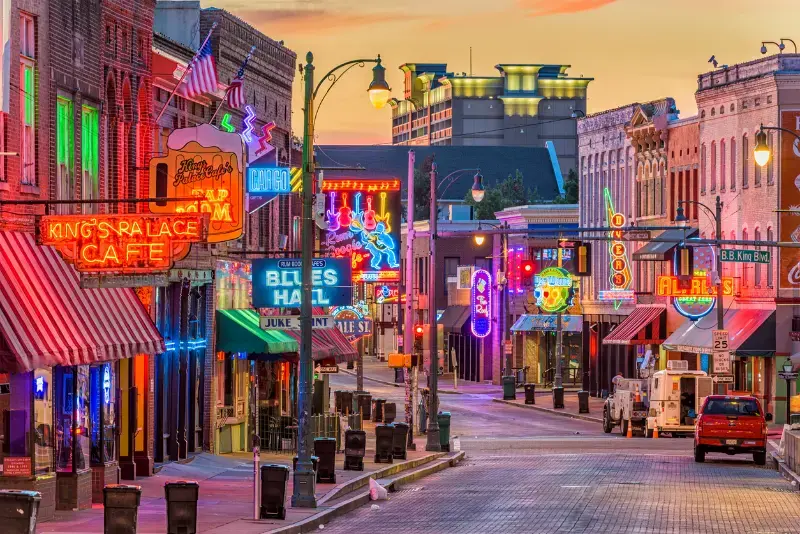
Summer suits travelers tied to school calendars and those who want seasonal attractions. It also rewards a different daily rhythm: outdoor activity earlier, a substantial midday break and an evening plan that matches the group’s energy. In Nashville and Memphis, schedule the longest exposed walks away from the hottest part of the day and carry water.
Do not assume a mountain destination eliminates summer discomfort. Lower valleys, parking areas and exposed paths can still be warm, while a higher ridge may be cooler and more changeable. Afternoon storms can affect outdoor plans. Choose a route with realistic shelter and turnaround options rather than beginning a long outing simply because the morning starts clear.
For Dollywood or the separate Splash Country water park, consult the official operating calendar before buying tickets. Admission products and operating seasons differ. A water-park day is not a substitute for checking conditions and ride requirements, and an attraction operating in summer should not automatically be assumed open every day of a later trip.
September: a useful transition, not a quiet guarantee
September can suit a road trip that combines music cities and the mountains. Keep the distinction between the early holiday weekend and other dates in mind, and compare room rates rather than relying on a general shoulder-season label. Warm weather can linger in the cities, so a trip at the start of the month may still need a summer-style midday break.
For the Smokies, use September as a period to watch changing conditions rather than promise a particular leaf-color scene. High-country and valley visits can look very different. Plan the outdoor day around the best available weather and let the other days hold town activities, museums or a gentler walk. Several nights in one base provide more useful flexibility than moving hotels to chase an uncertain report.
Families visiting after the main school holiday period should check attraction hours carefully. A smaller crowd can come with a reduced operating schedule or fewer departures for a particular experience. The right comparison is the experience actually available for your dates, not a summer description of everything the destination can offer at its busiest.
October and early November: foliage and crowd tradeoffs
The NPS fall-color guidance explains that color changes generally move from higher elevations toward lower areas, with timing varying each year. It also identifies October as the park’s busiest month. A foliage trip therefore needs both weather flexibility and realistic expectations about traffic and parking.
Choose a few nights near the areas you want to explore and avoid scheduling every road journey tightly. A clear weekday can be valuable, but it does not guarantee empty viewpoints. Begin with one priority and have another nearby option if access is crowded. For photography, compare current observations with the forecast instead of driving across the region solely because a report used the word peak.
City stays can also be enjoyable during this period, but check events and hotel totals independently of the mountain season. An autumn weekend that suits Nashville may coincide with expensive lodging elsewhere. If your main goal is simply pleasant city exploration, you do not need to pay a foliage premium for a cabin far from the places you will actually visit.

Late November through February: cities, lights and access limits
Winter can suit a music-and-museum trip, especially when you prefer indoor activities and a less crowded sightseeing routine. Check holiday closures and performance dates before treating any particular week as an easy bargain. Festive attractions and major weekends can still attract strong demand. A lower room rate is useful only if the experiences you want are available.
In the Smokies, separate the idea of a winter mountain stay from guaranteed access to a particular summit. The seasonal road schedule and current conditions are the starting points for planning. Roads can close because of conditions, and a cabin stay may involve a driveway very different from a maintained main road.
Choose lodging with a realistic poor-weather plan. Ask about the access road and property procedures before booking a remote cabin. If you mainly want evening lights and comfortable dining, an accessible town hotel may be a better fit. Travelers seeking snow should avoid building the holiday around a promise that a particular week will provide it at their accommodation.
Events, music tickets and finding better value
Use the official Tennessee events resources to identify dates, then confirm with the actual organizer or venue before paying. A major event can affect rooms, transport and restaurant demand even when you are not attending it. Check both the arrival and departure weekends, particularly if a road trip links more than one city.
For Nashville, secure the performance you would be disappointed to miss before arranging a complicated schedule around it. For Memphis, check museum opening days and the particular tour’s ticket system. A cheaper flight that leaves only a Monday for a closed museum may cost you the main reason for coming. Value depends on usable visiting time as well as the price.
Compare several nearby date combinations for the same room and ticket needs. Include parking, taxes, rental charges and cancellation terms. Avoid assuming that every weekday is cheap or that every winter stay is a bargain. If the trip is flexible, let the actual calendar and final totals guide the decision rather than a broad claim about the cheapest month.
Match the season to your travelers and route
With babies or young children, choose comfortable daily distances and lodging that makes breaks easy. An air-conditioned museum, an early meal and a pool session may work better than maximizing outdoor hours. For older visitors or people with mobility needs, consider surfaces, heat and the distance back to the car as carefully as the attraction’s admission arrangements.
For a ten-day holiday, the Nashville-to-Smokies itinerary keeps the main regions manageable. If you are focusing on the two music cities, the Nashville-to-Memphis route offers a shorter geographic span. Choose the route first, then decide whether your preferred month supports its outdoor components and transfer days.
Pack by activity as well as season. Comfortable walking shoes matter for city museums and evenings; mountain outings need suitable layers and weather protection. Keep the clothing for an outdoor day accessible in the car. A state-spanning trip often involves several conditions, so one forecast and one outfit rarely cover everything comfortably.
Timing a trip around one special interest
For a concert-focused break, the artist’s date can matter more than the season. Check the venue before reserving a hotel, then compare nearby nights if you want to extend the stay. A weekday show may fit well into a road trip, but do not assume the quieter calendar automatically means lower room rates or an easy journey through the city.
For photography, allow more than one outdoor window and choose a base that keeps the return manageable. Autumn color, a clear ridge and comfortable light rarely follow a visitor’s exact schedule. You can plan for a season while still accepting that the particular scene will depend on the day. Leave space to enjoy what is present rather than repeatedly driving toward an imagined photograph.
For food and cultural sightseeing, choose a pace that includes proper meals and time inside the places you came to see. A comfortable city weekend in a less fashionable month can outperform a rushed visit in a supposedly ideal one. The best date is the one that supports your actual interests, available time and travelers, with practical alternatives when conditions change.
A simple way to make the final decision
Write down three priorities: the performance or attraction, the outdoor experience and the pace your group wants. Check their operating calendars and access requirements. Compare two or three travel windows for weather suitability and total cost. Book the least flexible experience first, while keeping movable activities on the days around it.
Close to departure, switch from seasonal expectations to actual forecasts and official notices. The National Weather Service provides local forecasts and alerts; use the office and location relevant to your day’s destination. A city plan can often move indoors, while a mountain road or exposed viewpoint may require a different activity altogether.
There is no need to find a month that makes every Tennessee experience equally convenient. Choose a season that supports the main reason for the trip, then adapt the secondary plans. That produces a more satisfying visit than chasing a single perfect date and expecting cities, valleys, summit roads and event calendars to cooperate in exactly the same way.
Frequently asked questions
Is October always the best month for Tennessee?
It is popular for Smokies foliage, with significant crowd pressure. Other months may fit music, museums, budget or family schedules better.
Can I visit the music cities in winter?
Yes. Check performance dates, museum opening days and holiday exceptions, and leave room for weather-related travel changes.
Is summer too hot for a Tennessee trip?
It can still work, especially with early outdoor plans, indoor breaks and a realistic pace. Use the local forecast and choose activities suitable for your group.
Location and orientation
Accommodation and activity options
Use these booking services to compare options for your dates. Check the location, meeting point and cancellation terms before choosing.
Some booking links are affiliate links. A qualifying booking may earn this website a commission.
Last updated: October 16, 2026.