

There is no single best month for all of North Carolina because the state stretches from high Appalachian peaks to Atlantic barrier islands. A comfortable spring weekend in Raleigh can coincide with colder mountain weather, while an October trip built for fall color in Boone may feel very different from the same dates on the Outer Banks. The best time depends on which region matters most and what you want to do there.
For most first-time road trips, late spring and early fall offer the broadest balance of pleasant temperatures and active attractions. Summer is strongest for classic beach vacations and high-elevation escapes but brings heat, humidity and crowds. Winter is quieter and often cheaper outside holiday periods, with skiing in the High Country and peaceful coastal towns, but more seasonal closures.
Spring: waterfalls, gardens and changing mountain conditions
March can still feel wintry at elevation while lower cities begin to warm. By April and May, gardens, forests and urban neighborhoods become more comfortable for long days outside. Waterfalls often have strong flow, making western North Carolina especially attractive.
Spring weather is variable. Pack layers and rain protection, and check high-elevation road conditions before committing to scenic routes. The season is excellent for Asheville, the Triangle, Wilmington and many foothill destinations before summer humidity becomes intense.

Late spring on the coast
May and early June can be an excellent time for the Outer Banks and Wilmington-area beaches if you value lower crowds more than the warmest possible ocean. Restaurants and attractions are active, days are long and the heat is usually less oppressive than midsummer.
Ocean conditions still require daily attention. Water temperature and surf vary by location, and a sunny forecast does not eliminate rip-current risk. Use the North Carolina beaches guide to choose the right coastal region.
Summer: beaches, mountain escapes and family travel
June through August is peak season on much of the coast. Vacation rentals fill, traffic increases on changeover days and popular restaurants may require waits. The payoff is a full summer atmosphere, warm weather and the broadest selection of seasonal activities.
Inland cities can be hot and humid, so schedule museums and indoor attractions during the afternoon. The mountains provide cooler conditions, especially at higher elevations, which makes Boone, Blowing Rock and the Blue Ridge appealing for families escaping the heat.
Summer thunderstorms in the mountains
Afternoon storms are common enough that hikers should start early and monitor the forecast. Exposed ridges and waterfalls are poor places to be during lightning or intense rain. Build flexibility into the day rather than planning a long hike that can only start after lunch.
A summer mountain trip works best when you have several options: a major morning hike, a short forest walk, a town afternoon or an indoor attraction. The Pisgah guide explains how to plan around changing conditions.

Hurricane season on the coast
Atlantic hurricane season overlaps with summer and fall, including some of the most appealing beach months. A hurricane does not make the entire season unsuitable, but it does make flexibility important. Watch official forecasts as your trip approaches and understand evacuation, ferry and cancellation policies.
Avoid making nonrefundable commitments across several islands if a tropical system is developing. Travel insurance can be useful, but read the covered reasons carefully rather than assuming every weather-related change is reimbursed.
Early fall: one of the best all-around periods
September after the main holiday rush can be excellent for cities and mountains, while the coast may still feel summery. Humidity often begins to ease inland. The tradeoff is continued tropical-weather risk along the coast.
If your goal is a statewide road trip, early fall can work beautifully because restaurants and attractions remain active while some family-vacation crowds decline. Keep coastal plans flexible and avoid trying to predict mountain foliage too early.
October and fall color
October is the headline month for western North Carolina, but color moves through elevations rather than appearing everywhere at once. High Country locations often change before lower valleys. Weather can shift the progression by days or weeks.
October weekends are extremely popular. Book lodging early and use weekdays whenever possible. Our North Carolina fall colors guide explains how to move between elevations instead of chasing one predicted peak date.
Late fall for quieter cities and coastal towns
November can be a rewarding time for Raleigh, Durham, Charlotte, Wilmington and New Bern. Temperatures are cooler, walking is easier and peak summer/fall crowds have dropped. Some beach businesses reduce hours, but the coast can feel wonderfully calm.
Mountain weather becomes more changeable. A sunny valley day can coincide with ice at elevation, so scenic-drive plans need more caution.
Winter in the mountains
The High Country becomes a winter-sports destination, with ski areas around Banner Elk, Beech Mountain and Sugar Mountain. Snow and ice can also affect roads, hiking trails and attraction operations. Travelers unfamiliar with mountain winter driving should keep schedules conservative.
Even without skiing, winter can be attractive for cabins, small towns and quiet views. Check whether the specific attractions you want operate year-round before choosing dates solely for lower lodging prices.
Winter on the coast
The Outer Banks and Crystal Coast are dramatically quieter in winter. Empty beaches and stormy skies can be beautiful, but this is a walking, photography and relaxation trip rather than a swimming vacation. Seasonal restaurants and tours may operate reduced schedules.
For travelers who dislike crowds and do not need warm water, winter reveals a side of the coast that summer visitors rarely see. Bring wind protection and choose lodging with comfortable indoor space.
Best time for Asheville and the Blue Ridge
Late spring, early summer and fall are the most popular periods. Spring brings fresh green and waterfalls, summer offers long mountain days, and fall delivers color. Winter is quieter but requires more attention to high-elevation road closures.
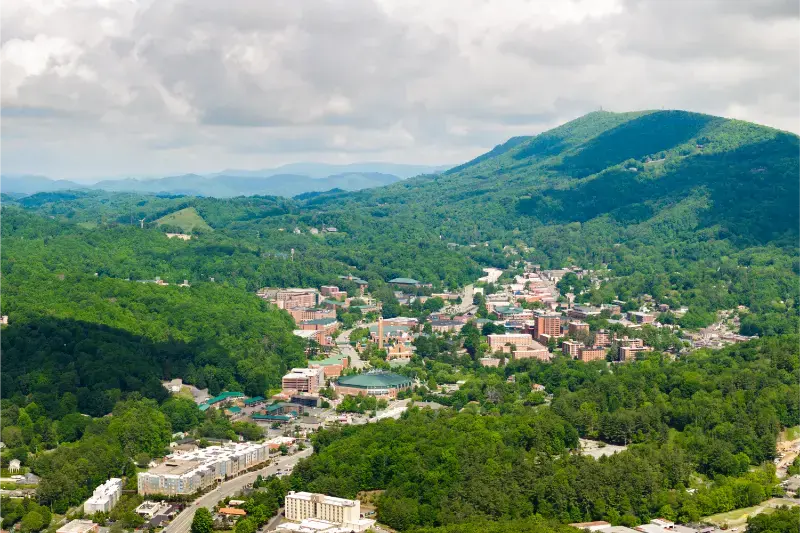
In 2026, Blue Ridge Parkway recovery from Hurricane Helene still makes current road status part of trip planning regardless of season. Check official information instead of assuming a famous segment is open.
Best time for the Outer Banks
Choose June through August for the fullest beach-season atmosphere, late spring or September for a better balance of activity and crowds, and winter for solitude. Shoulder season can be especially good for couples and road trippers who care more about scenery than swimming.
Ferry schedules and weather matter for Ocracoke and Hatteras itineraries. Use the Outer Banks guide for regional planning.
Best time for cities
Raleigh, Durham, Chapel Hill, Charlotte, Greensboro and Winston-Salem are easiest to explore in spring and fall. Summer heat can make long urban walks tiring, but museums and indoor attractions provide reliable alternatives. Winter is often manageable and can be a good value outside major events.
Check event calendars before assuming a city weekend will be inexpensive. Sports, university events and festivals can raise lodging demand even in otherwise quiet months.
Where to stay and when to book
Compare available accommodation for your dates, budget and preferred location before you finalize your route.
For October mountain weekends and summer beach weeks, book well ahead. For city trips, you can often retain more flexibility except around major events. Shoulder-season coastal stays benefit from refundable rates because weather can change the character of the trip quickly.
Affiliate disclosure: we may earn a commission from qualifying bookings at no extra cost to you. Compare places to stay across North Carolina and use flexible cancellation when season or weather creates uncertainty.
A simple month-by-month decision rule
Choose April or May for gardens, cities and waterfalls; June for long days before the deepest summer heat; July and August for classic beach vacations or high-elevation escapes; September for a broad road trip with coastal caution; October for mountain foliage; November for quieter cities; and winter for skiing or peaceful off-season travel.
This is a planning framework, not a weather promise. North Carolina’s geography creates enough variation that a good itinerary always includes a backup activity and a willingness to adjust.
Continue planning North Carolina
Once you choose the season, use the 10-day North Carolina road trip, North Carolina with kids guide and North Carolina destination hub to select a realistic region rather than trying to fit mountains, cities and coast into too few days.
Choosing dates for a first North Carolina trip
If you are completely flexible and want to sample both mountains and cities, late April through May or mid-September through early October are strong starting points. If beaches are the priority, move later into warm weather. If fall color is the priority, accept that October lodging will be busier and commit to a mountain-focused route.
Travelers who dislike heat should avoid assuming all of North Carolina is cool because it has mountains. Piedmont and coastal areas can be hot and humid in summer even when high elevations feel comfortable.
Best time for a road trip across the state
A statewide trip is easiest when neither mountain winter nor coastal summer heat dominates the schedule. Late spring and early fall usually give the widest range of comfortable outdoor options, although no period eliminates rain or storms. Plan the longest driving day between regions when the forecast is least attractive for sightseeing.
If you have fewer than ten days, do not choose dates based on the entire state. Pick the season that is best for the one or two regions you will actually visit. A mountain-and-city trip and an Outer Banks beach week have different ideal calendars.
Reservations and seasonal operations
Some attractions use timed entry or seasonal schedules, campgrounds may close part of the year, and ferries can operate differently by route and season. Check the exact site you plan to visit a few days before arrival. This is especially important during spring reopening periods and in late fall when hours begin to shorten.
For 2026 mountain travel, road-recovery work remains another variable. Keep the official Blue Ridge Parkway and Forest Service status pages bookmarked rather than depending only on saved routes.