

Cheyenne is often the first Wyoming town travelers reach from Denver, yet many continue north without stopping. That misses one of the state’s best places to understand how railroads, ranching and Western identity shaped modern Wyoming. As the state capital and largest city, Cheyenne also provides practical advantages: a real downtown, museums, restaurants, events and easy access from Interstate 25 and Interstate 80.
The city fits naturally at the beginning or end of a Wyoming road trip. Spend one or two nights here before moving toward Laramie, central Wyoming or the national parks, or use Cheyenne as a stand-alone weekend from Colorado. The experience changes dramatically during Cheyenne Frontier Days, when lodging, traffic and event planning become much more important.
Historic downtown and Depot Plaza
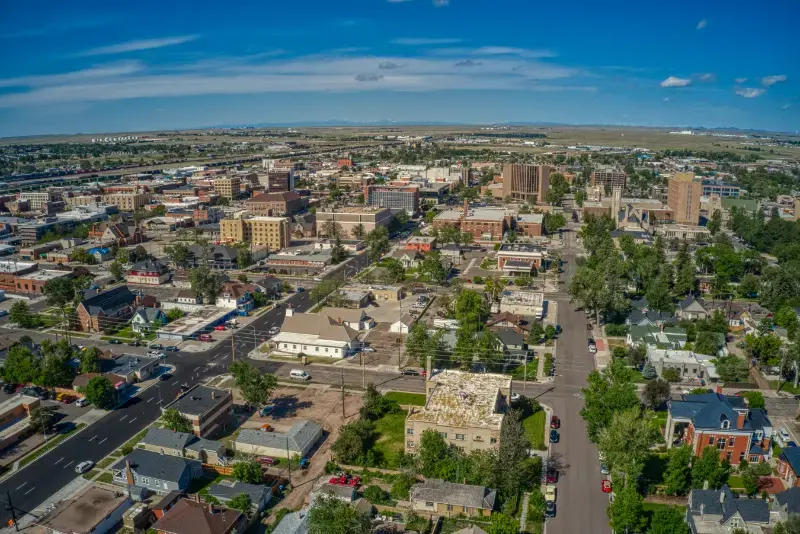
Cheyenne grew with the Union Pacific Railroad, and the restored depot remains a visual anchor downtown. Start around Depot Plaza, then walk surrounding blocks for historic buildings, public art, shops and restaurants. The compact core is one of the easiest places in Wyoming to explore without moving the car repeatedly.
The Cheyenne Depot Museum adds railroad context and helps explain why the city exists where it does. Even travelers who are not railway enthusiasts benefit from understanding how the transcontinental network transformed settlement, cattle shipping and Western towns.
Wyoming State Capitol and civic history
As the state capital, Cheyenne offers a different kind of history from Cody or the national parks. The Wyoming State Capitol and nearby government district provide context for statehood, politics and the history of women’s suffrage in Wyoming. Check tour and building-access hours before planning a specific visit.
A short civic-history stop balances the more romantic cowboy imagery found elsewhere in town. Wyoming’s identity is not only ranches and rodeos; it also includes debates over land, transportation, water, energy and public policy that continue to shape the state.
Cheyenne Frontier Days in 2026
Cheyenne Frontier Days is the city’s headline event and one of the largest outdoor rodeo and Western celebrations in the country. The 130th annual event ran July 17–26, 2026, with PRCA rodeo, concerts, parades, pancake breakfasts, a carnival, Western art and an Indian Village among the programming. Future dates vary, so never reuse the 2026 calendar without checking.
During Frontier Days, reserve lodging early and decide whether you actually want to be in the center of the event. The atmosphere is exceptional for rodeo fans, but travelers seeking a quiet historical weekend may prefer different dates. Downtown shuttles and event transport can reduce parking stress.
Western museums and the Old West story
The Cheyenne Frontier Days Old West Museum is an obvious stop for rodeo and Western-history enthusiasts. Other local museums cover railroads, state history and regional culture. Choose two rather than rushing through every collection in a day.
Museums are also useful in Wyoming weather. Wind, thunderstorms or winter cold can alter outdoor plans quickly, and Cheyenne has enough indoor attractions to remain worthwhile when conditions are poor.
The city’s boot sculptures and public art
Large painted cowboy boots around Cheyenne turn a downtown walk into an informal art trail. They are easy to dismiss as decorative, but they make a fun family scavenger hunt and encourage visitors to move beyond one block. Murals and bronzes add to the city’s public-art identity.
Use the artwork as a reason to walk between cafés, museums and shops rather than driving from attraction to attraction. Cheyenne’s center is more enjoyable at pedestrian speed.
Day trips: Vedauwoo and Curt Gowdy country
East and west of the city, granite formations, reservoirs and high plains offer outdoor escapes. Vedauwoo, near Laramie, is known for dramatic rock formations and climbing, while Curt Gowdy State Park offers trails, water recreation and camping between Cheyenne and Laramie. These areas make it possible to pair urban history with half a day outdoors.
Wind is a defining factor on the high plains. A sunny forecast can still produce challenging conditions for paddling, cycling or exposed hiking. Check local conditions and avoid assuming that calm downtown means calm terrain outside the city.
Cheyenne as a Denver-to-Wyoming gateway
Downtown Denver to Cheyenne is roughly a two-hour drive in ordinary conditions, making the city a logical first overnight for travelers flying into Colorado. This can be more comfortable than landing, collecting a rental car and immediately driving deep into Wyoming.
From Cheyenne, you can continue west to Laramie and I-80 routes or north toward Casper and the national parks. If Yellowstone and Grand Teton are your only goals and time is short, a closer regional airport may be more efficient. Cheyenne makes most sense when the road trip itself is part of the vacation.
Where to stay in Cheyenne
Compare available accommodation for your dates, budget and preferred location before you finalize your route.
Downtown lodging is best for travelers who want to walk to restaurants and historic sights. Hotels near the interstates can be more practical for a one-night road-trip stop and may offer easier parking. During Frontier Days, availability and price matter more than usual, so book early and confirm transport to event venues.
Affiliate disclosure: we may earn a commission from qualifying bookings at no extra cost to you. Compare Cheyenne hotels and stays on Booking.com, paying particular attention to location and cancellation terms when road or weather conditions may change.
Restaurants and evening atmosphere
Cheyenne’s dining scene ranges from steakhouses and breweries to casual cafés and modern restaurants. If you are visiting during a major event, reserve any dinner that matters. On ordinary weekends, downtown is relaxed enough to explore spontaneously.
A slower evening is useful before a long driving day. Wyoming itineraries often begin too aggressively, with travelers trying to cover hundreds of miles immediately after a flight. Cheyenne can be the pause that turns the next morning into an enjoyable start.
One full day in Cheyenne
Begin with Depot Plaza and the railroad museum, walk downtown and have lunch nearby. Spend the afternoon at the Capitol or a Western-history museum, then use the evening for restaurants, a trolley or an event if available. In good weather, substitute a short outdoor excursion for one museum.
If Frontier Days is the purpose of the trip, reverse the plan: protect the rodeo or concert time first, then fit downtown around it. Large events punish rigid sightseeing schedules.
Two days: add the landscape
With a second day, head toward Curt Gowdy State Park or Vedauwoo, or continue to Laramie and return on a scenic route. This shows the transition from high plains to granite outcrops and gives the city more geographic context.
If your wider route heads north, use day two as the transfer toward Casper instead. The key is not to add an out-and-back excursion that duplicates scenery you will see later.
Best time to visit Cheyenne
Late spring through early fall is the easiest period for walking downtown and combining the city with outdoor day trips. July revolves around Frontier Days and brings both exceptional atmosphere and exceptional demand. September can be calmer while days remain pleasant.
Winter can be cold and windy, and Interstate closures are possible during storms. Cheyenne remains accessible most of the year, but build flexibility into flight and driving schedules from November through early spring. WYDOT 511 is the authoritative source for current road conditions.
Families in Cheyenne
Railroad history, public art and Western events give families several ways to keep a city day varied. Avoid scheduling multiple museums back-to-back with young children. A park, trolley ride or short outdoor stop can reset attention.
If you are beginning a national-park trip, Cheyenne is also a good place to buy forgotten gear, groceries and road-trip supplies before entering less populated parts of the state.
How Cheyenne differs from Jackson and Cody
Cheyenne is a capital city on the high plains, not a national-park gateway or resort valley. That difference is exactly why it belongs in a broader Wyoming itinerary. Jackson delivers mountains and tourism infrastructure; Cody emphasizes Western museums and Yellowstone; Cheyenne shows railroads, state government and a living urban version of Western culture.
Travelers with limited time should choose the Wyoming regions that fit their goals rather than treating every famous town as mandatory. The 10-day road trip demonstrates one way to include Cheyenne without rushing the parks.
Continue planning Wyoming
Use the Wyoming destination hub, best time to visit Wyoming guide and statewide road-trip itinerary. Current visitor information is available from Visit Cheyenne.
A few final planning details that save time on the road
Build the Cheyenne Wyoming travel guide portion of the trip around daylight, weather and the next overnight rather than around an arbitrary list of attractions. In Wyoming, a late start can change a mountain day more than a missing minor stop. Keep water, a warm layer, offline directions and a full fuel tank available whenever the route leaves a major town.
If a road, trail or attraction closes, replace it with something in the same geographic area instead of driving across the state to recover the checklist. This keeps the day enjoyable and prevents one disruption from creating a second problem with hotel arrival times.