

Chicago Travel Guide: Architecture, Lakefront, Museums, Neighborhoods and Smart Planning. A practical Chicago travel guide for first-time visitors, focused on route logic, transit, neighborhood choices, museum pacing and the experiences most worth reserving.
Choose the length of stay, reserve the experiences that matter most, and group stops that fit naturally together. Compare driving with other transport options, and leave out distant attractions when reaching them would consume time you would rather spend at the main destinations. The goal is a trip that still works when traffic, weather, crowds or normal delays change the day.
- Best for: architecture, museums, food, sports, music and urban lakefront scenery
- Realistic first visit: 3 full days; 4–5 days if you want neighborhoods and multiple museums
- Best first base: Loop, River North or Streeterville depending on evenings and museum priorities
- Car strategy: avoid a rental car for a central city stay
- Biggest mistake: crossing the city repeatedly for attractions that could have been grouped by area
Day 1 should explain the city: river, Loop and lakefront
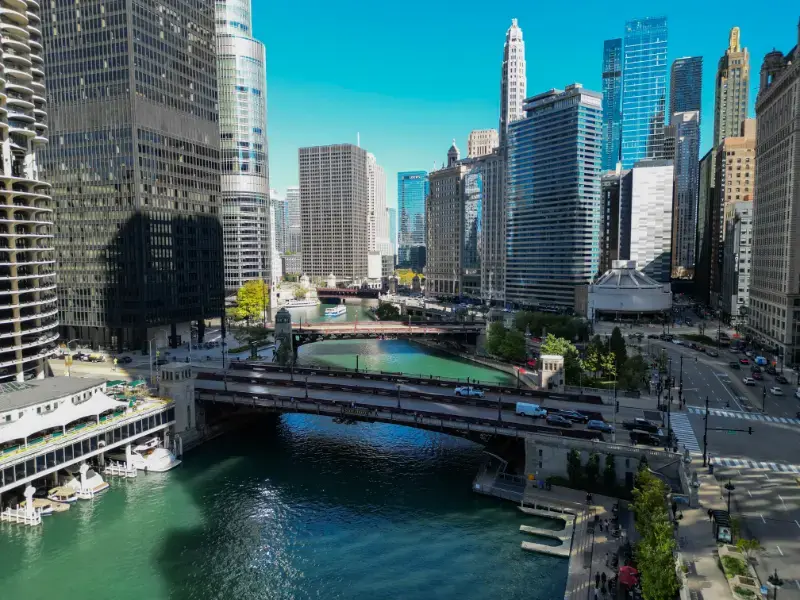
Start with the Chicago River because it provides orientation. An architecture cruise or a self-guided river walk explains the skyline in a way that makes the rest of downtown easier to understand. Continue toward Millennium Park and the lakefront rather than jumping immediately to a museum across town.
Keep the first day geographically tight. The city is large, and a list that looks compact on a map can involve train waits, bridge crossings and long indoor visits. One major reservation plus flexible public spaces is a better arrival-day formula.
Architecture is not a single attraction
Chicago’s architectural story is visible from the river, the streets, elevated trains and historic interiors. A boat tour is the strongest introduction, but it becomes more meaningful when followed by walking through the Loop and noticing how older towers, modern glass buildings and public spaces fit together.
If architecture is a major interest, add a dedicated walking tour or the Chicago Architecture Center. If it is only one part of the trip, the river cruise plus an intentional downtown walk is enough.
Museum Campus versus the Art Institute: do not schedule both as quick stops
The Art Institute can absorb half a day if you enjoy art, while the Field Museum, Shedd Aquarium and Adler Planetarium area create another major cluster. Choose the museum that matches your interests instead of buying several tickets because they are famous.
Museum Campus also offers excellent skyline views from outside. If you are traveling with someone who does not want another indoor attraction, split the time: one person can visit a museum while the other walks the lakefront, then meet at a fixed point.
Millennium Park, Maggie Daley Park and Grant Park
These central parks are valuable because they are flexible. They can fill forty minutes between reservations or an entire afternoon of walking. Cloud Gate, gardens, lakefront connections and seasonal events make the area useful in nearly every first-time itinerary.
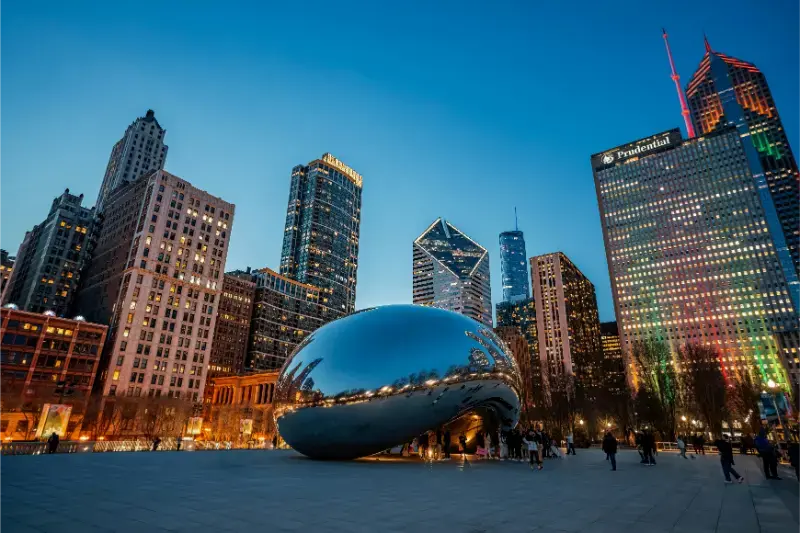
Do not schedule a paid attraction immediately after a long park walk without a buffer. Summer heat, winter wind and crowds can change your pace, and the value of the parks is being able to linger when conditions are good.
Navy Pier: useful, but not mandatory for every visitor
Navy Pier offers lake views, attractions and cruises, but it should not automatically displace a neighborhood or museum that matters more to you. It is most useful for families, lake cruises or travelers who want an easy waterfront evening.
If your time is limited, walk the Riverwalk and lakefront first. Add Navy Pier when it fits the route rather than making a special round trip solely because it is famous.
Choose one neighborhood evening at a time
Chicago becomes more memorable when you leave the central business district, but trying to sample five neighborhoods in two days creates transit fatigue. Choose an evening based on your interests: food, live music, sports, architecture or nightlife.
West Loop can work for dining, Wicker Park and Logan Square for a different nightlife feel, Lincoln Park for lakefront and neighborhood atmosphere, and Wrigleyville when a Cubs game or baseball culture is the priority. The point is not to rank neighborhoods; it is to avoid crossing the city for a single restaurant reservation.
Food planning: reserve one priority, leave room for classic casual stops
Chicago can support an entire food trip, but first-time visitors often enjoy it more when one high-priority reservation is balanced with flexible classics. Deep-dish pizza, tavern-style pizza, Italian beef and a Chicago-style hot dog are easy to fit around sightseeing without turning every meal into a
Reserve restaurants that are genuinely hard to book. For everything else, let neighborhood location and energy determine the meal. This prevents the common mistake of leaving a museum early just to travel across the city for dinner.
Getting around: transit usually beats driving in the core
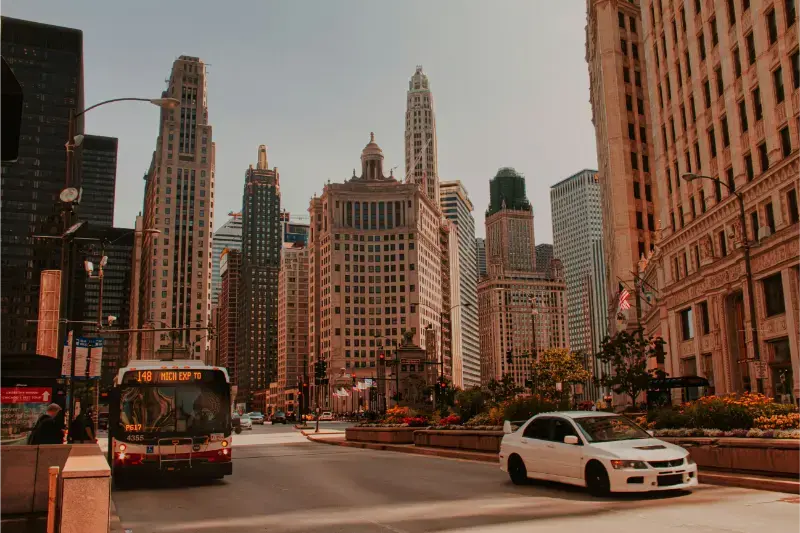
The CTA rail and bus network is the default choice for most central sightseeing. Walking is often faster for short downtown hops, while rideshares are useful late at night or when several people are traveling together with luggage.
A car becomes useful only when you are leaving Chicago for an Illinois road trip. Pick it up on departure day if possible. This avoids downtown garage fees and the stress of moving a vehicle you do not need.
Weather changes the order, not the value, of a Chicago day
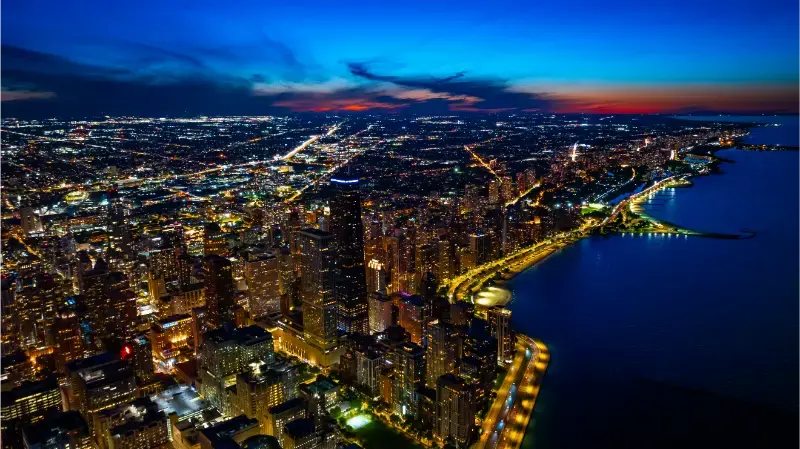
Lake Michigan influences how the city feels. Wind can make a mild forecast feel colder near the water, while summer heat and humidity can make long midday walks tiring. Carry a layer and plan indoor alternatives.
On a clear day, prioritize the lakefront, architecture cruise and outdoor viewpoints. On a wet or very cold day, move the Art Institute, major museums or indoor architecture experiences forward and save the park time for later.
How to use a fourth day
A fourth day is where Chicago stops feeling like a checklist. Use it for a neighborhood, a second major museum, a baseball game, a food-focused afternoon or a day trip only if you have already seen the city’s core.
Do not spend the fourth day driving to a distant attraction simply because you have a rental car. If your statewide road trip begins next, use the morning to finish the city, then collect the car and leave before the evening rush.
Airport arrival strategy
O’Hare connects directly to the city by CTA rail, while Midway also has rapid-transit access. For many travelers, taking transit or a taxi/rideshare to a central hotel is easier than renting a car immediately.
If your flight lands late, prioritize a simple transfer and sleep. Do not build a must-do dinner reservation on the same evening unless the schedule has a large buffer for baggage and traffic.
A realistic three-day first-visit structure
Day 1 can combine the river, Loop and Millennium Park. Day 2 can focus on the Art Institute or Museum Campus plus the lakefront. Day 3 should add a neighborhood, food interest, sports event or a second major attraction.
This structure is intentionally broad. It prevents the common mistake of using every day for downtown landmarks and leaving no time to experience the city beyond its postcard views.
Compare the total accommodation cost first, then check rental-car prices if your Illinois itinerary extends beyond a single walkable city base.
Frequently asked planning questions
How many days do I need in Chicago?
Three full days is a strong first visit. Four or five are better if you want multiple major museums, neighborhood time, sports or a slower food itinerary.
Do I need a car?
No for a central Chicago trip. Walking, CTA and occasional rideshares are usually easier. Rent a car only when you are leaving the city.
Where should I stay first time?
The Loop, River North and Streeterville are the simplest central choices. Pick based on evening plans and which attractions matter most.
What should I book first?
Reserve a high-priority architecture cruise, hard-to-get restaurant, major event and any timed attraction first. Keep parks and neighborhood walks flexible.
Is Navy Pier essential?
No. It is enjoyable for lake views, families and cruises, but it can be skipped when museums, neighborhoods or architecture matter more.
Practical decision guide
If your itinerary is already crowded, decide what Chicago Travel Guide is supposed to add to the trip. A first Chicago trip improves dramatically when you organize by geography. Group the river and Loop, the lakefront and Museum Campus, and neighborhood evenings separately. That reduces transit time and gives each part of the city enough room to feel distinct. Keep the stop when it creates a different experience, shortens a long driving day, or gives you access to something that cannot be replicated at the next destination. Cut it when it creates backtracking only to repeat the same type of museum, viewpoint, shopping district or roadside stop you already have elsewhere.
Build each day around one fixed priority and two flexible secondary stops. Reserve limited-capacity tours first, then place free or untimed attractions around them. For road-trip days, calculate from hotel door to hotel door rather than using only the headline drive time: parking, fuel, food, construction, restrooms and photo stops can easily add an hour or more.
Weather should usually change the order of the day rather than cancel the day. Put museums, visitor centers or long meals into the hottest, coldest or stormiest hours, and use the more comfortable part of the day for walking, overlooks and outdoor stops. This is especially useful in Illinois, where conditions can change quickly between the Lake Michigan shoreline, central prairie and southern hills.
Families and multigenerational groups generally have a better trip with fewer transitions. Two substantial experiences, a comfortable meal and one flexible outdoor stop often feel fuller than five rushed attractions. The same principle helps with accessibility: check parking-to-entrance distances, stairs, terrain and rest opportunities before committing to a tightly timed sequence.
Finally, protect the onward journey. Avoid using every remaining daylight hour if the next overnight requires an unfamiliar rural drive. Arriving with enough daylight to find parking, eat and settle in is part of efficient road-trip planning, not lost sightseeing time.
Final planning take
The strongest Illinois trips are selective. Reserve the experiences that truly depend on time slots, use geography to group the rest, and protect enough open time for weather, food and spontaneous stops. A trip with fewer hotel changes and better route logic usually delivers more of the state than an itinerary that tries to collect every famous name.