

Chinatown, Little Italy and the Lower East Side sit close enough to explore together, but they do not tell one simple story. A morning might take you past produce shops and bakeries, through a museum about Chinese American life, and into an apartment tour that explains a different period of immigration. Food and history belong together here, with time to notice the streets between them.
Choose one substantial indoor visit and a manageable walk. A full Tenement Museum tour, a long lunch and every interesting shop will not all fit into a brief stop between other bookings. If you have half a day, give it to this area properly. You can always return for a different meal or another museum later in the week.
Treat the three areas as neighboring places
Chinatown’s core visitor streets around Mott, Pell and Doyers are a useful starting point. Mulberry Street’s Little Italy section is nearby, while the Lower East Side extends east toward Orchard, Essex and beyond. The boundaries reflect overlapping histories and present-day communities, not neat lines separating one culture from another. Expect the street scene to change as you walk.
Plan the route around the place with the least flexible timing. If you have a museum tour at a fixed hour, find its check-in address before choosing lunch. If your main interest is shopping and food, visit while the businesses you want are open. An evening restaurant district and a daytime grocery-shopping street can offer quite different versions of the same general area.
Mott, Pell and Doyers: walk slowly and stay aware
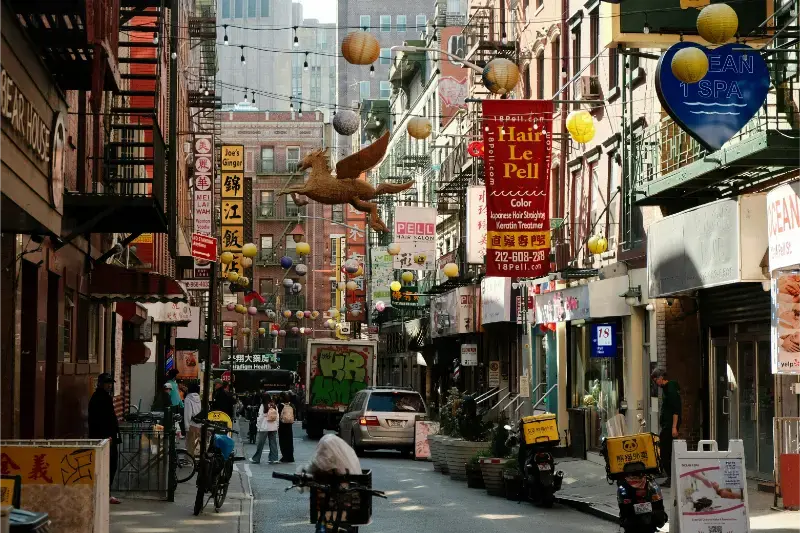
The compact streets around Doyers and Pell are often busy with people making deliveries, shopping or heading to work. Enjoy the changing signs, storefronts and food displays, and pause where you can do so without blocking a doorway. A narrow street can feel inviting for a photograph while still being a working route for everyone who uses it.
Give yourself permission to turn a corner without buying something at every stop. A bakery purchase or a shared snack can provide a pleasant break, but the neighborhood is more than a string of tasting opportunities. Ask before photographing someone closely. In shops, follow the ordering system and give staff time when they are serving regular customers alongside a line of visitors.
MOCA adds context to the walk
The Museum of Chinese in America, at 215 Centre Street, offers a focused way to learn about Chinese American experiences. Check the current exhibitions and ticket categories before arrival. An hour spent understanding a particular story can change what you notice on the surrounding streets, giving the walk a stronger thread than a list of places to eat.
The museum’s calendar, research access and admission products have separate conditions. A flexible ticket, a timed entry and an eligibility-based offer should not be treated as identical. If you specifically want archival research or a group program, contact the relevant department beforehand. For an ordinary visit, choose the exhibition that interests you and leave enough time to look without rushing toward the next meal.
Lunch in Chinatown: decide on the kind of meal
Start with the format. A bakery stop, a noodle shop, a dumpling order and a table-service meal involve different amounts of time, seating and spending. A short menu can help when you want an uncomplicated lunch; a longer sit-down meal gives a group more time to settle. Look at the current menu outside or online before joining a queue.
Chinatown contains varied regional traditions, so avoid expecting one dish or service style everywhere. Ask about an unfamiliar item and choose a manageable order. If you plan to share, check portions and whether that works with the restaurant’s arrangements. A small first order leaves room to decide what else you want, particularly if another food stop is part of the afternoon.
Food needs should be discussed directly with the business. A photograph or a familiar dish name does not establish ingredients or preparation. Let staff explain what they can provide, and make the decision before ordering. Keep a backup restaurant or meal format in mind if one place cannot accommodate your group; that is easier than trying to reshape an entire menu at a busy counter.
Little Italy: a short visit with realistic expectations
The Mulberry Street restaurant stretch can be a cheerful part of the walk, especially if you enjoy browsing menus and sitting down for a meal. It is one visible piece of a broader Italian American history, not the only place in New York connected with it. If that food heritage is a major interest, compare this outing with Arthur Avenue in the Bronx guide.
Choose a restaurant because the menu, setting and final likely bill appeal to you. There is no need to accept the first invitation made from a doorway. A daytime walk through the streets can also be enough if you already have lunch planned elsewhere. During a festival or special event, check the current dates and street arrangements; ordinary conditions should not be inferred from photographs of a crowded celebration.
The Museum at Eldridge Street is its own cultural visit
The Museum at Eldridge Street occupies a restored synagogue at 12 Eldridge Street. It provides another perspective on neighborhood history, with the building itself an important part of the experience. Check admission, opening hours and the available tour format before traveling. The visit deserves more than a hurried glance between food purchases.
This can be a good choice for someone interested in architecture or Jewish history who prefers one substantial indoor stop. If you also want MOCA and the Tenement Museum, consider spreading them across separate days or shortening the rest of the itinerary. Three institutions with different stories can be rewarding, but each needs time and attention to make its particular contribution clear.
The Tenement Museum: book the story, not just the building
At the Tenement Museum, different tours follow particular families, apartments or neighborhood themes. Read the descriptions and choose one that interests you. The experience is guided, with a specific check-in and start time. Buying a tour is not permission to wander freely through every historic apartment or to enter all museum buildings in one visit.
The published apartment and walking-tour adult price at the October 2026 check is $30, with a $3 per-ticket service fee for online or phone orders. Other experiences cost differently. Compare the final checkout for your exact tour and eligibility. Age suitability, stairs, stroller arrangements and accessibility also vary, so investigate the selected program before booking for a family.
One well-chosen tour can anchor the afternoon. Arrive with the address and ticket instructions ready, leaving time for any required check-in. Afterward, allow a short pause before moving straight into another museum. The stories concern ordinary lives and difficult decisions; having space to think about them can be more valuable than adding another immediate reservation.
Orchard Street and the Lower East Side beyond the tour
Orchard Street and surrounding blocks offer shops, food businesses and a streetscape that gives the museum’s stories a present-day setting. Choose a few blocks to explore without expecting them to remain unchanged from historic photographs. The neighborhood continues to evolve, and modern stores sit within a much longer history of housing, work and migration.

If shopping interests you, check the opening days of particular small businesses. You may find that a weekend afternoon suits a browsing plan better than an early weekday morning. Keep a comfortable place to stop in mind if part of the group is less interested in shops. A good walk allows different interests to coexist without turning the day into a compulsory retail circuit.
Essex Market: useful for a group with different appetites
Essex Market, at 88 Essex Street, brings grocery and prepared-food vendors into one indoor setting. It can be a practical lunch or snack choice when several people want different things. Check the current vendor list before promising a particular dish; market opening hours and individual business hours are not necessarily identical.
Set a rough meal budget and look around before ordering. Several small purchases can add up, especially once drinks and desserts join the plan. The market also needs to work for people doing ordinary food shopping, so keep browsing considerate around counters and circulation areas. It is a useful part of a Lower East Side visit without needing to become a separate long food crawl.
A half-day route with one main booking
For a first half-day, begin around the Chinatown streets, choose a lunch format and continue toward the Lower East Side for a preselected museum visit. If MOCA is your main interest, build the morning around its opening, then keep the later walk flexible. If the Tenement Museum is the priority, arrange the earlier stops so you reach the correct check-in without hurrying.
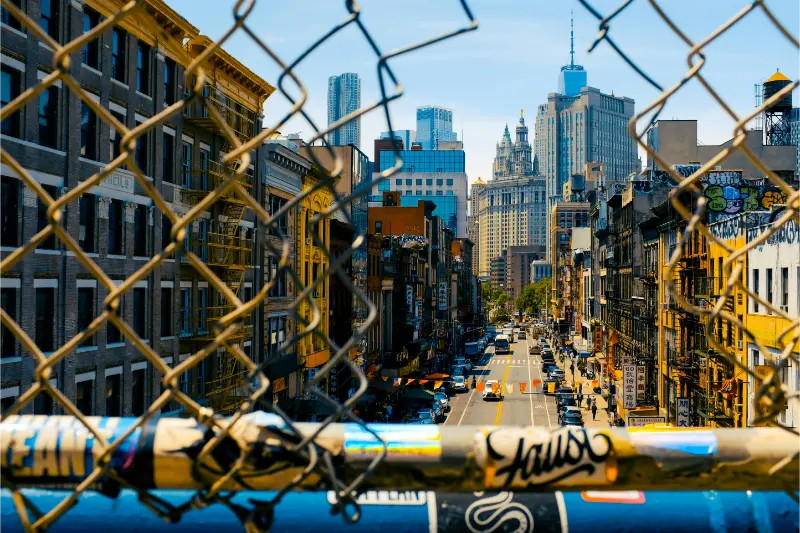
A second version could focus on Eldridge Street, a shorter Chinatown walk and a relaxed meal. Keep Little Italy as a nearby option, not an obligation that forces you to eat twice. These routes are choices for different interests; you do not need to combine them all. With children, shorten the street distance and allow a proper place to sit between indoor visits.
Arrival, evening plans and the complete cost
Different subway stations serve different edges of the area. Choose the arrival and return around your actual start and finish, using the subway guide for current payment and route-reading basics. A stop near a museum check-in may be more useful than one beside the first restaurant mentioned in an online list. Save the final address before you leave the hotel.
Budget for tickets, the full meal and transport separately. Evening bars and restaurants have their own age, booking and noise considerations, so a daytime family walk should not be assumed to describe the same experience after dark. The food-neighborhood guide can help you choose where this day belongs among the rest of the week’s meals, leaving time to enjoy the history as well as what arrives on the table.
Bring a little flexibility to the last hour. If you have eaten well and the afternoon is warm, a few blocks of window shopping may be enough. If the weather turns, an open exhibition or a seated drink can give you another way to spend time here. You do not need to buy something at every stop to appreciate how the neighborhoods change from one street to the next.
Compare the options
| Area or choice | What to plan | Practical detail |
|---|---|---|
| Chinatown | Mott, Pell and Doyers streets | Choose a meal and a short walk |
| Little Italy | Mulberry Street and layered history | A compact area within a changing city |
| Lower East Side | Orchard Street and a selected museum | Reserve the exact tour if required |
| Food | One main meal and smaller tastings | Check ingredients with the vendor |
Find your bearings
Open the map in a new tab · Orientation map only; use official maps and current notices for routes and entrances.
Frequently asked questions
Are the three neighborhoods identical experiences?
No. They overlap geographically but have different histories and present-day character.
Can I enter every Tenement Museum apartment independently?
No. Choose the particular guided experience and check its age, access and booking conditions.
Does the quoted Tenement Museum price include every fee?
The listed adult apartment and walking tours are $30, with a $3 per-ticket online or phone service fee. Other products and eligibility differ.
Plan the next part of your trip
- Best Food Neighborhoods in NYC: Where to Eat by Area
- Greenwich Village Travel Guide: History, Food, Streets & Things to Do
- Movie & TV Locations in New York City: Famous Places You Can Visit
Arrange your stay and activities
Some booking links below are affiliate links. We may earn a commission if you book through them.
Compare stays: Lower East Side ManhattanBrowse New York tours and experiences
Match the location, meeting point and cancellation terms to your itinerary before booking.
Official sources and visitor information
- Museum of Chinese in America — plan your visit
- Museum at Eldridge Street — visitor information
- Tenement Museum — tours, current prices and conditions
- Essex Market — visit and vendor hours
Last updated: October 18, 2026.