

Destinations › Pacific USA › Alaska travel guide › Fairbanks Travel Guide: Aurora, Midnight Sun & Interior Alaska
Fairbanks is not simply “the place to see the northern lights.” It is the main urban hub of Interior Alaska, a useful northern end to the rail and road corridor, and a city where season changes the entire travel experience. Summer brings extraordinary daylight; late August through spring brings the darkness needed for aurora viewing.
A good Fairbanks trip starts by choosing the season first. The same three-night stay can mean museums, river time and almost endless daylight in June, or late-night aurora watching, snow and very cold temperatures in winter. Mixing advice from those seasons produces unrealistic itineraries.
Fairbanks at a glance
| Best for | Aurora viewing, Interior culture, midnight sun and northern road/rail access |
| Aurora season used by Explore Fairbanks | August 21–April 21 |
| Midnight Sun season | April 22–August 20 |
| Ideal first stay | 3 nights; longer for dedicated aurora trips |
| Rail connection | Denali Star in summer; Aurora Winter Train on seasonal weekend service |
Plan aurora trips around darkness and clouds, not a clock
The aurora can occur at many hours, but you need dark enough skies and reasonably clear weather to see it. Explore Fairbanks defines Aurora Season as August 21 through April 21 and emphasizes that longer stays improve the chance of encountering a good night. No hotel or tour can guarantee the lights.
A three-night stay is more resilient than a single “aurora night.” Tours can provide heated waiting spaces, local forecasts and transport away from city lights, while independent travelers can use established viewing areas. In either case, sleep planning matters: do not schedule an early long drive after staying outside until 2 a.m.
Late August and early September create an unusual crossover
This shoulder period can combine some summer activities with dark nights returning. It is attractive for travelers who want fall color, open roads and aurora possibility without full winter cold. But seasonal businesses begin changing schedules, so verify tours and visitor services individually.
The tradeoff is sleep. You may have bright, active days and late aurora nights in the same trip. Leave a slow morning after your main viewing attempt.
Summer Fairbanks is about light, not aurora
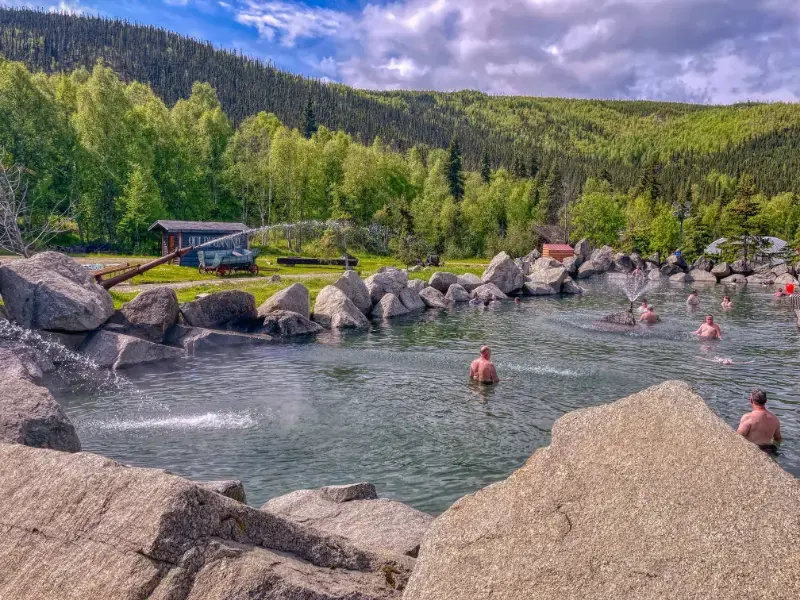
Around midsummer, long daylight changes daily rhythm. You can hike, dine or photograph late in the evening, but your body may not recognize bedtime. Blackout curtains and an eye mask are practical travel tools. Do not plan on seeing the northern lights when the sky never gets dark enough.
Use the light for river trips, museums, nearby hot springs, cultural experiences and scenic drives. Summer should be valued on its own terms rather than treated as a failed aurora season.
Start with the Morris Thompson Cultural and Visitors Center
This is one of the best orientation stops because it combines visitor information with cultural interpretation and can help travelers understand Interior Alaska before heading farther north. Pair it with the University of Alaska Museum of the North for deeper natural and cultural history.
Museum time is especially useful when weather, smoke or winter cold makes outdoor plans uncomfortable. Fairbanks rewards travelers who alternate outdoor experiences with context instead of treating the city as only a launch pad.
Use Chena Hot Springs thoughtfully
Chena Hot Springs is a common excursion from Fairbanks and can work in both summer and winter, but it is not next door. Check road conditions, transfer options, age rules and current facility policies before treating it as an easy evening activity. In winter, a long drive after midnight aurora viewing deserves serious consideration.
If you do not want to drive on snow and ice, a transfer or tour may be better value than a rental car. Comfort and safety matter more than proving independence.
Arctic Circle trips are longer than they look
The Arctic Circle is roughly 196 road miles north of Fairbanks. A day trip on the Dalton Highway is a commitment, not a quick photo stop. Road conditions, trucks, limited services and rental restrictions matter. Many standard rental agreements do not allow the Dalton.
A guided tour can remove vehicle-policy problems and let the traveler focus on the landscape. If the Arctic Circle is a major personal goal, dedicate a full day and do not place a late aurora tour immediately before or after it.
Winter cold changes ordinary travel decisions
Fairbanks winter can be severely cold. Batteries drain faster, exposed skin can be injured quickly and a short roadside problem becomes more serious. Rent a properly winterized vehicle if driving, carry emergency clothing and understand block-heater procedures where relevant.
Do not compare winter driving here with a snowy weekend in a temperate city. Local advice, current forecasts and conservative decisions are part of responsible travel.
A realistic three-night Fairbanks stay
Night one: settle in, check cloud and aurora forecasts, and decide whether to attempt viewing. Day two: Morris Thompson Center, Museum of the North and a relaxed evening. Day three: Chena Hot Springs, winter activity, river experience or another seasonal excursion, preserving the night for a second aurora attempt when conditions favor it.
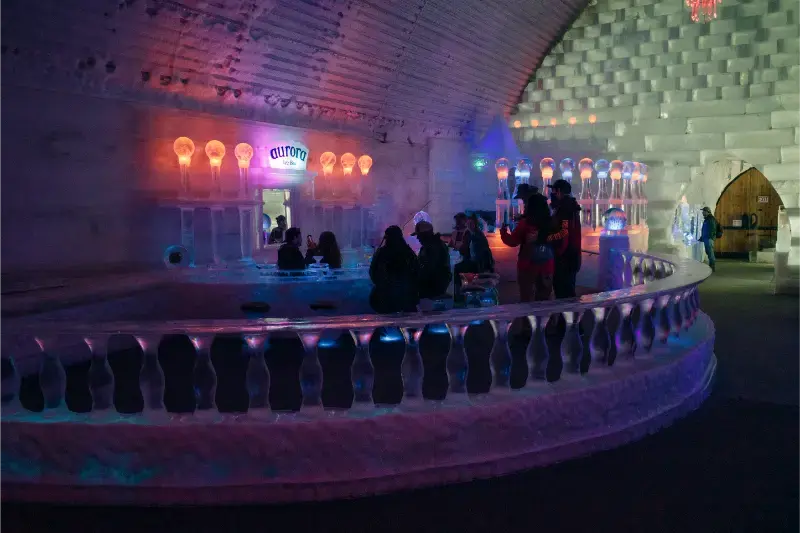
If traveling onward by train or long road transfer, keep the final night conservative. The goal is to leave Fairbanks rested, not to maximize the number of hours awake.
Continue planning Alaska
- Denali National Park Guide
- Anchorage Travel Guide
- Best Time to Visit Alaska
- Alaska Road Trip Itinerary
- Alaska Travel Guide
Where to stay and how to compare accommodation
Compare available accommodation for your dates, budget and preferred location before you finalize your route.
Affiliate disclosure: we may earn a commission from qualifying bookings at no extra cost to you. Compare Downtown Fairbanks hotels, Fairbanks accommodation and Chena-area stays. In Alaska, the cheapest headline rate can be poor value if it adds long transfers, forces an extra rental-car day or makes an early boat or park departure stressful. Check cancellation terms, parking, breakfast, luggage policies and the exact location before booking.
Useful official resources
Sleep is part of aurora planning
The aurora rewards patience, but an exhausted driver is a real hazard. Rotate driving, use tours when appropriate and schedule late mornings after major viewing attempts. A four-night aurora trip with rest can outperform a three-night trip that tries to stay awake every hour of darkness.
Aurora planning is a sleep-management problem
Fairbanks gives aurora travelers a realistic chance to see dark skies in season, but the practical challenge is staying functional after late nights. Do not schedule an early drive or a demanding excursion every morning after an aurora attempt. Build at least one slow morning into a multi-night stay and choose lodging where you can rest during the day. Cloud cover and solar activity can defeat even a perfectly planned night, which is why several nights are more valuable than one expensive outing. The best aurora itinerary manages fatigue as carefully as it manages forecasts.
Summer Fairbanks is a different destination
In June and July, the city is defined by long daylight rather than northern lights. Use the extra light for river walks, museums, gardens and road trips, but create artificial darkness in your room if you are sensitive to light. Blackout curtains and an eye mask can matter more than visitors expect. The absence of aurora does not make summer a compromise; warm weather, active wildlife, long operating hours and easier driving create a completely different version of Interior Alaska.
Do not underestimate Interior distances
Fairbanks looks like a compact base on a statewide map, yet day trips can involve long stretches of highway with limited services. Fuel before leaving town, check road conditions and understand rental-car restrictions before considering gravel routes. Chena Hot Springs is a manageable excursion; the Arctic Circle is a much larger commitment and should not be treated as a casual add-on. Build the itinerary around realistic driving rather than the desire to collect distant place names.
Use museums to understand Interior Alaska
The University of Alaska Museum of the North and local cultural resources help explain why Interior Alaska feels different from the coast. Natural history, art, Indigenous cultures and northern research give context to landscapes that can otherwise seem like a backdrop between aurora outings. Put at least one cultural stop into a Fairbanks stay, especially in winter when daylight is limited. It creates a fuller trip than alternating only between hot springs and late-night sky watching.
Winter driving deserves a separate decision
A winter trip to Fairbanks should not automatically include the same self-drive plan used in July. Snow, ice, extreme cold and limited daylight can change the risk profile quickly. Visitors without winter-driving experience may be better served by transfers or guided excursions. If you rent a car, ask what winter equipment is provided, keep the fuel level healthy and carry clothing that would keep you warm if the vehicle were delayed or disabled.