

Maine begins to feel different when the highway gives way to a road that follows a tidal river. Houses draw back behind spruce trees, lobster buoys appear beside a shed, and the view opens suddenly onto water. Then the road turns inland again. That rhythm is part of the pleasure of traveling here: the coast reveals itself in pieces, while lakes, forests and mountain towns offer a quieter journey beyond it.
A first trip does not need to cover every celebrated harbor. This Maine travel guide will help you shape a route around the experiences you actually want, whether that means a long beach morning, dinner in Portland, granite trails in Acadia or several days beside an inland lake. The strongest itineraries leave enough room for those places to become more than stops on a map.
Understand the shape of the state
Southern Maine is the easiest introduction for travelers coming from Boston. Ogunquit and the Kennebunks bring together sandy beaches, compact village centers and coastal lodging. Farther north, Portland adds restaurants, museums and ferry connections across Casco Bay. Freeport works as a separate outing or an overnight pause on the way toward the Midcoast. These places can sit within one trip, although moving between them every day soon becomes tiresome in summer traffic.
The Midcoast has a different texture. Roads branch down long peninsulas toward fishing villages and lighthouse headlands. Rockland and Camden make useful centers, with art, harbor walks and access to Penobscot Bay. Boothbay Harbor belongs to another peninsula, rather than a continuous waterfront road connecting all three towns. A modest distance on the map can conceal an inland drive followed by another long approach to the sea.
Down East, Mount Desert Island contains much of Acadia National Park and the town of Bar Harbor. It deserves its own stay. The Maine Highlands and western lakes form another journey altogether: wooded shorelines, paddling, mountain roads and towns such as Greenville, Rangeley and Bethel. A coast-only itinerary gives a real taste of Maine, but it does not represent the whole state.
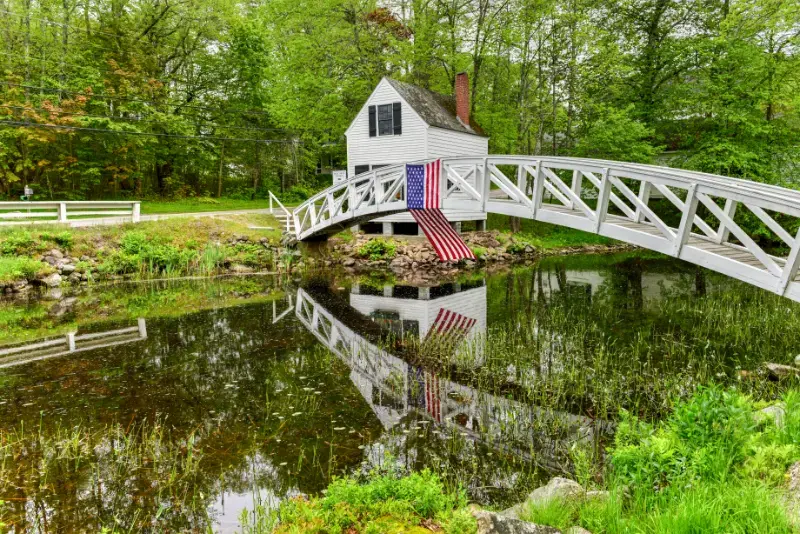
Pick a season for the days you imagine
July and August suit a trip built around beach time, boat excursions and the broadest choice of seasonal services. Coastal towns feel lively, evenings stretch pleasantly, and a simple seafood meal outdoors can become the center of the day. This is also when popular lodging and beach parking are under the greatest pressure. Book the nights that matter first, especially if you need a particular room arrangement or want to stay within walking distance of dinner.
June has a softer beginning. Gardens and coastal trails become inviting, but cold water, rain and fog remain part of the picture. September often suits travelers who want walking, food and harbor scenery more than daily swimming. Early autumn can be beautiful inland as well, though leaf color follows elevation, latitude and the weather. A fixed foliage date cannot guarantee the same result across the state.
October brings shorter days and a gradual thinning of coastal services. A harbor can be lovely when the streets are quieter, yet the boat trip or restaurant you had in mind may already have finished its season. Winter has its own appeal in Portland and the mountains. It calls for a deliberately different itinerary, with snowy recreation, weather-ready transport and fewer assumptions about island excursions or seaside businesses.
Portland makes a generous first base
There is an easy way into Maine through Portland: arrive, put the bags down, and walk toward the Old Port. Brick buildings, uneven paving and a working waterfront give the city a strong sense of place without requiring a packed schedule. Commercial Street is a useful starting line, but the most rewarding hours often unfold a block or two away, between a bakery, a bookstore and a table you are glad you reserved.
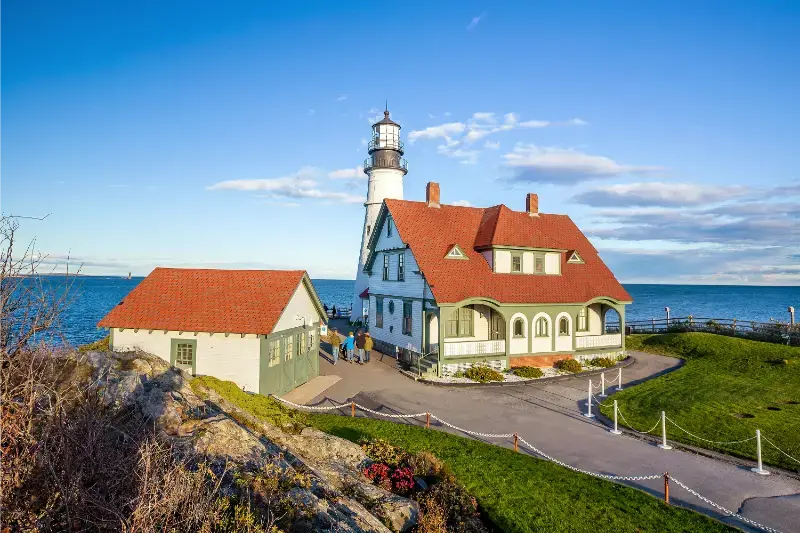
Allow two nights if food and city wandering interest you. That gives you an evening after arrival and a full day for the waterfront, the Arts District or a ferry outing. Portland Head Light is in Cape Elizabeth, outside the city center, so give that excursion its own transport plan. It fits naturally with time at Fort Williams Park rather than being squeezed between two timed appointments downtown.
Travelers without a car can enjoy a city stay, especially with a central hotel. The Downeaster serves Portland, Freeport and Brunswick from Boston North Station, but Portland’s station is at the Transportation Center, away from the Old Port. Include that final connection. For a wider road trip, collecting a rental car as you leave Portland can reduce the cost and inconvenience of keeping it downtown. Our Portland guide goes into the neighborhoods and day-to-day choices.
Give the Midcoast time to unfold
Between Portland and Acadia, the Midcoast is more than a convenient overnight break. Rockland’s museums and working harbor invite a different sort of attention from Camden’s closely framed waterfront and wooded hills. Staying two nights in one of them allows a full local day, with space for an exhibition, a harbor lunch and an outing that follows the weather.
Rockland is particularly rewarding for art lovers. Camden suits travelers who picture schooners, village browsing and a view down over the harbor from Mount Battie. They are close enough to share a regional stay, but each has its own center. Choosing accommodation near the evening streets you prefer makes more difference than shaving a few minutes from the next day’s drive.
A peninsula excursion can fill the remaining day. Pemaquid Point, Boothbay Harbor or the Coastal Maine Botanical Gardens each deserves more than a rushed detour. Select one direction and let lunch, small roads and shoreline pauses form the rest of the outing. Trying to collect every lighthouse and harbor usually produces a long day behind the wheel with surprisingly little time beside the water.
Acadia deserves several mornings
The island landscape around Acadia changes with light and weather. A still pond, a granite headland and an exposed summit can feel like three separate destinations, even when they lie within the same park. Three nights around Mount Desert Island give you two full days and some flexibility. Four nights make room for a slower shore, a boat excursion or a day when rain changes the plan.

Bar Harbor is the most convenient base for a lively selection of restaurants and shops on foot. Other island communities offer a quieter evening, while lodging near the island approach can work for travelers who prioritize room space or parking. Those savings come with additional drives. Think about how often you want to return to your room, rather than judging a property only by the distance to one park entrance.
Budget carefully for park admission. In 2026 the standard private-vehicle entrance fee is $35 for seven days, and non-U.S. residents age 16 or older also face a $100 per-person supplement unless covered by a qualifying pass. A separate Cadillac Summit Road reservation costs $6 during its reservation season. These are different charges. The Acadia planning guide explains them, including the nonresident annual pass and the distinction between sightseeing roads and hiking routes.
Choose one inland direction
An inland stay changes the balance of a Maine journey. Around Moosehead Lake and Greenville, the scale becomes broader: water, wooded slopes, boat launches and long stretches without a busy village. The attraction is spending time in that setting, perhaps with a guided wildlife outing or a paddle suited to your experience. Moose sightings are possible, never something a tour or an early alarm can guarantee.
The Rangeley Lakes offer another combination of water, overlooks and mountain roads. Bethel works well for a western Maine trip with village lodging and access toward the White Mountains region. These areas can each support several nights. They are poor additions to an already crowded coastal week if the plan depends on arriving late, sleeping once and departing before breakfast.
Baxter State Park requires more deliberate preparation. A visit involving Katahdin is a mountain undertaking with its own access, reservation and hiking considerations, not an interchangeable day trip from the coast. Use the Baxter and Katahdin guide early in the planning process. For a gentler lake holiday, a cottage or beach-oriented stay around Sebago may fit the group much better.
A coastal week that leaves room to travel
For seven nights, a satisfying first route is two in Portland, two around Rockland or Camden, and three on Mount Desert Island. Arrive in Portland with only a walk and dinner planned. Use the following day for a city interest and a lighthouse or island outing. On the third day, travel north with one chosen stop, perhaps Freeport or a peninsula destination, rather than a list of errands spread across the coast.
Spend the full Midcoast day close to your base. On the transfer to Acadia, resist treating the drive as the final chance to see everything between the two regions. Arriving with time for a quiet harbor walk gives the island stay a better beginning. Then divide the park days between shoreline experiences and a hike or scenic drive appropriate to the group.
With ten or eleven nights, you can add the southern beaches at the beginning or several inland nights at the end. Those produce quite different trips. Families wanting repeated sand-and-water days may prefer Ogunquit or the Kennebunks; walkers and paddlers may choose the lakes. An extra night in a place you already like is also a worthwhile use of time. It buys a second chance at good weather and the pleasure of recognizing a street.
Food, lodging and the small costs that matter
Maine seafood ranges from a paper-lined basket at a harbor shack to an ambitious restaurant tasting menu. Lobster prices and serving sizes vary, so read whether a meal includes a whole lobster, a roll, sides or simply the main item. Clam chowder, haddock, local produce and baked goods offer plenty of variety when you do not want another lobster meal. A picnic can be particularly welcome after several restaurant days, provided you use a public place and take everything away.
Room prices tell only part of the lodging story. Compare parking, taxes, breakfast and cancellation terms, then consider the location. A walkable room can save repeated parking searches; a self-catering property can make a longer family stay more comfortable. Coastal rentals may have minimum stays or specific changeover days, so they are worth checking before you fix the entire route around a nightly hotel pattern.
Finally, carry a little flexibility in both the budget and the day. Ferry tickets, guided activities and parking add up, but so do small pleasures that cost little: a public harbor bench, a stretch of sand after breakfast, a path through spruce woods. Maine is especially rewarding when you have enough time to stop looking for the next attraction and notice where you are.
Compare the options
| Experience or choice | What it offers | Planning detail |
|---|---|---|
| Seven nights | Portland 2 + Midcoast 2 + Acadia 3 | Two full island days |
| Beach extension | Ogunquit or the Kennebunks | Add nights rather than daily transfers |
| Inland extension | Choose one lake or mountain region | Allow a distinct regional stay |
| Season | Match activities and operating calendars | Summer and autumn give different trips |
Find your bearings
Open the map in a new tab · Orientation map; use the official local map for trail access and closures.
Build your Maine trip budget
Enter your own complete quotes in U.S. dollars. The room figure is for the whole group per night. Include taxes and mandatory fees, and count shared costs once.
Formula: (nights × group room cost) + (days × travelers × daily food) + total activities + total transport and other costs. This estimate uses only your entries.
Frequently asked questions
How many nights work for a first coastal Maine trip?
Seven nights can support Portland, a Midcoast base and Mount Desert Island. A shorter trip is better focused on fewer regions.
Is Route 1 a continuous ocean-view road?
No. Many harbors and headlands require separate peninsula drives. Choose detours deliberately.
Does the $35 Acadia vehicle pass cover every international visitor cost?
No. The 2026 nonresident supplement can apply to visitors age 16 and older unless a qualifying pass covers them. Cadillac reservations are separate.
Plan the next part of your trip
- Portland Maine Travel Guide: Old Port, Food, Lighthouses and Where to Stay
- Acadia National Park Guide: Reservations, Trails, Scenic Drives and Families
- Camden Maine Travel Guide: Harbor, Mount Battie and Midcoast Weekends
Arrange your stay and activities
Some booking links below are affiliate links. We may earn a commission if you book through them.
Compare stays: Maine USABrowse tours and experiencesCompare rental cars
Match the location, meeting point and cancellation terms to your itinerary before booking.
Official sources and visitor information
- Maine Office of Tourism: regions and planning
- Amtrak Downeaster stations and onward connections
- Acadia entrance fees, annual passes and reservations
- NPS 2026 nonresident fees and annual-pass coverage
- Cadillac Summit Road: 2026 vehicle reservations
Last updated: October 17, 2026.