

Mendocino is one of the places that proves California’s coast changes personality as you travel north. The beaches become wilder, redwoods press closer to the ocean, small towns replace major resort centers, and fog is part of the atmosphere rather than an inconvenience to be edited out of the experience.
The village of Mendocino is only one part of the trip. Fort Bragg, Russian Gulch, Van Damme, coastal headlands, redwood forests, Anderson Valley wine country and the long drive along Highway 1 all compete for time. For a first visit, three nights is a strong minimum; four nights is better if you want hiking and a slower coastal rhythm.
Compare available accommodation for your dates, budget and preferred location before you finalize your route.
Mendocino at a glance
| Question | Best answer |
|---|---|
| How long? | 3 nights minimum; 4–5 for redwoods, coast and Anderson Valley. |
| Best base? | Mendocino village for charm/walkability; Fort Bragg for services and more lodging choice. |
| Car needed? | Yes for the broader county and state parks. |
| Best season? | Year-round; summer is popular, fall can be beautiful, winter is dramatic and rainy, spring is green. |
| Main appeal? | Wild coast, redwoods, small towns, state parks, food/wine and a slower pace. |
Mendocino village: start slowly
Mendocino village is compact, historic and made for walking. Victorian-era buildings, inns, galleries and coastal headlands sit close together, so the best first afternoon is often the least ambitious: park the car, walk the town, then continue onto the bluff trails as the light changes.
Do not use the village as a five-minute photo stop on a marathon Highway 1 drive. Its value is atmosphere. One relaxed meal and a headlands walk explain the destination better than rushing through ten viewpoints farther north.
Mendocino Headlands State Park
The headlands wrap around the village with trails overlooking cliffs, coves and sea stacks. Routes are generally more about coastal walking than strenuous hiking, but exposed edges, wind and wet surfaces require attention. Fog can reduce visibility quickly; sunny gaps can be spectacular.
Russian Gulch State Park
Russian Gulch adds forest, canyon and coast to a Mendocino stay. Depending on current trail conditions, visitors can combine waterfall-oriented hiking with dramatic headland scenery. State-park closures and trail repairs can change after storms, so verify California State Parks alerts before selecting a specific route.
Van Damme State Park and the redwood side of the coast
Van Damme is useful for travelers who want to connect the shoreline with forest. The park is known for fern-filled redwood habitat inland and ocean access near Little River. A morning forest walk followed by an afternoon headlands/coast day creates the contrast that makes Mendocino special.
Fort Bragg: services, harbor and coastal access
Fort Bragg is larger and more practical than Mendocino village. It has more everyday services, a working harbor, lodging, restaurants and access to the coastal trail. Glass Beach is the famous name, but it should not be the entire reason for visiting. The wider coastal trail and headland scenery are often more rewarding than hunting for a single patch of sea glass.
Skunk Train: attraction or essential?
The historic rail experience around Fort Bragg is popular with families and visitors looking for a non-hiking activity. Treat it as an optional experience rather than a required Mendocino sight. Schedules, routes and products can change, so check the operator directly before building a day around it.
Anderson Valley: wine country on the way
Travelers arriving from San Francisco can route through Anderson Valley, where vineyards, small towns and redwood corridors create a completely different lead-in to the coast. Boonville is a useful lunch or tasting stop. If both adults plan to taste, designate a driver or keep the tasting portion modest before the winding road to the ocean.
Best beaches and coastal stops
- Big River: estuary scenery and an easy place to combine river/coast walking.
- Caspar / Point Cabrillo area: lighthouse and headland scenery between Mendocino and Fort Bragg.
- MacKerricher State Park: beaches, coastal habitat and access north of Fort Bragg.
- Westport coast: increasingly wild scenery as Highway 1 continues north.
Northern California beaches are primarily for walking, wildlife and scenery. Water is cold, surf can be powerful and sneaker waves are a serious hazard. Do not turn your back on the ocean near exposed shorelines.
Where to stay: Mendocino vs Fort Bragg
| Base | Best for | Trade-off |
|---|---|---|
| Mendocino village | Romantic stay, walkability, atmosphere | Often pricier; fewer everyday services |
| Fort Bragg | Families, services, broader lodging choice | Less postcard-perfect than Mendocino village |
| Little River | Quiet inns, coast + Van Damme access | Car needed for most dining/activities |
| Anderson Valley | Wine-country add-on | Not on the ocean |
Compare accommodation: compare hotels and other stays on Booking.com.
A strong 3-day Mendocino itinerary
| Day | Plan |
|---|---|
| 1 | Arrive via Anderson Valley or Highway 1; Mendocino village + Headlands sunset. |
| 2 | Russian Gulch or Van Damme forest hike; Point Cabrillo/coastal afternoon. |
| 3 | Fort Bragg coastal trail, MacKerricher/harbor; slow dinner before departure or extra night. |
Driving to Mendocino
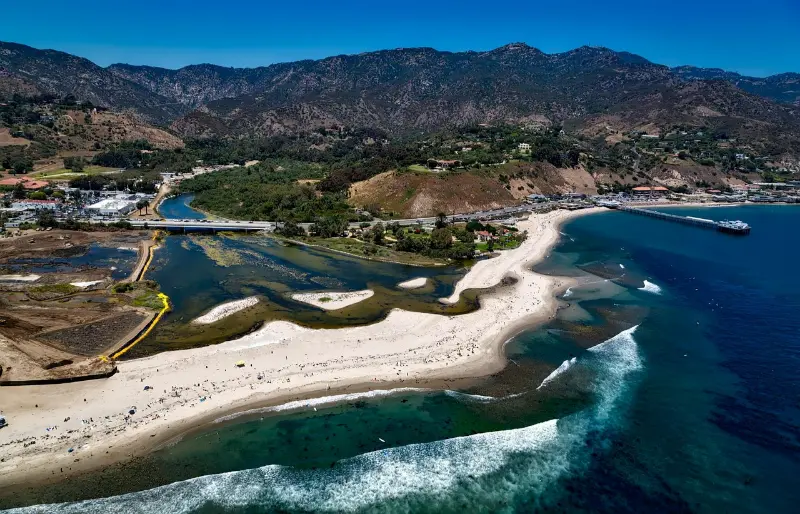
From San Francisco, the fastest practical route often uses Highway 101 north before turning west toward the coast. Highway 1 all the way is far slower and much more winding. The official Visit Mendocino County organization describes the county as roughly two hours north of San Francisco in broad destination terms, but actual travel time to the village is commonly longer depending on route, traffic and stops.
Do not schedule a late-evening arrival after a full wine-tasting day. The final roads are curving, deer can be active and fog/rain can reduce visibility.
Mendocino with kids
Children usually respond best to tide pools, short redwood walks, beaches, the rail experience and harbor wildlife rather than long scenic drives. Keep one outdoor activity flexible because coastal weather can change quickly. Fort Bragg may be the easier family base because services and room options are broader.
How Mendocino fits into a Northern California road trip
Mendocino can be a destination from San Francisco or a stepping stone toward the Redwood National and State Parks. Continuing north is beautiful but slow, and a map can hide how demanding Highway 1 becomes. If Redwood is your next major stop, allow a full transfer day or break the route farther north.
For more coastal ideas, see our best beaches in California and Sonoma County travel guide.
Official resources
- Visit Mendocino County — official destination planning and itineraries.
- California State Parks — current park, trail and facility notices.
Food, wine and local character
Mendocino County’s food identity is closely tied to the coast, farms, wineries and small producers. Seafood, local wine and seasonal menus are worth building into the trip, but opening days can be limited in small communities. In quieter seasons, check restaurant schedules before assuming every option is open nightly.
Anderson Valley is especially useful for travelers who want wine country without the scale and polish of Napa. It can be included on the arrival or departure day, but keep the tasting modest before the winding drive toward Highway 1.
A practical planning checklist
- Check official road, weather and operating conditions again 48–72 hours before travel.
- Keep at least one flexible block in the itinerary for traffic, weather or an attraction closure.
- Download offline maps and reservation confirmations before entering low-signal areas.
- Avoid stacking a long transfer, a timed attraction and a late hotel check-in on the same day.
- Recheck parking rules and opening hours on the morning of high-demand activities.
California trips work best when the itinerary distinguishes fixed reservations from flexible sightseeing. Reserve the experiences that truly need a time slot, then leave enough unscheduled space to adapt. That approach is especially valuable on coastal, mountain and desert routes where conditions can change faster than the travel plan.
Whale watching and wildlife
The Mendocino coast is a strong place to watch for migrating gray whales in season, and harbor areas can provide seals, sea lions and birdlife. Wildlife viewing is best approached as a bonus rather than a guaranteed appointment. Bring binoculars and scan from headlands instead of crowding animals at close range.
Seasonal migrations and ocean conditions vary, and boat trips can be weather-sensitive. If marine wildlife is a priority, keep the schedule flexible enough to move an outing between days.
Weather: fog is part of the trip
Summer is not automatically warm and clear on the Mendocino coast. Fog, wind and cool evenings are common, while inland valleys can be much warmer on the same day. Pack layers even in July or August and do not let a gray morning convince you that the entire day is lost.
Winter storms create dramatic seas but can also bring road issues and trail closures. A winter Mendocino trip should emphasize cozy lodging, food and headland viewpoints with outdoor plans adjusted to conditions.
How to make this stop fit a larger California itinerary
The most successful California itineraries are built around geographic clusters rather than a list of famous names. Keep nearby experiences together, allow a realistic transfer day when moving between regions and avoid reserving every hour. A flexible afternoon can absorb traffic, weather, road closures or simply the desire to stay longer somewhere that exceeds expectations.
Before departure, review the California state hub and the linked regional guides to make sure the stop sits naturally between the destinations before and after it. If adding this article’s destination creates a long out-and-back detour, it may belong on a future trip rather than the current one.