

Missouri is one of the most rewarding states for a Route 66 road trip because the historic road crosses major cities, Ozark landscapes, small towns and a dense concentration of classic roadside businesses. It is also easy to underestimate. A modern interstate run across the state can be quick; following old alignments, stopping for museums and detouring to roadside landmarks turns the same distance into a multi-day trip.
The planning question is therefore not ‘Can I drive Missouri Route 66 in a day?’ but ‘How much of the historic road do I want to experience?’ Visit Missouri currently promotes roughly 317 miles of Route 66 travel across the state. For a meaningful first trip, three days is a better minimum than one, and four or five days allows the road itself—not the interstate—to become the experience.
- Time to allow: 3 days minimum; 4–5 days for a genuine road-trip pace
- Best direction: Either works; east-to-west from St. Louis feels natural for a wider cross-country Route 66 trip
- Car: Essential
- Best fit: road-trip history, neon, diners, vintage motels, photography and Americana
- Biggest planning mistake: using I-44 for most of the day and assuming brief exits count as driving Route 66
Why this destination deserves space in a Missouri itinerary
Missouri’s section links St. Louis, the Meramec corridor, Cuba, Rolla, Lebanon, Springfield, Carthage and Joplin. That variety makes the route stronger than a string of novelty stops. You can combine industrial and urban history with Ozark scenery, caves, motels and preserved commercial architecture.
Springfield also has an important place in the highway’s naming story, which adds historical weight to a route that is often marketed mainly through nostalgia. The best itinerary mixes serious context with fun roadside stops rather than choosing one or the other.
What to do — and how to plan it better than a checklist
St. Louis to Cuba: do not leave the city too late
St. Louis can consume a full day on its own, so decide whether the Route 66 trip starts after a city stay or whether you are willing to sacrifice major city attractions. Once west of the metro, classic roadside businesses and old alignments begin to appear, but traffic can make a late departure feel rushed.
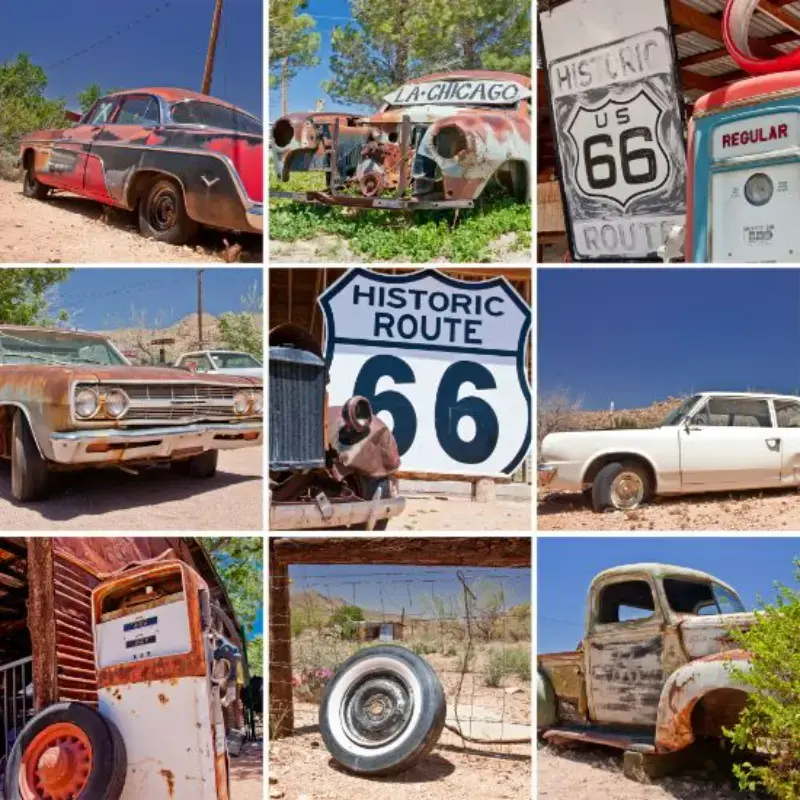
Cuba is a useful first-night target for a slow trip because it breaks the state into manageable pieces and offers Route 66 identity without requiring a long push after St. Louis.
Cuba, Rolla and the Meramec corridor: choose one major detour
This central-eastern section is where travelers often overbook caves, parks and Route 66 museums. Meramec Caverns can take several hours once you include the tour and meal; state parks demand even more time. Choose one substantial non-road attraction and let the rest of the day remain about the highway.
If your priority is classic Route 66, preserve time for old road segments and towns. If geology is a major interest, accept that the road-trip mileage for the day will be shorter.
Lebanon to Springfield: give Springfield a real stop
Springfield deserves more than a fuel break. The city is tied to the Route 66 naming story and has enough museums, roadside history and food to justify an overnight. It is also a practical point to reset laundry, supplies and lodging on a longer cross-country journey.
Travelers who arrive after dark should resist squeezing in every neon sign. Photographing vintage roadside architecture is more rewarding when you have time to return in daylight and understand what you are seeing.
Carthage to Joplin: finish without racing the state line
The western section has small-town architecture, drive-ins and classic road-trip texture. Joplin makes a logical final Missouri base before continuing into Kansas and Oklahoma.
Do not treat the state line as the finish line. If the day is already overloaded, an overnight in Joplin is better than arriving exhausted and starting the next state with no flexibility.
How much time you really need
- 1 day: A transfer with selected Route 66 stops, not a true exploration.
- 2 days: Enough for highlights if St. Louis and Springfield are already separate stays.
- 3 days: Practical minimum for a first dedicated Missouri Route 66 trip.
- 4–5 days: Best for museums, old alignments, roadside businesses and one major cave or park.
The useful distinction is between attraction time and the amount of the day the stop actually consumes. Parking, meals, check-in, trail conditions, waiting and driving between dispersed sights can add far more time than a simple map estimate. Protect the experience you would regret missing and keep secondary stops optional.
A realistic three-day Missouri Route 66 plan
Day one works best as St. Louis to the Cuba/Rolla corridor, with city sightseeing completed before the Route 66 portion officially begins. Day two can move through Rolla, Lebanon and Springfield with one major attraction and several roadside stops. Day three continues through Carthage to Joplin, leaving enough time to arrive before dinner rather than after dark.
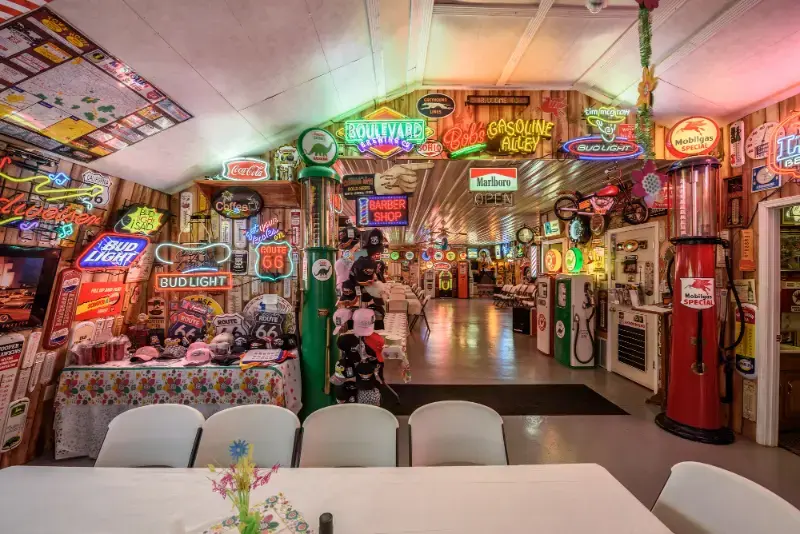
If you have a fourth day, use it to slow one of the central sections rather than adding a distant detour. A cave, state park or deeper Springfield visit is more valuable than extending the route merely to increase mileage. The extra day should reduce pressure, not create another checklist.
If you are short on time: what is actually worth keeping
If you only have two days, protect three anchors: a deliberate St. Louis departure, a substantial Springfield stop and one carefully chosen classic roadside cluster such as Cuba/Rolla or Carthage/Joplin. Do not waste limited time trying to photograph every surviving sign. The road is more memorable when you spend time in a few places rather than constantly braking for another pin.
Bad-weather, closure or crowd backup plan
Heavy rain reduces the pleasure of old road alignments and exterior photography. Use museums, caves and longer meals as weather buffers, then move scenic segments to clearer hours. Severe storms are a real Midwest consideration, so do not force a rigid mileage target when conditions deteriorate.
Where to stay and how to choose the right base
Compare available accommodation for your dates, budget and preferred location before you finalize your route.
For a 3-day route, one practical pattern is St. Louis → central corridor overnight → Springfield → Joplin. For a 4–5 day trip, add a small-town night such as Cuba or Lebanon and give Springfield a full evening. Vintage motels can be part of the experience, but read current reviews and check amenities rather than booking purely for nostalgia.
Best time to visit
Late spring and fall generally offer the most comfortable driving-and-walking weather. Summer gives long daylight but can be hot and humid. The 2026 centennial has increased attention on Route 66, so special events and popular lodging can create unusual demand. Check local calendars instead of relying on normal-season assumptions.
Treat opening hours, prices, water access, cave schedules, trail conditions and seasonal services as live information. Use this guide to choose the shape of the trip, then verify operational details on official websites shortly before departure.
What to book ahead — and what can stay flexible
Reserve distinctive motels and major event weekends first. Most roadside photo stops need no booking, which is why the itinerary should keep them flexible. If a cave tour, show or timed museum is essential, anchor that reservation and build the day around it rather than stacking several fixed times.
A useful rule for Missouri road trips is to reserve the hardest-to-replace experience and leave the easiest-to-replace stop flexible. This gives you room to react to weather, road conditions, fatigue and unexpectedly good places that deserve more time.
Which Route 66 stops are actually worth a detour?
Prioritize places that either preserve a meaningful piece of road history or create an experience you cannot get from a quick roadside photo. A preserved motel court, a strong local museum, a historic road segment, a classic restaurant and one major natural attraction will tell the story better than twenty unrelated signs. When two stops offer nearly the same nostalgia, choose the one that fits your route and opening hours.
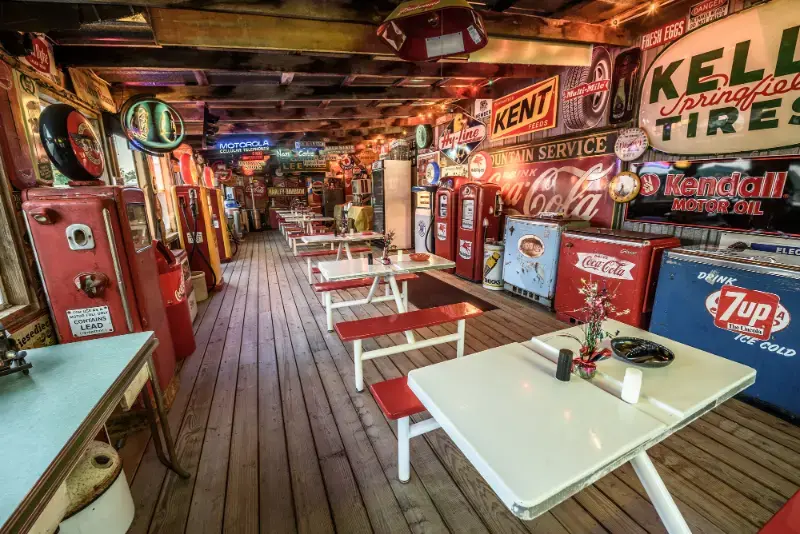
This is also the right place to be selective about famous photo stops. A site can be iconic and still not deserve a 45-minute detour if you only have two days. Route 66 is a travel experience, not a scavenger hunt, and a strong itinerary leaves room for the road between the landmarks.
Common mistakes to avoid
- Confusing I-44 with the Route 66 experience.
- Planning interstate mileage instead of historic-road time.
- Trying to combine a full St. Louis sightseeing day with a long Route 66 drive.
- Collecting roadside photos without allowing time for museums, meals and local history.
How to combine this stop with the rest of Missouri
A Missouri Route 66 trip naturally links the St. Louis and Springfield guides already on the site. It can also absorb Meramec Caverns as a major stop. If you are continuing west, Joplin positions you for the short Kansas section and then Oklahoma; if Missouri is the whole trip, loop north from Joplin toward Kansas City instead of retracing the same road.
- Missouri Travel Guide
- St. Louis Missouri Travel Guide
- Springfield Missouri Travel Guide
- Midwest Travel Guide
Official resources to check before you go
Frequently asked questions
How many miles of Route 66 are in Missouri?
Visit Missouri currently promotes about 317 miles of Route 66 travel across the state, though historic alignments and routing choices can change the exact distance you drive.
Can you drive Missouri Route 66 in one day?
You can cross the state in one day, but it becomes a transfer with a few stops. Three or more days is far more satisfying for a dedicated Route 66 trip.
Where should you stay overnight?
Springfield is the strongest central anchor. Cuba, Lebanon and Joplin are useful additional nights depending on pace and direction.
A practical decision rule for Route 66
When choosing between an old alignment and a famous attraction, ask whether the road segment adds something you cannot experience on the interstate. If it does, drive it. If it is only a slow frontage road with no meaningful stop and you are already behind, use I-44 briefly and rejoin the historic route where the character returns. Purism should not destroy the trip.
Final planning advice
The strongest Route 66 itinerary is deliberately inefficient. Its value comes from leaving the fastest road, entering towns, reading old alignments and allowing one unexpected stop to replace something lower on the list. Plan a direction and a few anchors, not every minute.
For the wider trip, group destinations by geography instead of by popularity. Missouri looks compact on a national map, but backroads, trailheads, river corridors and city traffic can turn a short straight-line distance into a substantial block of the day. A trip with fewer bases and better sequencing usually delivers more than a longer list of rushed stops.