

Why visit and who will enjoy it
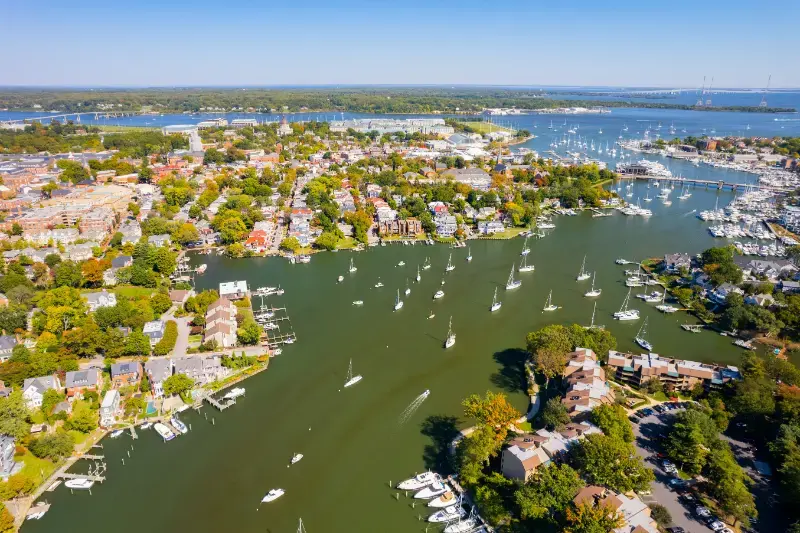
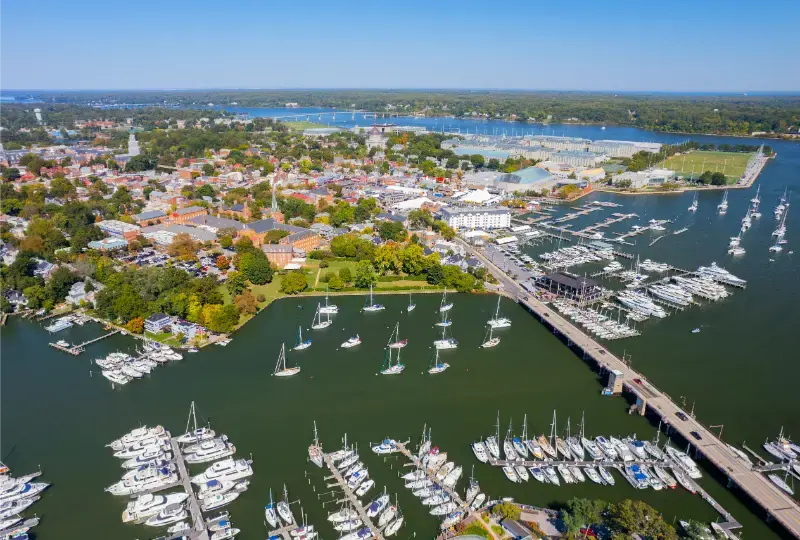
The strongest reason to add this part of Maryland to an itinerary is its sense of place. Choose this area for waterfront evenings and hotel amenities, not as a substitute for a centrally located sightseeing base. Visitors who enjoy slow exploration, learning the story behind a landscape and leaving some room for spontaneous stops will usually appreciate it more than travelers trying to tick off ten unrelated attractions.
It works well for couples and small groups, and often for families too, but expectations should follow the terrain. A historic site needs attention and time for exhibits; a shoreline day needs weather flexibility; and a remote peninsula can be rewarding precisely because there is less immediately around it. Make sure your group is interested in the main experience before committing to a longer drive.
How to plan the visit
National Harbor is not in downtown Washington, DC, and walking across the river to the principal monuments is not a practical default plan. Start by confirming the current official information: seasonal hours, access arrangements, parking, event closures and whether particular areas need reservations. Avoid building a non-refundable day around an assumed timetable.
For most visitors, one strong primary stop, a simple lunch and one flexible secondary stop make a better schedule than several tightly timed attractions. Leave a buffer for traffic, parking, finding the correct entrance and slower-than-expected sightseeing. If the trip requires a ferry, long walk or specific entrance window, protect that commitment first.
What to see and do
Potomac Waterfront
Potomac waterfront is one of the elements that gives National Harbor in Prince George’s County its character. Consider whether this should be the main event or a supporting stop. Take time to appreciate the setting, seek out interpretive displays where available, and check any access limitations before arriving. The difference between a good visit and an exhausting one is usually how much time you allow for this single experience.
For potomac waterfront, a practical approach is to examine the nearest parking or arrival point, plan for weather exposure and leave a little unstructured time. If your party includes young children or anyone with reduced mobility, look for the shortest suitable route and make an alternative plan rather than assuming the most scenic path is accessible to everyone.
Capital Wheel Area
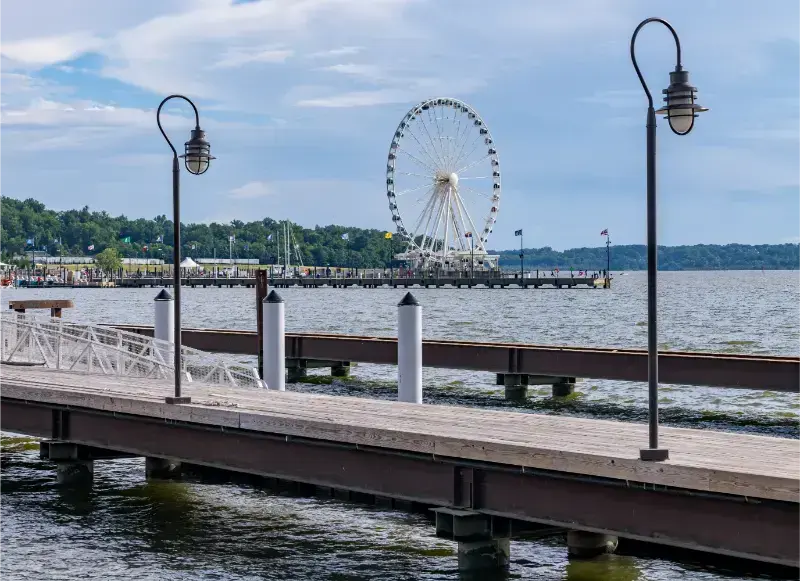
Capital wheel area is one of the elements that gives National Harbor in Prince George’s County its character. Consider whether this should be the main event or a supporting stop. Take time to appreciate the setting, seek out interpretive displays where available, and check any access limitations before arriving. The difference between a good visit and an exhausting one is usually how much time you allow for this single experience.
For capital wheel area, a practical approach is to examine the nearest parking or arrival point, plan for weather exposure and leave a little unstructured time. If your party includes young children or anyone with reduced mobility, look for the shortest suitable route and make an alternative plan rather than assuming the most scenic path is accessible to everyone.
Promenades
Promenades is one of the elements that gives National Harbor in Prince George’s County its character. Consider whether this should be the main event or a supporting stop. Take time to appreciate the setting, seek out interpretive displays where available, and check any access limitations before arriving. The difference between a good visit and an exhausting one is usually how much time you allow for this single experience.
For promenades, a practical approach is to examine the nearest parking or arrival point, plan for weather exposure and leave a little unstructured time. If your party includes young children or anyone with reduced mobility, look for the shortest suitable route and make an alternative plan rather than assuming the most scenic path is accessible to everyone.
Convention Hotels
Convention hotels is one of the elements that gives National Harbor in Prince George’s County its character. Consider whether this should be the main event or a supporting stop. Take time to appreciate the setting, seek out interpretive displays where available, and check any access limitations before arriving. The difference between a good visit and an exhausting one is usually how much time you allow for this single experience.
For convention hotels, a practical approach is to examine the nearest parking or arrival point, plan for weather exposure and leave a little unstructured time. If your party includes young children or anyone with reduced mobility, look for the shortest suitable route and make an alternative plan rather than assuming the most scenic path is accessible to everyone.
A realistic one-day itinerary
Morning: travel to your main attraction with a sensible arrival window and deal with any timed entry first. Do not assume that parking will be immediate on popular weekends. Spend the first part of the day on the reason you came, while energy is highest and conditions may be more comfortable.
Midday: take a genuine meal break and allow for traffic or a short local transfer. In rural settings, it is worth checking lunch hours before leaving. In urban settings, consider parking once and walking between nearby stops where the route allows. A packed itinerary that skips meals is rarely enjoyable, especially with children.
Afternoon: choose just one additional stop from your list and keep it optional. If the main attraction holds your interest longer than expected, stay there. If the weather turns, switch to a museum, visitor center or café where available. Finish early enough to avoid racing an unfamiliar road or the last transport connection.
Where to stay and how long you need
Hotels here are convenient for waterfront stays and conferences; compare transport costs with staying directly in central DC. For a single focused experience, a day trip may suffice if your departure point is reasonably close. If you want unhurried mornings, a good local dinner or two separate attractions, an overnight stay can be much better value than a very long day of driving.
Compare total costs instead of nightly room rates alone: parking, tolls, local transport, breakfast, possible resort fees and the fuel required to return to a distant hotel all matter. Choose accommodation with straightforward cancellation terms when weather or ferry plans may change. A location that saves a modest amount on the room can easily cost more in time.
Best time to go and weather considerations
Traffic and event-driven hotel rates can dramatically change the value of the location, particularly around conventions. Spring and fall are often comfortable for outdoor exploration, while summer brings longer days and more competition for parking at popular waterfront sites. Winter can offer quiet scenery and less congestion, but reduced services, cold winds and shorter daylight require more deliberate planning.
For outdoor sites, do not judge conditions by the nearest city forecast alone. Rain can make trails slippery, strong winds can change the feel of a bay-side walk, and heat can make a short exposed route unexpectedly demanding. Recheck the forecast the evening before and again before departure, especially when your plans involve water.
Getting around and common planning mistakes
Use the actual entrance or trailhead address, not simply the name of a large park or county. Some Maryland destinations consist of several dispersed districts. Check the final part of the drive, where signs and parking restrictions are more useful than a straight-line map estimate. Save an offline map when traveling through rural areas.
The most frequent mistakes are choosing accommodation too far away, assuming last-minute tickets or parking will always be available, and combining stops on opposite sides of a river or bay without checking bridges and travel times. Avoid relying on an outdated blog post for fees or opening arrangements; official operators and park services are the correct places to confirm time-sensitive details.
Visiting with children and accessibility
A family-friendly day needs more than an attraction labelled suitable for kids. Look for practical restroom access, shaded places to pause, food options, and a route that works for a stroller or a tired child. If the principal experience involves a long trail or boat ride, an adult may need to plan an earlier exit or alternate activity.
Accessibility varies widely among waterfronts, historic paths and natural sites. Before traveling, contact the operator or consult its accessibility information for exact surfaces, slopes, assisted entry and available facilities. When a destination has multiple entrances, the accessible starting point may be different from the one suggested by general navigation apps.
Suggested two-day extension
If you have another day, use it to explore the surrounding region rather than repeating the same drive. One day can be the signature attraction and nearby neighborhood or natural feature; the second can emphasize local food, a museum, a short scenic road or a quiet waterfront. Separate major outdoor plans across the two days to give yourself a weather backup.
Keep the second day simple. A relaxed breakfast, one meaningful visit and time to return without rushing generally makes a stronger short break than an ambitious loop of distant stops. Treat unexpected finds as a bonus rather than something the itinerary must deliver.
Food, small expenses and budgeting
Food is a useful way to connect with the region, but restaurants in small towns can have limited hours and busy seasonal periods. Check the menu, booking policy and last seating before setting out. When local seafood is a highlight, ask about current prices rather than assuming a fixed cost based on an old recommendation.
Budget for parking or entry when applicable, fuel, tolls, a proper meal and one paid activity rather than counting only the advertised admission price. Leave a small contingency for changing plans. An enjoyable Maryland trip is not necessarily expensive, but last-minute changes can become costly without a little flexibility.
Plan your trip: stays and experiences
For an overnight visit, compare flexible accommodation options and check the precise neighborhood before booking. Activities are worth reserving when dates or capacity matter; otherwise keep some time free for the destination itself.
The Expedia and GetYourGuide embedded tools may depend on the scripts already installed in the WordPress theme. If they do not load, the rest of this guide remains usable; check the widget setup rather than adding duplicate scripts to every post.
Before you leave: a practical checklist
- Confirm the exact entrance, parking arrangements and seasonal opening schedule.
- Recheck weather and any required day-use, ferry or campsite reservations.
- Choose one main experience and one optional nearby stop.
- Verify food options, accessibility details and return transport.
- Allow a buffer before sunset or your final connection.
For current destination inspiration, see <a href="https://www.visitmaryland.org/" target="_blank" rel="noopener">Visit Maryland</a>. For state park entry and seasonal reservation policies, consult <a href="https://dnr.maryland.gov/publiclands/Pages/default.aspx" target="_blank" rel="noopener">Maryland State Parks</a>. Those official sources are particularly useful for decisions that may change from one season to another.
Final thoughts
The most satisfying version of this trip is not the one with the longest checklist. It is the one that makes sense for your group, allows enough time for the main experience and leaves you with an understanding of this part of Maryland. Use the advice here as a framework, then check the current local details shortly before departure.
What to decide before you set out
National Harbor is not in downtown Washington, DC, and walking across the river to the principal monuments is not a practical default plan. Write down your latest possible departure time and the point at which you would change plans. This small decision prevents stress if the first stop takes longer than planned. For remote areas, also identify a reliable place to refuel before heading onto smaller roads.
Choosing your travel base
Hotels here are convenient for waterfront stays and conferences; compare transport costs with staying directly in central DC. Location is especially important when you plan an early departure or a second day. Check the actual driving route in morning and evening traffic, not only the mileage shown on hotel listings. If you are arriving late, confirm check-in and dinner options.
Making the visit feel local
Choose this area for waterfront evenings and hotel amenities, not as a substitute for a centrally located sightseeing base. Spend a little time on the stories of the area through a visitor center, historic panel or locally run business. A slower, thoughtful stop often tells you more than adding another distant landmark solely because it appears on a map.
A backup plan for changing conditions
Traffic and event-driven hotel rates can dramatically change the value of the location, particularly around conventions. Keep a second itinerary that can work when the outdoor highlight is affected by weather, closures or crowds. A nearby museum, small-town main street or shorter accessible walk can save a day without forcing an expensive last-minute change.